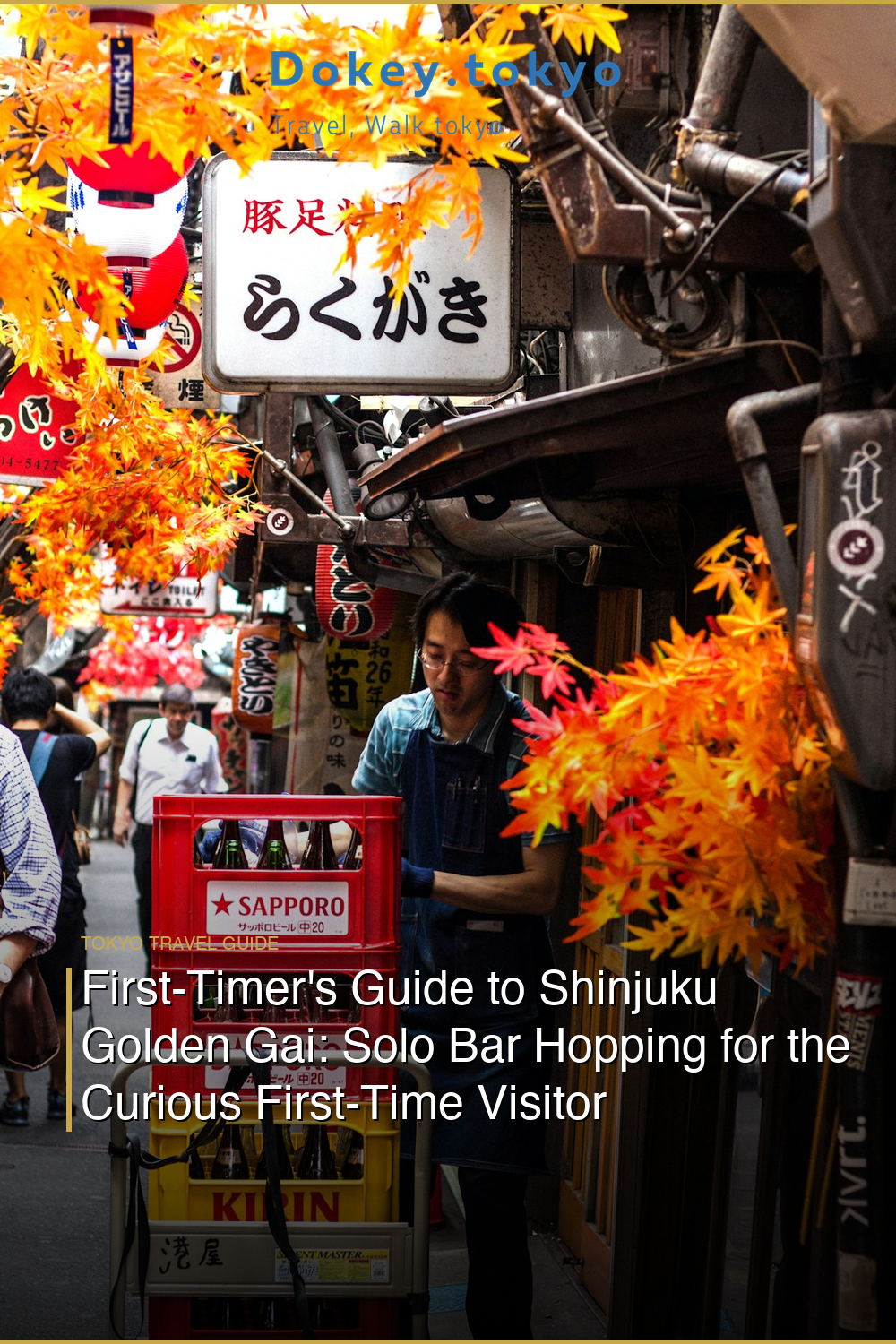
First-Timer’s Guide to Shinjuku Golden Gai: Solo Bar Hopping for the Curious First-Time Visitor
You’ve seen the photos a hundred times — narrow alleyways barely wide enough for two people to pass, wooden storefronts stacked with faded movie posters, warm amber light spilling through dusty windows onto a cobblestone lane. Shinjuku Golden Gai is one of those rare places that somehow looks exactly like its pictures and still manages to completely overwhelm your senses the moment you turn the corner and realize it’s real. As a first-time visitor to Japan stepping into this legendary district alone, you might feel a flutter of anxiety alongside the excitement. Which bar do you choose? Do they speak English? Is it rude to just walk in? Will there even be room? Take a breath. This guide exists precisely for you — the curious solo first-timer who wants to experience Golden Gai authentically, respectfully, and with enough practical knowledge to actually enjoy every sip.
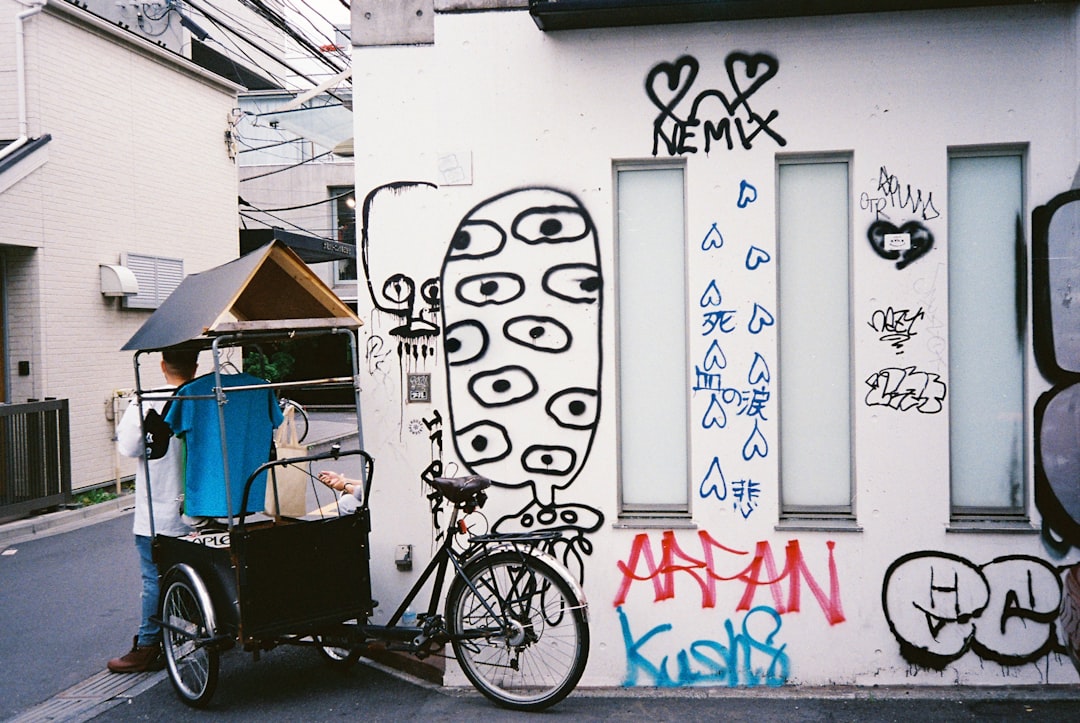
My first time turning into Golden Gai, I was genuinely startled by the sheer density of it all — every square centimeter of wall space claimed by a hand-painted sign, a curling vintage poster, or a faded sticker from a band I’d never heard of. It felt less like entering a bar district and more like stepping inside someone’s obsessively curated scrapbook, one that happened to serve drinks.
What Is Shinjuku Golden Gai, Exactly?
🗾 Book on Viator: Bar hop Shinjuku with dinner and drinks →
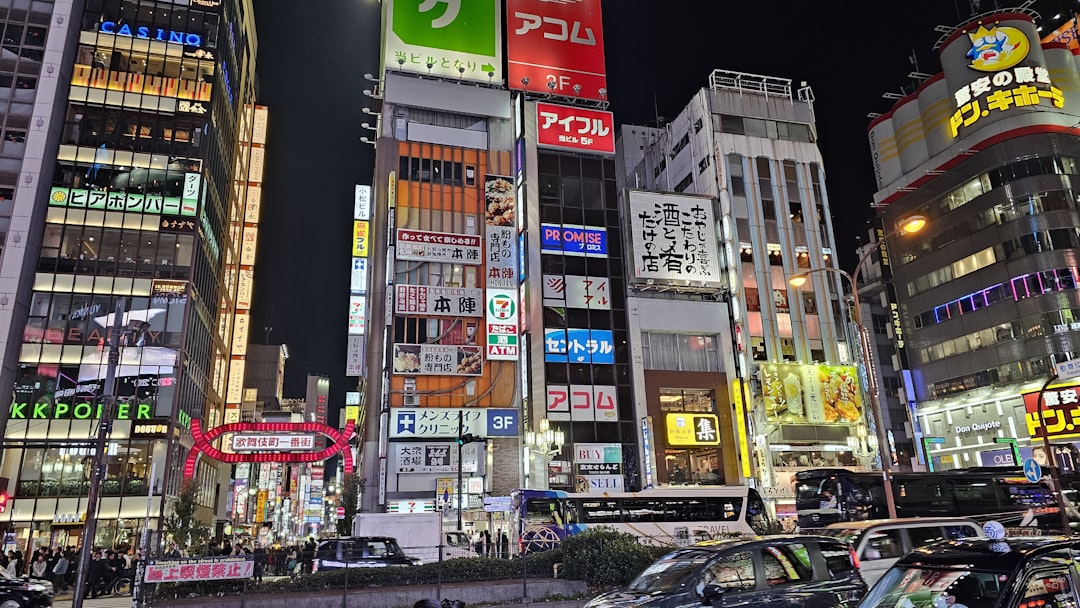
Nestled in the Kabukicho district of Shinjuku, Golden Gai (黄金街) is a network of six narrow alleyways containing approximately 200 tiny bars, each one no bigger than a generous closet. Most seats only 5 to 8 people at maximum capacity. The area survived post-WWII redevelopment, the economic bubble, and multiple rezoning attempts, stubbornly persisting as one of Tokyo’s most authentic slices of old bohemian nightlife culture. If you want to explore more of Shinjuku’s varied neighborhoods, you might also be interested in the history and safety tips for Shinjuku’s other districts.
Historically, Golden Gai was a gathering spot for writers, filmmakers, artists, and intellectuals. That cultural DNA is still very much alive. Each bar has a specific theme — some cater to punk rock fans, others to jazz lovers, film buffs, manga collectors, or fans of a specific era of Japanese cinema. Walking through the alleyways feels like flipping through channels on a very eclectic, very tiny television.
For a solo first-time visitor, this specificity is actually your greatest advantage. You don’t need to make small talk about nothing — the bar’s theme gives you an instant conversation starter.
Before You Go: Setting First-Timer Expectations
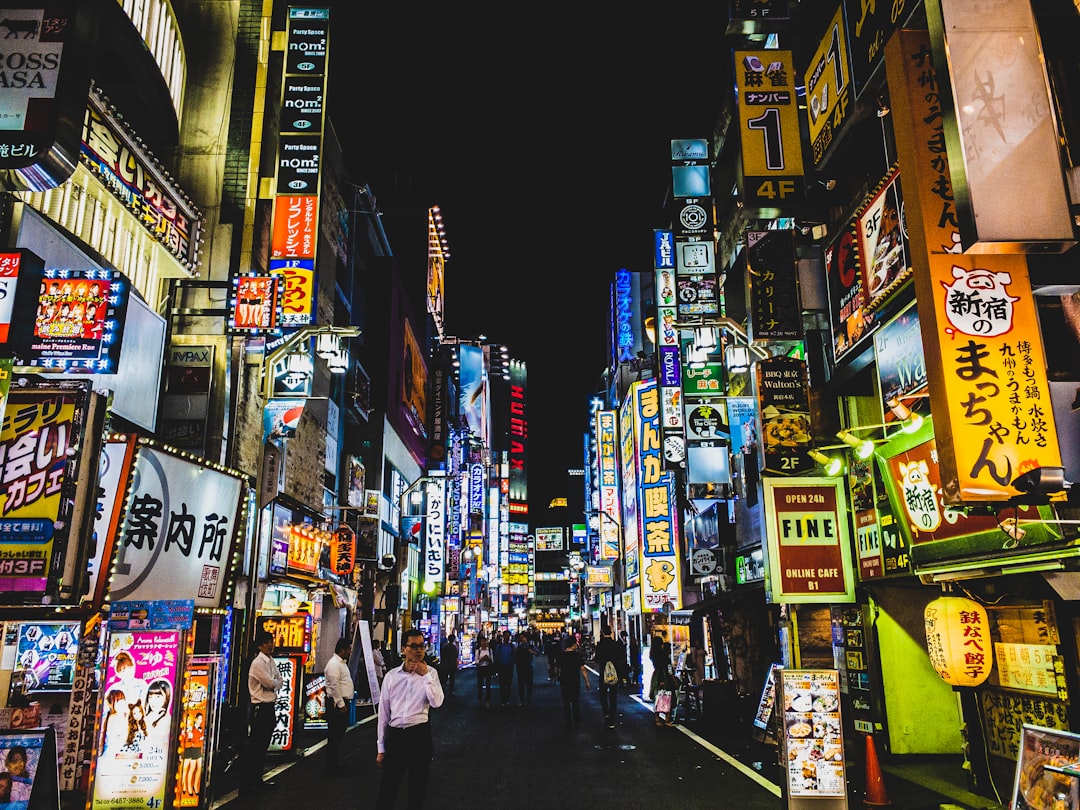
Cover Charges Are Normal (Don’t Be Surprised)
Almost every bar in Golden Gai charges a table charge (席料, sekiryō) ranging from ¥500 to ¥1,500 per person, on top of your drinks. This is not a tourist trap — it’s standard practice throughout Japan’s intimate bar culture and helps the owner keep the lights on in a six-seat venue. Budget approximately ¥3,000 to ¥5,000 per bar if you plan to have two or three drinks and maybe a small snack. For a proper Golden Gai night visiting three bars, set aside ¥10,000–¥15,000 (roughly $65–$100 USD) as a comfortable budget.
Some Bars Are Regulars-Only — And That’s Okay
A handful of bars display signs reading “members only” or “regulars only” — sometimes in English, sometimes only in Japanese. Respect these signs and move on without taking it personally. There are dozens of welcoming, foreigner-friendly bars within a few steps. Many owners actively enjoy meeting curious international visitors and will go out of their way to make you feel at home.
Go Alone, Go Early, Go Curious
As a solo traveler, you hold a surprising advantage over groups in Golden Gai. Single seats fill spots that groups can’t, meaning you’ll gain access to bars that would otherwise turn away a party of four. Arriving between 7:00 PM and 9:00 PM on weeknights gives you the best chance of finding seats and actually having a conversation before the space fills. Weekends after 10:00 PM can feel more crowded and chaotic — still fun, but a different energy entirely.
Navigating the Alleyways: A First-Timer’s Walkthrough
🗾 Book on Viator: Explore Shinjuku with Local Guide →
Alley 1 (Row 1): The Classic Starting Point
Begin your Golden Gai night on Alley 1, the most famous and slightly wider lane that runs parallel to Hanazono Shrine. This is where you’ll find bars with the most English signage and the most experience welcoming first-time international visitors. Don’t rush — peer through each window, read the posted menus and cover charge signs on the stairs, and let one bar genuinely pull you in.
Look for bars with their doors physically open, music you recognize or find interesting, and a bartender who makes eye contact and gives you a nod. That nod is a universal invitation.
Alley 3 and 4: Where It Gets Interesting
Once you’ve had a first drink and your nerves have settled, venture into Alleys 3 and 4, where the themes get more niche — think bars dedicated entirely to 1970s Japanese folk music, bars plastered floor-to-ceiling with horror movie memorabilia, or a counter that fits exactly five stools and specializes in single-malt Scotch. This is the Golden Gai that earns its mythology.
Don’t overlook the bars with no obvious theme at all — some of the best Golden Gai nights happen in a no-frills spot where the owner’s warmth is the concept, and conversation flows naturally because nothing else is competing for your attention.
Reading the Room: The Unspoken Rules
When you enter a Golden Gai bar for the first time, follow this simple ritual: say “sumimasen” (excuse me) as you enter, point to yourself and hold up one finger to indicate a solo seat, and wait for the bartender to nod you toward a stool. You do not need to speak Japanese fluently — the physical ritual communicates everything. Once seated, a simple “osusume wa nan desu ka?” (what do you recommend?) is genuinely appreciated and usually kicks off a warm exchange even through broken English and enthusiastic hand gestures.
Keep your phone pocketed during conversations. Golden Gai culture prizes presence and genuine human connection over Instagram documentation. You can step outside between bars for photos — the alleyways themselves are atmospheric enough.
What to Drink: A First-Timer’s Cheat Sheet
Highball (ハイボール): Whisky and soda — the most universally available, easy to sip slowly, and very reasonably priced at around ¥600–¥800. Perfect for a long night of bar hopping without getting floored after bar two.
Shochu: A distilled Japanese spirit (usually sweet potato or barley base) served on the rocks or with water. Lower alcohol percentage than whisky, slightly smoky, and deeply Japanese. Ordering shochu in a traditional Golden Gai bar earns quiet approval.
House specials: Many themed bars have a signature cocktail tied to the theme. At a music bar, it might be named after a famous album. At a film bar, perhaps a cocktail named for a director. Always ask — these are often the bartender’s pride and joy.
Avoid ordering beer if you’re there to make conversation. Beer drinking tends to be a head-down, quiet activity in Golden Gai’s tiniest spaces. A spirit or cocktail signals that you’re there for the experience, not just the alcohol. For deeper exploration of Tokyo’s food and drinking culture, Tokyo’s izakaya scene and Michelin-starred dining offers another perspective on Japanese nightlife and cuisine.
Practical Tips for the Solo First-Time Visitor
Getting There
From Shinjuku Station’s East Exit, walk toward Kabukicho and then follow signs toward Hanazono Shrine — Golden Gai sits immediately alongside the shrine grounds. The walk takes about 8 minutes. Google Maps works reliably; search “Golden Gai Tokyo” directly. If you’re exploring Shinjuku more broadly, you might combine this with a visit to nearby Meiji Shrine and Omotesando, which are accessible from central Shinjuku.
Safety and Comfort
Golden Gai is extremely safe for solo travelers of all backgrounds. The alleyways are public, well-trafficked, and have been welcoming international visitors for decades. Keep your belongings zipped and close simply as general Tokyo good practice, not because of any specific risk.
What to Wear
No dress code exists, but Golden Gai rewards a slightly put-together casual look — think dark jeans and a nice top rather than hiking gear or a business suit. You’ll be sitting inches away from strangers; feeling comfortable and confident in what you’re wearing genuinely improves the experience.
Cash is King
Many Golden Gai bars are cash only. Withdraw yen from a 7-Eleven or Japan Post ATM before you arrive — these reliably accept international cards. Showing up with only a credit card is the fastest way to have an awkward end to an otherwise perfect evening.
Last Train Awareness
Tokyo’s train network stops running between midnight and 1:00 AM depending on the line. Check your last train time before you get settled into your third bar of the night. Taxis from Shinjuku to central Tokyo neighborhoods run ¥1,500–¥3,000 if you miss it — not catastrophic, but worth knowing.
Best Time to Visit Golden Gai as a First-Timer
🗾 Book on Viator: Bar hop through Shinjuku’s Golden Gai to →
The absolute sweet spot for a first-time solo visitor is a Tuesday, Wednesday, or Thursday evening starting around 7:30 PM between October and early December or late February through April. These months bring pleasant evening temperatures and fewer tourists than peak summer or cherry blossom season. You’ll find it easier to get a seat, have a real conversation, and take your time making choices without feeling rushed by crowds forming at the door behind you.
Rainy evenings, counterintuitively, are some of the best Golden Gai nights — the sound of rain on the narrow alley rooftops, the fog of warm air from open bar doors, and the slightly reduced foot traffic creates an atmosphere so cinematic it almost feels staged.
On one midweek visit, I ended up sitting elbow-to-elbow with a stranger who worked in an industry I knew nothing about. Two highballs later, we were swapping life stories like old friends — the kind of unplanned, unlikely connection that simply doesn’t happen at a normal-sized bar. I walked out into the alley afterward thinking: that is what Golden Gai is for.
The Golden Gai Philosophy: Why Coming Alone Is the Point
Here is the truth that every regular in Golden Gai already knows: you cannot fully experience this place as part of a large group. The magic of Golden Gai lives in the one-on-one conversations that happen between a solo traveler on a bar stool and a bartender who has spent 30 years pouring drinks in a space the size of a bathroom. It lives in the accidental friendships struck up with the stranger sitting one seat over who turns out to be a novelist, or a musician, or a retired film director who still comes in every Thursday out of pure habit.
As a first-time visitor to Japan, you are carrying the gift of beginner’s eyes — everything is new, everything is interesting, everything is worth a question. In Golden Gai, that genuine curiosity is the only currency that matters more than cash. Walk in alone, keep an open mind, follow the nod of a bartender, and let the night take you somewhere you couldn’t have planned.
That’s the whole point.