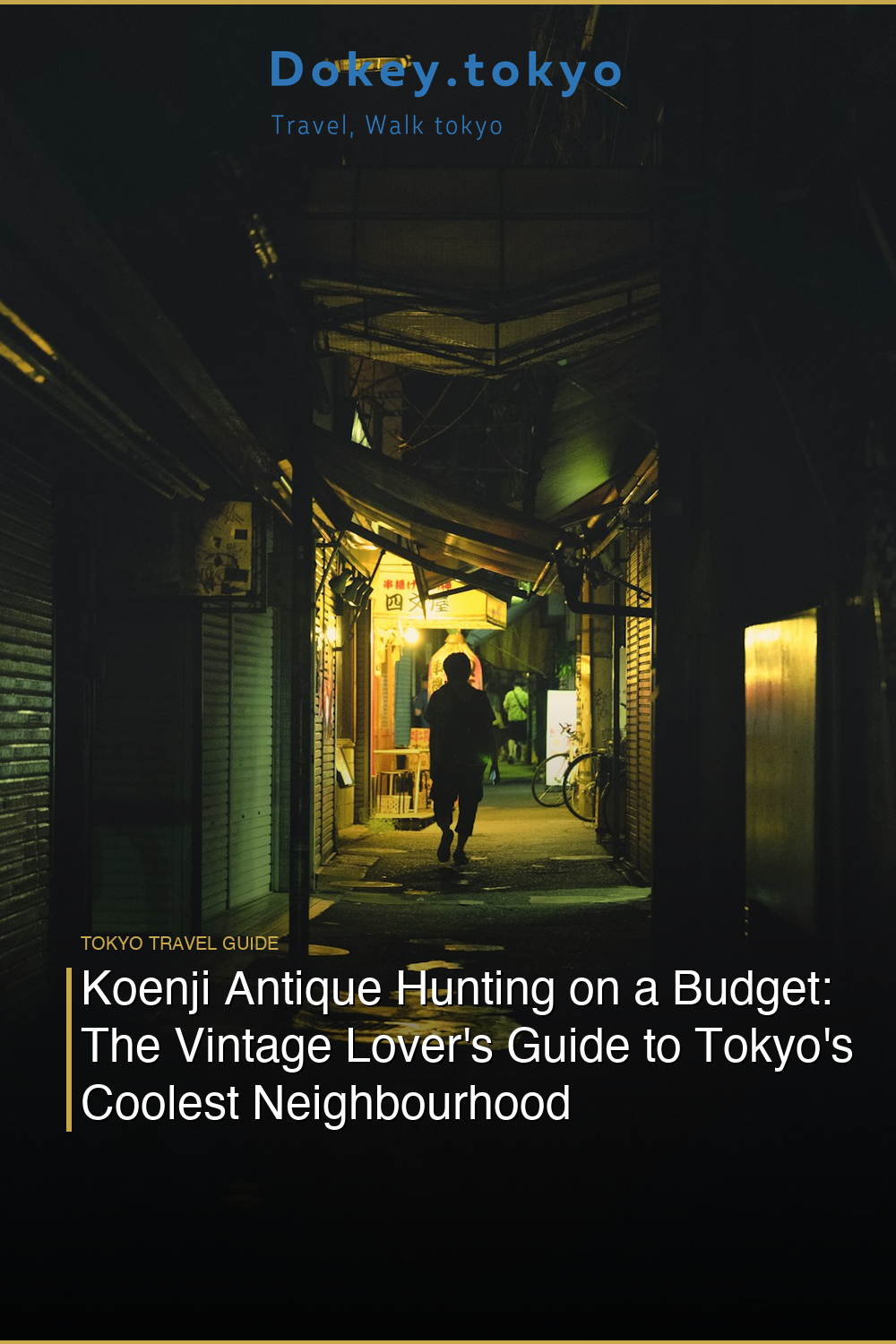
If you’ve ever dreamed of sifting through decades of Japanese history for less than the price of a ramen bowl, Koenji is your neighbourhood. Tucked along the JR Chuo Line between Shinjuku and Mitaka, this bohemian pocket of western Tokyo has quietly earned its reputation as the antique and vintage capital of the city — and unlike the polished boutiques of Daikanyama or the tourist-taxed stalls of Asakusa, Koenji still plays by budget rules. Flea market veterans, retro furniture hunters, and lovers of kitschy Showa-era kitchenware all converge here, united by the thrill of the find and a collective respect for keeping prices honest.
The first time I stepped out of Koenji Station’s south exit on a Tuesday morning, I almost walked straight past an unmarked shop with a cardboard box of old Showa-era tin toys sitting on the pavement — priced at ¥150 each. That box told me everything I needed to know about this neighbourhood: the good stuff doesn’t announce itself, and the prices haven’t caught up with the hype. I spent the next six hours wandering, and left with a bag full of treasures and change from a ¥5,000 note.
Why Koenji Is a Budget Vintage Shopper’s Dream
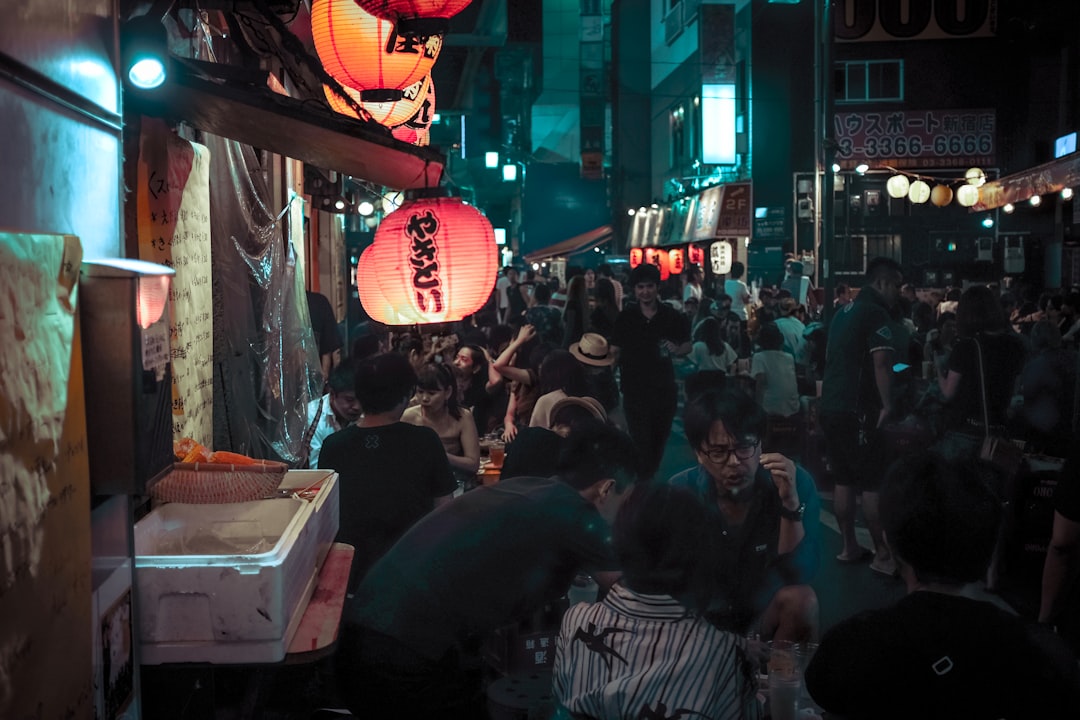
Koenji’s antique scene didn’t happen by accident. The neighbourhood grew into a countercultural hub through the 1970s and 80s, attracting artists, musicians, and left-leaning locals who preferred second-hand over shiny and new. That ethos never left. Today, over 50 antique, recycle, and vintage shops are packed into a walkable radius around the north and south exits of Koenji Station, and most of them cater to locals first — which means prices haven’t been inflated for international visitors.
For the budget-minded vintage shopper, this matters enormously. You’ll find shops where ¥100 bins overflow with old postcards, ceramic sake cups, and Showa-era advertising badges. Glassware collections start at ¥200. Even mid-range finds — a retro tin toy, a wood-framed hand mirror, a bolero jacket from the 1960s — often land well under ¥2,000. Come with a loose wish list, a tote bag, and no fixed expectations, and you’ll almost certainly leave with something extraordinary.
How to Navigate the Antique Shops Without Overspending
Start at the South Exit: Shotengai Alley Shops
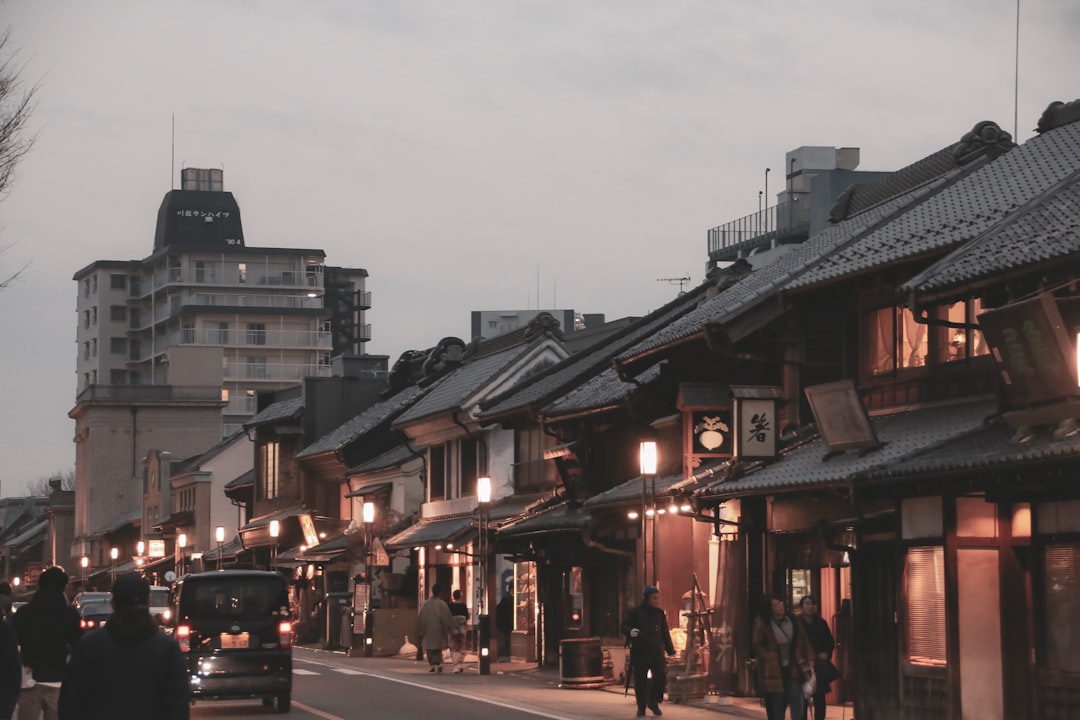
Exit from Koenji Station’s south side and you’ll immediately be absorbed into the covered shotengai (shopping arcade) network. Pal Shopping Street and Look Shopping Street branch off in different directions, and tucked between the ramen shops and izakayas you’ll spot small recycle stores and antique dealers with goods spilling out onto the pavement.
These arcade-adjacent shops tend to be the most budget-friendly. Look for stores with the kanji 古着 (furugiya, meaning old clothes) or リサイクル (recycle) in their signage — these often mix vintage clothing with household antiques and miscellaneous bric-a-brac at very accessible prices. Don’t be embarrassed to crouch down and dig through floor-level crates. That’s where the ¥100–¥300 gems live.
Cross to the North Exit: Dedicated Antique Dealers
The north side of Koenji Station is where things get slightly more curated — and slightly more expensive, though still remarkably affordable by Tokyo standards. Streets like Koenji Antique Street (sometimes called Antique Dori by locals) host specialist dealers focusing on everything from Meiji-era ceramics and tansu chests to vintage cameras, military memorabilia, and retro vinyl records.
Even here, budget shopping is absolutely possible. Many dealers have clearly labelled discount sections, and if you’re buying multiple items, polite negotiation — a simple “motto yasuku narimasu ka?” (can you make it a little cheaper?) — is often welcomed, especially later in the day when shopkeepers are more willing to move stock.
One thing I’ve learned from repeat visits: the shops on the quieter side streets just north of the main antique strip often have the best deals, because fewer visitors wander that far. I once picked up a complete set of five hand-painted Kutani-style sake cups for ¥800 at a tiny dealer I only found because I took a wrong turn.
Don’t Skip the Outdoor Markets
Koenji hosts regular outdoor flea markets that are arguably the best budget hunting grounds in the entire neighbourhood. The most well-known is the Koenji Flea Market, typically held on weekends in the open space near the station or in local parks. Admission is always free, and individual sellers — many of them locals clearing out family homes — price items to sell, not to impress. Expect handmade items, old toys, kimono fabrics, lacquerware, and nostalgic stationery at prices that will make you double-check you’re in Tokyo.
Check local listing sites like Jalan or the Koenji tourism page before your visit to confirm market dates, as they can shift seasonally.
What to Look For: A Budget Shopper’s Treasure Checklist
🗾 Book on Viator: Private Vintage Shopping Tour in Tokyo →
Koenji’s antique scene is broad, but certain categories offer consistently great value for budget hunters:
- Kissa-ten (coffee shop) ceramics: Old mugs, saucers, and coffee sets from closed Showa-era cafes are everywhere and usually priced under ¥500 each.
- Retro tins and packaging: Japanese vintage advertising tins, candy boxes, and biscuit containers make lightweight, affordable souvenirs starting at ¥200.
- Furoshiki and obi fabric scraps: Beautiful offcuts of traditional cloth sold by the piece — perfect for crafters and textile lovers on a budget.
- Old photographs and postcards: A surprisingly moving category. Sepia-toned portraits and handwritten wartime postcards can be found from ¥50 each.
- Vintage clothing: Koenji is famous across Tokyo for its second-hand fashion. Budget ¥800–¥3,000 for a solid vintage piece from one of the furugiya lining both exits.
Fuelling Your Hunt: Eating and Drinking Without Blowing Your Budget
One of the unsung joys of a day in Koenji is that the food scene matches the vintage ethos perfectly — unpretentious, locally loved, and cheap.
Budget Eats Near the Antique Strip
Koenji’s ramen shops are a reliable fallback. A hearty bowl of shoyu or shio ramen at a no-frills local spot costs ¥700–¥900. Look for the small, steam-filled places along Pal Shopping Street rather than anything with an English menu or queue management system outside — those tend to charge a quiet tourist premium. If you’re interested in exploring Tokyo’s broader ramen culture, consider taking a ramen tasting tour to discover the different regional styles across the city.
For a mid-morning pick-me-up, seek out one of Koenji’s surviving kissa-ten (old-school coffee shops). These retro cafes — often unchanged since the 1970s — serve thick, strong coffee with toast sets for around ¥500–¥700. Sitting inside one feels like an antique experience in itself, which is entirely the point.
Convenience store strategy: If you’re really watching the budget, grab an onigiri and a hot drink from the 7-Eleven or Lawson near the station between shops. No shame — Japanese convenience store food is genuinely good, and at ¥200–¥400 per item, it’s hard to argue with.
Practical Tips for Budget Antique Hunting in Koenji
Getting There Without Wasting Money
Koenji Station is on the JR Chuo Line, roughly 15–20 minutes from Shinjuku by rapid service. A single fare from Shinjuku costs around ¥170. If you’re already on a Suica or Pasmo IC card, just tap in and out — no ticket purchasing needed. Avoid taxis entirely; the neighbourhood is entirely walkable once you arrive.
Carry Cash, Not Cards
Many smaller antique shops and individual market vendors operate on a cash-only basis. Bring ¥5,000–¥10,000 in small bills (¥1,000 notes are ideal) to avoid any awkward moments at the till. ATMs inside 7-Eleven convenience stores accept international cards and offer English menus.
The Best Time to Visit
Weekday mornings — particularly Tuesday through Thursday — are ideal for budget shoppers. Fewer visitors mean more time with dealers, more willingness to negotiate, and first pick of any new stock. If you want the flea market experience, aim for a Sunday, but arrive early (by 10am) before the best items disappear.
Avoid visiting during the famous Koenji Awa Odori Festival in late August if budget shopping is your priority — the neighbourhood gets extremely crowded and some shops limit access during the celebrations. However, if you love street energy and don’t mind the chaos, the festival itself is free and absolutely spectacular.
Language and Etiquette
Most antique shop owners in Koenji speak little to no English, but this shouldn’t deter you. Pointing, showing numbers on your phone’s calculator, and smiling genuinely go a long way. Handle items with care, replace anything you pick up, and never haggle aggressively — a respectful, quiet ask is always more effective than persistent bargaining.
On my last visit, I spent ten minutes carefully examining a small wooden kokeshi doll at a north-side dealer before the owner — an elderly man who spoke no English whatsoever — gently took it from my hands, wrapped it in newspaper, and gestured at his calculator showing ¥300. When I looked surprised at the price, he simply smiled, bowed slightly, and added a second, smaller kokeshi to the package for free. It was one of those interactions that reminded me why I keep coming back to Koenji: the generosity here is as vintage as the goods.
Making the Most of Your Koenji Antique Day
🗾 Book on Viator: Hidden Gems Private Tour Guide →
The magic of Koenji for budget vintage shoppers is that it rewards slowness. This isn’t a place to rush. Plan for a full day — arrive by 10am when shops begin opening, take a kissa-ten coffee break mid-morning, eat a cheap lunch somewhere along the shotengai, and keep hunting into the late afternoon when that coveted ¥100 ceramic might still be waiting at the bottom of a bin you almost walked past.
Bring a lightweight foldable bag for your finds, wear comfortable shoes (you’ll cover several kilometres of pavement without noticing), and keep a small notebook to jot down prices at one shop before comparing at the next. Most of all, come without a fixed agenda. The best antique hunters know that the neighbourhood tells you what you’re looking for — not the other way around. And if you’re planning to explore more of Tokyo’s vintage and budget-friendly shopping scene, Shimokitazawa’s vintage shopping offers another excellent day trip alternative.