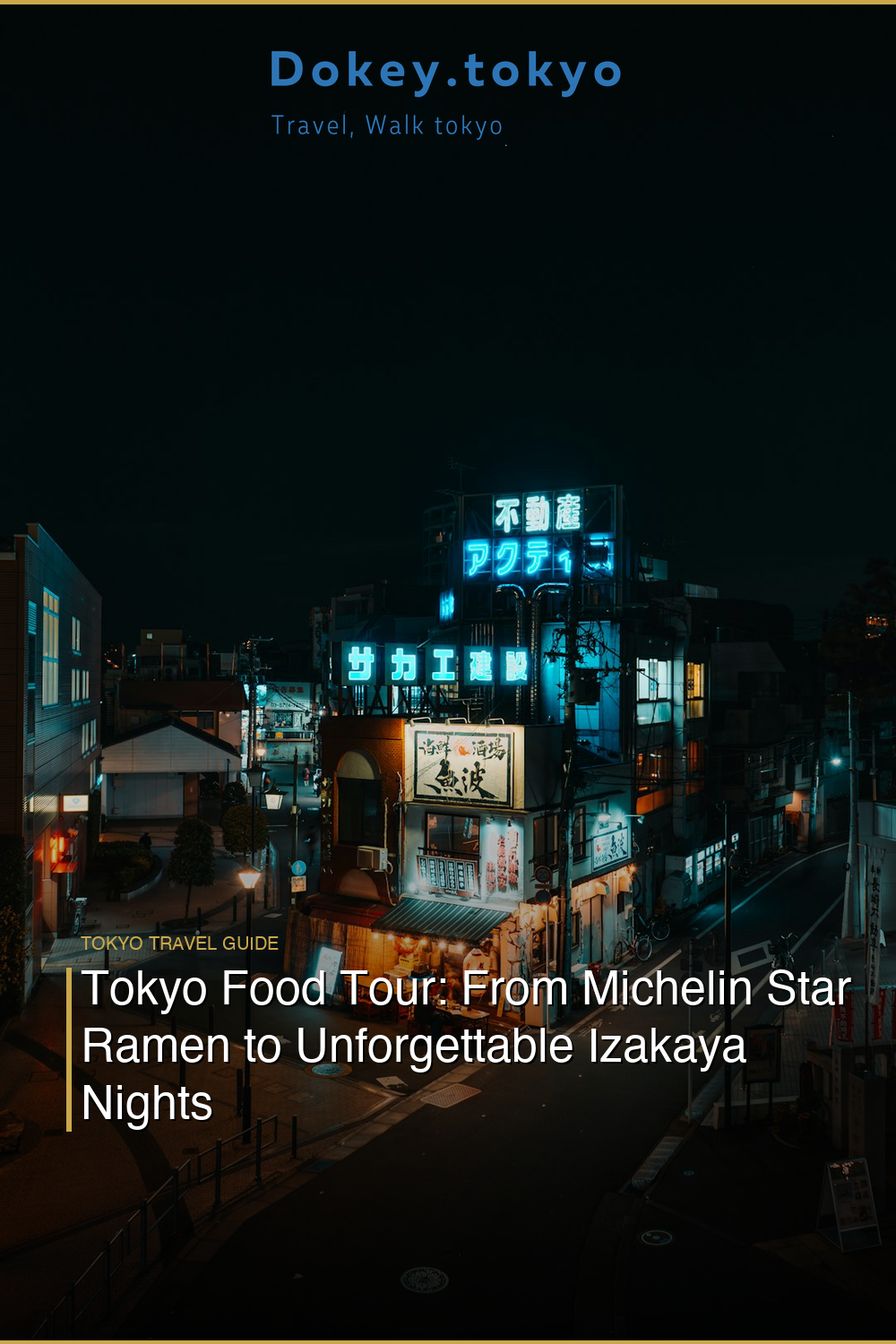
Tokyo Food Tour: From Michelin Star Ramen to Unforgettable Izakaya Nights
Imagine ducking into a narrow alleyway in Shinjuku, following the intoxicating scent of simmering pork bones and toasted sesame, and finding yourself standing before a tiny 10-seat ramen shop that holds a Michelin star. This is Tokyo — a city where a humble bowl of noodles can rival the greatest fine dining experiences in the world, and where a rickety wooden izakaya tucked beneath a train track can become the most memorable meal of your life. Tokyo is home to more Michelin-starred restaurants than any other city on Earth, yet its culinary soul lives equally in the unpretentious, communal joy of late-night yakitori and ice-cold draft beer shared among strangers who quickly become friends. If you’re planning a Tokyo food tour, prepare to have your understanding of gastronomy permanently and deliciously redefined.
Why Tokyo Is the Ultimate Food Destination
Tokyo’s food culture is unlike anything else in the world. The city boasts an almost reverent attitude toward cuisine — chefs dedicate entire careers, sometimes decades, to mastering a single dish. Ramen chefs study broth ratios and noodle thickness the way classical musicians study scales. Izakaya owners source their chicken from specific farms and age their sake with the same care a sommelier applies to vintage Burgundy.
With over 200 Michelin-starred establishments and thousands of world-class restaurants across every price point, Tokyo offers an unmatched depth of culinary exploration. Whether you’re a budget traveler eating your way through convenience store onigiri or a dedicated foodie willing to queue for hours outside a legendary ramen shop, the city rewards every level of curiosity and appetite.
Michelin Star Ramen: Where Humble Meets Extraordinary
🗾 Shinjuku Food Tour – 13 Dishes →
🎫 Michelin Star Ramen Experience Tokyo →
Understanding What Makes Tokyo Ramen Special
Ramen in Tokyo is a serious art form. Unlike the rich, creamy tonkotsu broths of Fukuoka or the miso-forward bowls of Sapporo, Tokyo-style ramen traditionally features a lighter shoyu (soy sauce) base with a clear, golden broth that carries remarkable depth. However, the city’s ramen scene has evolved dramatically, and today you’ll find every imaginable variation, including deeply savory tori paitan (creamy chicken), intensely rich niboshi (sardine-infused), and innovative fusion styles that push the boundaries of the genre. For a comprehensive guide to Tokyo’s ramen varieties, check out our Ramen Tasting Tour Tokyo guide.
Must-Visit Michelin-Recognized Ramen Shops
Fuunji in Shinjuku is legendary among ramen enthusiasts for its tsukemen — a style where thick, chewy noodles are served separately and dipped into a concentrated, intensely flavored broth. The queue often stretches around the block before opening, but the 45-minute wait feels entirely justified when that first dip hits your taste buds.
Nakiryu in Minami-Otsuka earned a Michelin star and became an overnight sensation. Their tantanmen — a Japanese interpretation of Chinese dan dan noodles — features a beautifully balanced spicy sesame broth with perfectly cooked noodles and a soft-boiled egg that oozes golden yolk with surgical precision. Arrive at least an hour before opening; this tiny shop fills up fast.
Japanese Soba Noodles Tsuta in Sugamo made international headlines as the world’s first ramen shop to receive a Michelin star. Their shoyu soba blends truffle oil and aged balsamic vinegar into a refined broth that demonstrates just how sophisticated ramen can become without losing its essential soul.
Pro Tips for the Ramen Queue
Most celebrated ramen shops in Tokyo are tiny, seating fewer than 15 people. Arrive 30 to 60 minutes before opening, especially on weekends. Many shops use ticket vending machines near the entrance — study the menu online beforehand so you can make your selection quickly. Some shops limit customers to one visit per day, so choose your bowl wisely.
The Izakaya Experience: Tokyo’s Social Dining Heart
🗾 Shinjuku Food Tour – 13 Dishes →
🎫 Tokyo Izakaya Food Tour Night →
What Is an Izakaya?
If ramen represents Tokyo’s meditative, perfection-obsessed side, the izakaya captures its warm, convivial spirit. An izakaya is essentially a Japanese gastropub — a casual dining establishment where food and drink flow freely and the atmosphere buzzes with laughter, clinking glasses, and the sizzle of a charcoal grill. These establishments range from polished, modern gastropubs in Roppongi to ancient, smoke-darkened wooden shacks in the alleys of Yurakucho, right beneath the rumbling elevated train tracks.
Navigating the Izakaya Menu
A typical izakaya meal begins with edamame or tofu as you settle in and order your first round of nama biiru (draft beer) or highball — Japanese whisky diluted with soda water, a combination that somehow tastes better in Tokyo than anywhere else on Earth.
From there, the menu opens into an incredible world of small plates. Yakitori — skewered chicken grilled over binchōtan charcoal — is an absolute must. Don’t limit yourself to breast meat; the negima (chicken thigh with leek), kawa (crispy chicken skin), and tsukune (chicken meatball with egg yolk dipping sauce) are revelations. Karaage (Japanese fried chicken) arrives golden and juicy, typically served with kewpie mayonnaise and a squeeze of lemon. Dashimaki tamago (rolled egg omelette infused with dashi broth) is silky, sweet, and savory simultaneously.
For the adventurous, motsu (offal) dishes — grilled intestines, heart, and liver — are staples at traditional izakayas and reward the brave with extraordinary depth of flavor.
Best Izakaya Neighborhoods in Tokyo
Yurakucho offers perhaps the most atmospheric izakaya experience in the city. The warren of tiny restaurants wedged beneath the train tracks has operated for decades, and eating yakitori while the Yamanote Line thunders overhead feels like a scene from a timeless Tokyo film.
Shinjuku’s Golden Gai is a maze of impossibly narrow alleys containing over 200 tiny bars and eateries, most seating only five to eight people. Each establishment has its own personality, music, and clientele — finding your perfect spot feels like an adventure. For more exploration of this iconic neighborhood, discover our Shinjuku Red Light District Tour guide.
Shibuya and Ebisu offer more modern izakayas with English-friendly menus, making them excellent starting points for first-time visitors navigating Japanese dining culture. Consider combining your food tour with a Shibuya Crossing walking tour to experience the neighborhood’s full energy.
Local Culture and Dining Etiquette
Understanding a few cultural basics will dramatically enhance your Tokyo food tour. Always say itadakimasu before eating — it’s an expression of gratitude for the meal. Never stick chopsticks vertically into rice, as this mirrors funeral customs. When drinking with others, pour for your companions before pouring for yourself, and wait until everyone has a drink before toasting with kanpai.
Many ramen shops are cash-only, so carry yen at all times. Tipping is not practiced in Japan and can actually cause confusion or offense — the price on the menu is the price you pay, and excellent service is simply the standard.
Practical Tips for Your Tokyo Food Tour
🎫 Tokyo Culinary Walking Food Tour →
Transportation: The Tokyo Metro is your greatest ally. A 24-hour or 72-hour metro pass pays for itself quickly when you’re hopping between ramen shops in different neighborhoods.
Reservations: Michelin-starred and highly popular restaurants often require reservations weeks or months in advance. Use platforms like Tableall, Omakase, or contact hotels for concierge assistance. For ramen shops and casual izakayas, simply show up early.
Food allergies: Major allergens are increasingly labeled in Tokyo restaurants, but communication can still be challenging. Download a translation app and prepare written cards in Japanese describing any dietary restrictions.
Budget: Extraordinary food in Tokyo doesn’t require an extraordinary budget. A bowl of Michelin-recognized ramen typically costs between ¥1,000 and ¥1,500 (approximately $7–$10 USD). A full izakaya dinner with drinks usually runs ¥3,000 to ¥6,000 per person.
Best Time to Visit Tokyo for a Food Tour
Tokyo is a year-round culinary destination, but certain seasons enhance the experience beautifully. Spring (March to May) brings cherry blossom picnics and seasonal ingredients like bamboo shoots and mountain vegetables appearing on izakaya menus. Autumn (September to November) is arguably the finest season — comfortable temperatures for long walking food tours, and menus celebrate matsutake mushrooms, Pacific saury, and sweet chestnuts. Winter is ramen season par excellence; nothing warms body and soul like a steaming bowl of rich tonkotsu on a cold Tokyo evening.
Summer can be intensely hot and humid, but the city’s vibrant festival culture and beer garden culture (rooftop izakayas open seasonally across the city) make it memorable in its own right.
Your Tokyo Food Adventure Awaits
A Tokyo food tour built around Michelin-starred ramen and authentic izakaya dining is not simply a meal plan — it is a full immersion into one of the world’s most sophisticated, passionate, and generous food cultures. Every bowl tells a story of discipline and devotion. Every izakaya table is an invitation to slow down, share, and connect with a city that feeds its visitors with extraordinary care.
The steam rising from a perfect bowl of shoyu ramen, the crackle of chicken skin on a charcoal grill, the shared laughter over a round of highballs beneath rumbling train tracks — these are the moments that make Tokyo one of the greatest food cities in human history.
Book your flights, pack your appetite, and let Tokyo’s culinary world change you. The ramen is waiting. The izakaya stool has your name on it. Itadakimasu.