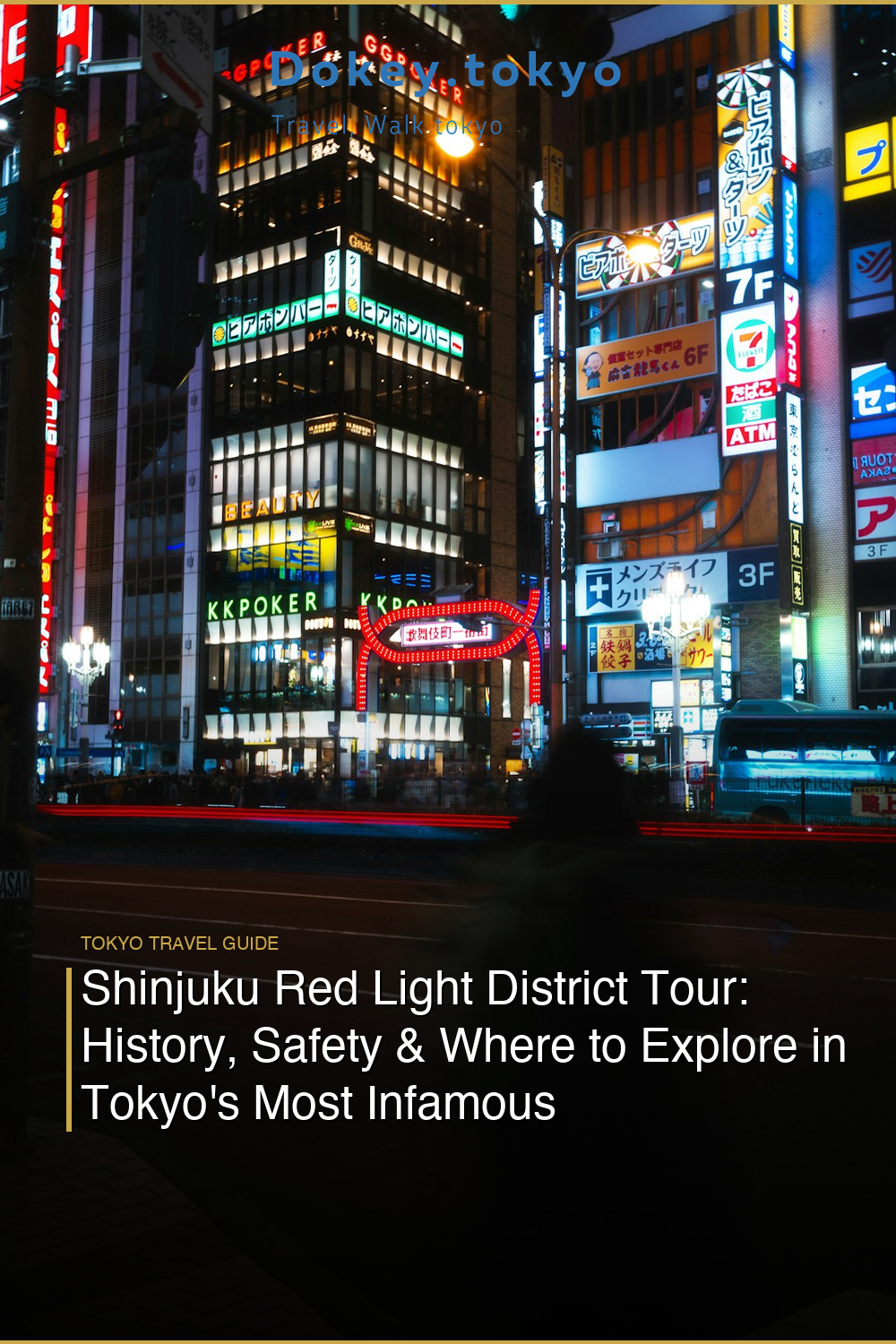
Shinjuku Red Light District Tour: History, Safety & Where to Explore
There’s a moment, somewhere between the blazing neon signs and the hypnotic hum of the city, when Shinjuku stops feeling like a neighborhood and starts feeling like a fever dream. Tokyo’s most electrifying district pulses with an energy that’s equal parts seductive and overwhelming — a living, breathing contradiction where ancient culture and modern excess collide under a canopy of glittering lights. Kabukicho, the heart of Shinjuku’s red light district, is one of Asia’s most famous entertainment zones, and whether you’re a curious traveler, a night owl, or a history enthusiast, it deserves a place on your Tokyo itinerary.
But here’s the truth most travel guides won’t tell you: Kabukicho is far more than its reputation. Yes, it’s Tokyo’s largest red light district. Yes, it’s loud, brash, and unapologetically bold. But it’s also a neighborhood with a rich postwar history, a thriving food scene, and a cultural complexity that rewards those willing to look beyond the neon surface.
A Brief History of Kabukicho: From Cultural Dream to Entertainment Empire
🗾 Tokyo Signature City Tour – Luxury →
🗾 Tokyo Signature City Tour – Luxury →
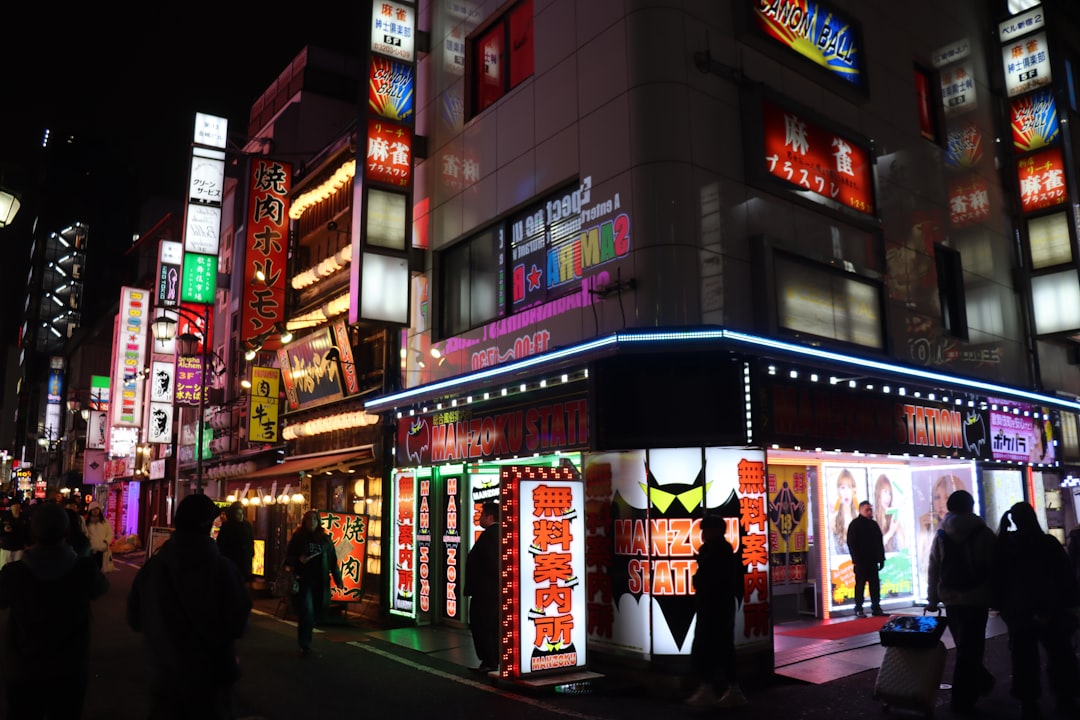
The story of Kabukicho begins not with vice, but with art. After World War II, the area north of Shinjuku Station was designated for reconstruction, and local businessman Suzuki Kichiemon envisioned building a kabuki theater at its center — hence the name “Kabukicho.” The theater was never built, but the name stuck, and in its place rose something far more complex: a sprawling entertainment district that would become synonymous with Tokyo’s nightlife.
Through the 1950s and 60s, yakuza influence shaped much of Kabukicho’s development, establishing the host clubs, hostess bars, and adult entertainment venues that still define parts of the neighborhood today. By the 1980s and 90s, Kabukicho had earned its reputation as Japan’s most notorious red light district, a place that operated in the gray zones of legality with remarkable brazenness.
Today, while the yakuza presence has significantly diminished thanks to aggressive law enforcement campaigns in the early 2000s, Kabukicho remains a fascinating time capsule of postwar Tokyo, reinventing itself with luxury hotels, robot restaurants, and international tourism while never fully abandoning its wild roots.
Must-See Attractions in Kabukicho and Shinjuku
🗾 Customized Private Tour – Must See →
🗾 Customized Private Tour – Must See →
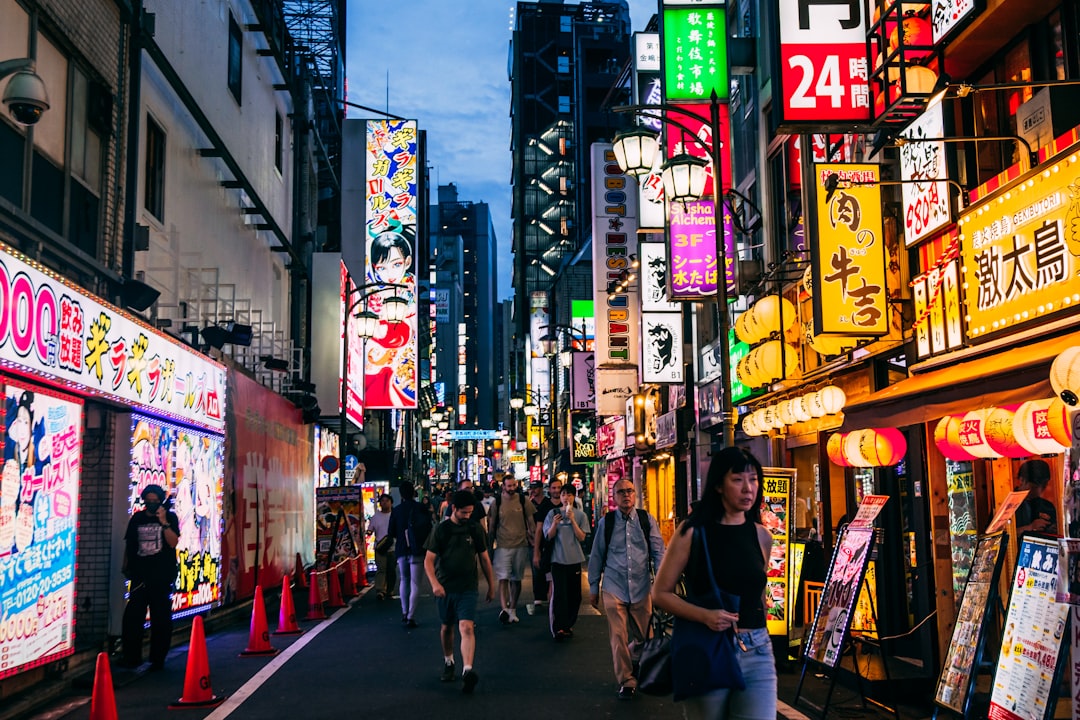
Kabukicho Ichibangai: The Famous Entrance Gate
No Shinjuku red light district tour is complete without walking through the iconic Kabukicho Ichibangai entrance gate. This towering arch marks the symbolic entry into the entertainment district and has appeared in countless films, anime series, and travel photographs. It’s the perfect starting point for your exploration — and the ideal photo opportunity before the neighborhood swallows you whole.
Golden Gai: A Village Frozen in Time
Just a short walk from the main Kabukicho strip lies Golden Gai, one of Tokyo’s most extraordinary hidden gems. This cluster of roughly 200 tiny bars, each barely large enough for a handful of customers, has survived urban development for nearly seven decades. Originally a black market area after the war, Golden Gai evolved into a bohemian enclave for artists, writers, filmmakers, and musicians.
Today, Golden Gai is a must-visit for any traveler curious about authentic Tokyo bar culture. Each bar has its own distinct personality — some cater to film buffs, others to jazz lovers, and a few welcome absolutely everyone. Don’t be intimidated by the cover charges (typically between 500–1000 yen); they’re part of the neighborhood’s charm and help keep the experience intimate.
Shinjuku Ni-chome: Tokyo’s LGBTQ+ Hub
A short distance from Kabukicho lies Ni-chome, one of Asia’s most vibrant LGBTQ+ neighborhoods. With over 300 bars and clubs packed into a few city blocks, Ni-chome represents a different side of Shinjuku’s nightlife — one built on inclusivity, community, and decades of resilience. Visiting Ni-chome offers travelers a window into a thriving subculture that’s as historically significant as it is joyfully alive.
Omoide Yokocho: Memory Lane
Ducking beneath the elevated train tracks on the west side of Shinjuku Station, you’ll find Omoide Yokocho — or “Memory Lane” — a narrow alley crammed with tiny yakitori stalls that have been grilling skewers since the 1940s. Smoke billows, lanterns glow amber, and the sound of sizzling meat fills the air. It’s touristy, yes, but for good reason. This is postwar Tokyo preserved in miniature, and the yakitori here is genuinely excellent.
Local Culture: Understanding the World Behind the Neon
🎫 Tokyo Cultural History Tours →
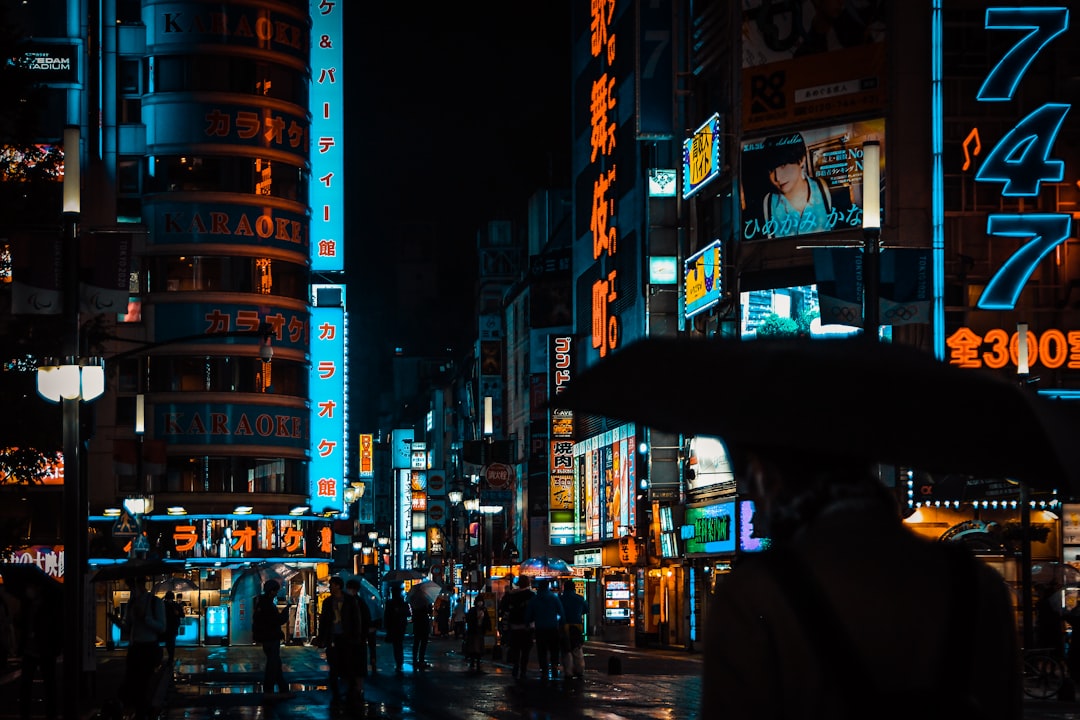
One of the most important things to understand about Kabukicho is that it operates according to its own social codes. Host clubs — establishments where young men are paid to pour drinks and provide companionship to female customers — are a uniquely Japanese phenomenon that has its roots firmly planted here. Similarly, hostess bars, kyabakura (cabaret clubs), and various adult entertainment venues operate openly and, largely, legally within Japan’s complex regulatory framework.
For travelers, these establishments are not typically accessible or intended for foreign visitors without local connections. Rather than attempting to enter, observe from the street and appreciate the elaborate costumes worn by host club workers, the elaborate signage advertising various venues, and the carefully choreographed theater of it all. Kabukicho isn’t performing for tourists — and that authenticity is precisely what makes it compelling.
Food & Drink: Eating and Drinking Your Way Through Shinjuku
🗾 Shinjuku Food Tour – Local Eateries →
🗾 Shinjuku Food Tour – Local Eateries →
Ramen at 3 AM
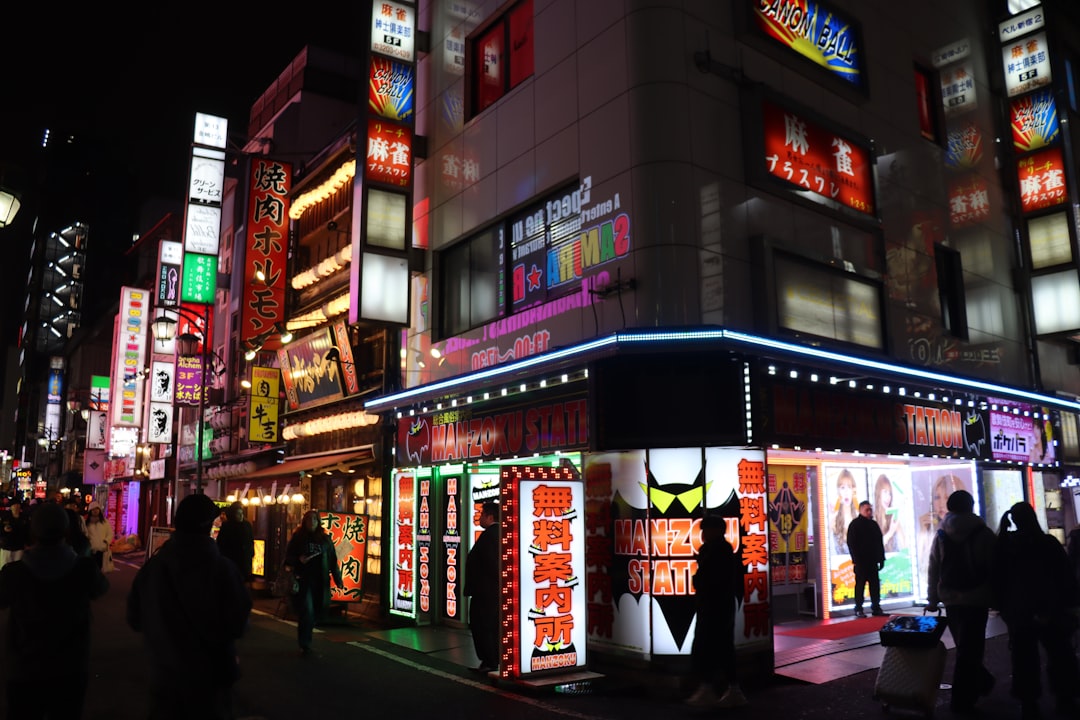
Shinjuku’s food scene is extraordinary, and the neighborhood’s nocturnal schedule means excellent food is available at almost any hour. The area around Kabukicho is dotted with ramen shops that stay open until the early hours, catering to club-goers, workers, and wandering travelers alike. If you want to deepen your ramen knowledge, check out our Ramen Tasting Tour Tokyo guide for the best neighborhoods and how to order like a local. In the meantime, look for Fuunji for their exceptional tsukemen (dipping ramen) or seek out any of the small, counter-style ramen shops along the side streets for an authentic late-night experience.
Izakayas and Craft Beer
Shinjuku’s izakayas — Japanese gastropubs — are perfect for easing into the neighborhood’s nocturnal rhythm. Order edamame, karaage chicken, and cold Sapporo beer while watching the neighborhood come alive around you. For craft beer enthusiasts, several bars near Kabukicho stock an impressive range of Japanese craft brews.
Convenience Store Culture
Never underestimate the power of a 7-Eleven or FamilyMart in Japan. Shinjuku’s convenience stores stock freshly made onigiri, hot oden, surprisingly decent sandwiches, and cold drinks — all available 24 hours. They’re a lifeline for budget travelers navigating a long night in the district.
Safety Tips for Exploring Shinjuku’s Red Light District
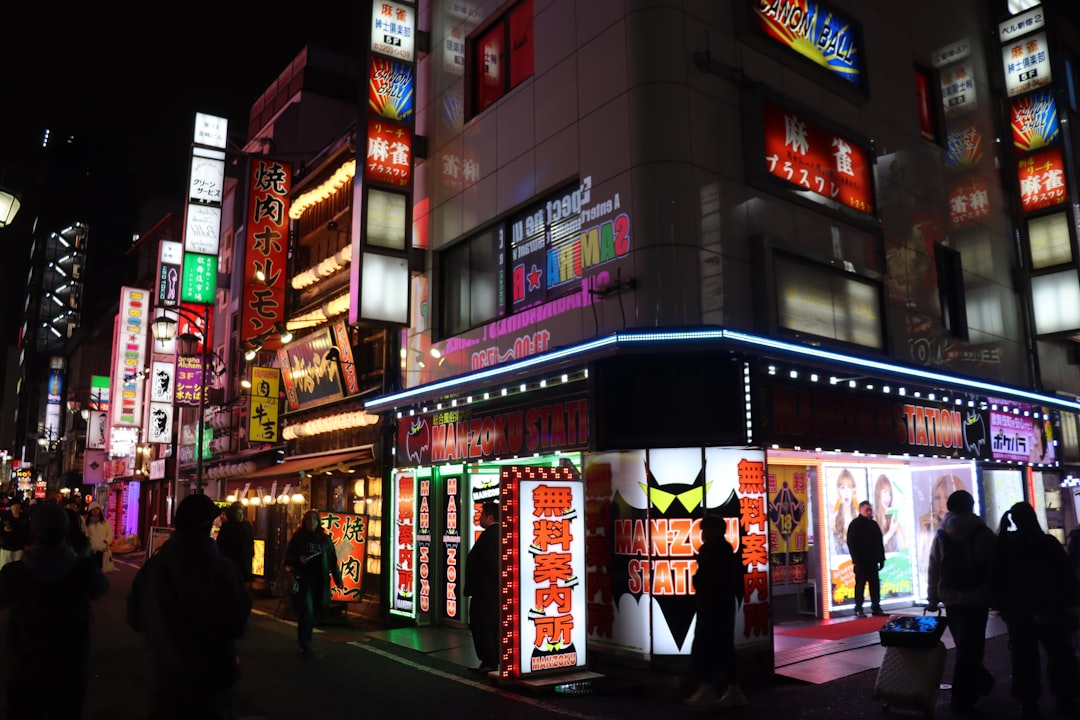
Kabukicho has a significantly safer reputation today than it did two or three decades ago, but smart travel habits remain essential.
Stick to well-lit streets. The main boulevards of Kabukicho are busy, well-lit, and generally safe for solo travelers and groups alike. Venture down darker side alleys with awareness, especially late at night.
Decline aggressive touts. Men stationed outside certain establishments may approach you with offers to enter various clubs. A firm but polite “no thank you” is always sufficient. Walking with purpose tends to reduce unwanted attention.
Protect your belongings. Like any busy urban entertainment district, petty theft can occur in crowded areas. Keep bags close and wallets in front pockets.
Know what you’re walking into. Some bars in the area charge significant entrance fees or operate on systems (like mandatory drink purchases) that can add up quickly. Always ask about pricing before sitting down.
Travel with a companion if possible. While solo travel through Kabukicho is perfectly manageable, exploring with a friend makes the experience more comfortable and more fun.
Best Time to Visit Kabukicho and Shinjuku
🎫 Tokyo Evening Entertainment Tours →
Kabukicho is fundamentally a nocturnal destination. While you can visit during the day for context and photography, the district genuinely comes alive after 8 PM and reaches peak energy between 10 PM and 2 AM. Weekend nights are the most vibrant but also the most crowded.
Seasonally, Tokyo is wonderful year-round, but spring (March–May) offers cherry blossoms in nearby Shinjuku Gyoen park to complement your Kabukicho adventure, while autumn (September–November) brings comfortable temperatures and stunning foliage. Summer can be intensely hot and humid, and the winter months, while cold, add a festive atmosphere to the neon-lit streets.
Practical Tips Before You Go
- Getting there: Shinjuku Station is one of Tokyo’s major transport hubs, served by the JR Yamanote Line, multiple subway lines, and the Odakyu and Keio lines. Kabukicho is a 5-minute walk from the east exit.
- Cash is king: Many bars and smaller establishments in Kabukicho and Golden Gai are cash-only. Visit an ATM before you head out for the evening.
- Translation apps: Download Google Translate with Japanese language packs for offline use. Many menus and signs in Kabukicho are in Japanese only.
- Respect local customs: Photography of people without consent is poor form anywhere, but especially in a neighborhood where discretion is a cultural value.
Embrace the Contradiction
Shinjuku’s red light district is not a destination for everyone — and that’s perfectly fine. But for travelers with open minds and a genuine curiosity about the full spectrum of urban life, Kabukicho offers an experience that is utterly unforgettable. It is, in equal measure, garish and beautiful, transgressive and deeply traditional, chaotic and strangely ordered.
Tokyo contains multitudes, and nowhere is that more apparent than in these glittering, buzzing streets after midnight. So lace up your most comfortable walking shoes, pocket some yen, and step through that iconic gate. Kabukicho is waiting — and it has been waiting, in one form or another, since the dreams of a postwar city first flickered to life beneath the neon lights.
Ready to experience Shinjuku for yourself? Start planning your Tokyo adventure today and discover why this extraordinary city continues to captivate travelers from every corner of the world.
Book Tours & Activities
🗾 Shinjuku Food Tour – Local Eateries →