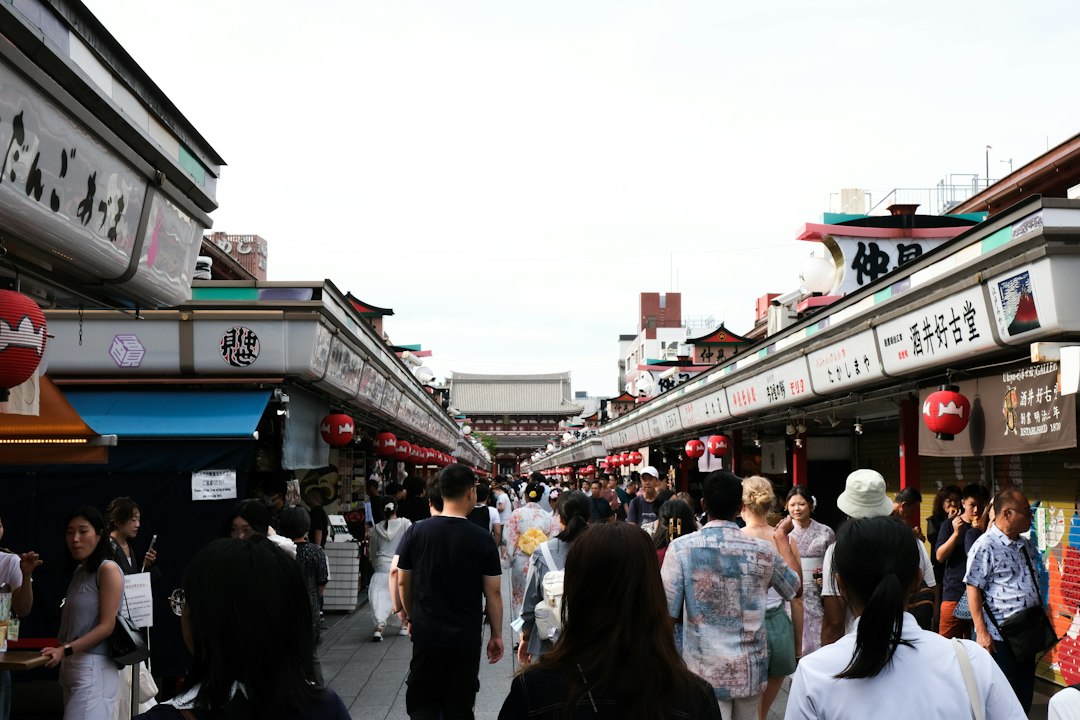
Nakamise Street is one of Tokyo’s most iconic approaches to a temple, a covered shopping arcade that leads from the Kaminarimon gate straight to the main hall of Senso-ji. Lined with stalls and small shops selling traditional sweets, savory snacks, and souvenirs, it has drawn visitors for centuries and remains one of the best places in the city to graze your way through classic Tokyo street food.
This guide covers what kinds of snacks to look for, how to eat respectfully, when to visit, and how to stitch the whole experience into a satisfying half-day in Asakusa.
Tokyo: Asakusa & Sensoji ー Oldest Temple Walking Tour (2hrs)
from $13 per person · ★5.0 (1,047 reviews) · 2h · Free cancellation up to 24h before
What Nakamise Street Is
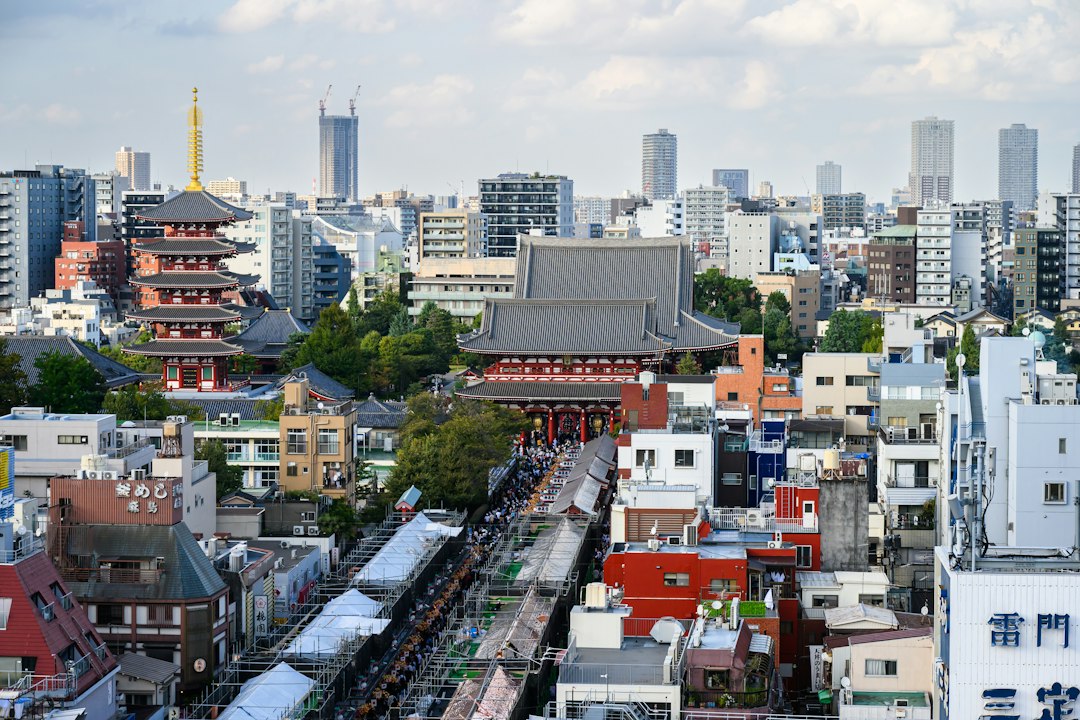
Nakamise is a roughly 250-metre pedestrian arcade connecting the Kaminarimon thunder gate to the inner gate of Senso-ji. Stalls and storefronts occupy both sides of the main strip, selling a mix of traditional confectionery, snacks made fresh on-site, and souvenir goods. The street has roots going back to the Edo period, when locals were granted trading rights in the area around the temple, giving it a commercial character that is inseparable from the pilgrimage experience itself.
Beyond the main arcade, narrower covered side streets branch off to either side, and Denboin-dori — a parallel street to the north of the main approach — tends to be quieter and is worth exploring for additional food stalls and a slightly different atmosphere. Together, these streets form a compact food and shopping district that most visitors can cover on foot in an unhurried morning or afternoon.
Getting to Nakamise
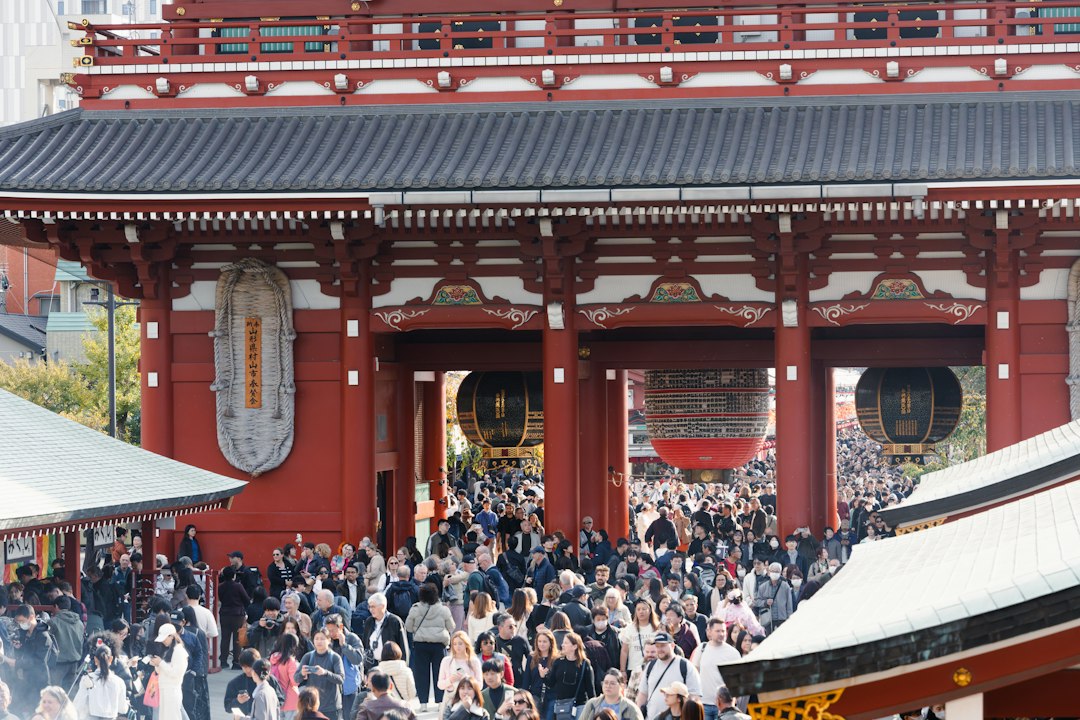
The most straightforward approach is via Asakusa Station, served by several subway and railway lines. From the station, Kaminarimon gate and the start of Nakamise Street are a short walk away and are well signposted. The gate itself — with its enormous red lantern — is easy to spot and serves as a natural starting point for the walk toward the temple.
Alternatively, the area is reachable by the Tokyo Skytree-side riverbank if you are combining Asakusa with a visit to Skytree or arriving by water bus along the Sumida River, which adds a scenic dimension to the approach.
What to Try on the Walk

Ningyo-yaki
These small molded cakes, baked in the shapes of figures such as lanterns, pigeons, and temple gates, are one of Nakamise’s signature sweets. They are typically filled with sweet red bean paste and sold warm. Watch for stalls where the batter is poured into iron molds and cooked in front of you.
Senbei rice crackers
Freshly grilled senbei are another Nakamise staple. Made from rice and seasoned with soy sauce or other flavors, they are often brushed and flipped over a small grill just before serving. The smell alone tends to draw passersby in.
Melon pan
A beloved Japanese bakery item, melon pan is a soft bread roll with a crisp, sugary cookie crust. It does not necessarily taste of melon — the name refers to the shape, which resembles the skin of a cantaloupe. Hot from the oven versions are worth seeking out.
Skewers and savory snacks
Various stalls offer skewered items — grilled dumplings, fish cakes, and similar small bites that work well as you walk. These tend to be more filling than the sweets and are a good choice if you want something savory mid-walk.
Mochi and wagashi
Traditional Japanese sweets made from glutinous rice or bean paste appear in several forms along the street and in the side lanes. Mochi filled with seasonal flavors, as well as more elaborate wagashi confectionery, are common. Some are eaten immediately; others are packaged as gifts or omiyage to take home.
Etiquette and Crowd Tips
Eating while walking
In Japan, eating while walking is generally considered impolite, and Nakamise is no exception. The practical approach most vendors expect and appreciate is to step to the side near the stall, finish your snack there, and dispose of any packaging in the bin the vendor provides before moving on. Carrying your rubbish rather than leaving it on a ledge or the floor is standard practice throughout Tokyo.
Timing your visit
Nakamise can become very crowded, particularly on weekends, public holidays, and during major seasonal periods such as the new year, cherry blossom season, and autumn. Weekday mornings tend to be noticeably quieter and are generally a better time for a relaxed food walk. Arriving closer to when stalls open rather than at peak afternoon hours also helps. If crowds are unavoidable, the Denboin-dori side street and the lanes flanking the main arcade tend to be less congested than Nakamise itself.
Payments
Many stalls on Nakamise operate on a cash-only basis, so carrying some yen before you arrive is advisable. Check with individual vendors about card acceptance, as this varies and can change.
Asakusa Senso-ji Temple and Old Tokyo Walking Tour
from $24 per person · ★4.9 (1,166 reviews) · 2h · Free cancellation up to 24h before
Guided Food Walk vs. Going It Alone
Nakamise is easy to navigate independently — the street is linear, the food is visible, and there is no admission fee to enter. Going solo gives you full flexibility over pace and what you choose to eat, and is a perfectly satisfying way to spend a morning.
That said, a guided tour adds context that is difficult to pick up on your own: the history behind specific snacks, the customs associated with the temple approach, and local knowledge about which side streets are worth turning into. The three tour options on this page cover different angles of Asakusa. A short Asakusa and Senso-ji temple walking tour is well suited to travelers who want historical and cultural context alongside the walk. A Senso-ji and old Tokyo walking tour covers similar ground with a broader lens on the neighborhood. For travelers specifically focused on eating, the street food crawl with seven or more local bites is designed around sampling, with a guide leading the food choices — a good fit if you want to try more in less time and with less guesswork. Check the tour page for current availability, what each option includes, and cancellation terms before booking, since policies vary and some options may be non-refundable.
How to Book Tickets
All three tours can be booked through the Viator cards on this page. Weekend slots fill quickly, particularly during busy seasons, so booking ahead rather than leaving it to the day before is advisable. Check the tour page for up-to-date schedules, group sizes, meeting points, and any specific requirements for each option.
A Half-Day Sample Plan
A half-day built around Nakamise works well in either a morning or an afternoon slot, though morning tends to suit the food walk better before the main crowds arrive.
- Start at Kaminarimon: Pause at the gate for the classic view of the lantern and the street ahead before the stalls get busy.
- Work your way up Nakamise: Take your time on both sides of the arcade. Stop for senbei near a grill stall, pick up ningyo-yaki warm from the mold, and browse the souvenir shops if that interests you. Eat near the stall and pocket any rubbish.
- Detour onto Denboin-dori: Before reaching the inner gate, branch off onto Denboin-dori for a quieter stretch of additional snack stalls and a different pace.
- Visit Senso-ji: Continue through the Hozomon gate into the temple precinct. Check the official site for any entry requirements or festival events that might affect your visit.
- Explore the grounds: The five-storey pagoda, the incense cauldron, and the smaller shrines within the complex all reward a slow walk. The surrounding Asakusa neighborhood — with its rickshaws, traditional craft shops, and the nearby Sumida River — extends the half-day comfortably if you want to keep exploring.
By late morning or early afternoon, you will have covered the food walk, the temple, and enough of the neighborhood to feel well oriented. It is a compact, walkable area where the food and the history sit side by side, which is exactly what makes Nakamise worth building time around.
Asakusa Highlights: Street Food Crawl Tour (7+ Local Bites)
from $74 per person · ★5.0 (298 reviews) · 2h · Free cancellation up to 24h before
Disclosure: some links on this page are affiliate links. If you book through them, dokey.tokyo may earn a small commission at no extra cost to you.