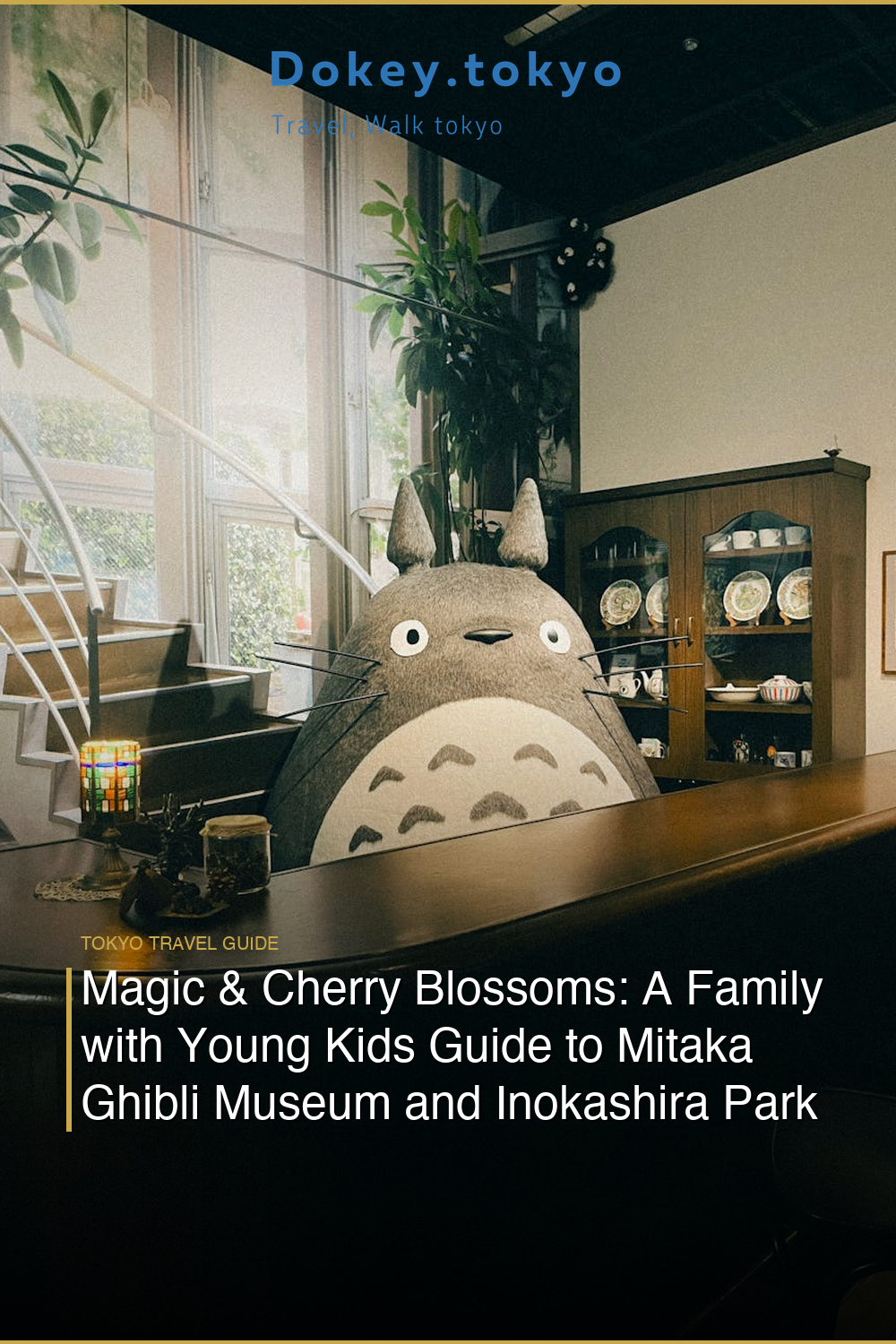
If you’ve ever watched your three-year-old’s eyes go wide during My Neighbor Totoro and thought, ‘I need to take them there’ — this day trip is the one. Combining the Mitaka Ghibli Museum with a lazy afternoon at Inokashira Park is, in my honest opinion, the single best day you can engineer in Tokyo when you’re traveling with little ones. It’s not overstimulating like Akihabara. It’s not exhausting like Shibuya. It’s green, magical, walkable, and paced perfectly for short legs and shorter attention spans.
The first time I arrived at Mitaka Station on a bright October Tuesday, my daughter grabbed my hand so hard her knuckles went white. She’d spotted the giant Totoro cutout through the ticket gates and let out a sound I can only describe as a controlled scream — the kind kids make when joy becomes physically too large for their bodies. The air smelled faintly of grilled corn from a vendor outside the south exit, and the morning light was still soft and golden through the zelkova trees lining the street. That moment alone was worth the eighteen-hour flight.
Planning Your Day: The Golden Rule of Ghibli Tickets
🎫 Book on Klook: Ghibli Museum ticket (Mitaka) →
Let me be extremely direct with you, parent to parent: if you don’t have your Ghibli Museum tickets before you land in Japan, you may not get in. Tickets are released monthly on the 10th (Japan Standard Time) through Lawson convenience stores’ Loppi terminals or via the overseas ticket portal at l-tike.com. They sell out within minutes for peak dates.
How to Actually Get Tickets
For overseas visitors, the easiest path is booking through authorized travel agents like JTB or Klook — they hold a small allocation. Set a phone alarm for the release date and refresh obsessively. I’ve personally had success at 10:02 a.m. JST with two browser tabs open simultaneously. Tickets come in four daily time slots: 10:00, 12:00, 14:00, and 16:00. With kids under five, I strongly recommend the 10:00 slot. Morning temperament is everything when you’re four years old.
How to Get There from Central Tokyo
From Shinjuku, take the JR Chuo Line to Mitaka Station — it’s about 25 minutes and covered by your IC card (Suica or Pasmo). At the south exit, you have two options: walk through Inokashira Park (about 15 minutes, lovely but can be muddy after rain) or take the Ghibli Museum’s official Cat Bus shuttle — a real, decorated bus that kids absolutely lose their minds over. It runs every few minutes and costs ¥210 each way for adults; children under elementary school age ride free.
Inside the Ghibli Museum: What to Do First
Start with the Saturn Theater — Before the Line Forms
The museum’s Saturn Theater plays an exclusive short film you cannot see anywhere else on earth. There’s only one showing at a time, and the line builds fast. Head here immediately after entering. The short films rotate seasonally, and they’re genuinely beautiful — not just for kids. My son, who was five at the time and barely knew Ghibli, sat in complete silence for twelve minutes, which if you have a five-year-old boy you understand is nothing short of miraculous.
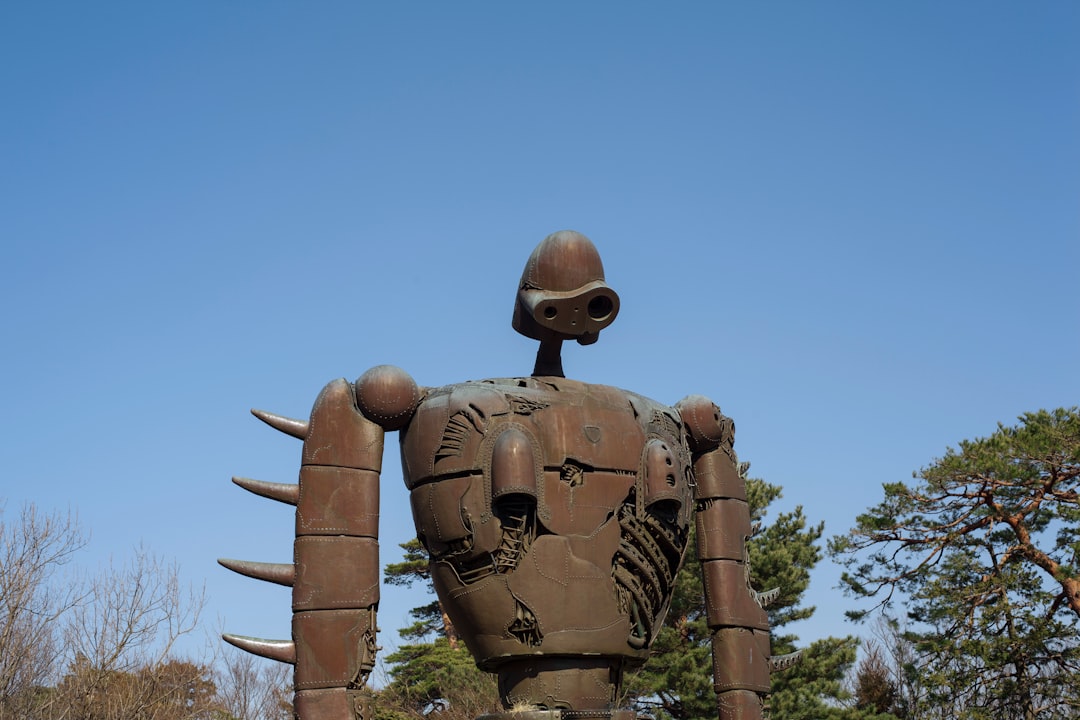
The Rooftop Robot Soldier
The giant robot soldier from Castle in the Sky standing on the rooftop terrace is the photo moment every parent is hunting for. Go up before 11:00 a.m. to avoid the thickest crowds. The light is also dramatically better in the morning — you’ll get that warm, hazy, Miyazaki-esque glow without fighting a dozen other families for the shot.
The Children’s Cave — Your Secret Weapon
Here’s the tip that genuinely changed our visit: in the basement level, there’s a small children’s crawl-through cave area that most parents overlook because it’s tucked behind a corridor near the gift area. My daughter spent forty-five minutes in there while I sat on a bench and ate a cream puff from the Straw Hat Café in peace. Ask a staff member — they’ll point you right to it, and they seem genuinely delighted when parents discover it.
The Straw Hat Café: Lunch Inside the Museum
The in-museum café serves rotating seasonal dishes inspired loosely by Ghibli aesthetics — think hearty stews, simple rice plates, and gorgeous desserts. The menu changes, but I’ve eaten the pork belly rice bowl and the seasonal fruit tart on different visits, and both were far better than you’d expect from a museum café. Note: the café requires a separate reservation made at the entrance on arrival day, and it fills up fast. Rush here the moment you enter if lunch timing matters to you. Kids’ portions exist but aren’t formally listed — just ask the staff warmly and they’ll accommodate.
Inokashira Park: The Perfect Afternoon Reset
After the intensity of the museum, Inokashira Park is a 15-minute walk back toward the station through quiet residential streets — or a short shuttle ride. And honestly? The park might be the part your kids remember most.
The Rowboat Lake
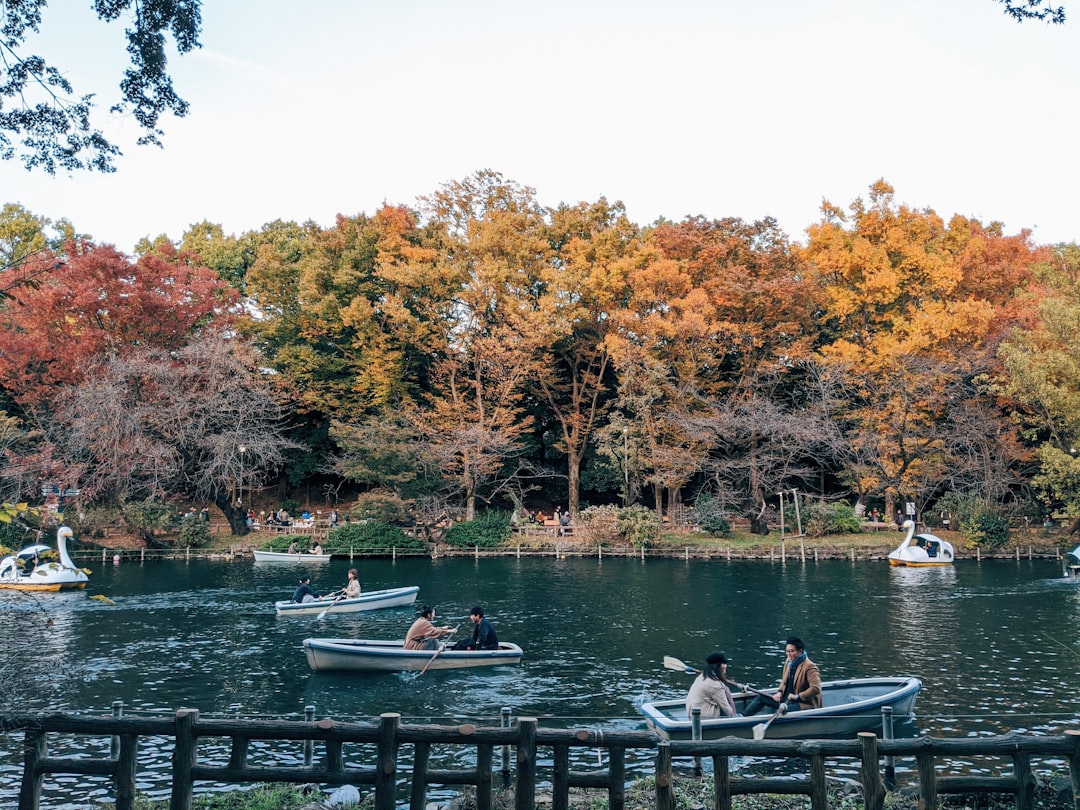
Renting a rowboat on Inokashira Pond is one of Tokyo’s most underrated family activities. Swan-shaped paddle boats are available for families — they run about ¥700 for 30 minutes. My kids fought over who got to pedal, then immediately refused to pedal, then got distracted by the ducks. Standard. The pond is shallow and calm, surrounded by old cherry trees (absolutely overwhelming in late March to early April), and the whole scene feels plucked from a Studio Ghibli background painting — which is, frankly, not a coincidence.
The Small Zoo: Inokashira Shizen Bunka-en
Connected to the park is a small, remarkably uncrowded zoo and botanical garden. Admission is just ¥400 for adults; under-12 is free. It’s tiny by international standards, but that’s the point — it’s gentle, not overwhelming, with a focus on native Japanese animals including a lovely aging elephant named Hanako, who passed away in 2016 but whose enclosure is now a touching memorial. Toddlers especially respond well to the scale here — nothing is too loud or too much.
Food Around the Park: Kichijoji is Right There
Inokashira Park sits at the edge of Kichijoji, one of Tokyo’s most beloved neighborhoods and consistently voted the most desirable place to live in the city. For families, the north exit of Kichijoji Station opens into a labyrinth of covered shotengai (shopping arcades) packed with options. Satou is famous for its melt-in-your-mouth menchi katsu (deep-fried minced beef croquettes) sold fresh from a window on the street — they’re hot, crispy, and cost about ¥200 each. My kids ate three between them standing on the sidewalk while I ate mine over a bin like a completely unself-conscious tourist. No regrets.
Practical Tips Filtered for Families
- Stroller navigation: The Ghibli Museum has narrow, whimsical staircases — it’s not fully stroller-friendly inside. A soft carrier or leaving the stroller at the entrance storage area works best.
- Nap timing: If your child still naps, schedule the park time to overlap. The grassy areas near the pond are perfect for a blanket-down moment.
- Rain day plan: Both the museum and Kichijoji’s covered arcades handle rain beautifully. A light rain actually makes the park more atmospheric and less crowded.
- Best season: Late March for cherry blossoms, mid-November for autumn foliage. Avoid the first week of Golden Week (late April–early May) — it’s Japan’s busiest travel period and ticket scarcity multiplies.
- Budget estimate: Museum tickets ~¥1,000/adult, ¥700/child (ages 4–12), under 4 free. Shuttle ~¥210 each way. Boats ~¥700. Zoo ~¥400/adult. Food ~¥2,000–3,000 per adult. Full day for a family of four: approximately ¥10,000–15,000 (~$65–100 USD).
The Moment I’ll Never Stop Talking About
On our last visit, we stayed in the park until the early evening. The autumn light had turned everything amber and copper, and my daughter, who was six by then, found a single red maple leaf on the path near the pond and held it up to the setting sun to look through it. She turned to me and said, in complete seriousness, ‘Mama, this is what Totoro’s forest looks like.’ I didn’t take a photo. I just watched her. The smell of grilled sweet potato from a nearby vendor cart drifted over, and somewhere behind us a street musician was playing acoustic guitar — something slow and Japanese I didn’t recognize. That specific intersection of light, smell, and sound is burned into me in a way no photograph could replicate.
Final Thoughts: Should You Do Both in One Day?
Absolutely yes — but only if you keep the pace gentle. The magic of this particular day trip is that it never rushes you. The museum is small enough to feel intimate rather than exhausting. The park is large enough to let kids run without losing them. And Kichijoji rewards the curious parent who wanders while the kids are distracted by ducks.
Book your Ghibli tickets the moment you finish reading this. Seriously. Close this tab, open Klook, and do it now. The rest of the day will take care of itself beautifully.
Ready to experience it?