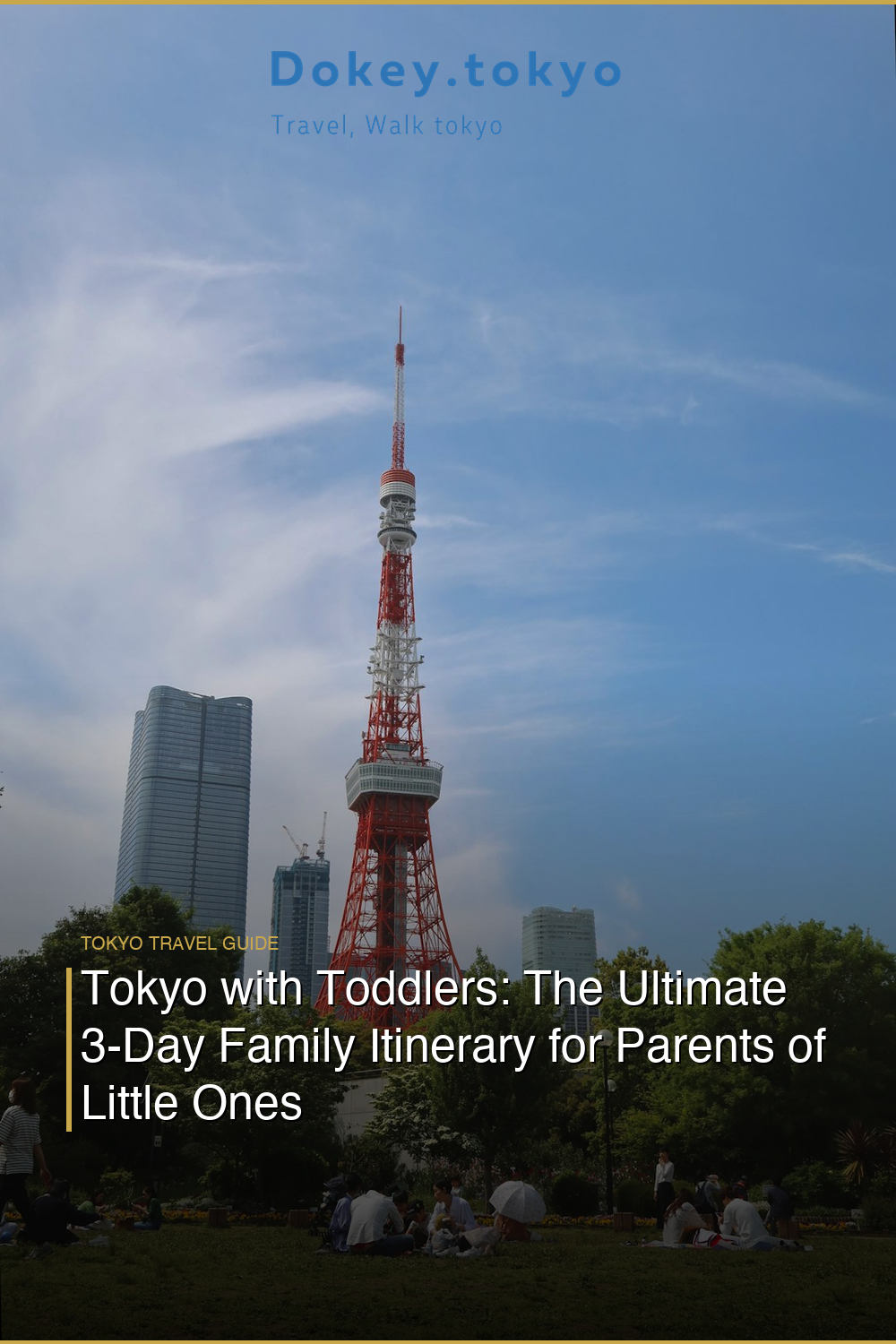
Let me be honest with you: I was terrified the first time I brought my two-year-old to Tokyo. Friends warned me about the crowds, the subway stairs, the relentless stimulation. What I discovered instead was one of the most surprisingly toddler-welcoming cities on the planet — clean, safe, packed with sensory wonder, and stocked with more kid-friendly conveniences than most Western capitals I’ve visited. If you plan smartly, Tokyo with toddlers isn’t just survivable. It’s genuinely magical.
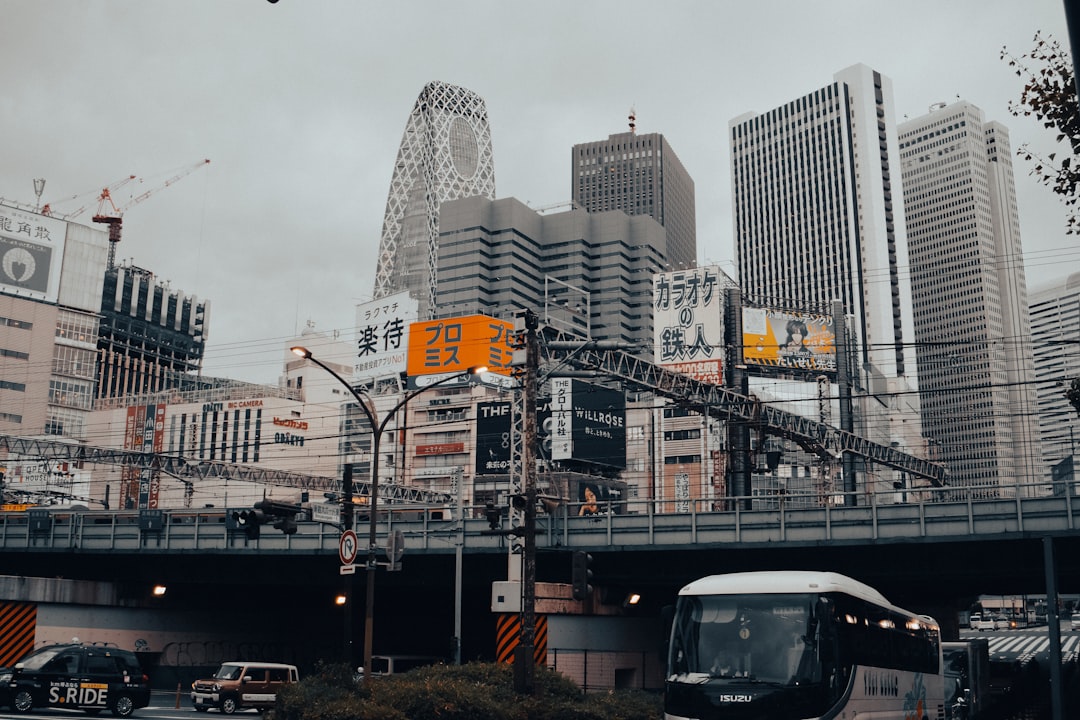
I still remember stepping out of Shinjuku Station for the first time with my daughter strapped to my chest in the carrier, the warm rush of takoyaki-scented air hitting us from a street stall, and her tiny hand immediately shooting out toward the neon lights like she wanted to grab one. The early evening hum of the city — the recorded jingles from convenience stores, the soft chime of a pedestrian crossing — made her go wide-eyed and silent in the best possible way. That moment told me everything: Tokyo was going to deliver.
Before You Go: Toddler-Specific Prep That Will Save Your Trip
The difference between a chaotic Tokyo family trip and a smooth one comes down to logistics. Here’s what parents of toddlers aged 1–4 need to sort before departure.
Stroller Reality Check
Bring a lightweight, compact umbrella stroller — not your chunky travel system. Many Tokyo subway stations have elevators, but they’re not always obvious, and some older station exits still require stairs. The IC Suica card works for the whole family and eliminates fumbling with tickets while holding a squirming toddler. Download the Google Maps transit directions offline and always search for the elevator exit (エレベーター出口).
Nap Logistics Are Your Secret Weapon
Plan one “big outing” per morning (9am–noon), then build in a midday rest window of 1–2 hours. Most toddlers will fall asleep in the stroller or carrier on the subway — lean into this. Some of my best adult moments in Tokyo happened while my daughter napped and I sat in a quiet Doutor coffee shop nursing a canned latte, just watching the city move.
Pack the Konbini Into Your Strategy
Seven-Eleven, FamilyMart, and Lawson are your best friends. Warm onigiri (rice balls) at ¥130–¥180, steamed edamame snack packs, baby-friendly banana milk, and even diapers are stocked 24/7. Forget packing a week’s worth of snacks — Japan’s convenience stores will feed your toddler better than most airport restaurants.
Day 1: Ueno Park, Panda Fever & Asakusa
Morning: Ueno Zoo (9am–12pm)
Start your Tokyo toddler adventure at Ueno Zoo, Japan’s oldest zoo and one of the most stroller-navigable attractions in the city. The flat, wide paths are genuinely pram-friendly, and the giant panda enclosure — home to twin cubs born in 2021 — is worth arriving at opening time to beat the queue. Toddlers go absolutely feral for the gorillas and the petting corner with small animals. Budget ¥600 per adult; children under elementary school age are free. For a full family day at this location, see our guide to the Perfect Ueno Zoo and Museum Day.
Afternoon: Asakusa & Sensō-ji (2pm–5pm)
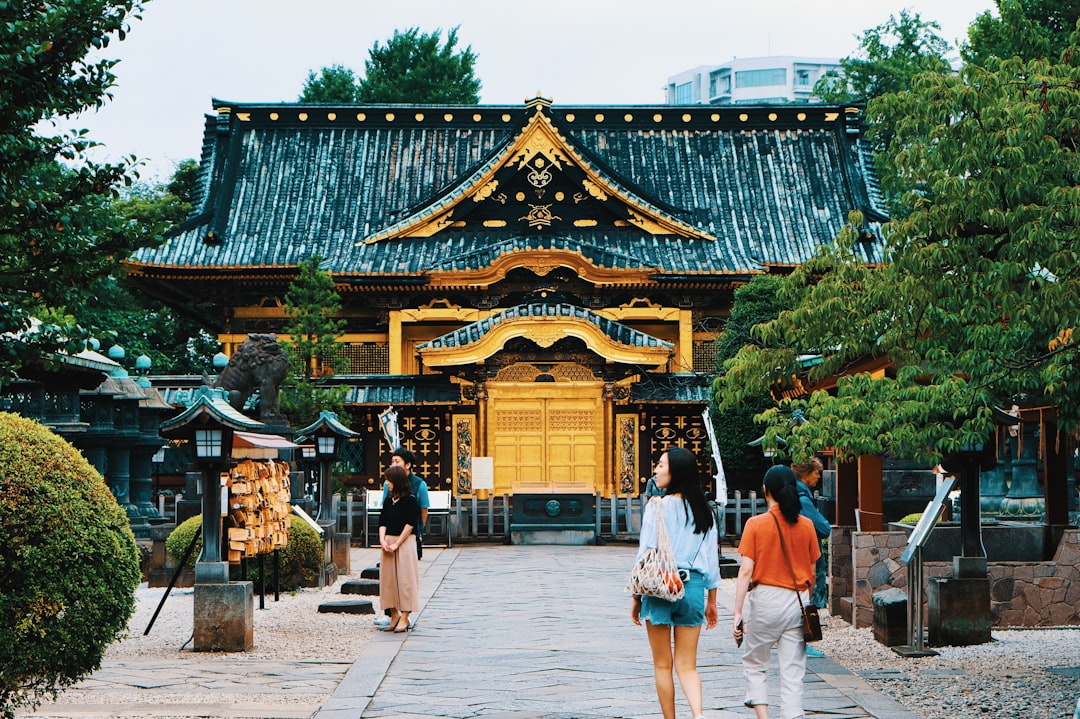
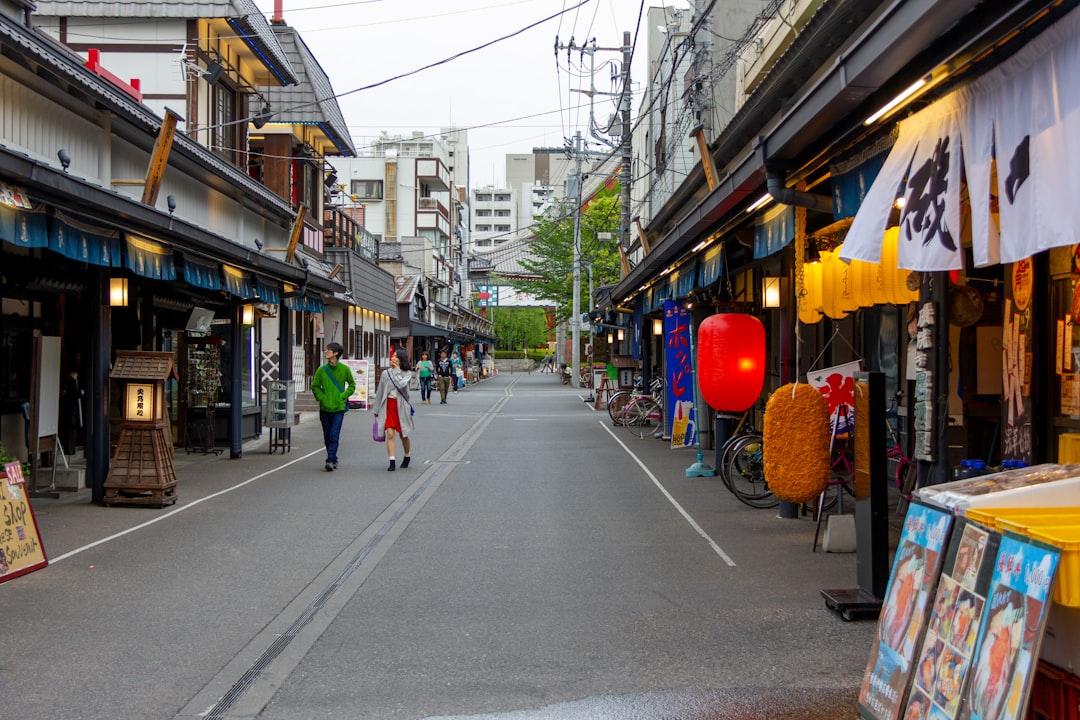
After lunch and nap time, head to Asakusa via the Ginza Line (one stop from Ueno). Sensō-ji temple is one of those places that works on every level for tiny humans: the giant red lantern at Kaminarimon Gate is a toddler Instagram moment before Instagram was a thing, the incense smoke is dramatic and sensory without being overwhelming, and Nakamise shopping street is lined with stalls selling ningyo-yaki (little sponge cakes shaped like pigeons and lanterns) that small hands can grip and eat without catastrophe.
One vendor on Nakamise — an older woman in a blue apron near the middle of the street — once handed my daughter a free sample of ningyo-yaki without me even asking, then looked at me and said in careful English, “She has good eyes.” I bought six boxes. That kind of gentle, child-forward warmth is something I’ve experienced consistently across Tokyo, and it completely changed how I felt about navigating the city with a toddler.
Dinner: Asakusa Imahan or a Family Izakaya
If your budget allows, Asakusa Imahan does a set sukiyaki that little ones can eat (the thinly sliced beef and soft tofu are ideal toddler textures). Otherwise, any mid-range izakaya with picture menus will work — point at karaage (fried chicken), edamame, and udon, and you’re set.
Day 2: Odaiba Waterfront & TeamLab Borderless
Morning: Odaiba Seaside Park (9am–11am)
Odaiba is one of Tokyo’s most stroller-friendly districts, full stop. Wide promenades, views of Rainbow Bridge, and a replica Statue of Liberty that toddlers find inexplicably hilarious. The Aqua City mall has a clean, spacious nursing room with private feeding pods — one of the best I’ve used in any country — so this is a good base for the morning.
Afternoon: TeamLab Planets (1pm–4pm)
I need to be direct here: TeamLab Borderless has moved to Azabudai Hills, but TeamLab Planets in Toyosu remains the better choice for toddlers. It’s shorter, more manageable (90 minutes is perfect), and the infinity mirror rooms and floating flower projections create genuine wonder on a small child’s face that I cannot adequately describe in words. You walk barefoot through shallow water in one room — my daughter refused to leave. She kept splashing and laughing while the koi projections swam around her ankles. Tickets must be booked in advance at ¥3,200 per adult; under 3 is free.
Evening: Toyosu Fish Market Area
Right next to TeamLab Planets, the Toyosu area has several casual seafood restaurants where you can try fresh tuna don (tuna rice bowls) at reasonable prices. Toddlers eat plain rice and whatever they swipe off your bowl.
Day 3: Shinjuku Gyoen, Harajuku & A Slow Afternoon
Morning: Shinjuku Gyoen National Garden (9am–12pm)
This is your exhale day. Shinjuku Gyoen is a vast, beautifully maintained garden with wide lawns where toddlers can simply run without you apologizing to anyone. Bring a picnic blanket and the world’s best convenience store haul — onigiri, fruit cups, tamagoyaki egg rolls from any nearby 7-Eleven — and sit under a plane tree while your child rolls around in Japanese grass. Admission is ¥500 per adult; children are free.
Afternoon: Harajuku’s Takeshita Street vs. Omotesandō (Choose Your Vibe)
Takeshita Street is chaotic and narrow — stroller-hostile but visually wild for older toddlers who can walk independently and handle sensory overload. Omotesandō, the wide tree-lined boulevard one block south, is elegant, stroller-smooth, and has a Kiddy Land toy store on a side street that is essentially a toddler’s fever dream. We spent 45 minutes in there watching my daughter systematically remove every Snoopy plush from a shelf.
Late Afternoon: The Moment That Stayed With Me
On my last visit, it was around 4:30pm on a Day 3 just like this one. We’d wandered off Omotesandō into a narrow residential back lane, and we found a tiny unattended flower stand — the kind where you leave coins in a tin. My daughter picked up a single yellow gerbera daisy, held it up to the late October light filtering through the maple trees, and just stood there staring at it with the focused, reverent concentration that only toddlers possess. The whole lane smelled of damp stone and chrysanthemums. I paid ¥100 into the tin and she carried that flower all the way back to the hotel, convinced it was the most important object in Tokyo. She wasn’t wrong.
Practical Tips for the Whole Trip
Getting Around
- IC Suica card: Load ¥3,000–¥5,000 at the start; tap in and out of every subway and bus.
- Taxis as backup: Tokyo taxis are expensive (¥700+ flag fall) but spotlessly clean and will fit a folded stroller easily. Use for overtired meltdown emergencies.
- Baby carrier: Alternate with the stroller. Narrow temple paths and some restaurant entries require it.
Feeding Toddlers in Tokyo
- Udon, ramen (ask for low-sodium broths), gyoza, edamame, karaage, steamed rice, tamagoyaki — Japanese food is remarkably toddler-compatible.
- Family restaurants like Gusto and Saizeriya have high chairs, picture menus, and call buttons. Zero judgment, total comfort.
Best Time to Visit
- April (cherry blossom season): Magical but crowded — book accommodation 6 months ahead. Consider Yoyogi Park for a cherry blossom picnic with young kids.
- October–November: My personal recommendation for families. Mild temperatures (18–24°C), autumn colours, and manageable crowds. Perfect for outdoor toddler time without heat exhaustion.
- Avoid July–August: The humidity and heat are brutal for small children and will drain every adult in your party by noon.
A Note on Tokyo’s Toddler-Friendliness
Department stores (depatos) have dedicated family restrooms on almost every floor with changing tables, toddler toilets, and nursing corners. Convenience stores keep diapers in stock. Locals are unfailingly kind to struggling parents on subway stairs — I’ve had strangers wordlessly grab one end of my stroller and help me up a flight without being asked, every single time. Tokyo doesn’t just tolerate families with small children. It quietly, consistently makes space for them.
Book the trip. Your toddler will remember nothing specific. You will remember everything.
Ready to experience it?