If you’ve ever tried to drag a six-year-old through a quiet art gallery while they’re vibrating with the need to touch everything and run everywhere, you already know that most ‘cultural’ days in Tokyo require serious strategic planning. Ueno is different. This one neighborhood in northeastern Tokyo somehow fits a giant zoo, the Tokyo National Museum, a science museum, a natural history museum, and a sprawling park full of food stalls and lotus ponds into an area you can walk across in twenty minutes. For families with kids between roughly three and ten years old, it’s not just convenient — it’s genuinely magical in a way that earns you the title of ‘best parent ever’ by lunchtime.
I still remember the first time I arrived at Ueno Station with a backpack full of emergency snacks and a four-year-old on my hip. The moment we stepped out of the JR exit and hit the park path, the smell hit me first — grilled meat from a yatai cart drifting through cool morning air, mixed with something floral I couldn’t quite name. My daughter immediately pointed at a pigeon the size of a small dog and forgot entirely that she’d been complaining about her shoes for the last twenty minutes on the Yamanote Line. That’s Ueno’s first magic trick: it disarms even the crankiest small traveler before you’ve spent a single yen.
Start With the Zoo — Before the Crowds Arrive
🎫 Book: Ueno Zoo Tokyo tickets and tours →
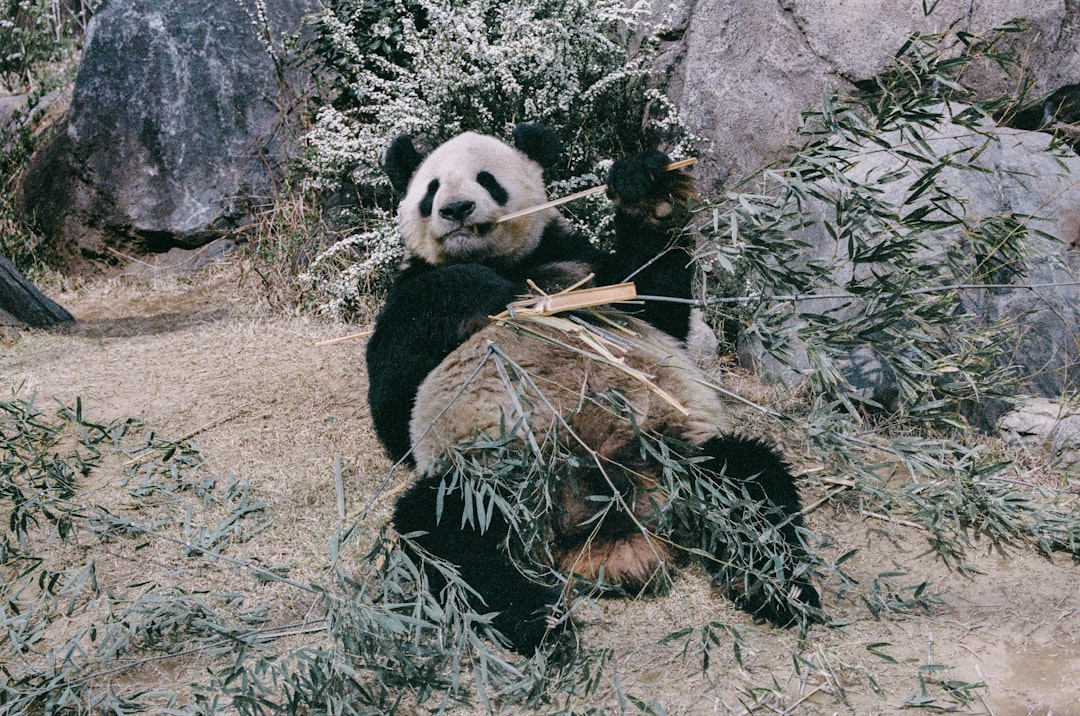
Ueno Zoo (officially Tokyo Zoological Park) opens at 9:30 a.m., and I cannot stress this enough: get there at opening time. By 11 a.m. on a weekend, the giant panda viewing area has queues that make Disneyland look relaxed. The pandas — currently Xiang Xiang and the twin cubs — are the undisputed stars, and kids completely lose their minds over them in the best possible way.
But here’s what most first-time visitors miss: the East Garden section, connected to the main zoo by a small monorail (kids adore the monorail more than the animals, honestly), houses the gorillas, pygmy hippos, and a gorgeous Japanese garden pond. The gorilla enclosure is enormous and the silverback male tends to pace near the glass in the morning, which produces a level of wide-eyed silence in toddlers that no screen has ever achieved.
Practical zoo tips for families:
– Admission is ¥600 for adults, free for under-13s (Tokyo residents under 12 are also free) — one of the best value deals in Tokyo
– Rent a stroller at the main gate if you have a child under three — the zoo paths are long
– The zoo café near the west entrance does a decent katsu sandwich and kids’ bento boxes, but bring your own drinks; the vending machines add up fast
– Allocate at least two hours, three if your kids need multiple panda viewings (they always need multiple panda viewings)
The Hidden Petting Area Most Families Skip
Tucked near the Children’s Zoo section is a small domestic animal contact area where kids can actually touch rabbits and guinea pigs under staff supervision. A zoo keeper named Tanaka-san (or at least that’s who was working the day I visited) showed my daughter how to hold a rabbit flat against her chest so it felt safe. She talked about that rabbit for the rest of the trip — not the pandas, the rabbit. Ask at the information board near the main gate for the daily petting schedule because it runs at specific times and fills up fast.
Cross the Park to the Tokyo National Museum
🗾 Book: Art museum admission with special exhibi →
🗾 Book: Cultural history museums near Asakusa ar →
🎫 Book: Tokyo museums family art history →
Once the zoo energy has been spent, cross Ueno Park on foot — let the kids splash their hands in the fountain near the central path — and head to the Tokyo National Museum (TNM). Now, I know what you’re thinking. A museum full of ancient samurai armor and Edo-period scrolls sounds like a recipe for a child-induced disaster. But the TNM’s main Honkan building has an entire dedicated room of actual samurai armor and helmets displayed at eye level, and watching a five-year-old stand jaw-dropped in front of a 16th-century kabuto helmet worn by a real warrior is something I want every parent to experience.
The key is being selective. Don’t attempt every building — the Honkan main hall alone is enough for a family visit, and the ground floor is where the armor, swords, and lacquerware live. The second floor has ceramics and textiles that are genuinely beautiful but less likely to hold under-ten attention. Give yourself ninety minutes, no more.
TNM family tips:
– Adults ¥1,000, university students ¥500, under-18 free — another excellent deal
– The museum garden café (open seasonally) serves matcha soft serve that is aggressively delicious and buys you enormous parental goodwill
– Audio guides are available in English but frankly the visual impact of the armor room needs no narration — just let the kids stare
– Tuesday–Thursday mornings are significantly quieter than weekends
What About the National Museum of Nature and Science?
If your kids are on the younger side or animal-obsessed (zoo day not quite enough?), the National Museum of Nature and Science — the pale blue building with the whale sculpture out front — is an outstanding second stop instead of the TNM. The life-size blue whale model suspended from the ceiling of the main hall produces a collective gasp from every child who walks in, every single time. There’s also an entire section on Japanese nature and ecosystems that has interactive touchscreens calibrated for small hands.
Honestly, trying to do both the Nature Museum and the TNM in one day with young kids is ambition I respect but don’t recommend. Pick one based on your children’s current obsession — dinosaurs and animals point you to Nature and Science; knights and ancient civilizations point you to TNM.
Lunch and Street Food in the Park
Ueno Park’s main central path and the streets along Shinobazu Pond are lined with food options that work brilliantly for family feeding. Avoid the sit-down restaurants near the zoo for lunch — they’re expensive and slow. Instead, grab taiyaki (fish-shaped waffles filled with red bean or custard) from the cart near the Keisei Ueno station side, or head down to Ameya-Yokocho market street (Ameyoko) just south of the park for yakitori skewers, fresh fruit cups, and the general sensory chaos that children seem to find thrilling.
My personal move is to buy a bag of roasted sweet potato from the vendor near the park’s south entrance — the smell alone is worth the ¥400 — and sit on a bench near the lotus pond while the kids watch ducks. It’s not Instagram-perfect, but it’s the kind of moment you remember ten years later.
Food budget estimate for a family of four: ¥3,000–¥5,000 for a solid park-based lunch with snacks, which is genuinely reasonable for Tokyo.
Best Time to Visit Ueno with Kids
🎫 Book: Family activities kids Tokyo Ueno →
Weekday mornings from Tuesday to Friday are the sweet spot. The zoo and museums are dramatically less crowded, the panda queue is manageable, and the park paths feel spacious rather than chaotic. If you’re visiting during late March to early April, Ueno Park is one of Tokyo’s most famous cherry blossom (hanami) spots — beautiful but extremely crowded, so arrive before 9 a.m. and embrace the festivity.
Summer (July–August) is hot and humid enough to be genuinely challenging with small children — pack water, sunscreen, and plan a post-lunch break in an air-conditioned museum. Autumn (October–November) is arguably the best season: mild temperatures, smaller crowds, and the park trees turn gold and rust in a way that makes the whole place feel like a painting.
Getting There and Getting Around
🗾 Book: Tokyo subway access to neighborhood attr →
Ueno is served by JR Ueno Station (Yamanote Line, Keihin-Tohoku Line), Tokyo Metro Ginza and Hibiya lines, and Keisei Ueno for Narita connections. From Shinjuku it’s about 25 minutes on the Yamanote Line — manageable even with a stroller. The park itself is entirely flat and stroller-friendly, which matters more than you might think after a long morning.
For families staying in central Tokyo, consider combining Ueno with a late-afternoon stop in nearby Yanaka, a preserved old-Tokyo neighborhood five minutes’ walk north, where cats sleep on stone walls and the streets smell like incense from small temples. Through the Lens in Tokyo: A Photography Enthusiast’s Guide to the Yanaka Cemetery Walking Tour and Nearby Temples offers wonderful insights into this atmospheric area. It’s quiet, low-key, and feels like slipping back in time — and the ice cream shop on Yanaka Ginza shopping street does a black sesame soft serve that my kids still request by name.
As the afternoon light turned that particular amber-gold it gets in Tokyo around 4 p.m., I watched my daughter press her face against the glass of a museum case containing a 400-year-old samurai sword, breath fogging the surface, completely still for the first time all day. The guard nearby — an older gentleman in a navy uniform — caught my eye and smiled, the kind of smile that says I see this every day and it never gets old. That moment cost nothing. It required no reservation, no strategy. It was just Ueno doing what Ueno does.
One Last Tip Before You Go
Buy your zoo tickets online in advance through the Tokyo Metropolitan Government website — it saves you the queue at the gate and means you hit the ground running at 9:30 a.m. sharp. Download the Ueno Zoo app for an English map with feeding times listed by animal. And always, always carry more snacks than you think you need. Ueno will reward your preparation with the kind of day your kids will describe to their own children someday.