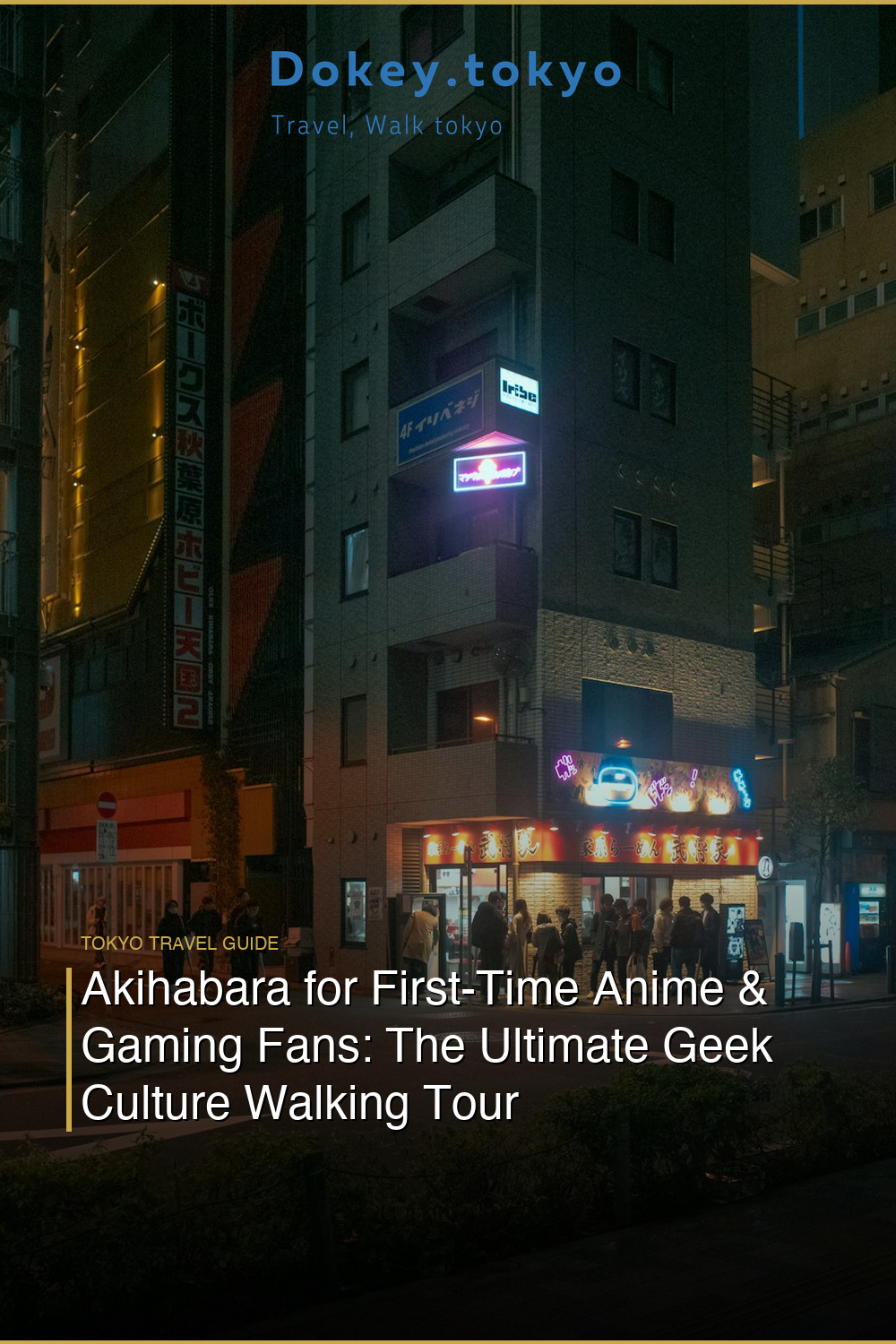
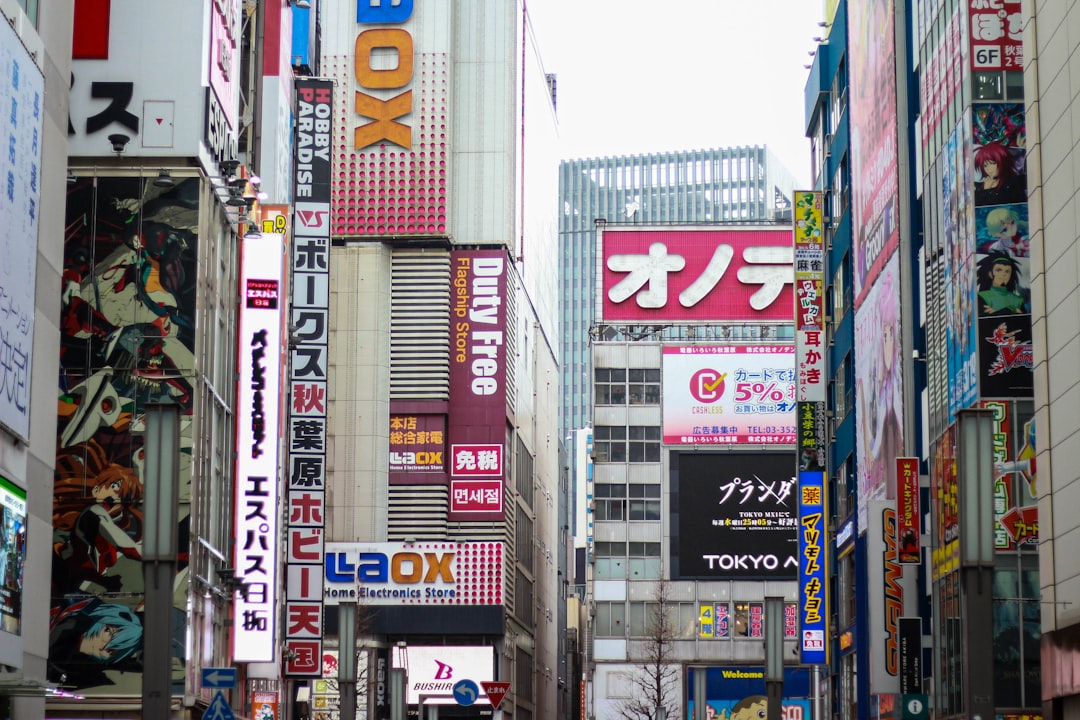
If you’ve spent years watching anime, grinding JRPGs, or hunting rare figures on eBay at 2 a.m., then stepping off the JR Yamanote Line at Akihabara Station is one of those life moments that genuinely stops you mid-stride. Nothing — absolutely nothing — prepares you for the visual assault of neon signs stacked eight stories high, giant anime heroines plastered across building facades, and the tinny, cheerful music bleeding out of every automatic sliding door.
The first time I came out of the Electric Town exit at Akihabara Station, it was a humid Tuesday evening in late July. The air smelled like yakitori smoke drifting from a tiny stall tucked under the train tracks, mingled with the faint plastic-and-new-electronics scent wafting from the open storefronts. Somewhere above me, a looping idol song competed with a mecha anime theme, and I just stood there on the pavement, grinning like an absolute fool with my backpack half-falling off my shoulder, turning slowly in a circle trying to absorb it all at once.
Before You Walk: Understanding the District Layout
Akihabara can feel chaotic if you dive in without a mental map. The district fans out from the Electric Town exit of Akihabara Station along Chuo-dori, the main boulevard, and through a dense grid of side streets. Think of it in three layers:
- Chuo-dori (main street): Big-name electronics and multi-floor anime megastores.
- Side streets east of Chuo-dori: Retro game shops, doujinshi (self-published manga) stores, specialty figure shops, and maid cafés.
- Underneath the train tracks (高架下, koukadate): A hidden row of small vintage electronics and radio parts dealers that have existed here since the postwar era.
As a first-time visitor, resist the urge to sprint into the first flashy store you see. Walk the full length of Chuo-dori first, let the scale sink in, then double back to explore properly.
The Essential Stops on Your Walking Tour
🗾 Book on Viator: Private Akihabara Anime Tour with Otaku →
🗾 Book on Viator: Akihabara Anime and Pop Culture Walking →
Yodobashi Akiba — Start Big, Get Your Bearings
Yodobashi Akiba is an eight-floor electronics and gaming megastore right next to the station. It’s an ideal first stop because it’s enormous, air-conditioned, and well-organized with English signage. Spend 30–45 minutes here scanning the gaming floor (usually floors 4–5) to get a price baseline for Switch games, controllers, and accessories. You’ll find better prices for retro items elsewhere, but this is a useful orientation point.
Yurindo and the Side Streets — Where the Real Hunt Begins
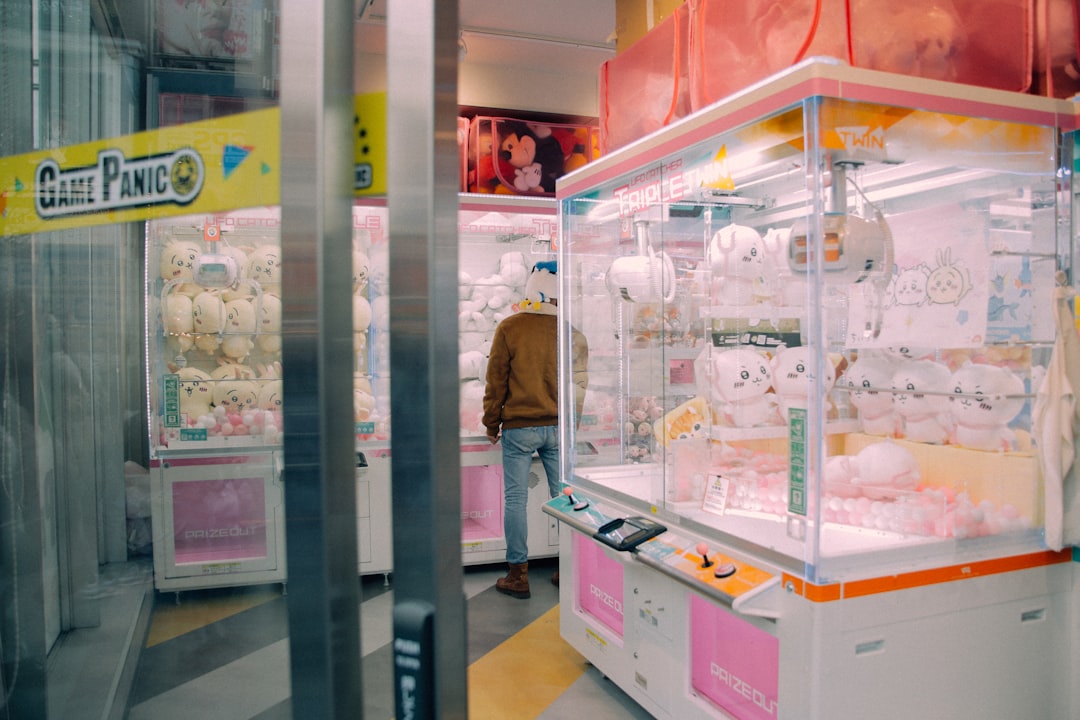
Once you leave Chuo-dori and duck into the smaller streets heading east toward the 2k540 area, the atmosphere shifts dramatically. The stores get narrower, the lighting gets warmer, and the vibe becomes more like a collector’s obsessive attic than a retail chain. This is where you’ll find shops specializing in a single franchise, basement floors packed floor-to-ceiling with boxed Super Famicom cartridges, and occasionally a handwritten sign advertising a 500-yen mystery figure box that has caused me personally to miss a train.
One afternoon, tucked in a second-floor shop so narrow you had to turn sideways to pass another customer, I found an original boxed copy of Chrono Trigger for Super Famicom sitting in an unlabeled bin. The owner — an older gentleman in a cardigan — watched me do a barely contained happy dance, then calmly told me in careful English: “That one, very good game. My favorite also.” We talked for 20 minutes. That conversation is one of my clearest Tokyo memories.
Super Potato — The Retro Gamer’s Temple
No Akihabara walking tour is complete without Super Potato, arguably the most famous retro game store in the world. It occupies several floors on Chuo-dori, and the upper floors smell exactly like old cartridge plastic and nostalgia. You’ll find Famicom, PC Engine, Mega Drive, Neo Geo — systems you may have only read about online. Prices are not cheap (it’s a tourist destination now), but the selection is unmatched and the atmosphere alone is worth the climb up those stairs. Check the bargain bins on the lower shelves — employees rotate discounted stock regularly.
Mandarake Complex — For Anime, Manga, and Figure Collectors
Mandarake’s Akihabara Complex is eight floors of secondhand anime merchandise, rare manga, vintage figures, cosplay items, doujinshi, and idol goods. Each floor is themed to a different category. First-time visitors: allocate at least 90 minutes here and go during a weekday morning (opening is usually 12:00 noon) to avoid the weekend crush. The basement floor carries some of the most reasonably priced vintage figures in the district.
Kotobukiya — Premium Figure Gallery
If your taste runs toward high-end collectible figures and model kits, Kotobukiya’s flagship store is essential. It stocks their own brand’s premium scale figures alongside exclusive colorways and limited editions unavailable elsewhere. Even if you’re not buying, the display cases on the upper floors look like a museum of Japanese pop culture craftsmanship.
The Maid Café Experience — What First-Timers Need to Know
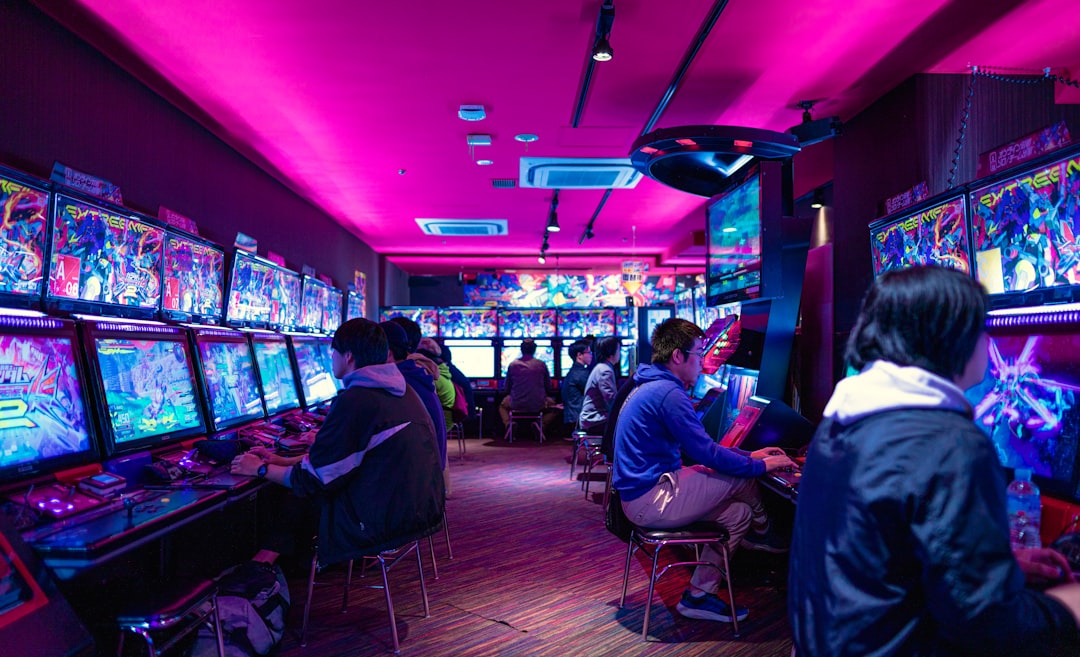
Maid cafés are a genuinely unique cultural experience that exist almost nowhere else on earth in quite the same way. Staff dress in maid costumes, call customers “master” or “mistress,” and perform small rituals like drawing on your omelette or casting a “magic spell” on your drink to make it taste better.
@home café (on the 4th–7th floors of Don Quijote on Chuo-dori) is the most accessible for first-timers — it’s large, English menus are available, and staff are accustomed to nervous international visitors. Expect to pay around ¥500–700 cover charge plus food and drink. The coffee is mediocre. That is not the point. The point is the experience, and it’s genuinely sweet and strange and worth doing once.
Practical tip: Most maid cafés have a no-photo policy unless you pay for a photo set with a staff member (usually ¥500–1,000). Respect this without question.
Eating in Akihabara Without Breaking Character
You don’t have to eat at a maid café to stay in the geek culture bubble. Here are three options that actually taste good:
Ramen Under the Tracks
The alleyway beneath the Yamanote Line overpass (near Manseibashi) hides several tiny ramen and yakitori counters that have served the electronics market workers for decades. Pull up a stool at any counter displaying a plastic food model — point if your Japanese is zero — and you’ll eat extraordinarily well for under ¥1,000.
Akihabara Curry
Curry is practically the official food of Tokyo’s gaming culture. Several curry shops in the district offer anime-branded collaboration menus with seasonal characters on the packaging. The curry itself at places like Curry Shop Coco Ichibanya (there’s a branch close to the station) is comfort-food perfection: thick, slightly sweet, poured over rice with a crispy katsu on top.
Convenience Store Picnic
Don’t underestimate the 7-Eleven directly outside the station exit. Grab an onigiri, a cold canned coffee, and a sweet custard bun, and eat on the steps of the UDX building across from the station. You’ll watch cosplayers doing photo shoots, delivery workers weaving through otaku crowds, and a full cross-section of Tokyo street life. It costs under ¥600 and honestly, on my third trip, this became my favorite Akihabara ritual.
Best Time to Visit Akihabara
Weekday afternoons (2–6 p.m.) are the sweet spot for first-timers. Stores are staffed but not slammed, the serious collectors are at work, and you’ll have room to actually browse the shelves without elbowing someone.
Weekends bring enormous crowds — especially Sunday afternoons — but also more street-level energy: outdoor idol performances, cosplay gatherings, and pop-up merchandise events outside the major stores. If you’re interested in anime and gaming culture beyond Akihabara, check out Ikebukuro Sunshine City & Anime District, which offers a similarly immersive experience, or Nakano Broadway on a Budget for the serious collector’s underground scene.
Avoid: Saturday afternoons in July and August if you’re claustrophobic. The summer heat plus the crowds inside stores without great ventilation is genuinely overwhelming.
Akihabara also partially closes Chuo-dori to vehicles on Sunday afternoons (roughly 1–6 p.m. in summer), turning it into a pedestrian boulevard. If your schedule allows, this is the single best time to photograph the district.
One Last Moment Before You Go
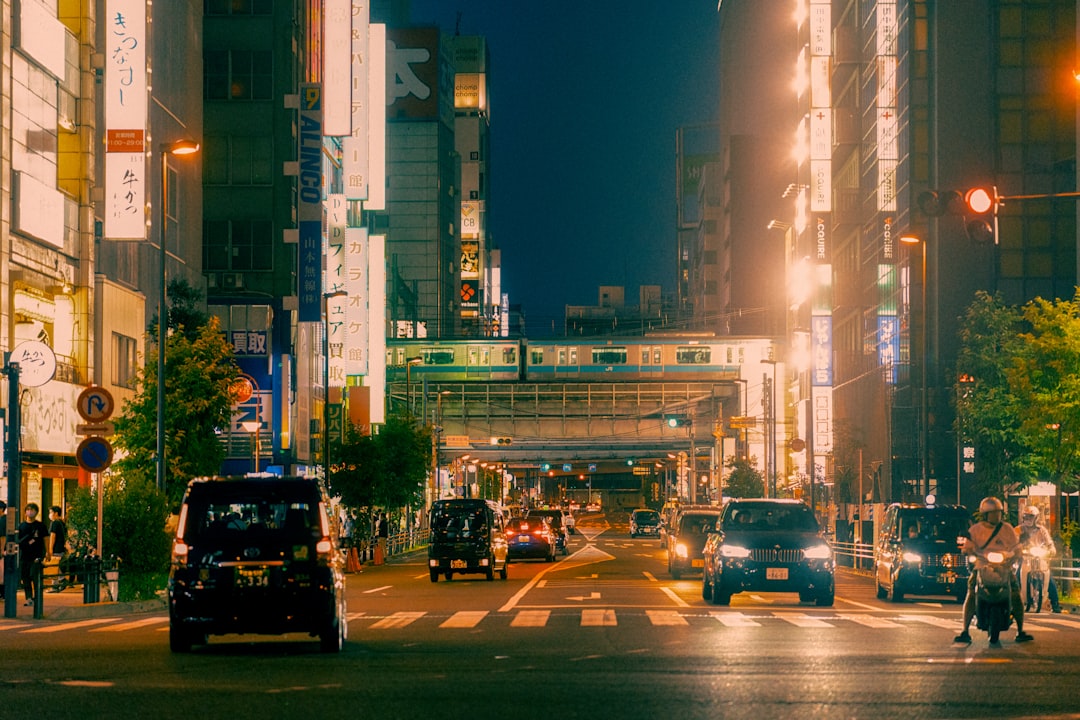
On my most recent visit, I ended up on the roof deck of a pachinko parlor near the station at around 9 p.m. — I’d taken a wrong door chasing an elevator. The city stretched out in every direction, buzzing and glowing, and directly below me Chuo-dori was a river of light: blue signage, pink neon, yellow streetlamps, and the white flash of someone’s camera catching a cosplayer mid-pose. I could hear, faintly through the walls, the relentless electronic ringing of pachinko machines and, from somewhere across the street, the opening notes of a Final Fantasy theme drifting out of a shop that hadn’t closed yet. I stayed up there for ten minutes just watching. Tokyo doesn’t pause for you — it just keeps performing, endlessly, whether you’re watching or not.
Practical First-Timer Checklist
- IC Card (Suica/Pasmo): Load at least ¥3,000 before arriving — shops increasingly accept these for small purchases.
- Cash: Many smaller specialty shops and basement retro stores are cash only. Bring ¥10,000–¥15,000 minimum.
- Bags: Bring a sturdy tote. You will buy more than you planned.
- Translation app: Google Translate’s camera feature handles Japanese price tags and shop signs surprisingly well.
- Shoe comfort: You will cover 8–12 km on a full walking tour. Wear the comfortable shoes.
- Time: Budget a full day minimum. Half a day will only frustrate you.
Akihabara rewards slowness. The best finds — the conversation with the cardigan-wearing shop owner, the mystery bin with the perfect item, the rooftop moment you didn’t plan — happen when you stop rushing and just let the district pull you somewhere unexpected.