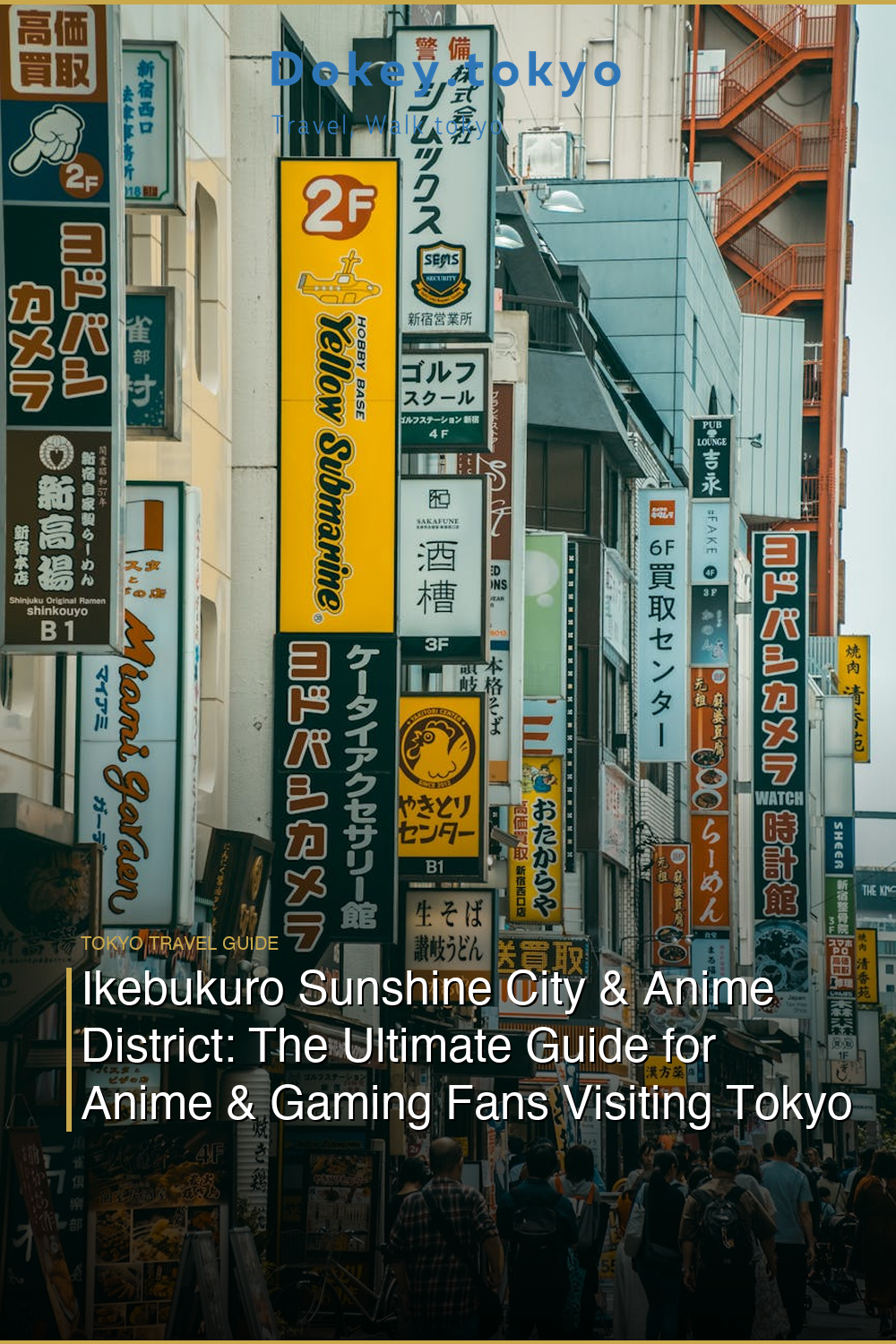
If you’ve ever lost sleep over a manga series, spent hours grinding through a JRPG, or owned more figurines than furniture, then Ikebukuro isn’t just another Tokyo neighborhood — it’s a homecoming. While Akihabara hogs most of the otaku spotlight, Ikebukuro has quietly evolved into something arguably more exciting: a layered, walkable pop culture universe where massive shopping complexes, indie doujinshi shops, maid cafés, and arcade temples coexist within a few city blocks. I’ve been to Tokyo more times than I can count on both hands, and every single visit, Ikebukuro pulls me back like a side quest I can never quite finish.
The first time I stepped out of Ikebukuro Station’s east exit on a Saturday afternoon, the sound hit me before anything else — a wall of competing audio from game centers, the tinny jingle of a nearby crane machine, and somewhere above it all, the distant bass thump of an idol group performing live on a store’s upper floor. The air smelled faintly of takoyaki from a street cart near the crossing, and the entire streetscape glittered with hand-painted signs advertising the latest seasonal anime. I stood there with my backpack half-hanging off one shoulder, grinning like an absolute fool.
Navigating the Anime District: Ikebukuro East Side
The real otaku action in Ikebukuro lives on the east side of the station, primarily along and around Otome Road — a street so nicknamed because it caters heavily to female anime fans and BL (boys’ love) manga culture, which already sets it apart from Akihabara’s more male-skewed vibe. This is a genuinely inclusive space, and if you’ve ever felt slightly out of place in other fan districts, Otome Road has a warmth to it that you’ll notice immediately.
Animate Ikebukuro: Your First Stop
Animate’s flagship Ikebukuro store is the Mount Olympus of anime retail. Spread across multiple floors, it stocks everything from the latest seasonal anime merchandise and light novels to limited-edition collaboration items you will absolutely not find back home. Go early — like, doors-opening early — if there’s a new release or collaboration drop happening, because queues form fast and items sell out by noon. I’d recommend downloading the Animate app before your trip; it lets you check stock levels and sometimes shows exclusive in-store event schedules.
K-Books and Lashinbang: The Secondhand Treasure Hunt
Directly competing for your wallet space are K-Books and Lashinbang, both of which deal heavily in secondhand and vintage anime goods. Think doujinshi (fan-made comics) stacked floor to ceiling, used figures at a fraction of retail price, and out-of-print artbooks that would cost you three times as much on eBay. I once found a mint-condition artbook for a 2003 CLAMP series tucked behind a shelf of Gundam model kits in K-Books — the staff member who helped me locate it just shrugged and said, “It’s been there for years. No one looks that far back.” That book now lives on my desk.
Ikebukuro Game Centers: Levels of Dedication
Game centers (arcades) in Ikebukuro are not casual attractions. These are multi-story institutions. Taito Station and GiGO (formerly Sega) Ikebukuro are the two behemoths, and both reward visitors who stay long enough to figure out the rhythm game machines on the upper floors. Bring ¥100 coins in bulk — you’ll burn through them gleefully. The crane game floors are genuinely skill-rewarding here; the machines aren’t rigged as aggressively as tourist-trap arcades, and the prizes include exclusive anime plushies you simply cannot buy in stores.
Sunshine City: The Pop Culture Complex You Need a Day For
About a 10-minute walk from the station sits Sunshine City, a skyscraper complex that functions like a city within a city. For anime and gaming fans specifically, this is where you block out a full day.
Namja Town: Interactive Theme Park Madness
Namja Town is an indoor amusement park inside Sunshine City that rotates themed zones based on current pop culture collaborations. On my last visit, half the park had been transformed into an immersive zone tied to a popular ongoing anime series, complete with character voice interactions, exclusive food items, and photo spots with jaw-dropping detail. Admission hovers around ¥500–¥800 depending on the season, with individual attractions costing extra tokens. It’s unapologetically fun and surprisingly emotional when your favorite franchise is featured.
Pokémon Center Mega Tokyo
Located inside Sunshine City’s Alpa shopping floors, Pokémon Center Mega Tokyo is exactly what you’re imagining and then some. This isn’t a merchandise kiosk — it’s a flagship store with exclusive regional items, rotating seasonal collections, and a trading card section that draws serious collectors. Arrive when it opens. Lines form before the mall unlocks its doors, especially on weekends and during new generation releases.
Sunshine Aquarium and the Observatory
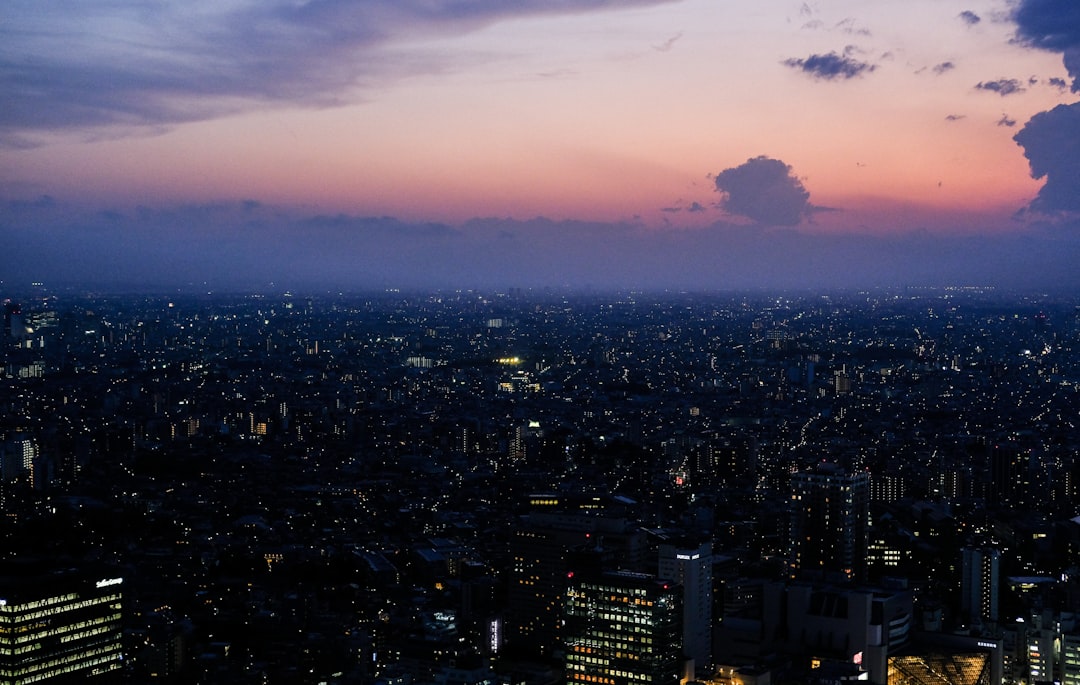
Okay, hear me out — the rooftop aquarium at Sunshine City is genuinely spectacular for photography and a welcome sensory reset after hours of shopping intensity. The evening light over Tokyo from that height, combined with jellyfish tanks glowing in blues and purples, creates an atmosphere that feels almost like being inside an anime opening sequence. If you’re the type who documents your entire trip for content or just your own memories, this is your golden-hour moment.
Food & Drink for the Pop Culture Pilgrim
Themed Cafés You Actually Want to Visit
Ikebukuro’s café scene caters specifically to the fandom crowd in a way that never feels cynical. The Ikebukuro area hosts numerous rotating collaboration cafés tied to currently airing anime series — check the Twitter/X accounts of café operators like Cure Maid Café and Sweets Paradise Ikebukuro branch for current themes before you arrive. Reservation systems fill up fast; booking 2–3 weeks ahead is not paranoia, it’s survival.
Fugetsu-do and Ramen Street
When you need to refuel without standing in a café queue, the basement restaurant floors of Sunshine City and the surrounding streets deliver hard. At around 7 PM one evening, I ducked into a bowl of thick, cloudy tonkotsu ramen at a no-name counter spot just off Higashi Ikebukuro’s main drag — the kind of place with eight seats, a hand-written menu, and a cook who visibly judged my pronunciation of “kaedama” (the request for a noodle refill). The broth had this deep, roasted pork sweetness that I’ve been trying to replicate at home ever since, completely unsuccessfully.
Practical Tips for Anime and Gaming Travelers
Best Time to Visit Ikebukuro
Weekday mornings are your power move. Stores open at 10–11 AM, crowds are thin until noon, and you can browse without the weekend crush. That said, if you want the full electric atmosphere — the cosplayers, the lines, the buzz — Saturday afternoon delivers an experience that’s worth the chaos at least once. Avoid Golden Week (late April to early May) unless you have infinite patience and pre-booked everything.
Budget Planning for Otaku Shopping
Be honest with yourself before you go: set a daily spending cap and keep it in cash. Card acceptance is improving in Tokyo but many smaller doujinshi shops and indie vendors are still cash-only. A realistic otaku shopping budget for a serious fan is ¥15,000–¥30,000 per day in Ikebukuro, though discipline (or a small bag) can keep it lower. IC cards like Suica or Pasmo handle all your transport needs seamlessly.
Getting There
Ikebukuro Station is a major hub on the JR Yamanote Line, the Tokyo Metro Marunouchi, Fukutoshin, and Yurakucho lines. From Shinjuku it’s one stop on the Yamanote. From Shibuya, about 15 minutes. The east exit drops you almost directly into the anime district — just follow the sound of game music.
Before You Pack Your Bags
Last autumn, I was sitting cross-legged on a step outside Animate Ikebukuro at closing time, surrounded by shopping bags I was absolutely going to have to declare at customs, watching a group of cosplayers in full Demon Slayer outfits laughing together as they tried to fold themselves into a taxi. A staff member from the store stepped out, saw my overwhelmed expression, and just smiled and said, “Mata kite kudasai” — please come again. It wasn’t a scripted customer service line. She was laughing. That moment felt like the whole neighborhood in a single sentence.
Ikebukuro rewards the fans who show up prepared and curious. It’s not trying to perform for tourists — it’s a living, breathing community of people who love the same things you do, just in Japanese. Come with a list, come with cash, come with an open afternoon and absolutely no rigid plans, and you will leave with memories and merchandise that outlast any generic sightseeing tour by a decade.