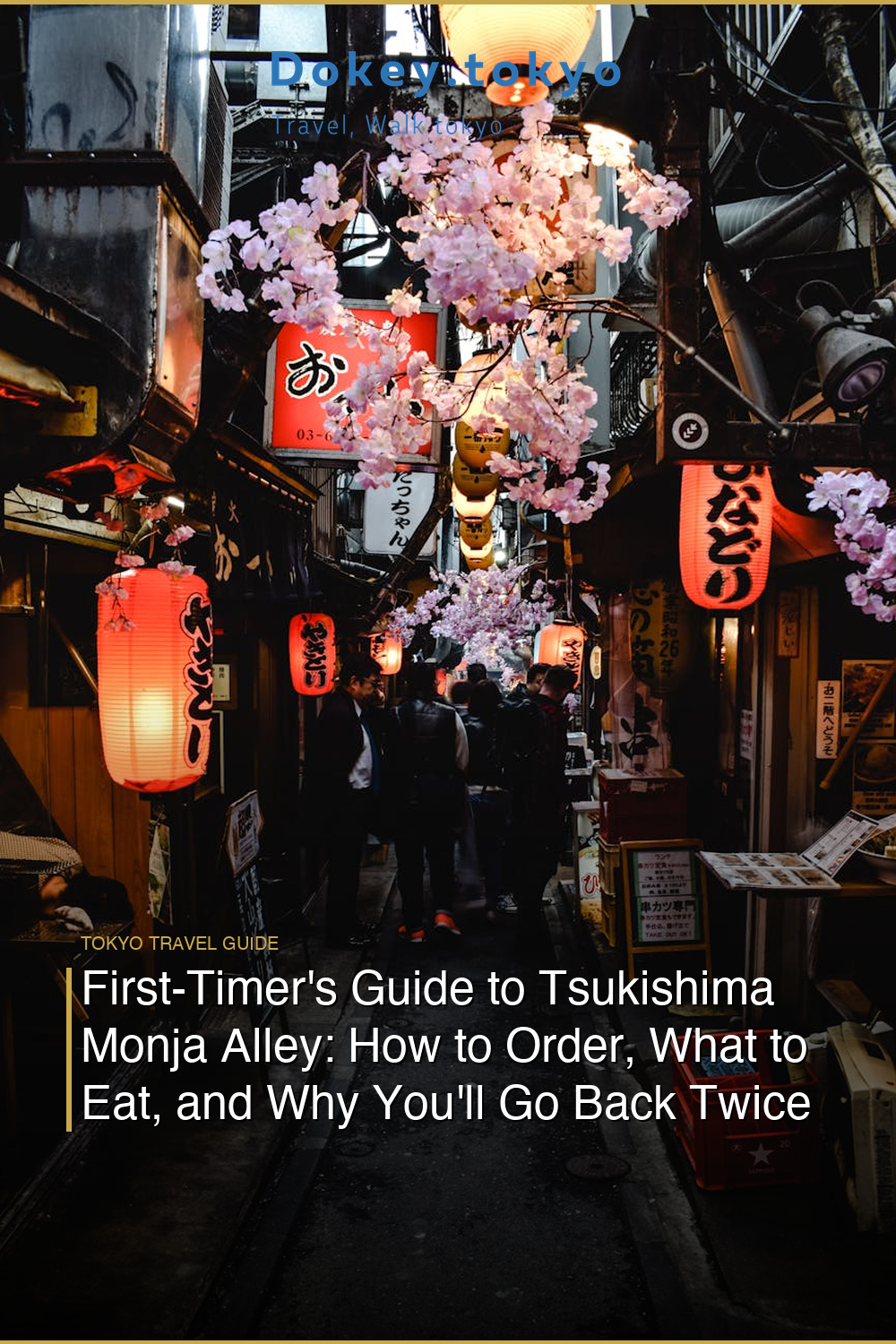
If you’ve done your Tokyo homework, you’ve probably heard of ramen, sushi, and yakitori — but I’d bet good money nobody told you about monjayaki, the gloriously messy, deeply savory pancake that the locals of Tsukishima have been obsessing over since the Meiji era. This is the dish Tokyo keeps almost to itself, and Tsukishima’s Monja Street — a narrow, lantern-lit alley officially called Nishi-Naka-dori Shopping Street — is ground zero. For first-time visitors trying to decode Tokyo’s food culture without a translator app and a prayer, this neighborhood is one of the most rewarding, genuinely local experiences the city offers. It’s affordable, it’s interactive, and it’ll give you a story to tell that isn’t just ‘I ate sushi at Tsukiji.’
I still remember stepping off the Oedo Line at Tsukishima Station on a drizzly Tuesday evening in early November, the smell hitting me before I even reached street level — something between a diner grill and caramelized soy sauce, warm and thick in the cool air. The alley was narrow enough that the red paper lanterns on either side almost touched overhead, and through every restaurant window I could see the orange glow of iron teppan griddles. My stomach growled audibly, and the woman walking behind me laughed.
What Even Is Monjayaki? (And Why It Looks Weird)
Let’s be honest: monjayaki does not photograph the way ramen does. When it arrives at your table as a bowl of thin, watery batter loaded with cabbage, corn, mochi, seafood, or cheese — your first thought might be ‘what am I supposed to do with this?’ That reaction is completely normal. Monja is the older, more chaotic cousin of okonomiyaki (the Osaka-style savory pancake). The batter is much thinner and wetter, and unlike okonomiyaki, you cook it yourself on the built-in iron griddle at your table. The result isn’t a clean pancake — it spreads across the hot surface, gets scraped and pushed and crisped at the edges, and eventually becomes this intensely flavored, slightly gooey, slightly crispy, totally addictive thing. You eat it directly off the griddle with a tiny metal spatula called a kotera. It is messy and communal and deeply satisfying.
How to Navigate Monja Alley as a First-Timer
Finding the Street
Tsukishima Station is on both the Tokyo Metro Yurakucho Line and the Toei Oedo Line. Take exit 7 and walk straight — you’ll hit the main monja alley in under two minutes. The street runs north-south and is lined almost entirely with monja and okonomiyaki restaurants, somewhere around 70 of them packed into just a few blocks. Don’t panic. Here’s how to narrow it down.
When to Go
For first-timers, I strongly recommend arriving between 5:30 PM and 6:30 PM on a weekday. Weekends after 7 PM mean queues outside most popular spots, and standing in a line when you don’t yet know what you’re queuing for is exhausting. The early weekday window gives you time to walk the whole alley, peek at menus posted outside (most have photos), and choose without pressure. The neighborhood also transforms beautifully at dusk — the lanterns come on, the griddles smoke up the windows, and it feels genuinely cinematic. If you’re a photography enthusiast, this timing is ideal for capturing the atmospheric glow of the lanterns and griddle smoke, much like exploring other visually striking Tokyo neighborhoods at golden hour.
The Best Restaurants on Monja Street for First-Timers
Monja Kondo (もんじゃ近どう) — Best for Beginners
This is my top recommendation for anyone visiting Tsukishima for the first time, full stop. Kondo has been operating for decades and the staff are legendarily patient with tourists who show up having never touched a kotera in their lives. The English menu is clear with photos, and if you sit at the counter, someone will almost certainly come over and cook your first monja for you without being asked — watching, correcting, encouraging. Order the mentaiko mochi cheese monja (明太子もちチーズもんじゃ) to start. The spicy cod roe cuts through the richness of the melted mochi and cheese in a way that will rearrange your understanding of comfort food. It costs around ¥1,200–¥1,500 per portion.
Tsukishima Monja Mugiho (麦穂) — Best for the Full Experience
Mugiho is slightly more upscale in atmosphere but still completely approachable for first-timers. The interior is warm wood and low lighting, the kind of place where you accidentally stay two hours. They do a seafood monja with squid, shrimp, and scallop that is worth every yen, and their yakisoba (fried noodles on the same griddle) is the best palate reset between monja rounds. I’d recommend ordering one monja and one okonomiyaki here to compare the two styles side by side — it genuinely illuminates what makes each one special.
Tsukishima Monja Dontaku (どんたく) — Best Budget Pick
For first-timers watching their spending, Dontaku is the answer. Portions are generous, prices hover around ¥900–¥1,100 per monja, and the atmosphere is loud, convivial, and very local. Like other budget-friendly Tokyo food tours, Dontaku offers authentic dining without breaking the bank. On my third visit to Tsukishima, I ended up seated next to an older salaryman who, unprompted, leaned over and told me I was pressing the kotera too hard — ‘Yasashiku, yasashiku,’ he said, gently, gently — and proceeded to give me a full two-minute griddle masterclass while his own monja burned slightly on the other side. I think about him every time I cook monja now.
How to Order Monjayaki: A Step-by-Step Guide
Step 1: Sit Down and Study the Menu
Most restaurants on Monja Street have laminated menus with photos. Look for sets (セット) that include one monja, one drink, and sometimes a small okonomiyaki — these are the best value for first-timers and take the decision paralysis away.
Step 2: Start With a Classic
Resist the urge to go straight for the wild toppings on your first visit. Order a standard mixed monja (ミックスもんじゃ) or a corn and mochi monja to understand the base flavor before adding mentaiko, kimchi, or cheese into the equation.
Step 3: Let the Staff Cook It First (Or Watch Closely)
At most Monja Street restaurants, staff will offer to cook the first one for you. Accept this offer. Watch how they: (1) stir-fry the solid toppings in the center of the griddle first, (2) form a ring or ‘dam’ with those solids, (3) pour the liquid batter into the center of the ring, and (4) slowly break the dam and spread everything outward into a thin layer. This is the key technique.
Step 4: Use the Kotera Correctly
The tiny metal spatula is not a shovel. You scrape lightly and continuously, moving the monja in small sections, pressing gently to create crispy edges (called ‘okoge’) without tearing it apart. The crispy bits are the best part — first-timers always try to eat the monja before it’s ready. Give it four to five minutes.
Step 5: Eat Directly Off the Griddle
No plates. You eat with the kotera straight from the hot surface. This is correct. This is the only way.
Practical Tips for First-Time Visitors
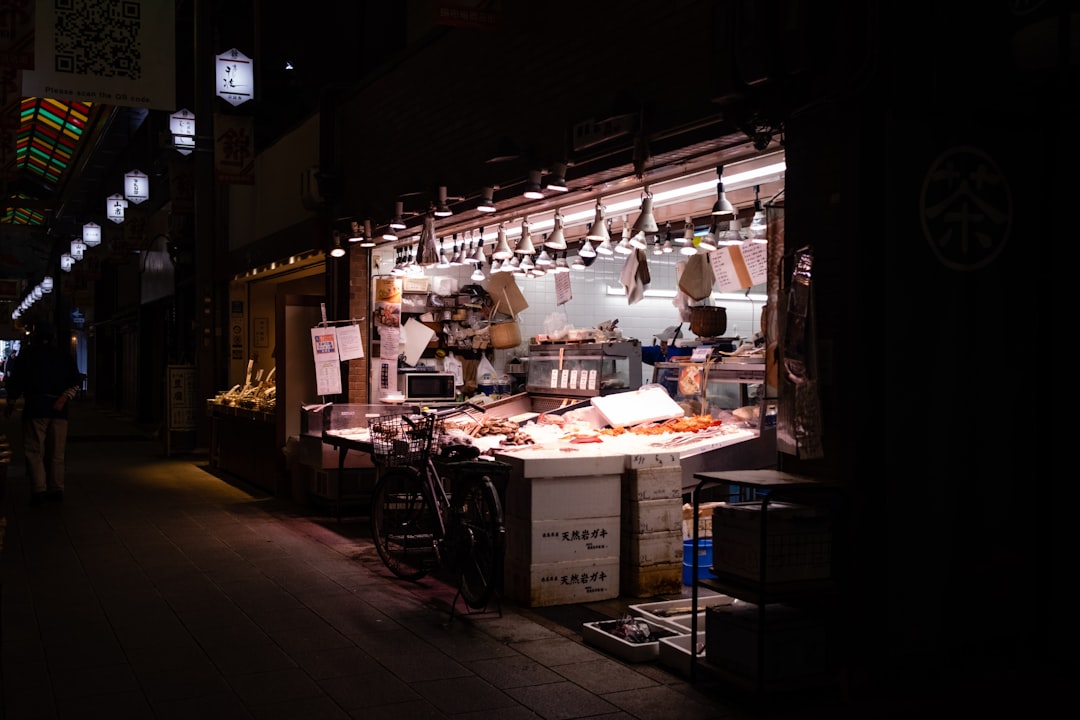
- Cash is king on Monja Street. Many smaller restaurants don’t accept cards. Bring at least ¥3,000–¥4,000 per person to cover two monja orders, a drink, and tax comfortably.
- Most restaurants seat 2–8 people. Solo visitors are completely welcome — just tell the host ‘hitori desu’ (one person). Counter seats are actually ideal for solo diners because the staff tend to chat and help more.
- Allergies: Monja batter typically contains wheat and often egg. Seafood monja contains shellfish. If you have allergies, use a translation app to show staff before ordering — most are helpful and accommodating.
- Don’t skip dessert: Several restaurants on the street offer a dessert monja with condensed milk, banana, and chocolate. It sounds wrong. It isn’t.
The Neighborhood Beyond the Alley
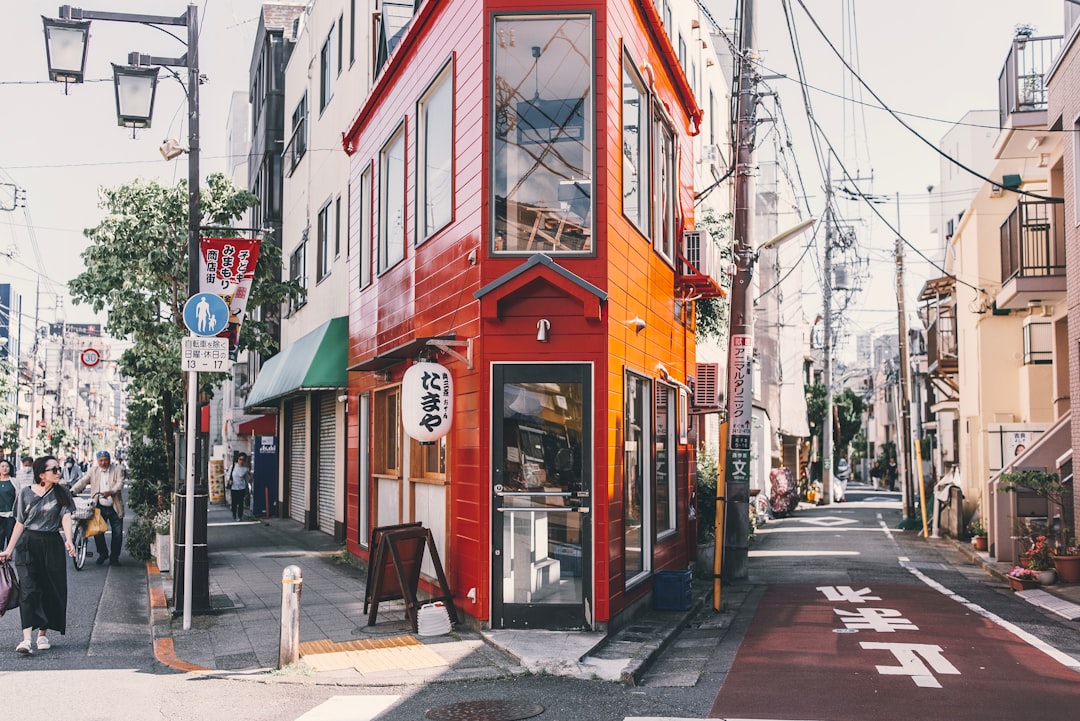
Tsukishima is an old shitamachi neighborhood — low-rise, quiet, slightly frozen in time compared to the rest of Tokyo. After dinner, walk toward the Sumida River. The view of the illuminated Rainbow Bridge and the water taxis cutting through the dark river is one of those Tokyo moments that doesn’t make it onto any itinerary but stays with you. Similar to exploring other historic Tokyo neighborhoods with old-world charm, Tsukishima rewards wanderers who venture beyond the main streets.
On my last evening there, I sat on a low concrete wall by the river at around 9 PM, holding a can of Sapporo I’d grabbed from a nearby convenience store, the smell of grilled batter still faintly on my jacket, watching a lit barge slide silently past under a half moon. A couple nearby was sharing the last of their monja straight from a takeout container with two tiny spatulas, and I thought: this is the Tokyo that belongs to the people who actually live here.
Final Advice Before You Go
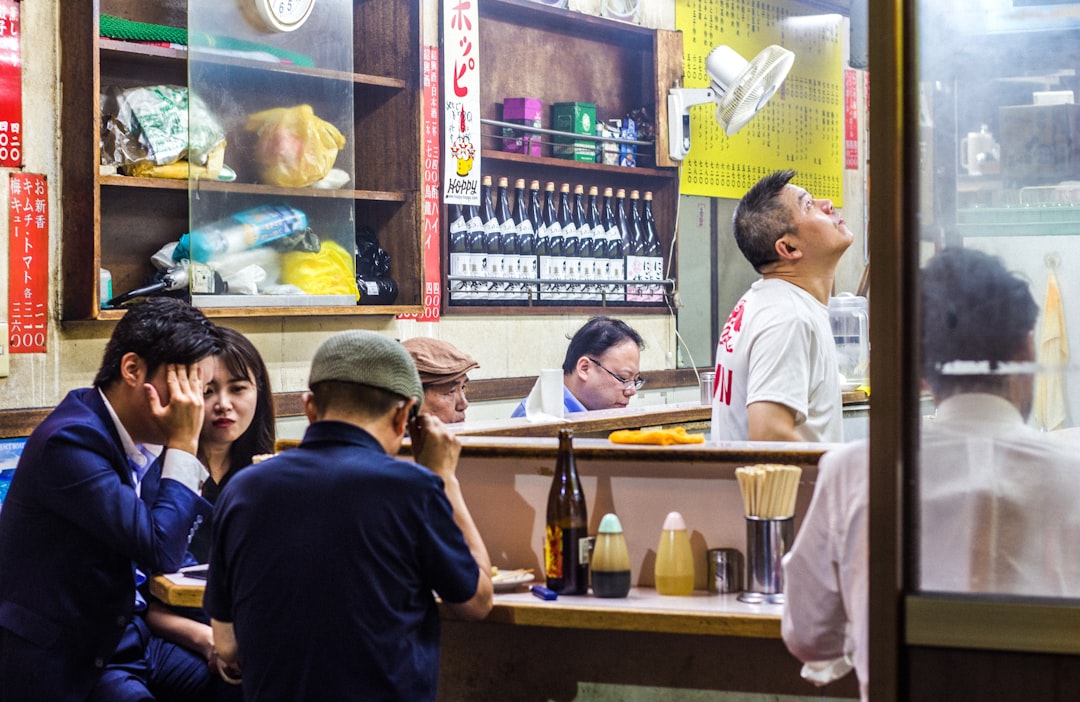
Tsukishima Monja Alley is one of the most genuinely accessible deep-cuts in Tokyo for first-time visitors — it requires no advance reservation at most restaurants, no Japanese language fluency, and no special equipment beyond an appetite and a willingness to look slightly confused for ten minutes before everything clicks. Go hungry, go curious, and go twice if you can. The first visit is about learning. The second visit is about savoring.
Ready to experience it?