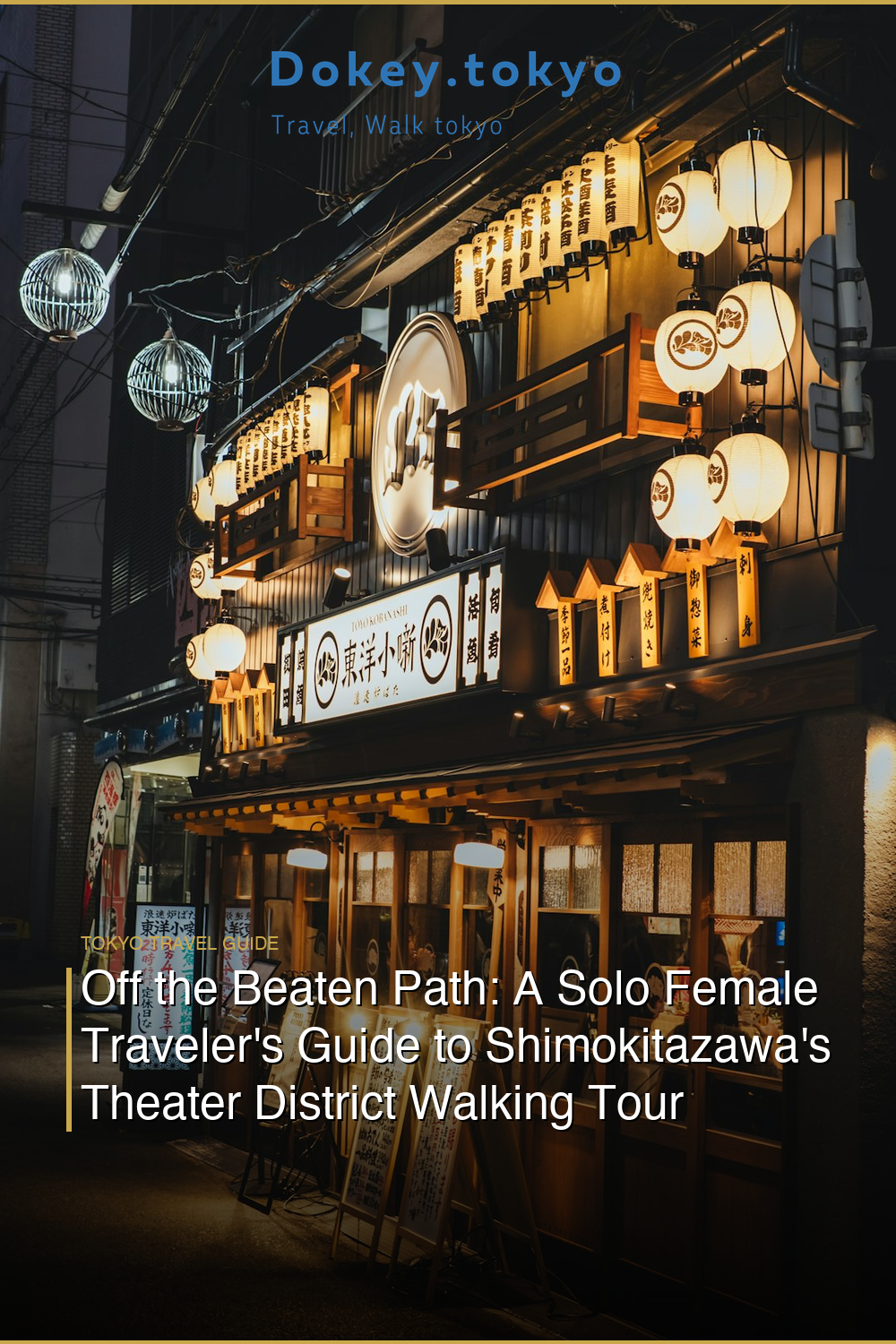
There’s a moment, somewhere between stepping off the Odakyu Line at Shimokitazawa Station and stumbling into your third record shop of the afternoon, when Tokyo stops feeling like a city you’re visiting and starts feeling like a city you actually live in. That shift — from tourist to participant — is exactly what Shimokitazawa does to you. Unlike the flashing billboards of Shinjuku or the relentless crowds of Shibuya (which is literally one train stop away, a fact that still blows my mind), Shimokitazawa moves at the speed of a hand-drawn poster and a hand-poured coffee. For solo female travelers, it’s one of the safest, most welcoming, and genuinely exciting neighborhoods in all of Japan.
The first time I stepped out of the south exit of Shimokitazawa Station on a drizzly Thursday afternoon, I was hit by the smell of frying gyoza mixing with old paperback books from a used bookstore propped open onto the narrow lane — the kind of smell that makes you stop walking mid-stride and just breathe. A busker was playing a melancholy acoustic set maybe twenty meters away, and the low October light turned everything golden and slightly hazy. I stood there for a full minute with my tote bag on my shoulder, thinking: okay, I get it now.
Why Shimokitazawa Is Perfect for Solo Female Travelers
Let me be honest with you the way a good friend would be: not every Tokyo neighborhood feels equally comfortable when you’re navigating alone, especially at night. Shimokitazawa is different. The streets are narrow and human-scaled, meaning you’re rarely walking through wide, isolating boulevards. The crowd here — artists, students, musicians, actors — creates a social atmosphere that’s warm without being predatory. I’ve walked these lanes alone at midnight after a late-night show and felt completely at ease. The izakayas and bars here tend to attract a creative, collaborative crowd, and bar staff are generally used to solo guests sitting at the counter.
The neighborhood is also exceptionally walkable and hard to truly get lost in, which matters a lot when you’re flying solo without a local guide.
How to Start Your Walking Tour: The South Exit Shuffle
Start at Shimokitazawa Station’s south exit (南口). This is the classic entry point and it immediately deposits you into the thick of the action. From here, your walking tour naturally unfolds in a loose figure-eight that covers the two main zones: the theater and live music cluster to the west, and the vintage shopping labyrinth to the east.
Give yourself a full day, ideally starting around 11am when the coffee shops and vintage stores begin opening. If you want the evening theater experience — and you absolutely do — plan to stay until at least 10pm.
Stop 1: Honda Theater and the Theater District Core
Walk west from the south exit for about five minutes and you’ll hit the Honda Theater (本多劇場), the anchor of Shimokitazawa’s legendary theater scene. This is where some of Japan’s most celebrated small-stage productions happen, from avant-garde dance pieces to sharp contemporary comedies. You don’t need to speak Japanese to feel the electricity of a performance here — the physicality of Japanese stage acting is something else entirely.
Around Honda Theater, you’ll find a cluster of smaller black-box theaters — intimate 50 to 100-seat venues tucked above coffee shops and behind music rehearsal studios. Pick up a flyer from any of the bulletin boards plastered outside — they’re covered in handmade show announcements that are essentially works of art in themselves. Even if you don’t attend a show, this area tells you everything about the neighborhood’s creative identity.
Practical tip for solo travelers: Tickets for small theater productions can often be purchased at the door (当日券, tōjitsu-ken) on the night of the show. Prices typically range from ¥1,500 to ¥3,500 — an incredible cultural experience for the cost of a cocktail back home.
Stop 2: The Vintage Triangle — A Solo Shopper’s Paradise
Head back east toward the station and dive into what I call the Vintage Triangle — a web of lanes packed with secondhand clothing stores, independent record shops, and antique sellers. Stores like Chicago and Flamingo are well-known, but the real joy is ducking into the unmarked shops squeezed between them.
I once found a hand-embroidered 1970s Japanese denim jacket inside a shop so small I had to turn sideways to browse the racks. The owner, a man in his sixties with a silver ponytail, told me in careful English that the jacket had belonged to a Shimokitazawa theater costume director. I have no way to verify that story, but I bought the jacket immediately, and I’ve worn it to every single live show I’ve attended since.
As a solo female traveler, vintage shopping here is pure joy — shop owners are used to international visitors, many speak basic English, and there’s zero pressure to buy. Budget anywhere from ¥500 for a fun accessory to ¥8,000 for a quality vintage coat.
Stop 3: Record Shops and the Soundtrack of Shimokitazawa
Shimokitazawa has more record shops per square meter than almost anywhere in Tokyo outside of Ochanomizu. Flash Disc Ranch is the one locals whisper about — a cramped, floor-to-ceiling cave of vinyl where the owner plays records continuously and seems personally offended if you leave without buying something. Even if you don’t own a record player, standing in there and listening to whatever’s spinning feels like a complete experience.
Where to Eat and Drink Alone (Without the Awkwardness)
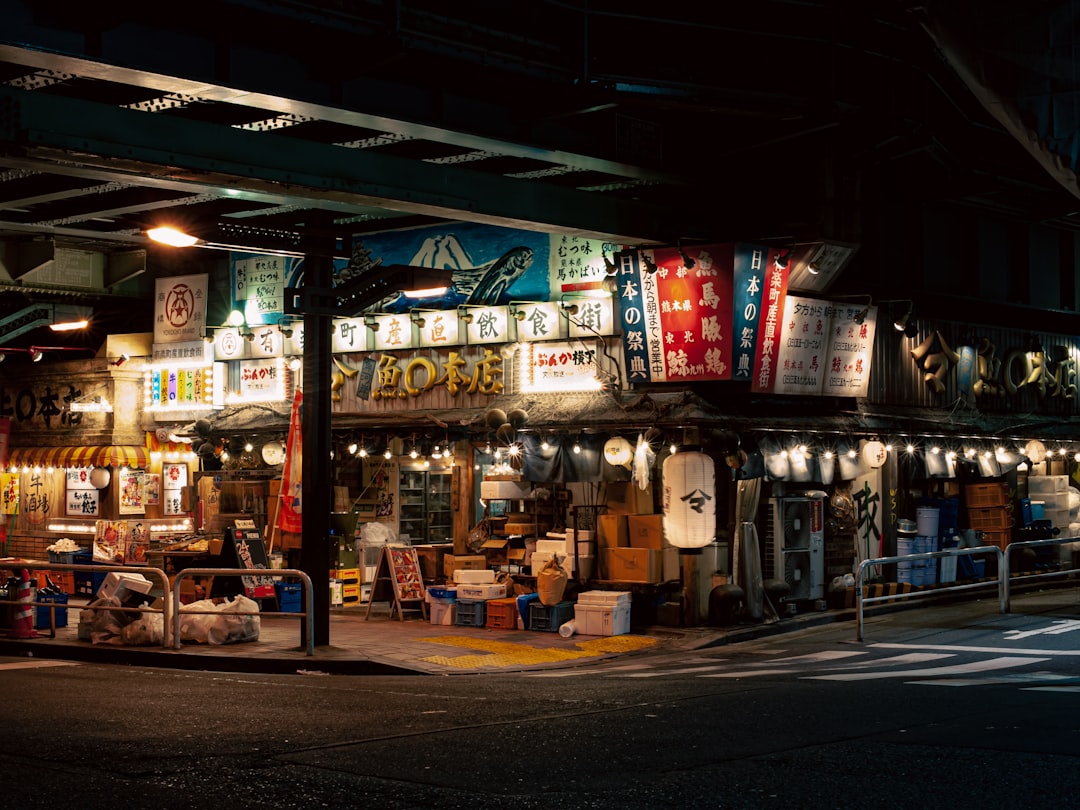
Eating solo in Japan is culturally normalized in a way it simply isn’t in many Western countries, and Shimokitazawa leans into this beautifully.
Breakfast and Coffee
Cafe Lavanderia is my go-to morning stop — a small, plant-filled space with communal wooden tables where it’s completely normal to sit alone with a book. Order the thick-cut toast with cultured butter and a hand-drip single-origin coffee. The morning light through the front window is genuinely gorgeous, and nobody will rush you.
Lunch
For lunch, follow your nose to the curry restaurants clustered near the north side of the station. Shimokitazawa has a surprisingly deep curry culture — Mojo serves a rich, slow-cooked lamb keema curry that I’ve been chasing the memory of for three years. Counter seating means you can eat alone, watch the kitchen, and feel part of something without having to perform sociability.
Evening Drinks
For drinks, Shirohige’s Cream Puff Factory is a daytime whimsy (yes, it’s the Totoro cafe, and yes, the cream puffs are shaped like Totoro and they’re delicious), but when the sun goes down, head to one of the jazz bars tucked into the basement levels of Shimokitazawa’s older buildings. Jazz bar Intro has been running since 1971 and is exactly as cool and slightly worn-in as that sounds. Solo women at the bar are completely unremarkable here — just order a whisky highball and let the music do what music does.
Best Time to Visit Shimokitazawa
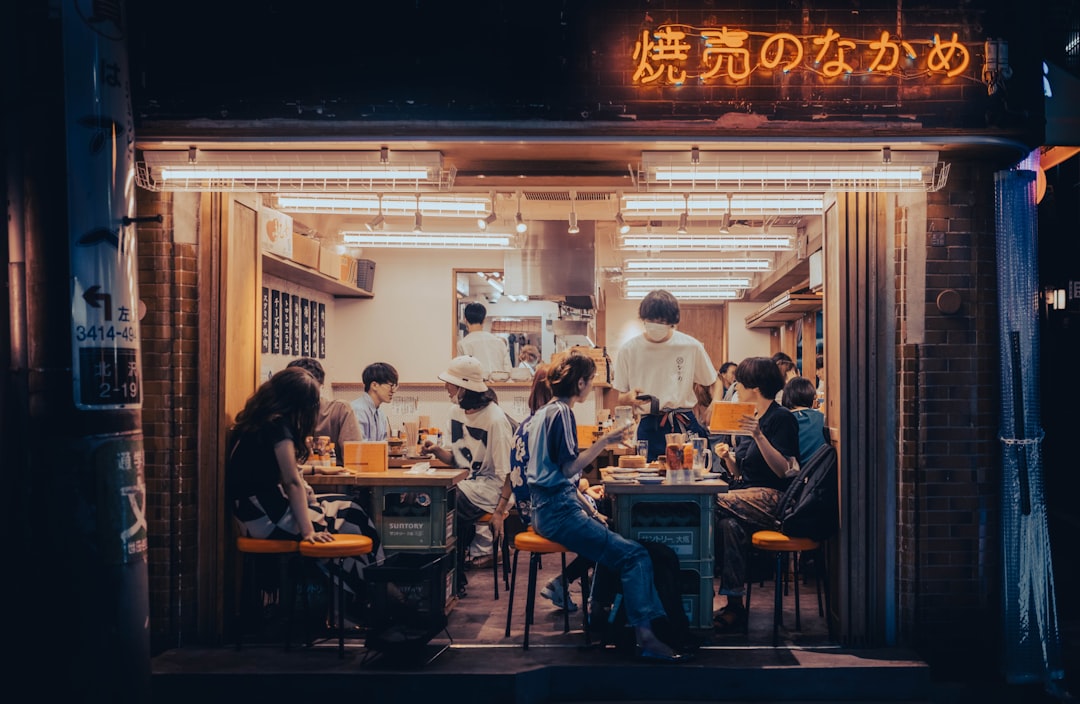
For solo female travelers doing this walking tour, October through early December is my honest favorite window. The weather is crisp and walkable, the light is that perfect low-golden autumn quality, and the theater season is in full swing. Spring (late March to April) is also lovely — sakura petals blow through the narrow lanes in a way that feels almost theatrical itself. Avoid August if you can; the humidity is punishing and makes long walking days genuinely uncomfortable.
Weekday afternoons are ideal for the vintage shopping and coffee shop portions — you’ll have more space to browse and linger. Friday and Saturday evenings are when the theater district truly comes alive, so plan your performance viewing for then.
Practical Safety and Logistics for Solo Female Travelers
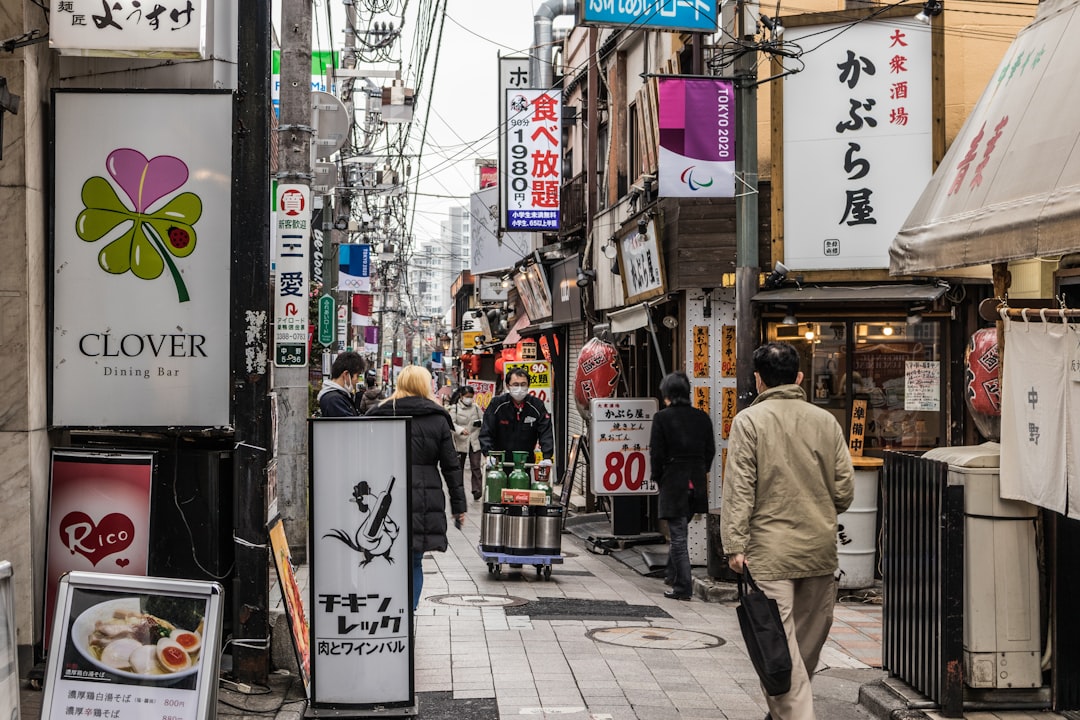
- Getting there: Odakyu Line from Shinjuku (3 minutes, ¥140) or Keio Inokashira Line from Shibuya (4 minutes, ¥140). Both are simple, safe, and frequent.
- Navigating: The neighborhood is compact enough that Google Maps feels like overkill. Wander freely — getting mildly lost is genuinely part of the experience.
- Cash: Many small vintage shops and izakayas are cash-only. Withdraw ¥10,000–¥15,000 before you arrive.
- Late night: Shimokitazawa feels safe late, but if you’re heading home after midnight, the last trains depend on your line — check HyperDia before your last drink.
On my most recent trip, I ended a solo evening in Shimokitazawa sitting on a low stone wall outside Honda Theater at around 10:30pm, eating a taiyaki (fish-shaped waffle filled with sweet red bean paste) I’d bought from a cart that materializes near the theater most evenings — the outside was crisp and slightly charred, the filling warm and almost floral. A group of actors in street clothes came out through the stage door laughing about something, still halfway in character, and one of them caught my eye and gave me a small bow. I bowed back. That tiny moment — the warm pastry, the cool air, the sound of performers unwinding — felt like the whole neighborhood distilled into thirty seconds.
Final Thoughts Before You Go
Shimokitazawa doesn’t demand anything from you. It doesn’t ask you to perform excitement or rush through a checklist. As a solo female traveler, that quality is genuinely rare and genuinely precious. Come here to wander, to sit in a jazz bar with a whisky, to try on a vintage jacket with a story, to watch actors take their bows in a 80-seat theater that feels like the center of the entire world for exactly ninety minutes. Tokyo has plenty of neighborhoods that will impress you. Shimokitazawa is the one that will actually stay with you.
Ready to experience it?
🗾 Book on Viator: Explore Shimokitazawa’s vintage, music & →