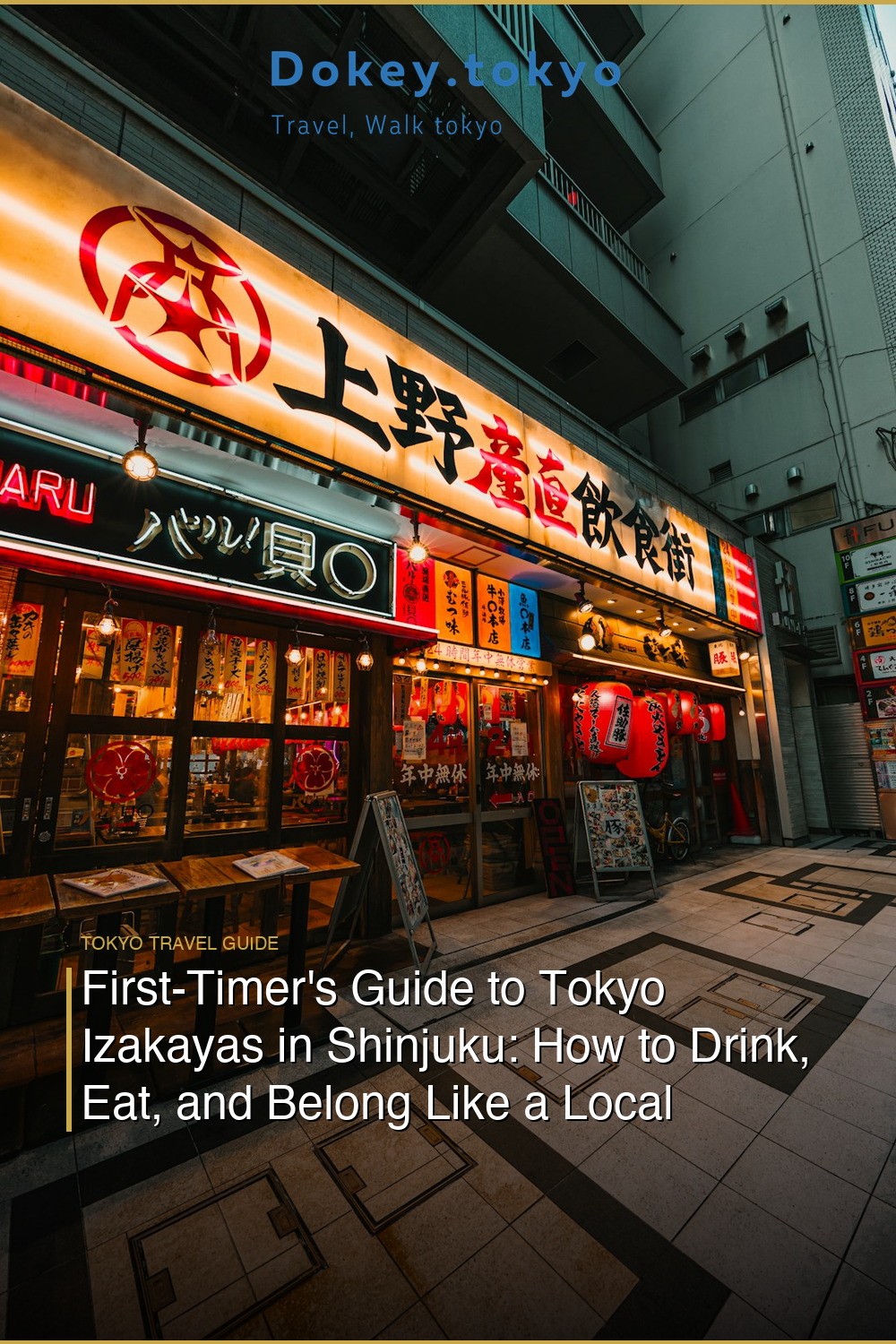
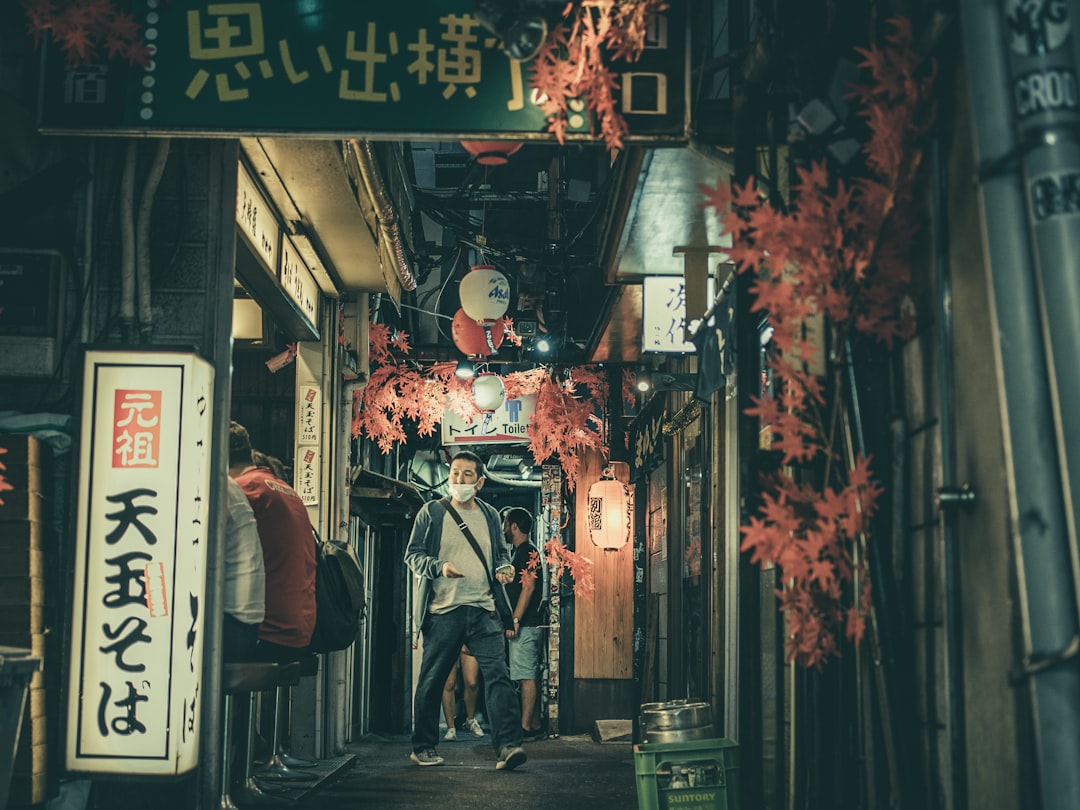
There’s a specific moment that happens to almost every first-time visitor in Shinjuku, usually somewhere around 8 p.m. on a Tuesday. You’re standing on a narrow alley — maybe Memory Lane (Omoide Yokocho) or one of the unnamed side streets branching off Kabukicho — and you hear it before you see it: the roar of laughter, the clinking of frosted mugs, the sizzle of meat fat hitting charcoal grills, and the half-musical, half-theatrical cry of “Irasshaimase!” welcoming someone through a curtained doorway. You don’t know anyone. You don’t speak Japanese. But somehow, you desperately want to be inside that room.
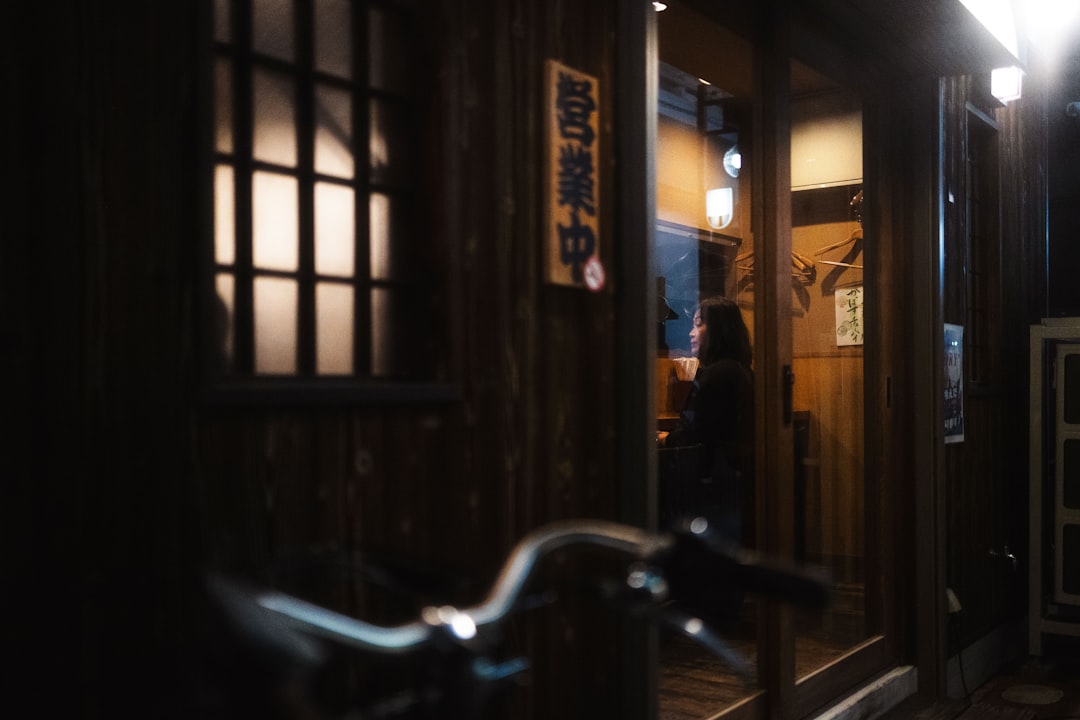
I still remember the first time I pushed through one of those indigo noren curtains on a rainy October evening. The smell hit me immediately — charred chicken skin, sweet miso glaze, woodsmoke, and the faintly yeasty tang of draft beer — and before I could even look around, a server had already guided me to a low wooden stool, pressed a hot oshibori towel into my hands, and placed a laminated menu in front of me with an encouraging smile. I had no idea what I was doing, and that was completely fine.
If you’re visiting Tokyo for the first time and you want one experience that will make you feel genuinely plugged into Japanese daily life — not tourist Japan, but real, after-work, shoes-off, second-round-of-highballs Japan — the Shinjuku izakaya is it. Here’s everything you need to know before you duck under that curtain.
What Is an Izakaya, Really?
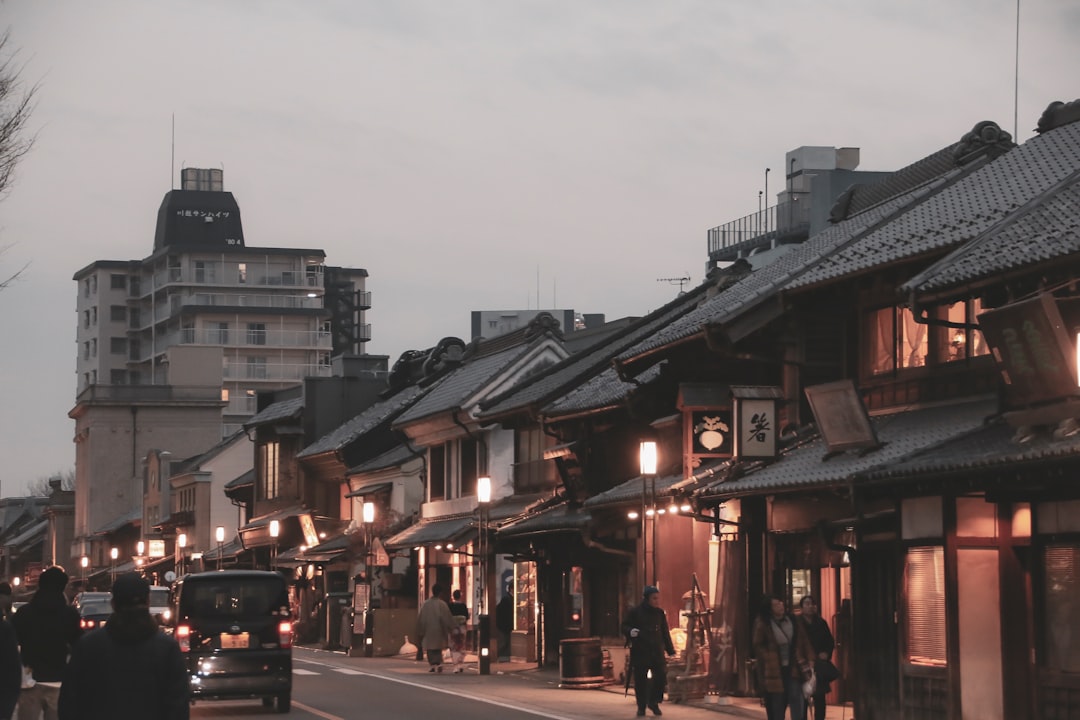
Think of an izakaya as somewhere between a pub, a tapas bar, and your most welcoming friend’s kitchen. The word itself roughly translates to “stay-drink-place,” and that tells you everything about the vibe. You don’t rush. You order in rounds. You share everything on the table. The food is meant to complement the drinking — small plates of grilled skewers, silky tofu, crispy karaage, simmered root vegetables — and the drinking is meant to complement the conversation.
Unlike a restaurant where you order everything at once and leave efficiently, an izakaya operates on its own slower, warmer rhythm. First-timers sometimes feel anxious about this — am I ordering correctly? am I taking too long? — but the honest truth is that nobody is watching you with judgment. They’re too busy enjoying their own evening.
The Shinjuku Difference
Shinjuku has izakayas for every mood, budget, and comfort level. The ones tucked inside Omoide Yokocho (“Piss Alley” — yes, that’s actually what locals call it) are tiny, smoky, and ancient-feeling, with seating for maybe eight people and grills that have been burning since the 1940s. The izakayas in the Kabukicho entertainment district are louder and flashier. The ones hidden in the quieter streets around Shinjuku-sanchome station lean more refined — better sake lists, seasonal menus, staff who might speak a little English. As a first-time visitor, I’d suggest starting somewhere in between: not the most touristy, not so local that the lack of an English menu becomes genuinely stressful.
How to Find the Right Izakaya for Your First Time
Look for the Lanterns and Listen for the Noise
The best izakayas announce themselves. Red paper lanterns (chochin) hanging outside are almost always a good sign. So is the sound of a crowd enjoying themselves — not rowdy, just alive. If a place is silent at 7:30 p.m. on a weeknight, walk past it.
Check for a Picture Menu or English Menu
For first-timers, a visual menu is a game-changer. Many mid-range Shinjuku izakayas now have tablets at the table where you can order by photo, and several have English translations. Don’t be embarrassed to ask — “Eigo no menyu wa arimasu ka?” (Do you have an English menu?) is a sentence worth memorizing, and staff will almost always respond with warmth even if the answer is no.
Avoid the Pushy Touts
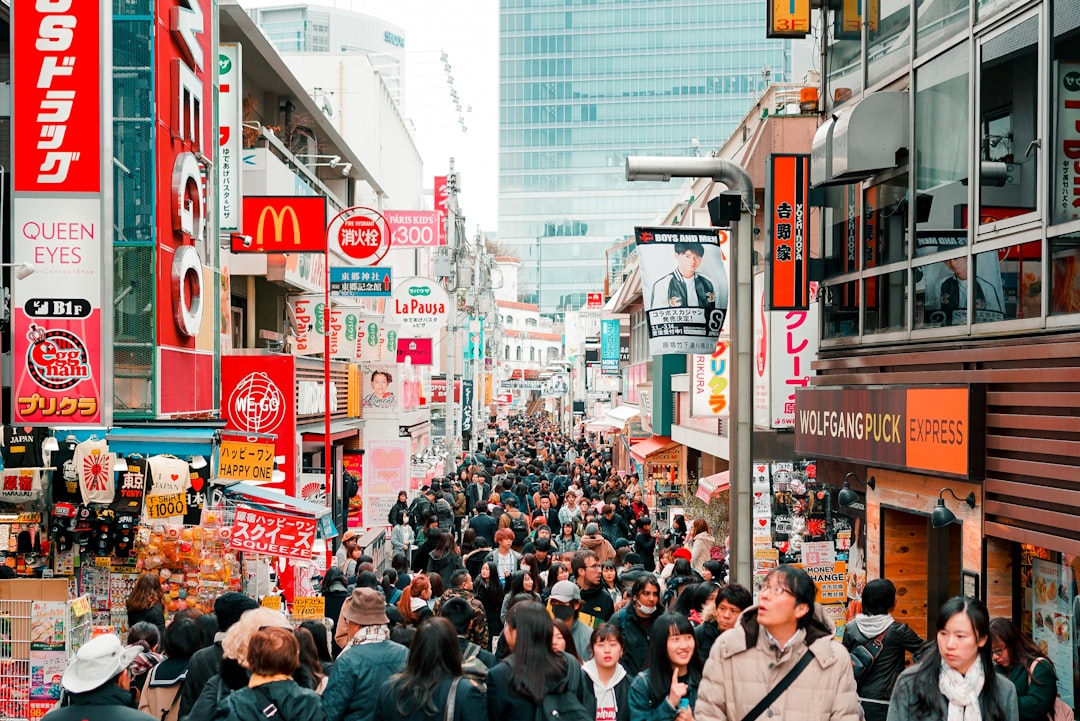
On the main drag near Kabukicho, you’ll encounter staff outside actively recruiting customers. It’s not necessarily a bad sign, but the best izakayas in Shinjuku don’t need to pull people off the street. The ones I return to every visit are always the ones I discovered by following my nose down a side alley.
What to Order: A First-Timer’s Izakaya Menu Guide
🗾 Book on Viator: Wagyu & Sake Pairing in Shinjuku →
Start With the Drinks
Your server will ask for your drink order almost immediately. For first-timers, I always recommend starting with a nama beer (draft beer) or a chuhai — a light, fizzy shochu cocktail that comes in lemon, grapefruit, or ume (plum) flavors. It’s refreshing, low-key alcoholic, and universally loved. If you want to go deeper into Japanese drinking culture, you might also explore other nightlife options like Tokyo’s sophisticated cocktail bars, but for an izakaya, ask about the sake list and request something “fruity and light” — even miming fruit with your hands usually gets the point across.
The Food You Absolutely Cannot Skip
Yakitori is non-negotiable. These charcoal-grilled chicken skewers come in a dozen variations — negima (chicken and leek), tsukune (minced chicken meatball with egg yolk dipping sauce), and kawa (crispy chicken skin) are my personal non-negotiables. Order them with a sprinkle of salt (shio) rather than the sweet tare sauce your first time, so you actually taste the smoke and the chicken.
Edamame arrives first, usually as the otoshi — a small mandatory appetizer charge of around ¥300-500 that also serves as your “table fee.” Don’t be surprised by it; it’s standard practice and not a scam.
Agedashi tofu — silken tofu in a delicate dashi broth with crispy exterior — is the dish I order to gauge whether an izakaya actually cares about its cooking. If it’s good here, everything else will be good too.
Karaage (Japanese fried chicken) arrives golden, juicy, and crackling, always with a wedge of lemon and a small pot of Japanese mayo. It is, without exaggeration, some of the best fried chicken you will eat in your life.
On my third visit to a tiny eight-seat izakaya near Shinjuku-sanchome, the owner noticed me studying the handwritten specials board above the grill and called out in careful English: “Tonight — try the shishamo. Very fresh, from Hokkaido, come today.” I almost skipped it (the idea of whole grilled smelt with visible roe felt intimidating), but those little fish, crispy-skinned and intensely savory, are now something I seek out specifically every single autumn visit.
Izakaya Etiquette for First-Timers: The Rules That Aren’t Really Rules
The Kanpai Moment
When your drinks arrive, wait until everyone at the table has theirs, make eye contact, raise your glass, and say “Kanpai!” — cheers. This is not optional. Starting to drink before the group kanpai is genuinely considered poor form, even among friends.
Don’t Pour Your Own Drink
In izakaya culture, you pour for others and let others pour for you. Keep an eye on the glasses around you. If someone’s glass is getting low, offer to refill it. This small gesture communicates more warmth than any phrase in a guidebook.
The Bill Comes When You Ask
Your server will not bring the check unprompted — doing so would feel rude in Japan, like rushing you out. When you’re ready to leave, catch someone’s eye and say “Okaikei onegaishimasu” (the check, please) or simply mime writing on your palm. The universal sign works fine.
Shoes and Seating
Some traditional izakayas have tatami-floor seating areas (zashiki) where you remove your shoes. Look for a step up and a cubby for footwear — it’s a lovely experience, though worth noting if you’re wearing complicated lace-up boots.
Best Time to Visit a Shinjuku Izakaya
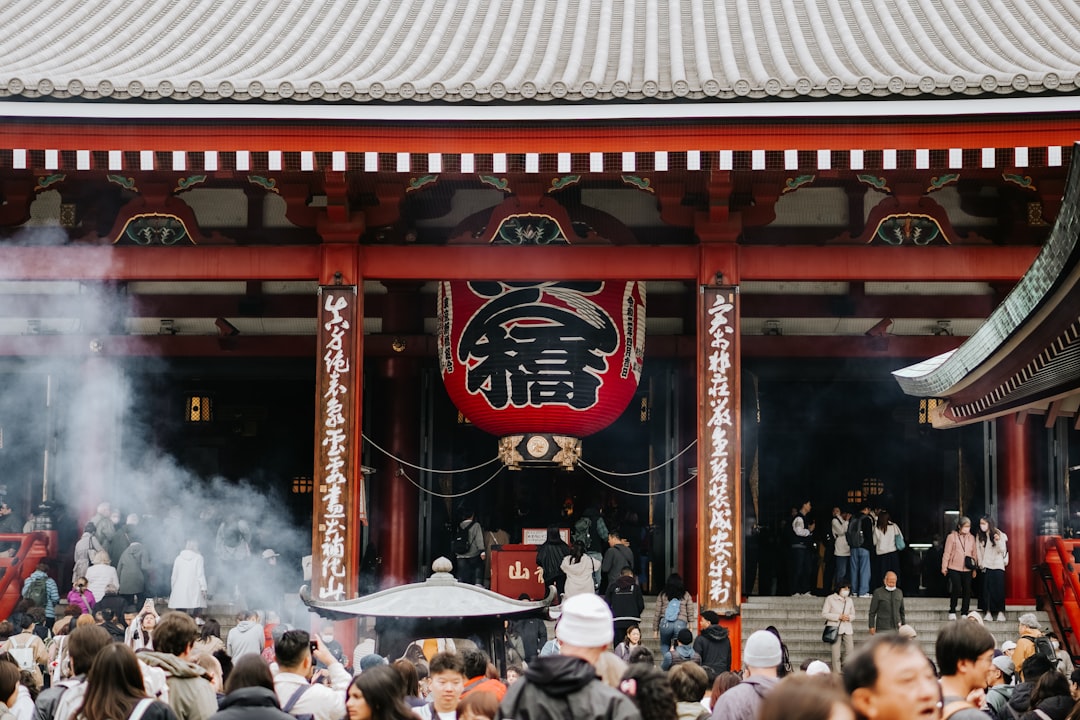
Weekday evenings between 6:30 and 9 p.m. are the sweet spot for first-timers. The after-work crowd is in full swing — salarymen loosening their ties, groups of young women sharing plates of grilled vegetables and icy sours — and the energy is electric but not chaotic. Weekends skew younger and louder. Avoid arriving after 10 p.m. if you want the full food menu; many kitchens start winding down.
Autumn (October-November) is my personal favorite time to experience Shinjuku izakayas. The nights turn cool enough to make the warmth of a crowded wooden room feel like a gift, and seasonal menus appear — mushroom dishes, sanma (Pacific saury), and warm sake that tastes nothing like the cold stuff you’ve had before.
Last October, just before midnight, I was sharing a corner table with two strangers — a retired teacher from Osaka and her daughter visiting from Nagoya — who insisted I try the last skewer of nankotsu (grilled cartilage) even though I’d clearly had enough to eat. It was crunchy and rich and slightly charred at the edges, and I ate it while the rain started again outside the window, and the owner turned up the old jazz record he’d been playing softly all evening, and I thought: this is the kind of moment Tokyo keeps giving you when you finally stop trying to find it.
Practical Tips Before You Go
- Budget: Plan to spend ¥2,500–¥4,500 per person for a full izakaya evening including drinks. Some upscale spots run higher; Omoide Yokocho can be done for less.
- Cash: Many smaller izakayas still prefer cash. Bring yen.
- Reservations: Not required for walk-ins at most spots, but if you have your eye on a specific well-reviewed place, a reservation via Google Maps or the restaurant’s website is worth making.
- Solo dining: Absolutely welcomed. Counter seating is made for solo visitors, and you’ll often end up in quiet, genuine conversation with staff or neighbors.
- Google Translate camera: Download it before you go. Point your phone’s camera at a Japanese menu and it translates in real-time. It’s not perfect, but it’s transformative for first-timers.
Shinjuku izakayas aren’t a tourist attraction. They’re just Tuesday night in Tokyo. The fact that you can walk in knowing nothing and leave feeling like you briefly belonged somewhere — that’s the whole magic of it. Book the flight. Find the lantern. Push through the curtain.