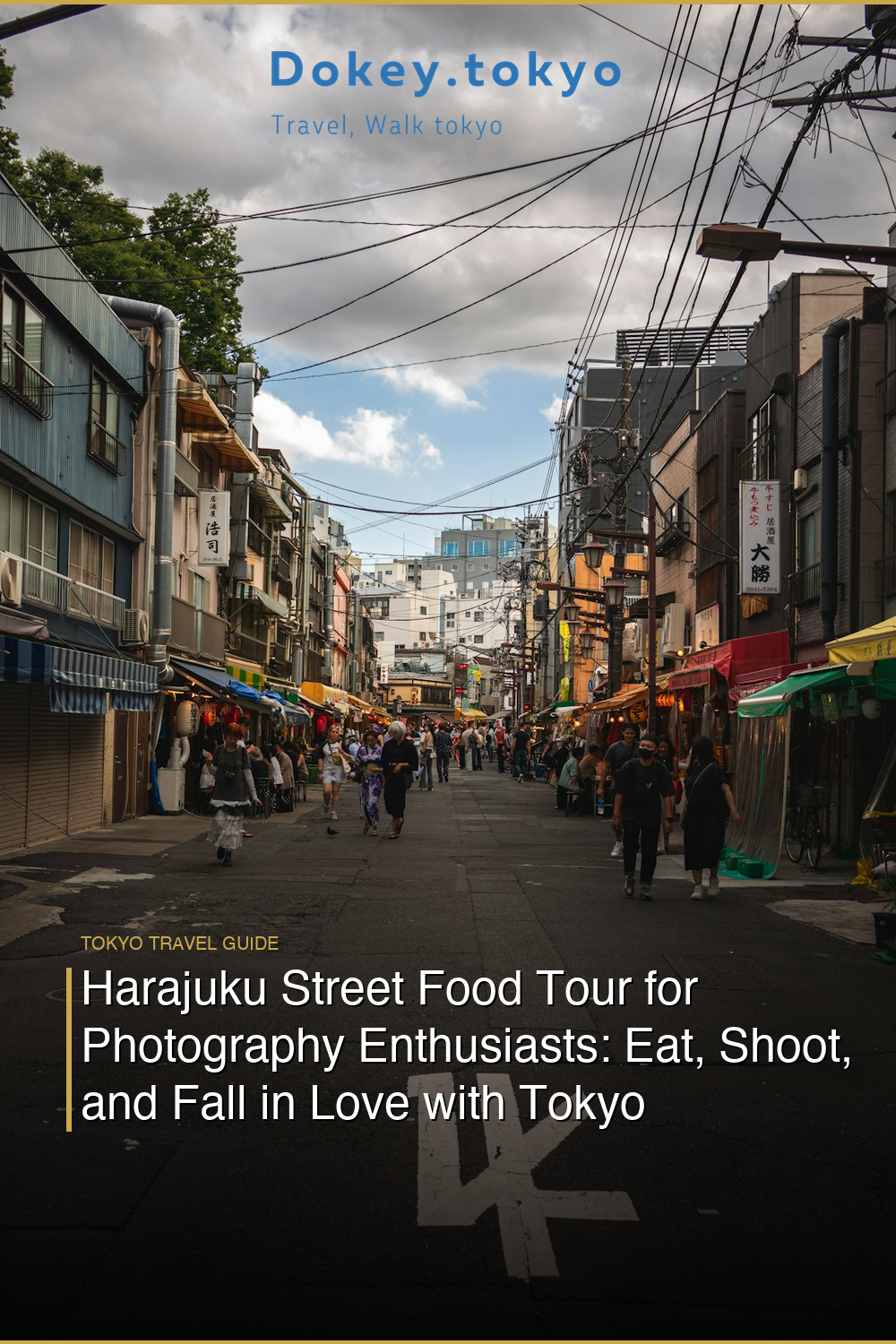
If you’ve ever scrolled through Instagram and stopped dead at a photo of someone holding a pastel-swirled crepe in front of a neon-splashed alley, there’s a solid chance that photo was taken in Harajuku. This neighborhood — tucked between the tranquil Meiji Shrine forest and the glittering chaos of Shibuya — is arguably Tokyo’s most visually explosive street food destination. For photographers, it’s not just a place to eat. It’s a full sensory studio where the food is the art, the street is the backdrop, and every bite comes with a shot worth framing.
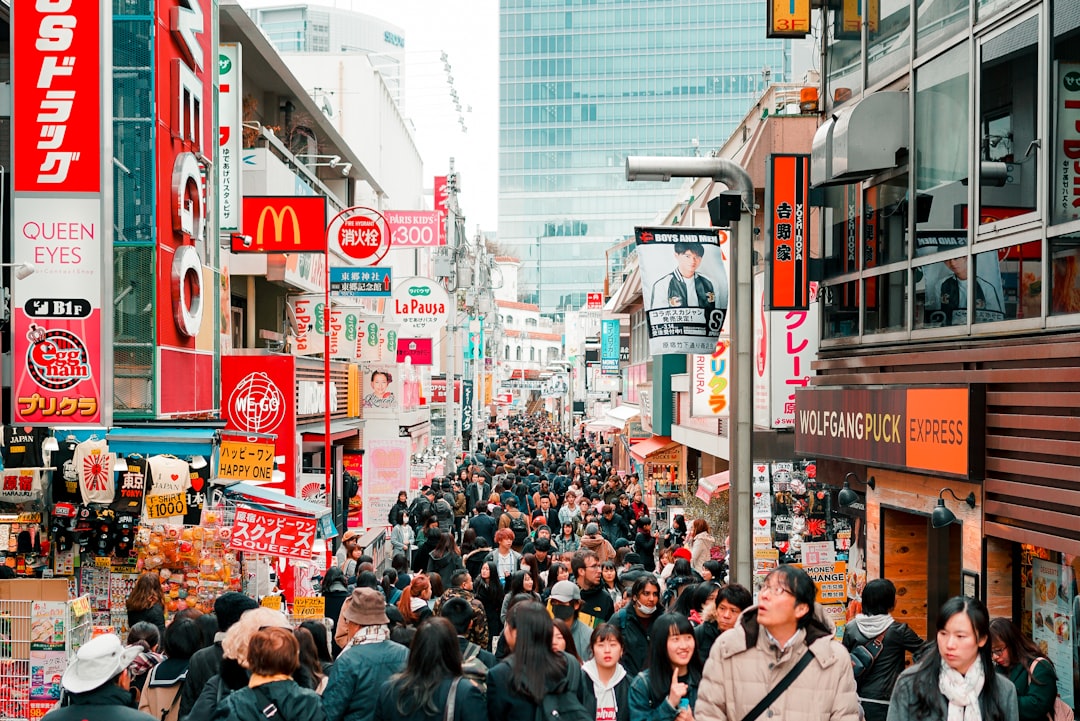
The first time I turned off Omotesando station’s exit and walked toward Takeshita Street on a Saturday morning around 9:30 AM — before the crowds descended — the air hit me with something I still can’t fully describe: warm sugar, grilled dough, and a faint sweetness from the crêpe shops already firing up their griddles. The light was soft and slanted, cutting between the narrow shop facades in long golden bands. I stood at the entrance of Takeshita-dori with my mirrorless camera already out, heart genuinely racing, knowing I’d stumbled into the kind of place that ruins every other food street for you.
Why Harajuku Is a Photographer’s Dream Street Food Destination
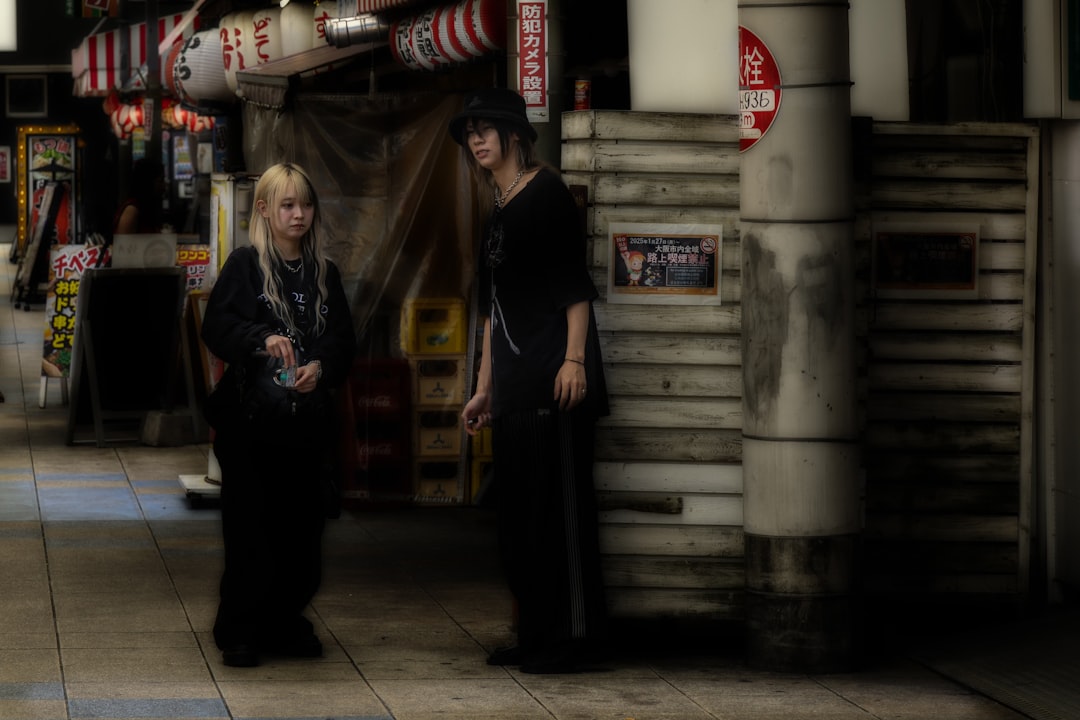
Harajuku’s street food scene is unlike anywhere else in Japan — and I’ve eaten my way through Osaka’s Dotonbori, Kyoto’s Nishiki Market, and Fukuoka’s yatai stalls. What makes Harajuku different is the intentional visual culture baked into every single vendor. Sellers here understand that their food is being photographed approximately one thousand times a day. So they engineer it: the rainbow cotton candy spiraled into a perfect dome, the pitch-black sesame soft serve swirled to a sharp point, the crepes folded into flamboyant cones stuffed with strawberries, custard, and whipped cream that spills over the edge like a baroque painting.
For photographers, this means your subjects are already styled. Your job is to find the right light, the right angle, and the right human moment.
The Essential Street Food Shots on Takeshita-dori
The Harajuku Crêpe — Your First Subject
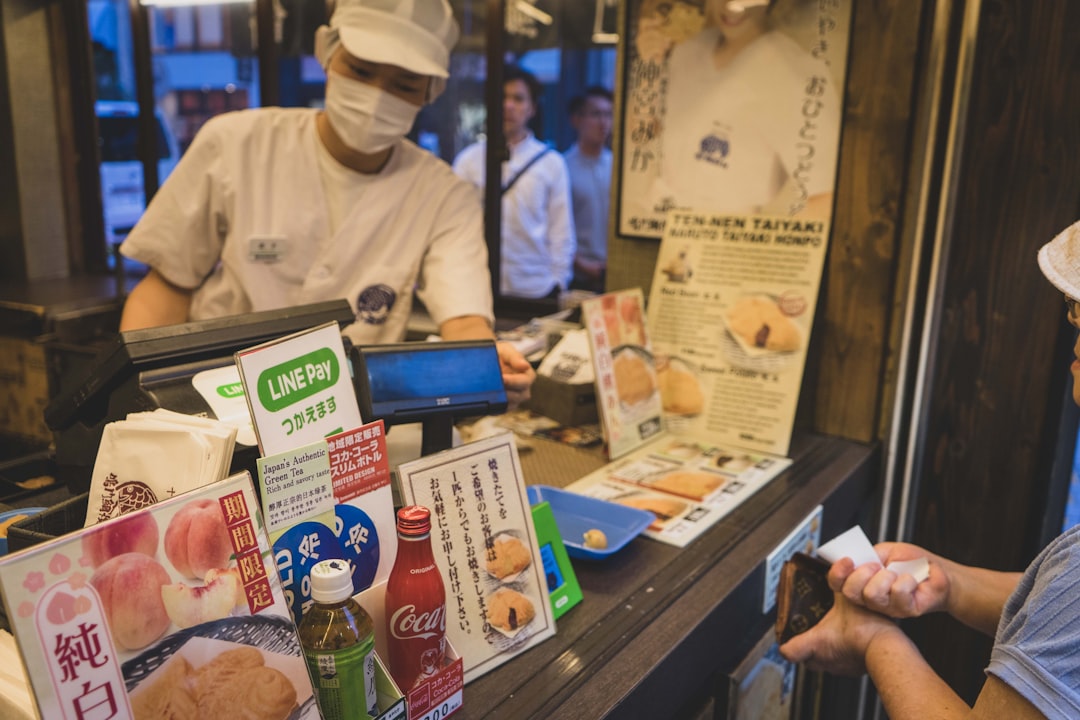
Angel Heart Crêpes and Marin Crêpe are the legacy names on this street, but honestly, any of the crêpe windows on Takeshita-dori will give you a camera-worthy cone. Order a strawberry-and-custard crêpe (around ¥500–¥700) and step back from the vendor window. The best angle is a low shot looking slightly up, with the shop’s pastel signage blurred in the background — f/1.8, ISO 400, and you’ll get that creamy bokeh that makes food photos pop.
Shoot it fast. The whipped cream wilts in Tokyo’s humidity within about four minutes, and you’ll want to eat it before it does.
Rainbow Cotton Candy at Totti Candy Factory
This is the shot that broke the internet and it’s still worth the ¥800 price tag. Totti Candy Factory on Takeshita-dori sells a cotton candy that’s layered in pastel rainbow gradients — pink into lavender into mint — and it’s the size of your head. Shoot it backlit near the shop entrance where diffused natural light filters through the spun sugar and makes it glow. Hold it high against a clear sky or a clean building facade. The translucency is the magic. Shoot in portrait mode if you must, but shoot it in RAW if you can.
Takoyaki and the Beautiful Mess of Street Snacks
About halfway down Takeshita-dori, and more prominently in the side streets feeding into the Cat Street area, you’ll find takoyaki stalls where octopus balls are cooked in iron molds, flipped with practiced precision, and drizzled with mayonnaise and bonito flakes that dance in the heat rising from the pan. This is where your street photography instincts take over. Don’t photograph the food — photograph the cook. Watch their hands. The repetitive flip-and-pour motion creates a rhythmic subject. Shoot at 1/500s to freeze the bonito flakes mid-flutter.
Hidden Spots Only Food-Photographers Find
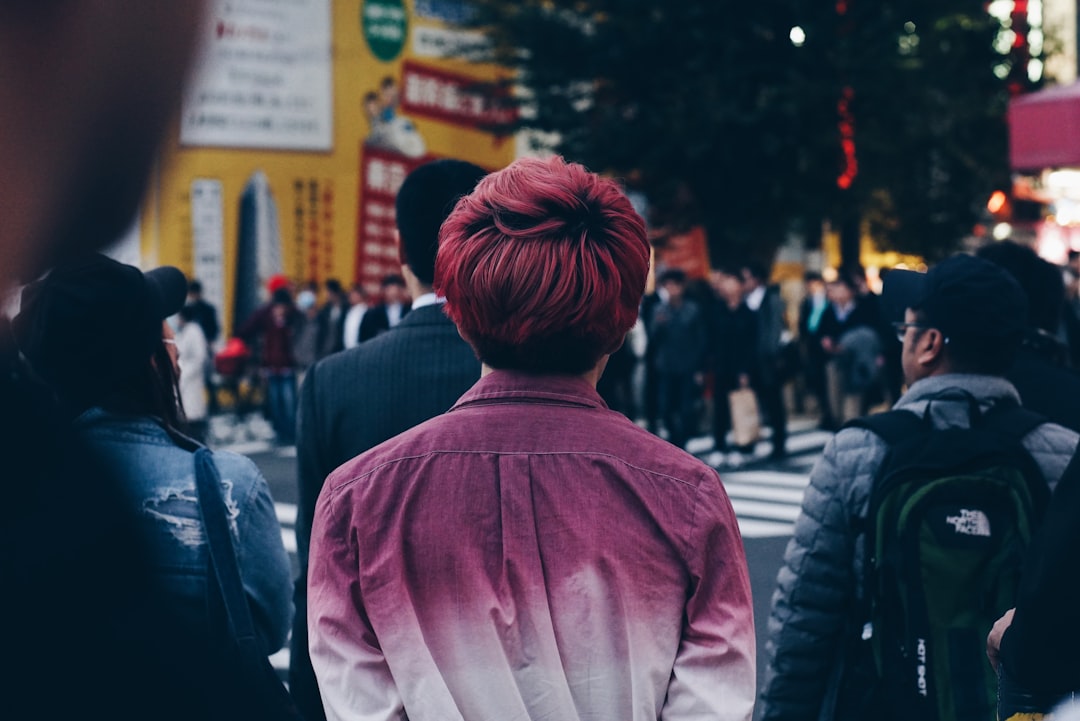
Here’s the thing nobody tells you about Harajuku’s street food scene: the best shots aren’t on Takeshita-dori itself. They’re in the alleys behind it.
On my third visit to Harajuku, a vendor selling matcha mochi near the end of Takeshita-dori noticed me photographing his display and said, in careful English, “Go behind. The old snack street. Nobody goes.” I followed his pointed finger down a narrow passage I’d walked past twice without noticing, and found a cluster of older stalls — less Instagrammed, more worn-in — selling mitarashi dango (sweet soy-glazed rice dumplings on skewers) and age-manjū (fried sweet bean buns) out of tiny windows with hand-painted signs. The light in that alley at 2 PM was extraordinary: high contrast, deep shadows, with golden pools hitting the lacquered dango in a way that made them look like they’d been lit by a food photographer’s softbox.
Cat Street, running parallel to Omotesando, also rewards the patient photographer. It’s calmer, less crowded, and the cafes here — including some serving artisanal soft serve in jet-black activated charcoal or vivid matcha — have the cleaner backgrounds that make product-style food shots easier to achieve.
Practical Tips for Photographing Harajuku Street Food
Timing Is Everything
Arrive at Takeshita-dori between 9:00 and 10:30 AM on any day of the week. Vendors start setting up, food is freshest, and the street is navigable without shoulder-to-shoulder crowds. By noon on weekends, Takeshita-dori becomes a moving wall of people — still shootable, but chaotic. That mid-morning window gives you soft pre-noon light, cooperative vendors who aren’t yet overwhelmed, and a crêpe you can actually photograph without someone’s elbow in the frame.
The second golden window is around 4:30–5:30 PM, when the golden hour light slants down the street from the west end and turns everything warm and cinematic. The crowds thin slightly, and the neon signs begin to compete with the natural light in a way that’s genuinely beautiful.
Gear Recommendations
You don’t need a DSLR the size of a small dog to photograph street food here. My go-to setup for Harajuku is a mirrorless camera with a 35mm f/1.8 lens — light enough to carry all day, wide enough to get environmental context, and fast enough for low-light alley shots. A smartphone with a good portrait mode absolutely works too. What matters more than gear is positioning: get low, get close, and always check what’s in your background before you shoot.
Ask Before You Shoot People
Most vendors are entirely comfortable being photographed — this is Harajuku, and they know the deal. A small bow and a gesture toward your camera is usually enough to get a nod. Younger vendors often want you to tag them on Instagram. But always ask. Always.
What to Budget and How to Eat Well
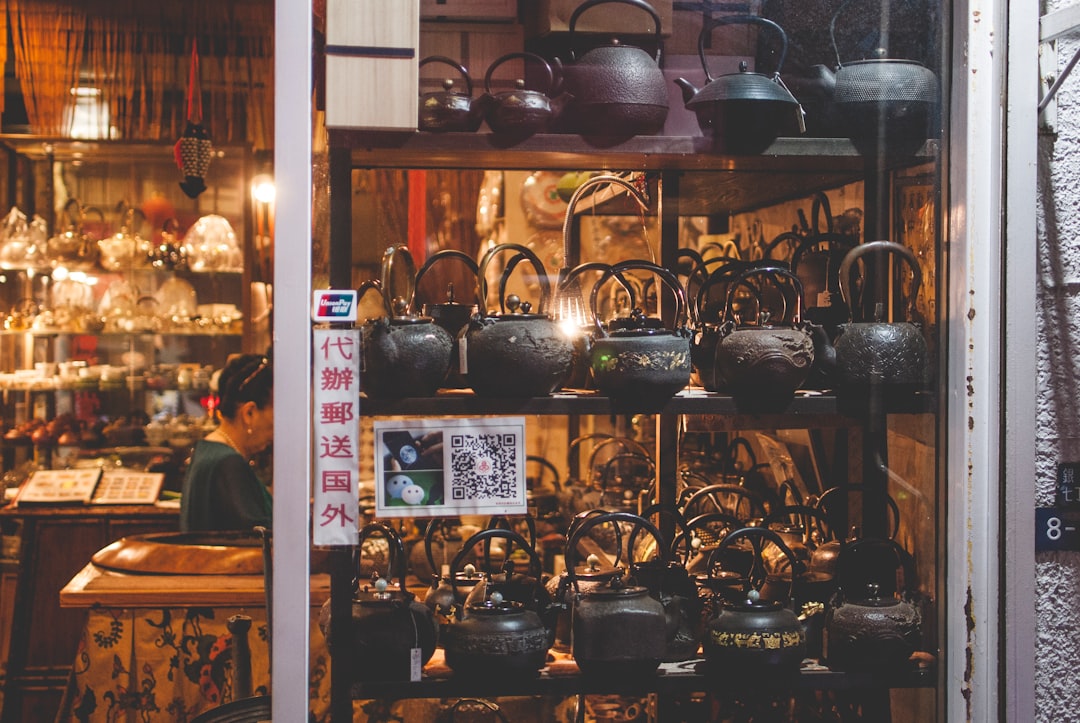
Harajuku street food is surprisingly kind to a photographer’s wallet — most items run ¥400–¥900 (roughly $3–$6 USD). A full afternoon of grazing — crêpe, cotton candy, takoyaki, soft serve, and a dango skewer — will set you back around ¥3,000–¥4,000 total, and you’ll be pleasantly full without sitting down once. Budget a little more if you want a matcha latte from one of the Cat Street cafes (¥700–¥1,000), which, for the record, photograph beautifully. If you’re looking for more traditional market-style food photography experiences, you might also explore Tokyo’s Tastiest Morning: A Food Lover’s Ultimate Guide to the Tsukiji Outer Market Food Tour or Toyosu Market Food Tour: The Photography Enthusiast’s Guide to Tokyo’s New Fish Market.
The Shot That Made Me Fall in Love with This Street
It was a Tuesday in early April, the cherry blossoms a few days past peak, and I was finishing my last dango skewer near the quieter end of Takeshita-dori as the 5 PM light turned everything amber. A girl in a full Lolita dress — black lace, white petticoats, a parasol tilted at a perfect angle — stopped at a crêpe window, ordered something enormous and pink, and turned to walk back into the crowd. The light caught the spun sugar on top of her crêpe and made it look like it was on fire. I got the shot. It’s still the wallpaper on my laptop. Nobody posed for it. Nobody staged it. That’s what Harajuku does — it hands you moments that look like they were designed by a film director, and then it asks you to keep up.
Final Thoughts: Come Hungry, Leave Inspired
Harajuku’s street food tour is not a passive experience for photographers — it’s a full workout of the eye and the appetite simultaneously. Every food stall is a new composition challenge. Every bite is a tiny reward for figuring out the angle. The neighborhood is loud, colorful, occasionally overwhelming, and absolutely, completely worth it. If you’re visiting the area, you might also want to check out First Timer’s Tokyo: The Ultimate Meiji Shrine and Harajuku Walking Tour for First-Time Visitors to explore the broader Harajuku district. Go in the morning, stay until golden hour, eat everything that looks interesting, and shoot without hesitation. Tokyo’s most photogenic street is waiting — and it tastes like strawberry custard crêpe with way too much whipped cream.
Ready to experience it?