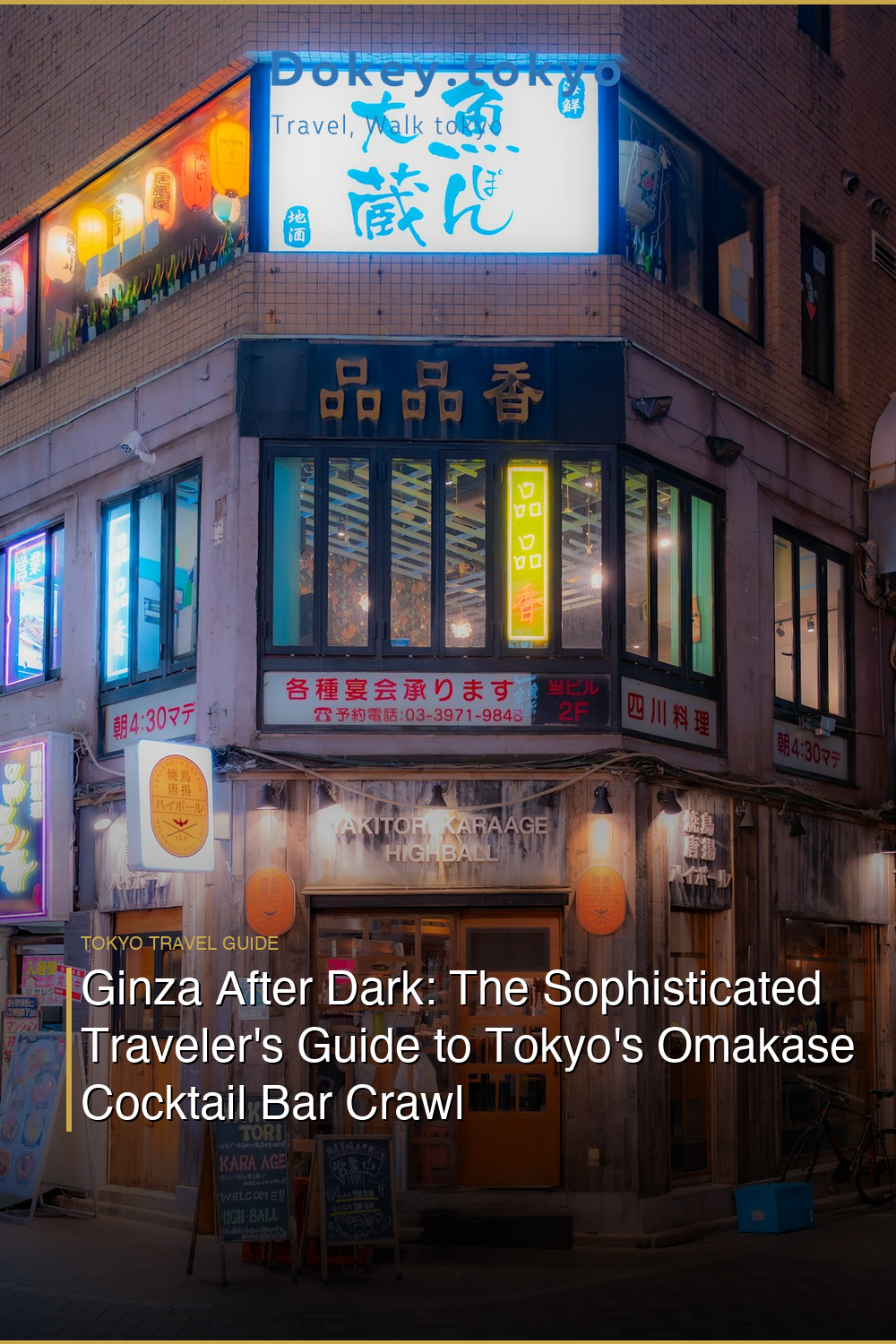
There’s a particular kind of silence that exists inside a great Japanese cocktail bar — not the uncomfortable kind, but the reverential hush of a space where craft is taken seriously. If you’ve ever sat at a tasting menu dinner and felt that electric thrill of surrendering your choices to a chef who knows better than you do, then Tokyo’s omakase cocktail bar scene in Ginza will do something to your soul that no other city on earth can replicate. This isn’t bottle-service nightlife. This isn’t Instagram-bait foam and dry ice. This is slow, precise, deeply considered mixology performed by bartenders who have spent decades perfecting a single stir.
I still remember stepping out of Ginza-Itchome station on my third Tokyo trip, a Tuesday evening in November, just as the neon signs along Chuo-dori flickered on against a violet sky. The air smelled faintly of roasting chestnuts from a street cart I never found again, and somewhere above me a piano note drifted down from an open window on the fourth floor of a building with no English signage. That was the moment I understood that the best things in Ginza were not going to announce themselves.
Why Ginza Is the World Capital of Serious Cocktail Culture
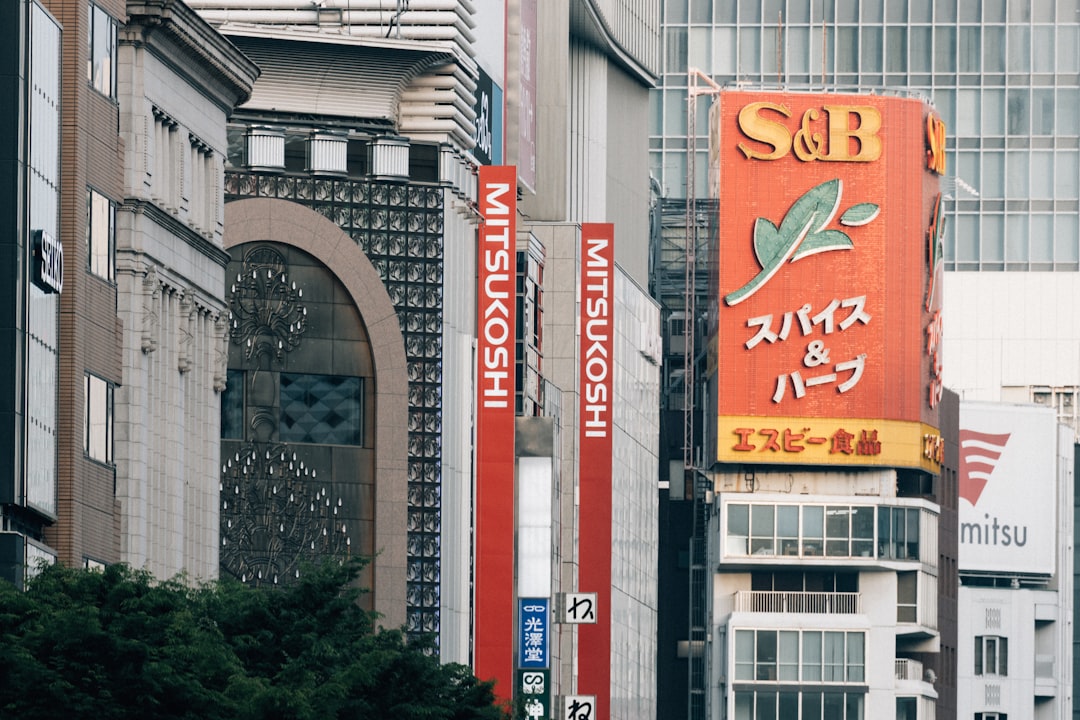
Ginza earned its reputation as Japan’s most glamorous neighborhood through decades of hosting discerning clientele — executives, art collectors, diplomats — who demanded the same precision from their evening drinks as from their kaiseki dinners. The result is a cocktail culture unlike anywhere else on the planet. Bartenders here train for years under masters before they’re permitted to serve guests solo. Ice is hand-carved from massive blocks. Fruit is sourced from Takashimaya’s basement food hall, where a single perfect Hokkaido melon can cost $100. The philosophy is identical to omakase dining: you trust the expert completely, and in return, they take you somewhere unexpected.
For connoisseur travelers — the kind who plan trips around reservations at Noma or make detours for a specific single malt — Ginza’s bar scene is the main event, not the afterthought.
Planning Your Omakase Bar Crawl: The Essentials
Timing and Pacing
The ideal Ginza cocktail crawl spans three bars across one evening, starting no earlier than 7:30 PM and finishing by midnight. Japanese bar culture values lingering over rushing — plan two hours per bar minimum, which means three bars is genuinely the maximum if you want to do it properly. Most high-end bars in Ginza seat between six and twelve guests at the counter, and reservations are not just recommended — at the top establishments, they are mandatory weeks in advance. Book before you book your flights.
Dress code matters here. Smart casual at minimum; most seasoned visitors wear a blazer or elegant separates. Think of it the way you’d dress for a Michelin-starred restaurant.
Budget Reality Check
A single cocktail at a premium Ginza bar runs between ¥2,500 and ¥6,000 (roughly $17–$40 USD). A seat charge (known as chakkin or table charge) of ¥1,000–¥2,000 per person is standard and covers snacks. Budget ¥25,000–¥35,000 per person for the full three-bar evening including transport and light bar snacks. This is a splurge experience — but compared to equivalent cocktail destinations in London or New York, the quality-to-price ratio remains extraordinary.
The Crawl: Three Bars, One Transcendent Evening
Bar One: Start at a Classic Counter Bar in the Backstreets
Begin your evening somewhere that has been doing this since before molecular mixology existed. The true old-school Ginza bars — the ones that opened in the 1960s and 70s — occupy small rooms on the third or fourth floors of anonymous buildings, accessible only by a tiny elevator with no lobby. You press a buzzer. Someone answers. This is the ritual.
At bars of this caliber, you don’t order from a menu. You tell the bartender your mood, your recent meals, whether you’re warm or cold, what spirit you love and what you loathe. Then you watch. The hand-cut ice goes in first — a perfect diamond or sphere depending on the drink — followed by spirit and modifier measured with practiced instinct rather than jigger. The stir is hypnotic: slow, elliptical rotations for sixty to ninety seconds, the long bar spoon barely breaking the surface tension. What arrives in front of you is the temperature, dilution, and balance of a drink engineered for your exact preferences. That’s omakase.
During one visit, the bartender — a silver-haired man who spoke almost no English but communicated entirely through expression and gesture — slid an unmarked glass toward me and said only one word: Yuzu. It was the most quietly perfect sour I have ever tasted, built around aged Japanese whisky and a housemade yuzu cordial he’d been making the same way for fifteen years. I asked if it had a name. He shook his head and smiled.
Bar Two: The New Wave — Japanese Craft Spirits and Seasonal Omakase Menus
By your second bar, your palate is warmed up and your mind is open. This is the moment to seek out one of Ginza’s newer generation bartenders who are doing something genuinely experimental within a deeply Japanese framework. Look for bars that feature domestic craft gin from distilleries in Kyushu or Hokkaido, Japanese vermouth made from local botanicals, and seasonal omakase cocktail courses — typically four to six drinks paired with small savory bites — that change monthly.
These establishments often have English menus and bartenders who’ve trained internationally before returning to Japan, which makes them slightly more accessible for first-time visitors to the scene without sacrificing any of the craft. The food pairings here can be extraordinary: a smoked dashi cocktail served alongside a single bite of uni on toasted milk bread; a highball made with 12-year Yamazaki resting beside a sliver of aged Japanese beef.
Ask specifically about what’s in season. A good bartender will light up at this question. Japanese mixology is deeply connected to shun — the concept of peak seasonal ingredients — and a bartender who cares will tell you that tonight you should be drinking something with sudachi citrus, or persimmon, or the first strawberries from Tochigi.
Bar Three: End the Night at a Whisky Bar That Doubles as a Time Machine
No Ginza cocktail crawl is complete without finishing somewhere devoted to Japanese whisky — ideally a bar with a wall of dusty bottles behind the counter representing distillery runs from the 1980s and 90s that no longer exist. If you’re interested in exploring the broader world of Japanese spirits, Tokyo whisky bar hopping in Yurakucho offers another excellent nearby destination for serious spirits enthusiasts. The market for old Japanese whisky has exploded globally, but Ginza’s whisky bars have been quietly hoarding bottles since before anyone in the West was paying attention.
This is where you surrender to simplicity. After two bars of elaborate craft cocktails, what you want now is a perfectly chilled glass — probably Baccarat crystal — containing two fingers of something rare and beautiful, a single large sphere of ice, and absolutely nothing else. No garnish. No commentary from the bartender unless you ask. Just time to sit with the glass and listen to whatever jazz is playing softly from speakers you can’t locate in the room.
Practical Tips for the Connoisseur Traveler
Reservations and Research
Use a hotel concierge at any luxury Tokyo property — they maintain relationships with bars that don’t take public reservations. Alternatively, the platform Tableall and the Pocketconcierge service specialize in securing exactly these kinds of elusive bookings for English-speaking visitors. Start your research at least three to four weeks out from your travel dates.
Navigation
Ginza’s best bars are famously difficult to find by design. Save locations to Google Maps offline, note building names in Japanese on your phone to show taxi drivers, and accept that getting slightly lost between bars is part of the experience. The neighborhood is compact and very safe at any hour.
Etiquette That Matters
Phone usage at the counter is generally frowned upon — keep photography minimal and always ask before photographing the bar or bartender. Speak quietly. Tip is not customary in Japan, but expressing genuine appreciation through conversation and return visits is deeply valued. If a bartender makes you something extraordinary, saying Subarashii (wonderful) will earn you a rare, genuine smile.
One Moment I Can’t Stop Thinking About
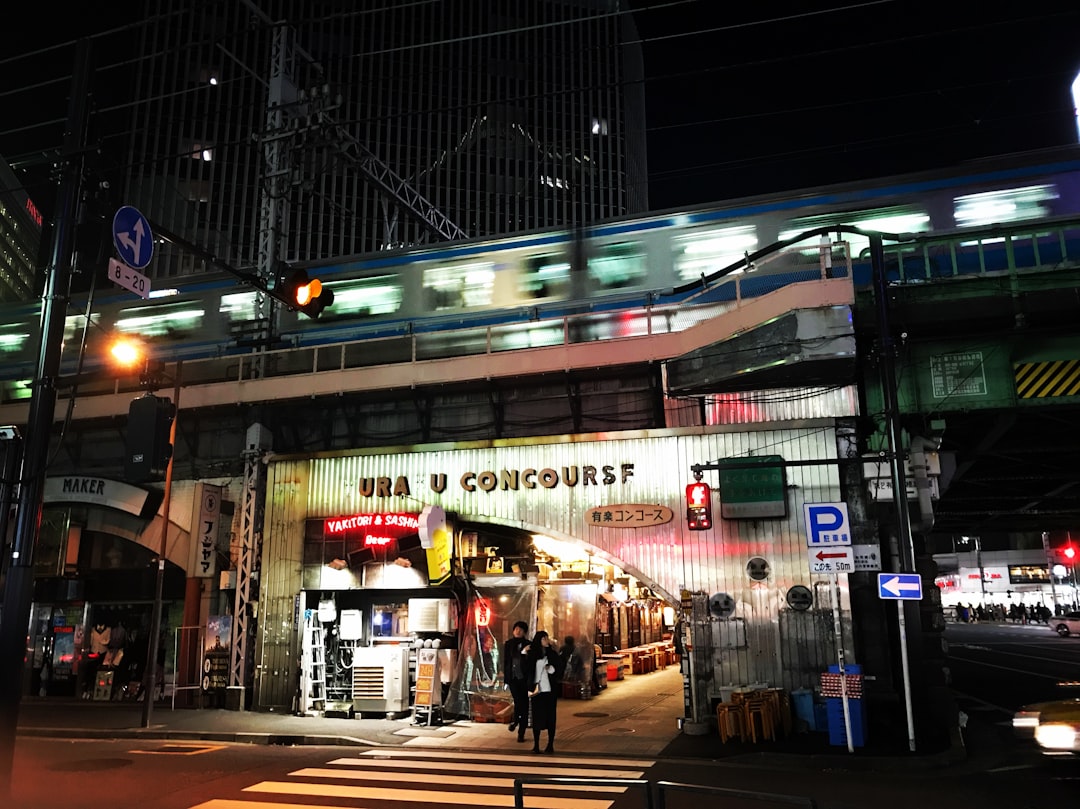
Late on a Friday in October — my fifth visit to Tokyo and my second to the same tiny whisky bar on the seventh floor of a Ginza building — I was nursing a 1989 Karuizawa single cask when the bartender, without being asked, produced a small ceramic dish with two pieces of dark chocolate from a maker I’d never heard of in Kyoto. The chocolate carried a faint smokiness that echoed the whisky in a way that felt entirely intentional. When I looked up, he was already attending to another guest, completely unhurried. Outside the window, midnight Ginza glittered thirty feet below us, and for a full five minutes I forgot entirely that I had a flight home in two days.
When to Go and Final Thoughts
Ginza’s bar scene runs year-round, but autumn (October–November) and late spring (April–May) offer the most compelling seasonal menus and the most pleasant evenings for walking between bars. Avoid late December when bars are packed with bonenkai (year-end) parties — it’s a different atmosphere entirely.
If you are the kind of traveler who reads cocktail menus the way other people read novels, who plans itineraries around specific bottles and bartenders, who believes that a great drink is a complete artistic experience — Ginza’s omakase bar crawl is not a nice addition to your Tokyo trip. It is your Tokyo trip. Everything else is context.