
There’s a moment — and if you’ve done this, you know exactly the one I mean — when you’re standing in front of a glossy slab of bluefin tuna so freshly cut it still glistens under the fluorescent lights, and you realize that every piece of grocery-store sushi you’ve ever eaten has been a lie. That moment happened to me on my third trip to Tokyo, but it’s the experience I now tell every first-timer they absolutely cannot skip: a sushi making class tied directly to a visit to Toyosu Market, the beating heart of Japan’s seafood world.
I remember stepping off the Yurikamome Line at Shijo-mae Station on a Tuesday morning, the salt-tinged air hitting me before I even cleared the turnstile. The market hums at a frequency you feel more than hear — the low rumble of cart wheels on concrete, the sharp staccato of auctioneers’ calls drifting from the tuna auction level, the occasional metallic clang of ice trays. The sky outside was the pale grey of early Tokyo mornings, and the whole place smelled gloriously, overwhelmingly like the ocean decided to move to the city.
Why First-Time Visitors Should Prioritize This Experience
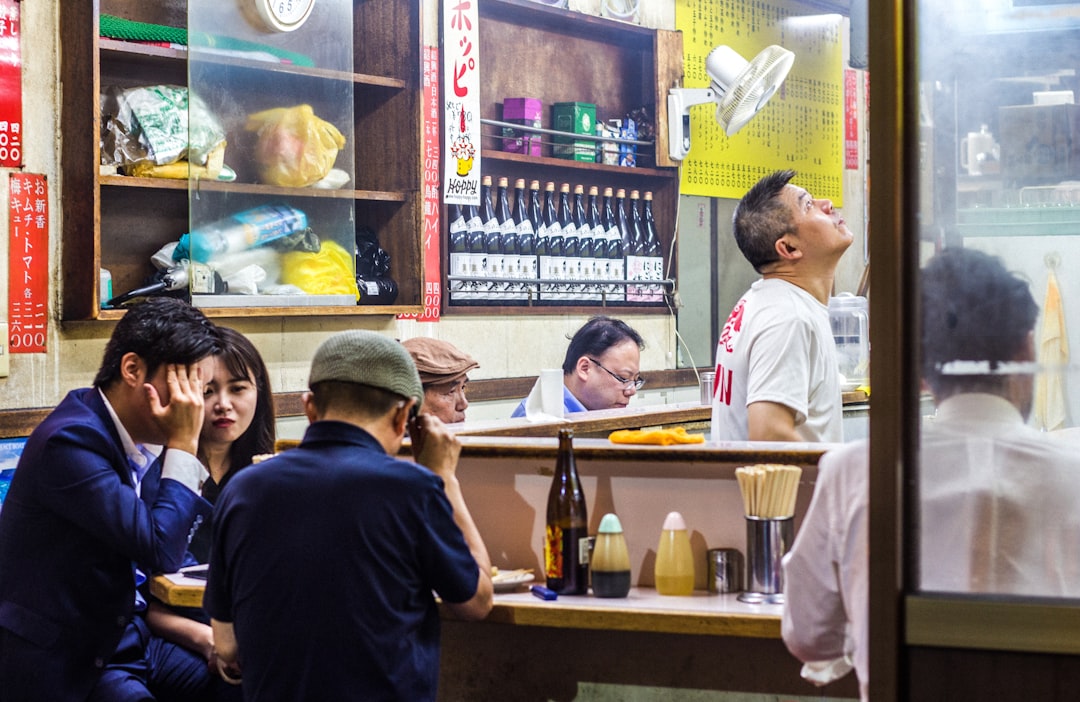
Tokyo is famously overwhelming for first-timers. The subway map alone can induce a mild panic attack, and the sheer number of ‘must-do’ lists floating around the internet doesn’t help. But here’s my honest advice after seven trips to this city: skip the third temple on your itinerary and do the sushi class instead. Here’s why.
A Toyosu Market cooking class is not just a cooking class. It’s a cultural orientation disguised as a fun morning activity. Within three hours, you’ll understand why Japanese food culture commands such global reverence, why a single piece of nigiri can cost more than your lunch back home, and why the word shokunin — the Japanese concept of the artisan who devotes a lifetime to perfecting one craft — is not hyperbole when applied to sushi chefs.
For a first-time visitor still finding their footing in Tokyo, this experience provides an anchor. It gives you a story, a context, and a community of fellow travelers and local instructors who help decode the culture in the most delicious way possible.
What Actually Happens at a Toyosu Market Sushi Making Class
🎫 Book on Klook: Sushi Making Class Tokyo Fresh Fish →
The Market Walk: Where Your Ingredients Begin Their Story
Most reputable sushi cooking experiences in this area begin with a guided tour of Toyosu Market itself — or at minimum, a walk through the outer market zones open to the public. You’ll want to arrive early; the guided portions often start between 7:00 and 9:00 AM to catch the market at peak activity.
Your instructor — typically a bilingual guide with deep ties to local vendors — will walk you through the indoor wholesale floors, pointing out the difference between farmed and wild yellowtail, explaining why the marbling on a specific cut of tuna determines its grade, and translating the rapid-fire banter between fishmongers who’ve known each other for decades. Cameras are welcome in most public areas, and the visual drama is extraordinary: towers of styrofoam ice boxes, whole swordfish laid out like silver sculptures, the violent flash of a knife breaking down a fish the size of a small child.
During one early morning walk with a vendor named Kenji-san — a third-generation fish dealer who looked me dead in the eye and said ‘fresh fish needs no sauce’ — I learned something that changed how I order sushi forever. He pointed to the belly section of an otoro cut and told me the best piece isn’t always the most expensive one; it’s the one your chef selected for the temperature of that specific day. I have no idea if I understood him completely through the translation, but I’ve thought about it at every sushi counter since.
The Cooking Class: From Fish to Finished Nigiri
After the market walk, the class moves to a dedicated teaching kitchen — usually a clean, well-equipped space either within the Toyosu complex or in a nearby studio in the Tsukishima or Koto Ward area. Class sizes tend to run between 6 and 14 participants, which keeps things intimate.
The curriculum for a standard 2.5-to-3-hour session typically covers:
Sushi rice (shari): This is where most Western participants have their first revelation. The rice is not just a vehicle — it is half the dish. You’ll learn the precise vinegar-to-rice ratio, the folding technique that cools without crushing, and why the temperature of the rice when it hits the fish matters enormously. The instructor will make you taste the rice plain, before the fish arrives. This is intentional.
Knife skills and fish handling: Depending on the class level, you may be taught how to slice a pre-prepared fillet of salmon or tuna into nigiri portions, or even how to break down a smaller whole fish. The emphasis is always on respecting the ingredient — minimal waste, confident cuts.
Nigiri and maki construction: You’ll make both. The nigiri technique is humbling — a proper two-squeeze press that shapes the rice into an oval without compressing it into a dense brick takes practice, and you will fail at this repeatedly before you get it right. The maki rolling, done with a bamboo mat, tends to come more naturally. Neither will look as effortless as when your instructor does it.
Tasting and pairing: The class ends with you eating everything you made, often accompanied by miso soup, pickled vegetables, and sometimes a small pour of cold sake or green tea. This is the moment the room gets very quiet, because everyone is suddenly too busy eating to speak.
Practical Tips for First-Time Visitors Booking This Experience
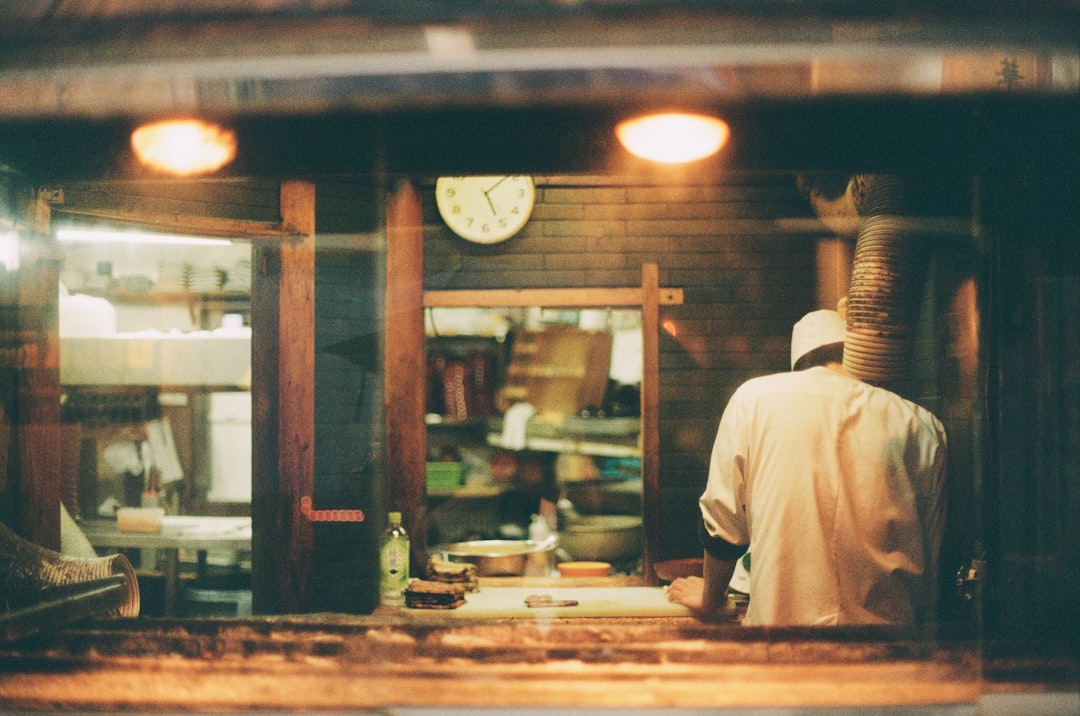
How to Choose the Right Class
Several operators run Toyosu-adjacent sushi experiences, ranging from quick ninety-minute introductions aimed at cruise ship passengers to deep-dive half-day sessions for serious food travelers. As a first-timer, I’d recommend prioritizing classes that include the market walk and the cooking component together — paying a little more for that combined experience is absolutely worth it. Look for operators who list their class size (smaller is better), specify that the fish comes directly from that morning’s Toyosu haul, and offer bilingual instruction.
Booking in advance is non-negotiable. The best-reviewed classes fill up four to six weeks out, especially during cherry blossom season (late March to early April) and autumn (October to November).
What to Wear and Bring
Wear comfortable, closed-toe shoes — the market floors are wet and occasionally slippery. Bring a light jacket regardless of the season; the refrigerated warehouse areas are cold in summer and absolutely frigid in winter. Most kitchens provide aprons and all tools, but I always tuck a small notebook into my bag for jotting down ratios and techniques. Your phone camera will get a serious workout, so charge it the night before.
Best Time to Visit for First-Timers
The ideal window is October through early December: the weather is crisp and walkable, the early morning light over Tokyo Bay is genuinely beautiful, and the market is operating at full seasonal capacity. Spring is magical but crowded beyond belief. Summer is doable but the pre-dawn heat outside the refrigerated halls is punishing. Winter is for the hardcore, but those early January tuna auctions, when the year’s first bluefin sells for astronomical sums, are a spectacle unlike anything else in the food world.
The Deeper Value: What You Take Home Beyond the Recipe
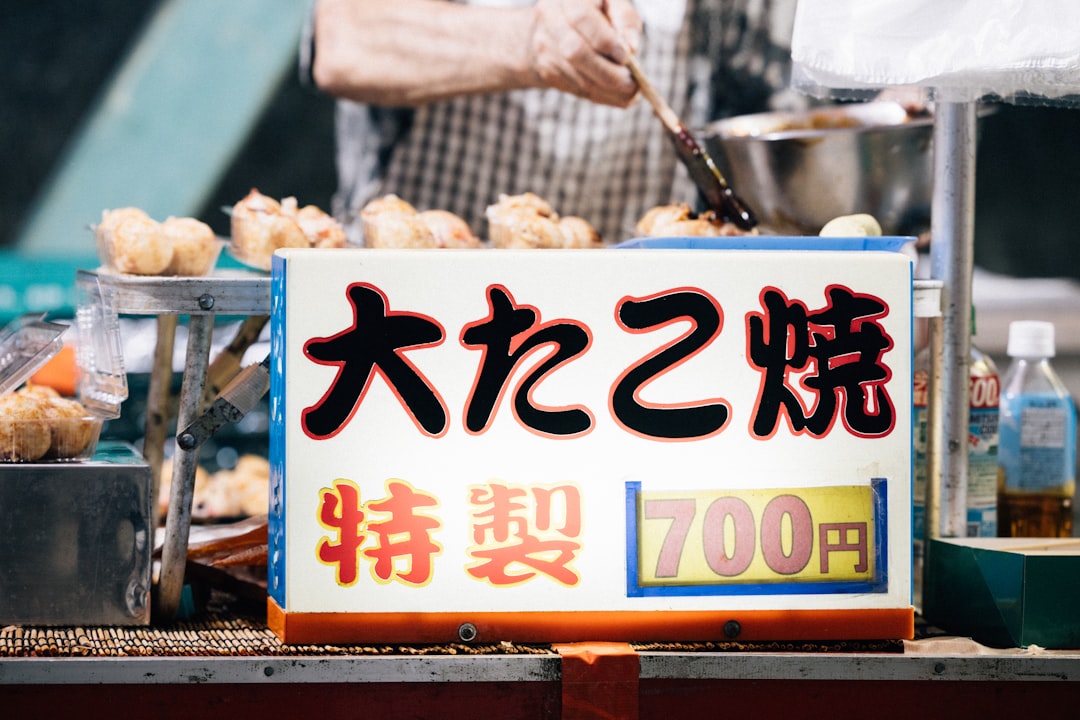
The recipe card they give you at the end of class is a nice souvenir. But what you actually leave with is harder to laminate.
At the end of my class, I sat at a long wooden counter eating the lopsided, imperfect nigiri I’d made — rice a little too thick on one end, the tuna slice not quite centered — next to a retired couple from Lyon who were on their first trip to Asia, and a young graphic designer from Seoul who’d taken the Shinkansen to Tokyo just for this one morning. The instructor, a compact woman in her fifties who had trained under a Ginza sushi master for twelve years, watched us all eating in happy, exhausted silence and said something in Japanese. The guide translated: ‘Now you understand why we say the meal is already finished when the fish leaves the water. Everything after that is just listening.’
I sat with that sentence for a long time.
Before You Book: The Honest Bottom Line
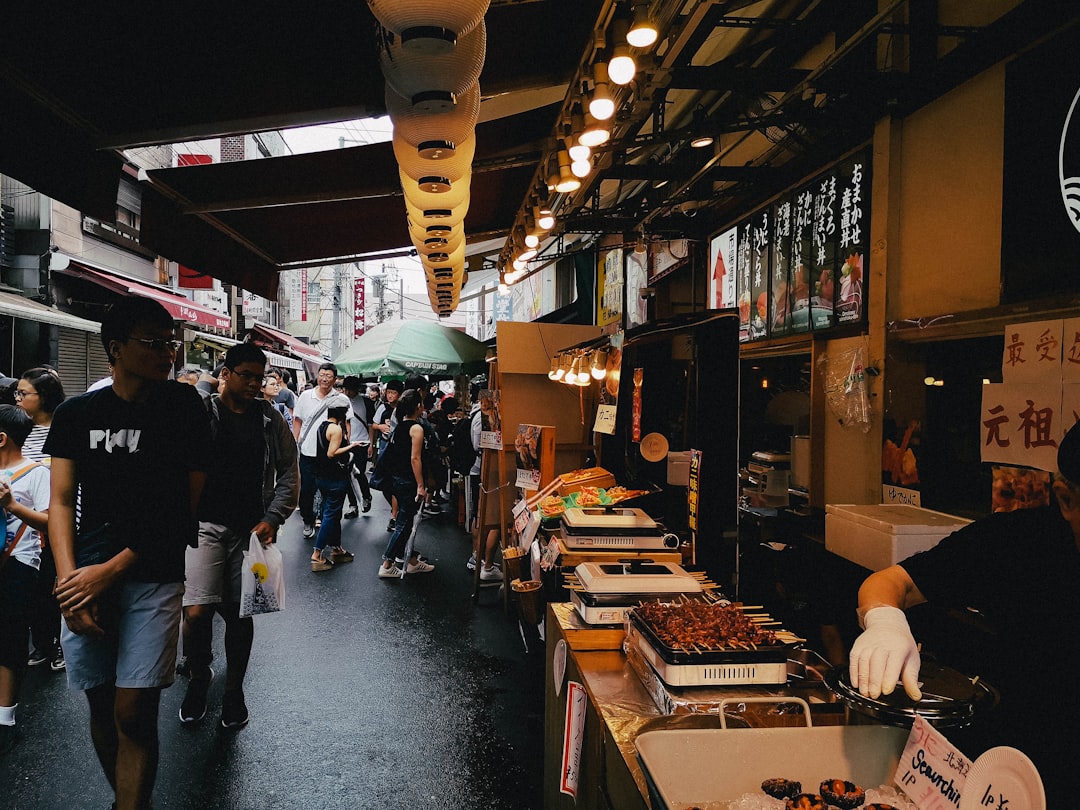
A quality Toyosu Market sushi making class runs between ¥12,000 and ¥20,000 per person (roughly $80–$135 USD) depending on the operator and what’s included. That is not cheap. For a first-time visitor on a tight budget, it might feel like a splurge. But I’ve spent more money on forgettable dinners in Tokyo, and I’ve never once wished I hadn’t taken this class. It is the single experience I recommend above everything else to someone visiting Japan for the first time — above Shibuya Crossing, above Senso-ji, above the teamLab digital art museums. If you’re looking to explore other unique culinary experiences in Tokyo, you might also consider learning tempura cooking from a master chef.
Book early, arrive hungry, and please — let the instructor correct your nigiri grip. That small act of surrender is where the real trip begins.