There’s a particular kind of traveler who books a flight to Tokyo not for the cherry blossoms or the neon-lit streets of Shinjuku — though those are wonderful — but for the food. The kind of traveler who researches Michelin-starred ramen shops at midnight, who packs an extra bag specifically for bringing home dashi kombu and matcha powder, and who genuinely believes that learning to cook a dish is the most intimate way to understand a culture. If you’re nodding right now, this article was written for you. A Tokyo tempura cooking class isn’t just a tourist activity to tick off a list. It’s a three-hour portal into one of Japan’s most misunderstood culinary art forms — and sitting across from a master chef who has spent forty years perfecting a single frying technique will change the way you think about food forever.
I still remember stepping into the tiny kitchen studio in Asakusa on a grey Tuesday morning in November, the smell of sesame oil already warm and nutty in the air before I’d even removed my shoes. The instructor — Chef Hiroshi, a compact man in his sixties with forearms that looked like they’d been carved from oak — bowed and said simply, “Tempura is patience. Not technique.” I wrote that down in my notebook before the class even started, and I haven’t stopped thinking about it since.
Why Food Enthusiasts Should Prioritize a Tempura Class Over Another Restaurant Booking
🎫 Book on Klook: Tokyo tempura cooking class →
Tokyo has roughly 160,000 restaurants. As a food-obsessed traveler, you will not run out of places to eat — that is a guarantee. But eating tempura at a counter restaurant, even a spectacular one in Ginza, gives you flavor without understanding. A dedicated tempura cooking class in Tokyo hands you the why behind every translucent, gossamer-light crust.
Tempura arrived in Japan in the 16th century, introduced by Portuguese missionaries who fried vegetables during Lenten fasting periods called Quatuor Anni Tempora. Japanese cooks absorbed the technique and quietly elevated it into something the Portuguese never imagined. Today, authentic Edo-style tempura — the Tokyo variety — is considered a high art, with dedicated restaurants that serve nothing else and chefs who train for years before they’re allowed to touch the batter.
In a cooking class, you get to stand inside that tradition. You get flour on your hands. You get corrected on your wrist angle. You get to understand, viscerally, why the water must be ice-cold and why overmixing the batter is the single fastest way to ruin everything.
What to Expect Inside the Class: A Blow-by-Blow for the Serious Cook
🗾 Book on Viator: Learn Traditional Japanese Cooking Techn →
The Batter — Where Everything Begins and Ends
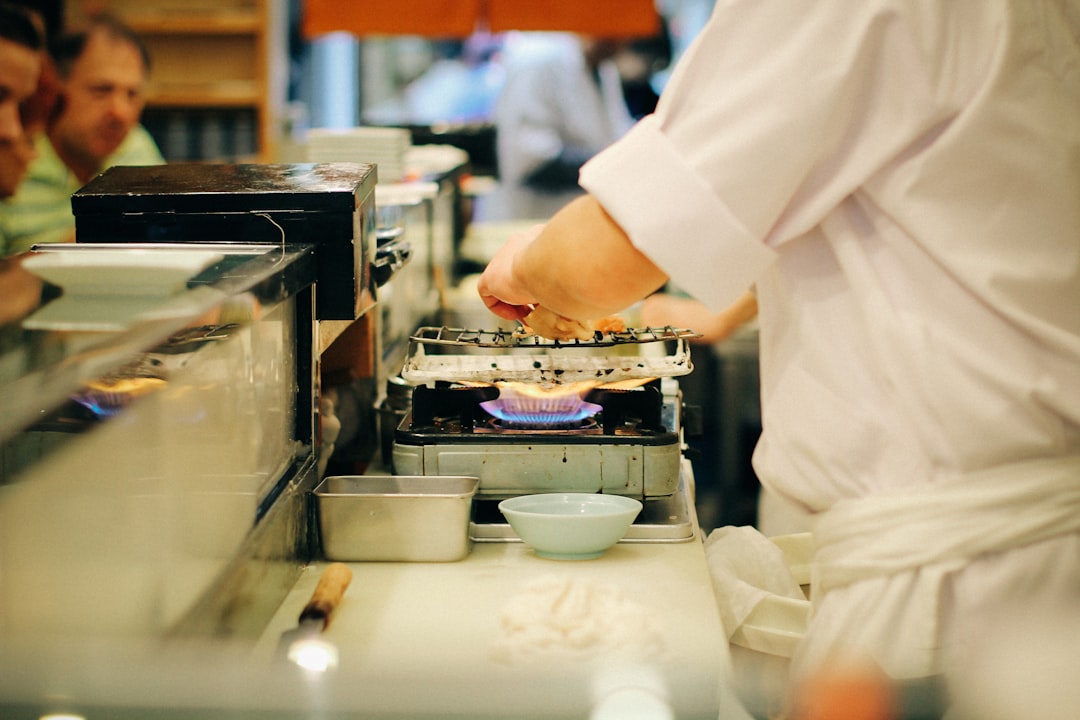
The first hour of most quality Tokyo tempura classes is devoted almost entirely to batter. For food enthusiasts who’ve spent years reading about Japanese cooking, this is both humbling and thrilling. The ratio of soft wheat flour (hakurikiko) to egg to ice water sounds deceptively simple — and then you realize that the mixing motion matters, the bowl temperature matters, the altitude of the room arguably matters. Chef Hiroshi had us mix our batter with chopsticks using exactly seven strokes, leaving visible lumps of dry flour floating on the surface. Everything in my Western cooking brain screamed that this was wrong. He caught my hesitation and smiled. “Lumps are your friend,” he said in careful English. “Lumps become air. Air becomes light.”
The Oil — Temperature Is a Living Thing
Good tempura classes will spend serious time on oil management, and this is where food enthusiast travelers get genuinely geeky. Traditional Edo-style tempura uses a blend of sesame oil and vegetable oil — the sesame giving that faint, toasty depth that you notice at the best tempura restaurants without ever being able to name it. The oil temperature shifts depending on what you’re frying: delicate maitake mushrooms need lower heat than a fat prawn, and vegetables go in before proteins to keep flavors clean.
The class I attended used a vintage cast-iron pot — not a modern fryer — and we learned to judge temperature by dropping a tiny bead of batter into the oil and watching how it moved. Too fast to the surface: too hot. Sinking: too cold. Hovering halfway, then rising in a slow, confident arc: perfect.
The Ingredients — A Market Visit Makes All the Difference
Many of the best Tokyo tempura cooking classes begin with a morning walk through Tsukiji Outer Market or a local neighborhood market before the kitchen session. For food enthusiasts, this is non-negotiable — choose a class that includes this component. Watching Chef Hiroshi select kuruma ebi (Japanese tiger prawns) at the market, pressing gently on the shells to check firmness and holding them up to the light, was a masterclass in ingredient sourcing that no cookbook chapter has ever replicated for me.
I’ll never forget what the fish vendor told me when I asked how to find the best shrimp for tempura at home: “Smell before you look. Fresh shrimp smells like the ocean. Bad shrimp smells like fish.” Simple, obvious in retrospect, and something I’d somehow never been told in twenty years of cooking.
Practical Tips for Food Enthusiast Travelers Booking a Tempura Class
🗾 Book on Viator: Discover Japanese Culinary Craftsmanship →
Choosing the Right Class
Not all Tokyo cooking classes are created equal. For serious food enthusiasts, avoid large group tourist classes (more than eight people) where individual attention evaporates. Look for small-group or private sessions led by actual professional chefs — not just cooking school instructors. Neighborhoods worth exploring for quality classes include Asakusa (traditional Edo atmosphere), Yanaka (old-Tokyo feel, more intimate studios), and Kagurazaka (French-Japanese culinary crossroads with serious food culture).
Expect to pay between ¥8,000 and ¥18,000 (approximately $55–$120 USD) for a quality small-group session. Premium private classes with a named chef can run higher, and they are worth every yen for the focused instruction.
What to Bring and Wear
Wear comfortable clothes you don’t mind getting splattered — oil travels. Bring a dedicated cooking notebook (yes, physical — phones in kitchens get greasy and chefs find them distracting). Download a translation app before you go because even English-friendly classes have moments where the chef slips into Japanese to describe something that doesn’t translate perfectly, and those moments contain some of the best information.
Best Time to Take a Tempura Class in Tokyo
Autumn (October through November) is my personal favorite season for this experience. The seasonal vegetable selection is extraordinary — kabocha squash, ginkgo nuts, lotus root, and shishito peppers are all at their peak. The cool weather also makes working around a pot of hot oil significantly more comfortable than August, when Tokyo’s humidity is a physical force. Spring is a close second, when taranome (angelica tree shoots) and bamboo shoots appear in the tempura lineup and taste like nothing you’ve ever fried before.
After the Class: Where to Eat Tempura Like a Newly Informed Expert
Once you’ve taken the class, your restaurant experience transforms completely. Head to Kanda Mikuriya in Akihabara for a traditional tempura lunch set, or splurge on an omakase tempura counter in Ginza where you sit inches from the chef and watch the techniques you just learned executed at an elite level. The difference between watching and understanding what you’re watching is immeasurable.
The Moment That Made It All Real
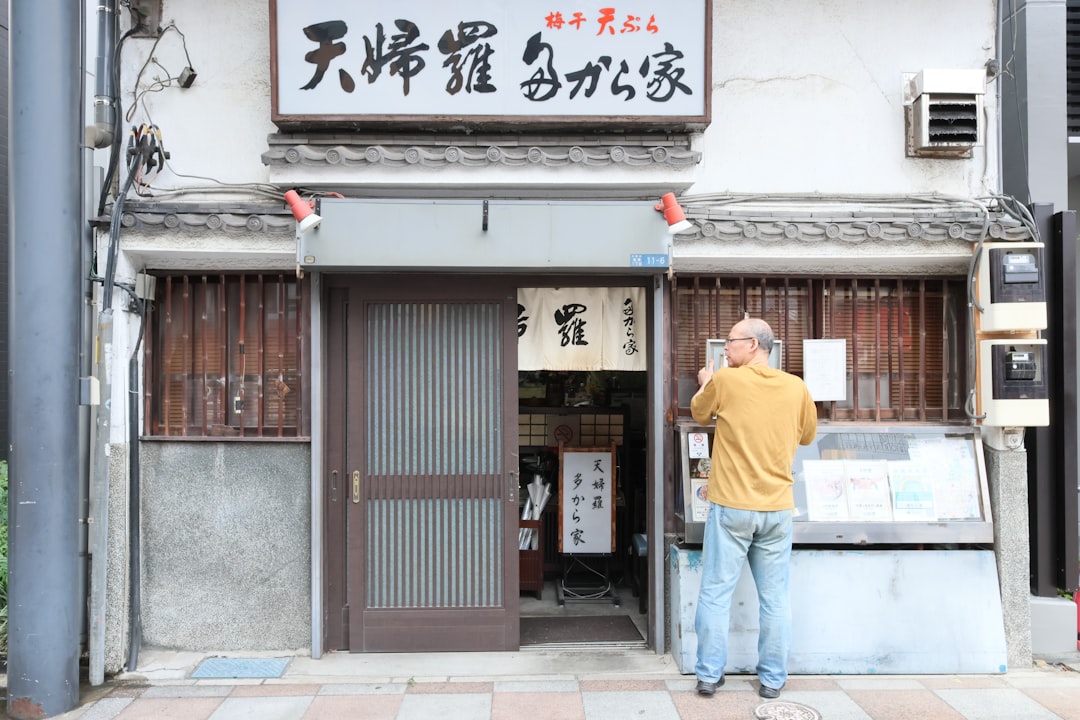
At the very end of our class, we sat together at a low wooden table and ate everything we’d made — the prawns, the lotus root, the shiso leaf tempura that had turned an impossible, lacy shade of translucent green. I bit into a piece of anago (saltwater eel) that I’d fried myself, the batter shattering like cold glass and giving way to something silky and oceanic underneath, and I felt this surge of emotion that was completely disproportionate to the moment and yet somehow exactly proportionate to it. Chef Hiroshi watched me eat and nodded once, the way someone nods when a long explanation has finally landed. Outside, the narrow Asakusa street hummed with mid-afternoon foot traffic and a bicycle bell rang twice in quick succession, and I thought: this is why I travel.
Bringing Tokyo Tempura Home
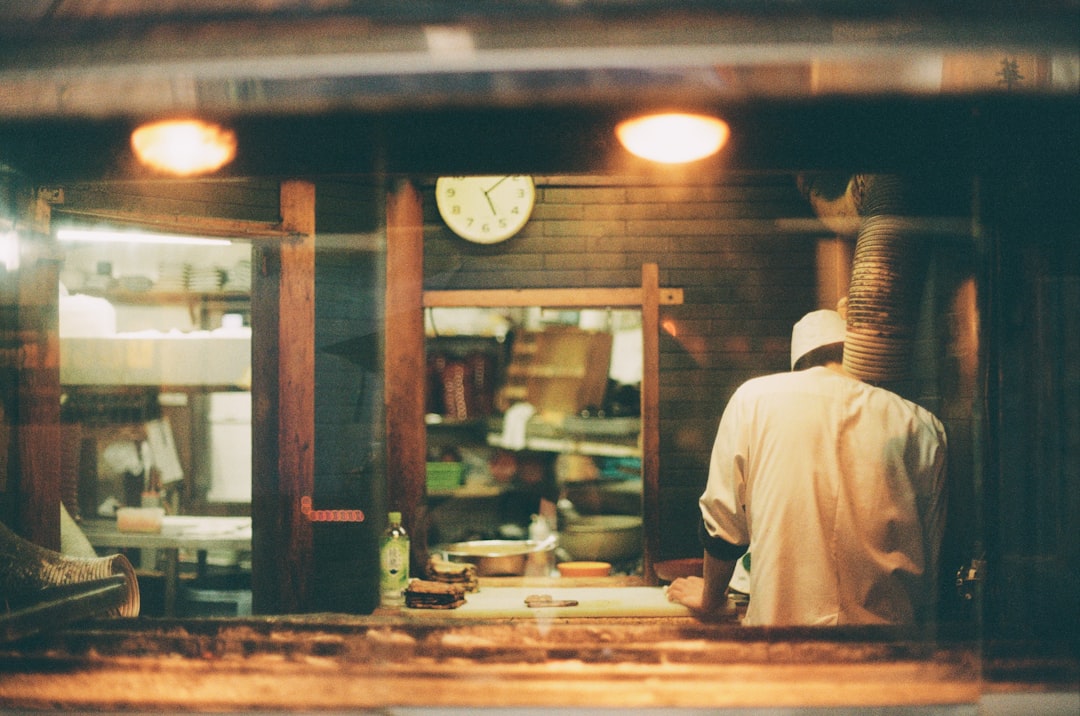
Every food enthusiast’s real goal is extension — taking a taste or technique home and keeping it alive in your own kitchen. Ask your instructor at the end of class for one thing: their recommended flour brand. The soft wheat flour used in Japanese tempura batter is not the same as all-purpose flour, and this single substitution accounts for more failed home tempura attempts than any other variable. Most chefs will write down the brand name in Japanese characters so you can purchase it before you leave at a depachika (department store basement food hall) or Kappabashi kitchen district.
The ice-cold water, the under-mixed batter, the sesame oil blend, the temperature read from a batter drop — you’ll carry all of it home. And on a quiet weeknight in your own kitchen, when the oil hits exactly the right temperature and your first prawn rises through the bubbles in that slow, confident arc, you’ll hear Chef Hiroshi’s voice: Patience. Not technique.
Ready to experience it?
🗾 Book on Viator: Master Traditional Japanese Art Forms →