If you think Ginza is just about luxury shopping bags and black credit cards, you’ve been walking past one of Tokyo’s most visually extraordinary neighborhoods with your eyes half-closed. As a district, Ginza is essentially an open-air museum — a collision of Meiji-era brick, mid-century modernism, and 21st-century architectural ambition — and the best part? You can spend an entire day shooting galleries, façades, and installations without spending a single yen on entry fees.
The first time I turned the corner onto Chuo-dori on a crisp October morning, the low autumn light hit the metallic skin of the Hermès building and scattered into a thousand fragments across the pavement. I actually stopped walking mid-stride, camera raised, forgetting entirely that I was blocking foot traffic. The air smelled faintly of roasted coffee drifting from a basement café, and I remember thinking: nobody told me Ginza would feel like this.
Why Ginza Is a Photographer’s Dream Destination
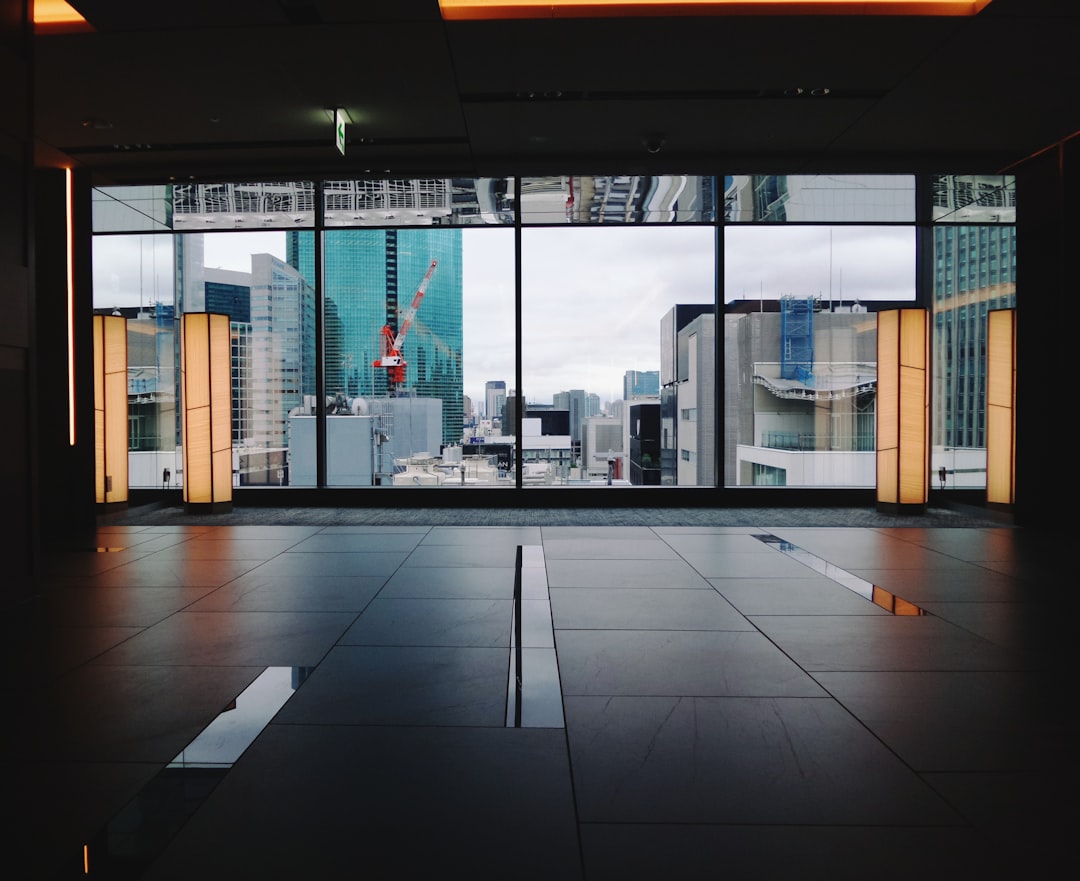
Ginza’s architecture walk is not accidental — the ward has been deliberately curated over decades. Global luxury brands commissioned the world’s most celebrated architects to design their flagship stores, turning a 1.5-kilometre stretch into a portfolio of architectural statements you’d otherwise need to visit four continents to see. For photography enthusiasts, this concentration is almost unfair in how generous it is.
The neighborhood also has an unusually high density of free art galleries — corporate galleries, municipal spaces, and artist-run project rooms — that rotate exhibitions monthly. Unlike museum-style spaces in other parts of Tokyo, Ginza’s galleries are intimate, approachable, and designed to be entered casually. No booking, no tickets, no guilt about leaving after twenty minutes when the light outside starts doing something extraordinary.
The Architecture Walk: Your Shot List
Hermès Maison Ginza — The Glass Block Icon
Designed by Renzo Piano, this building at 5-4-1 Ginza is your first mandatory stop. The entire façade is made of 13,000 hand-blown glass blocks from Murano, Italy, and the way they transmit and refract light changes completely depending on time of day. Arrive before 9am when the streets are nearly empty and the building glows with a cool, milky luminescence that turns golden as the sun climbs. Shoot from across the street on Namiki-dori for the full elevation, then get close for abstract macro details of the glass texture.
Tod’s Ginza Building — Concrete Branches
Toyo Ito’s 2004 masterpiece at 5-2-1 Ginza looks like an elm tree rendered in concrete and glass. The diagonal structural elements that form the building’s exoskeleton create extraordinary shadow play from mid-morning through early afternoon. Come back at different times — the shadows rotate and shift the entire graphic character of the façade. This is one of those buildings that genuinely photographs differently every twenty minutes.
Mikimoto Ginza 2 — Pink Punched Steel
Toyo Ito strikes again with this bubblegum-pink perforated steel tower. The organic, almost random pattern of circular and irregular window openings gives the building a biological, cellular quality — it looks like a microscope slide scaled up twelve stories. For the best abstract shots, position yourself slightly south and shoot upward in the late afternoon when the pink steel warms to something closer to copper.
Prada Epicenter Ginza — The Diamond Grid
Herzog & de Meuron’s glass diamond-patterned tower at 5-2-1 Ginza is as photogenic inside as it is from the street. The curved glass panels — some flat, some convex, some concave — distort reflections in ways that feel almost Surrealist. Stand on the south side and capture the reflections of passing taxis and pedestrians warped across the surface. Golden hour here is borderline illegal in terms of how good the images get.
Itoya — The Stationery Building Spiral
Just off Chuo-dori, Itoya’s spiral staircase visible through its glass frontage is a quieter architectural pleasure — wood, white walls, the warm amber of pencils and notebooks arranged in careful rows. It’s soft, human-scale, and a wonderful compositional contrast after all the steel and glass.
Free Art Galleries: Where to Spend Your Indoor Hours
🗾 Book on Viator: Free Access to 21 Tokyo Facilities →
Shiseido Gallery
One of the oldest corporate galleries in Japan, Shiseido Gallery at 8-8-3 Ginza has been running free exhibitions since 1919. The space focuses on contemporary art and design, and the curation is consistently sharp and thought-provoking. The gallery is housed in the basement of Shiseido’s retail building, and the descent down the staircase — past curved white walls — is itself a photographic moment. Exhibitions rotate roughly every six to eight weeks, so check their website before visiting to see what’s on. Closed Mondays.
Ginza Graphic Gallery (ggg)
This is a paradise for anyone who loves design photography and graphic art. The Dai Nippon Printing-operated gallery at 7-7-2 Ginza dedicates its space entirely to graphic design, typography, and illustration exhibitions, often featuring both Japanese masters and international talents. The monochrome interior makes a clean backdrop for detail shots of the artwork itself. I once spent ninety minutes here shooting a solo exhibition of Ikko Tanaka poster work and walked out feeling like my entire visual vocabulary had been reshuffled.
Sony Park and Sony Showroom
While technically a brand space, Sony’s presence in Ginza — particularly the underground park and showroom — offers rotating creative installations and immersive tech-art experiences that photograph beautifully. It’s free to enter and often features spatial installations where light, sound, and architecture intersect in ways that reward experimental shooting.
Ga Gallery and Smaller Project Spaces
Ginza’s side streets — particularly between 1-chome and 3-chome — hide a cluster of smaller commercial and artist-run galleries that most visitors never find. On one particular Tuesday afternoon, I ducked into an unmarked door on a narrow alley between Harumi-dori and Sotobori-dori after noticing a handwritten sign that just said “Exhibition — Open.” Inside, a photographer named Kato-san was showing a series of long-exposure night shots of rural Japan. He handed me green tea without a word, and we spent an hour talking about neutral density filters and mountain villages. He told me the alley I’d come down was called “Gallery Street” by locals, though it appears on no map by that name.
Practical Photography Tips for This Walk
Best Time of Day and Year
For architecture photography specifically, October through early December offers the most flattering light in Ginza. The sun sits lower in the sky, creating longer golden hours and dramatic shadows across the textured façades. Arrive on Chuo-dori by 8am on a weekday — by 10am the street fills with delivery vehicles and foot traffic that can complicate clean exterior shots. Sunday mornings are magical because Chuo-dori becomes a pedestrian zone and the entire boulevard empties of cars.
Gear Considerations
A wide-angle lens (16-24mm full frame equivalent) handles the tall buildings well when you’re shooting from close range on narrow streets. A telephoto (70-200mm) lets you compress architectural layers from further down the boulevard for dramatic stacked-perspective shots. Don’t overlook your smartphone — the reflective glass surfaces on many Ginza buildings create natural light painting that mobile cameras handle beautifully for abstract work.
The Free Gallery Crawl Route
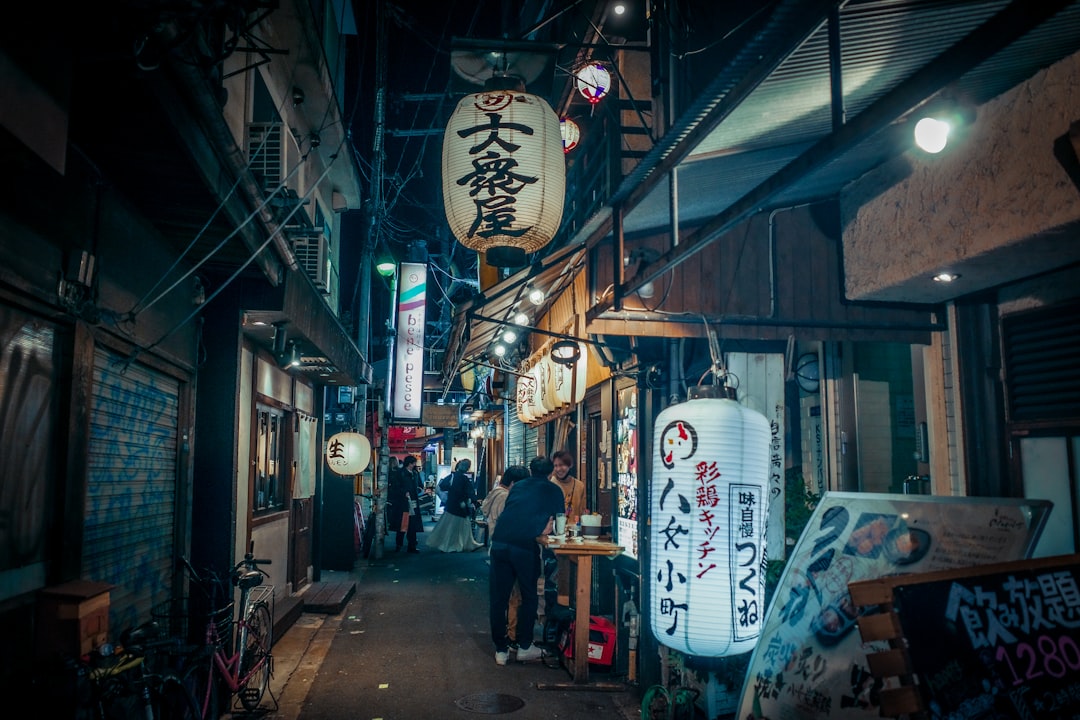
Start at Ginza 1-chome station (Yurakucho Line), walk north along Chuo-dori to Ginza 8-chome, hitting galleries and façades as you go. The entire route is under 2 kilometres, but budget a full day — the galleries alone can absorb three to four hours if exhibitions are strong. End at Yurakucho station side for the elevated train-track district where the izakayas glow at dusk and the light under the tracks is extraordinary.
Food and Coffee Without Breaking the Walk’s Rhythm
Ginza’s reputation for eye-watering prices is real at its upper tier, but there are practical options that won’t force you to choose between lunch and a lens filter. Kyubey in the backstreets does a standing sushi lunch for under ¥2,000. Lion Beer Hall on Ginza 7-chome — a 1934 Bauhaus-influenced building in its own right, with a mosaic ceiling worth photographing — serves draft beer and tonkatsu at prices that feel incongruous with the postcode. For coffee, the basement café in Itoya serves single-origin pour-overs and is calm enough in the morning to sit and review your morning’s shots.
At around 5pm on my last visit, I sat at a window stool in Lion Beer Hall with a cold Sapporo and pulled up the day’s images on my camera’s rear screen. Outside, the streetlights on Chuo-dori had just clicked on, and the Hermès building was beginning its evening transformation — the glass blocks backlit now from within, turning the entire façade into a luminous lantern hovering above the street. A salary man at the next stool glanced over at my camera screen and said, simply, “Kirei, ne” — beautiful, isn’t it. I could only nod.
Final Thoughts Before You Pack Your Camera Bag
Ginza’s free art and architecture scene is one of Tokyo’s genuinely underappreciated gifts to curious travelers. For photography enthusiasts, this walk delivers a remarkable range of subjects — from precision modernist geometry to soft, painterly gallery light — without asking anything of your wallet beyond the cost of your train fare. The galleries change regularly enough that repeat visits always offer something new, and the architectural icons are permanent enough that you can plan around them with confidence.
Plan for a full day, bring two charged batteries, wear comfortable shoes, and allow yourself to follow handwritten signs down unmarked alleys. That’s where Ginza keeps its best secrets.
Ready to experience it?
🗾 Book on Viator: Capture Tokyo’s beauty on a night photog →