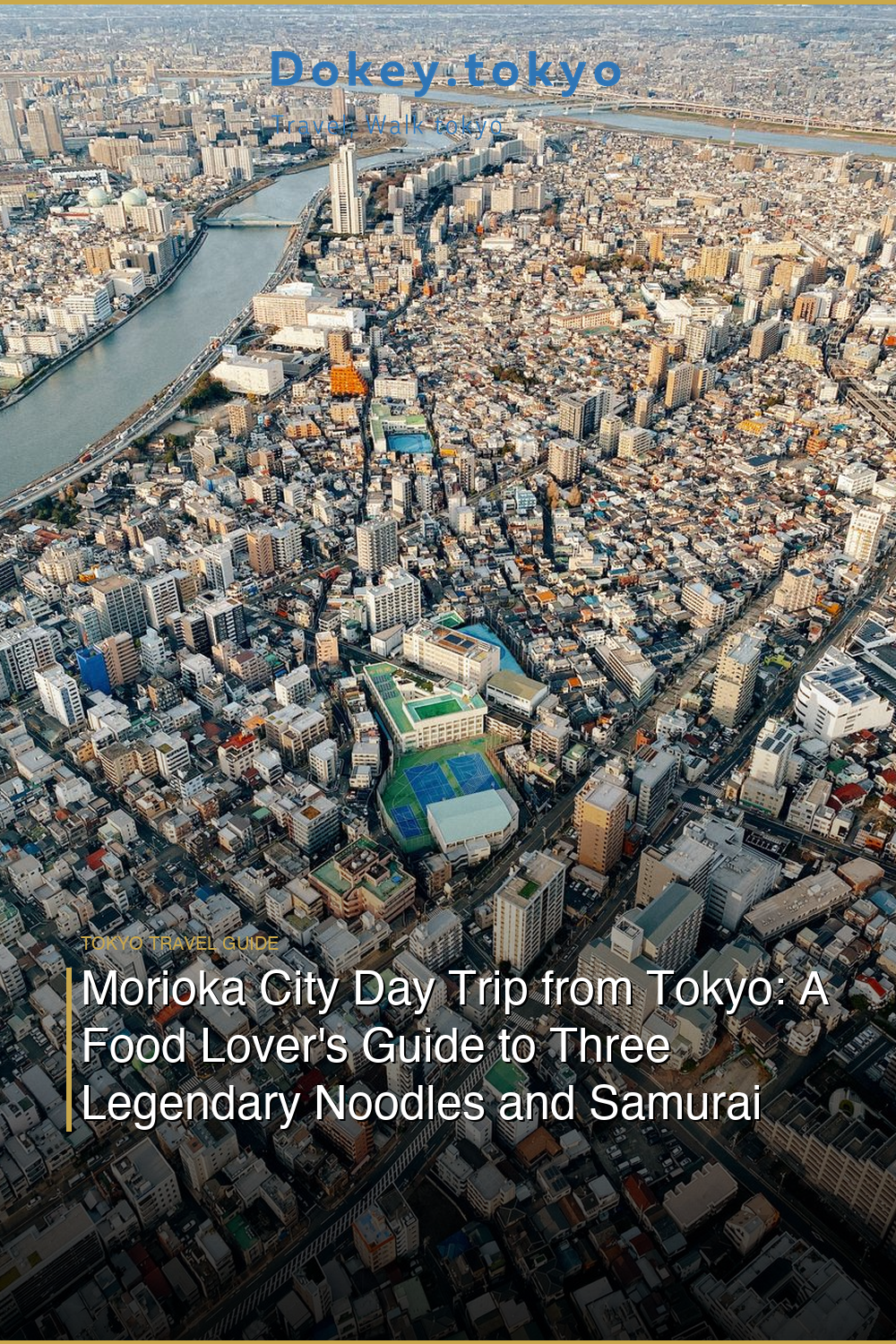
If you’ve already eaten your way through Tokyo’s ramen alleys and spent afternoons hunting down perfect bowls of tsukemen, then Morioka City is the kind of place that will quietly rearrange your priorities. Most visitors to Japan never make it to Iwate Prefecture — and honestly? That’s their loss and your incredible advantage. Morioka is a mid-sized city in the Tohoku region that punches so far above its weight in food culture and historical atmosphere that it genuinely embarrassed me I hadn’t come sooner. It sits just 2 hours and 10 minutes from Tokyo Station on the Tohoku Shinkansen, which means a full day trip is not only possible — it’s deeply, deliciously worth it.
I still remember stepping off the Hayabusa shinkansen at Morioka Station on a crisp October morning, the air carrying that particular northern Japan sharpness — clean, faintly cedar-scented, with the low yellow light of an autumn sun barely clearing the mountains in the distance. After the relentless sensory overload of Tokyo, the quiet hum of Morioka felt like finally exhaling.
Why Morioka Should Be on Every Food Lover’s Japan Itinerary
Morioka has one of the most unique culinary identities in all of Japan. The city is internationally famous — particularly after a 2023 New York Times feature — for its “three great noodles”: wanko soba, jajamen, and Morioka reimen. These aren’t just dishes. They are cultural rituals, each one telling a different story about the region’s history, climate, and people. Layer on top of that a beautifully preserved samurai district, castle ruins overlooking cherry blossom trees, and you have a day trip that feeds both your stomach and your soul. If you’re passionate about exploring regional Japanese food cultures, Tokyo’s local food tours offer similar deep dives into specialized culinary traditions.
The Three Great Noodles: What to Eat and Where
🗾 Book on Viator: Food and culture tour with local guide →
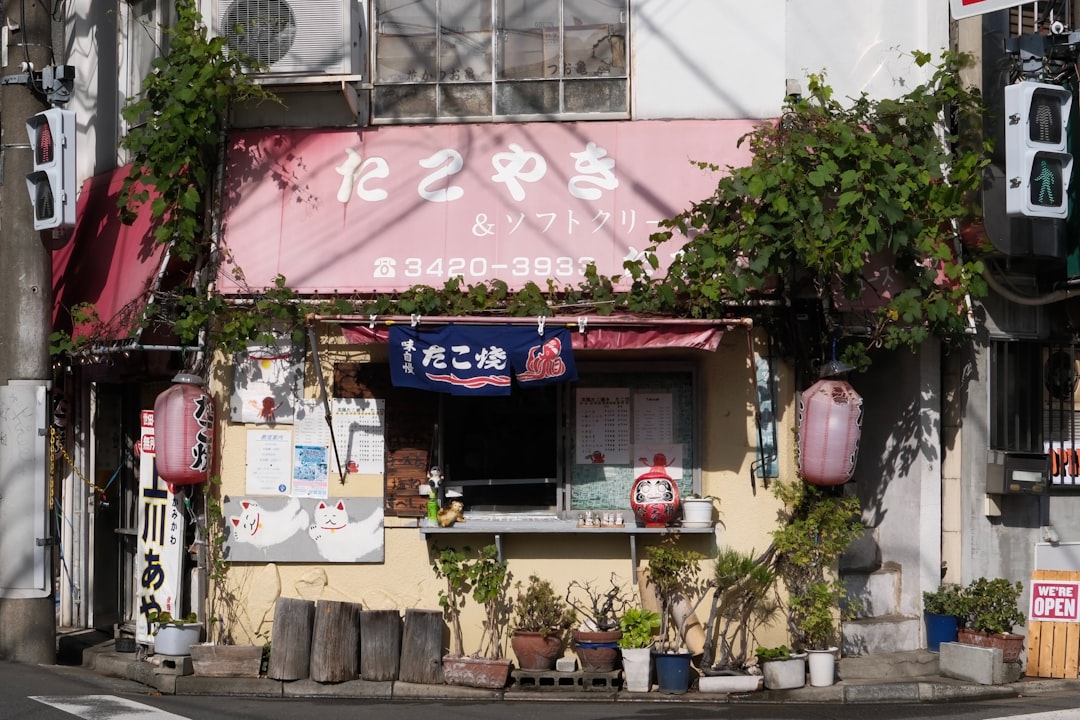
Wanko Soba: The Ultimate Noodle Challenge
Let’s start with the experience that will either delight or mildly traumatize you, depending on your competitive nature. Wanko soba is Morioka’s most famous culinary tradition — a relay-style feast where kimono-clad servers continuously drop small, single-mouthful portions of soba into your lacquered bowl the moment you finish each one. You eat until you physically place the lid on your bowl to signal surrender. The average person eats somewhere between 50 and 100 servings. The record-holders are the stuff of local legend.
For food lovers, this isn’t just a gimmick — it’s a genuine deep dive into Iwate’s soba culture. The buckwheat is locally grown, the broth is delicate and slightly smoky, and the experience of eating in a communal hall with strangers all cheering each other on is genuinely joyful. Head to Azumaya or Daikokuya, both located near the station and both open for lunch. Arrive by 11:00 AM to beat the crowds. Budget around ¥3,500–¥4,000 per person for the all-you-can-eat course, which includes condiments like salmon roe, grated yam, and pickled vegetables to vary the flavors between rounds.
Jajamen: The Dish You Didn’t Know You Needed
If wanko soba is Morioka’s most theatrical dish, then jajamen is its most intimate one — and in my opinion, it’s the sleeper hit of the three. Thick, flat udon-style noodles are served with a generous ladle of savory miso-based meat sauce, julienned cucumber, and ginger. You mix everything together tableside, then eat it like you’re in your own private flavor world.
The essential move — and this is non-negotiable — is to save a small amount of noodles and sauce at the bottom of your bowl and ask for chitantan. The server cracks a raw egg into your remaining sauce, adds hot soba broth, and suddenly you’re holding a small cup of the most comforting egg drop soup you’ve ever tasted. The noodle dish and the soup are one continuous experience, and no food lover should skip the second act.
The undisputed home of jajamen is Pairon in central Morioka, the restaurant that invented the dish. When I visited, the owner’s daughter — a quietly intense woman in her 50s — watched me eat with the kind of focused attention a sculptor gives fresh clay, then nodded approvingly when I asked for the chitantan without being reminded. She told me, in Japanese I barely understood but felt completely, that people who ask for chitantan “understand” the dish. I’ve thought about that moment every time I’ve eaten jajamen since.
Morioka Reimen: Cold Noodles with a Korean Soul
The third pillar of Morioka’s noodle identity has Korean roots, brought to the city by Zainichi Korean immigrants in the post-war period. Morioka reimen features chewy, semi-transparent noodles made from a blend of buckwheat and potato starch, served cold in a tangy beef broth with kimchi, a slice of watermelon or pear (yes, really — the sweetness cuts the spice beautifully), and half a hard-boiled egg.
This is best eaten at dinner, but if you’re doing a day trip and want all three noodles, fit reimen in as a late lunch at Pyongyang (yes, that’s the restaurant’s name — it’s a nod to the dish’s origins) or Pyon Pyon Sha, both well-regarded and centrally located. Order the medium spice level if you want to taste the broth rather than just feel the heat.
Exploring Morioka’s Samurai District and Castle Ruins
Kofukuji and the Zaimoku-cho District
Once you’ve eaten your first or second noodle, walk off the carbs in Morioka’s historic core. The Zaimoku-cho and Nakanohashi area retains the grid-like street pattern of its Edo-period samurai town layout. Stone walls line narrow lanes, old merchant houses sit beside quietly bubbling irrigation channels, and the pace of life genuinely slows. For food lovers who also appreciate atmosphere, this neighborhood provides the visual counterpoint to all that bowl-staring — a reminder that Morioka has centuries of layered identity beyond its noodles.
Morioka Castle Ruins (Kofuji Park)
The Morioka Castle ruins at Kofuji Park are a ten-minute walk from the central district and are worth every step. The castle itself was dismantled during the Meiji era, but the massive granite stone walls remain — stacked without mortar in a technique called nozurazumi that has survived 400 years and multiple earthquakes. Standing at the top of the walls with the Kitakami and Nakatsu rivers visible in the distance, you understand why the Nanbu clan chose this precise spot. In autumn, the maple trees turn deep crimson against the grey stone. In spring, cherry blossoms cascade over the walls in a display that draws visitors from across Japan.
Food lovers: there’s a small park vendor selling warm mitarashi dango (grilled rice dumplings in sweet soy glaze) near the main entrance. Buy one. Eat it on the castle wall. This is a non-negotiable.
Practical Tips for Your Morioka Day Trip
Getting There
From Tokyo Station, take the Tohoku Shinkansen (Hayabusa or Hayate) to Morioka Station. Journey time: approximately 2 hours 10 minutes. First trains depart around 6:30 AM; last return trains to Tokyo leave Morioka around 8:00–8:30 PM. A reserved seat costs roughly ¥13,600 each way — use your JR Pass if you have one, as this route is fully covered.
Best Time to Visit
For food lovers, Morioka is genuinely good year-round. That said, October to early November is exceptional — the autumn foliage frames the castle ruins, the cold air makes hot jajamen even more satisfying, and the crowds are smaller than during cherry blossom season. Late March to April is peak sakura season at the castle park and is breathtakingly beautiful, but book shinkansen seats well in advance.
Day Trip Itinerary at a Glance
- 10:00 AM — Arrive Morioka, walk to Azumaya for wanko soba
- 12:30 PM — Jajamen at Pairon (arrive early — queues form fast)
- 2:00 PM — Walk the samurai district, Zaimoku-cho
- 3:00 PM — Morioka Castle ruins and dango
- 5:00 PM — Morioka reimen at Pyon Pyon Sha
- 7:30 PM — Return shinkansen to Tokyo
One Last Bowl Before the Train
At 6:45 PM on my last visit, I found myself standing outside Morioka Station with forty minutes before my shinkansen, holding a small paper bag of nanbu senbei — the region’s famous peanut and sesame crackers — bought from a tiny station kiosk. The elderly man running the stall had wrapped them in paper with the careful precision of someone who had done it ten thousand times and still meant it every single time. I ate three crackers on the platform, watching the mountains go dark against a purple sky, tasting sesame and something I can only describe as the specific satisfaction of a day spent eating exactly the right things in exactly the right order. This same appreciation for regional Japanese snacks is what makes wandering local food districts so rewarding.
Final Thoughts
Morioka City is proof that Japan’s greatest food experiences are not always where the crowds are pointing. For food lovers willing to ride two hours north on a fast train, this city delivers three completely distinct noodle cultures, a samurai town that hasn’t been turned into a theme park, and a pace of life that makes every bowl taste a little more earned. One day is enough to fall in love. You’ll start planning your overnight trip on the shinkansen home — I can almost guarantee it.
Ready to experience it?