There’s a moment, somewhere between your first sip of freshly whisked matcha and the quiet concentration of shaping your own nerikiri wagashi, when Tokyo stops feeling overwhelming and starts feeling like it was made just for you. For first-time visitors, Japan can be a gorgeous, slightly dizzying puzzle — the subway maps, the vending machines, the unspoken etiquette. But a traditional tea ceremony and wagashi making workshop in Asakusa? That’s the experience that cracks it all open. It’s the one afternoon that will make everything else on your itinerary feel deeper, richer, and more intentional.
I still remember walking through the Nakamise-dori shopping street toward the workshop on a crisp October morning, the smell of freshly grilled ningyo-yaki — those little doll-shaped cakes filled with red bean paste — drifting through the cool air. The lanterns of Senso-ji Temple glowed orange against the pale sky, and a temple bell rang twice in the distance. My heart was doing that specific thing it does when I know I’m somewhere that’s going to matter.
Why Asakusa Is the Perfect Setting for Your First Cultural Experience
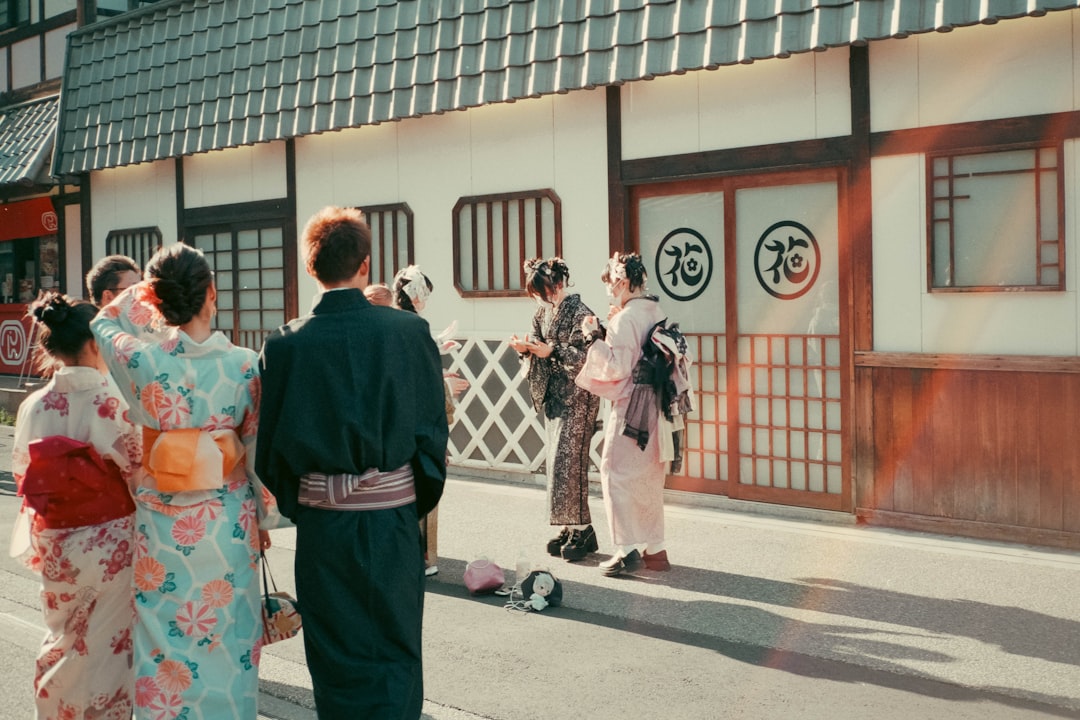
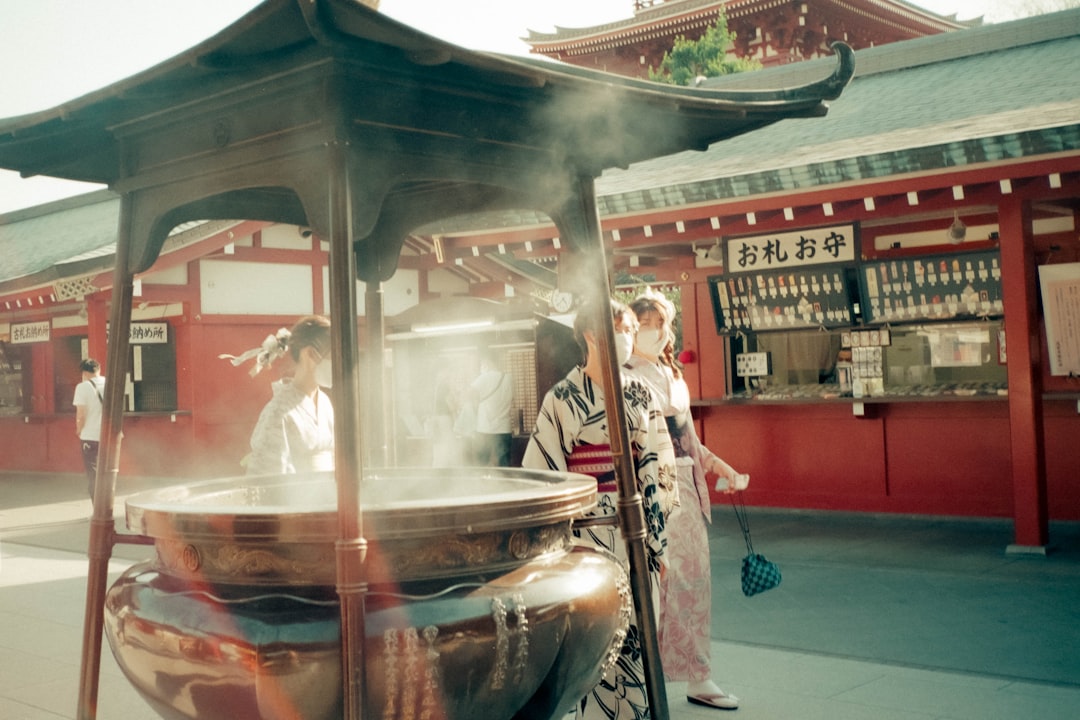
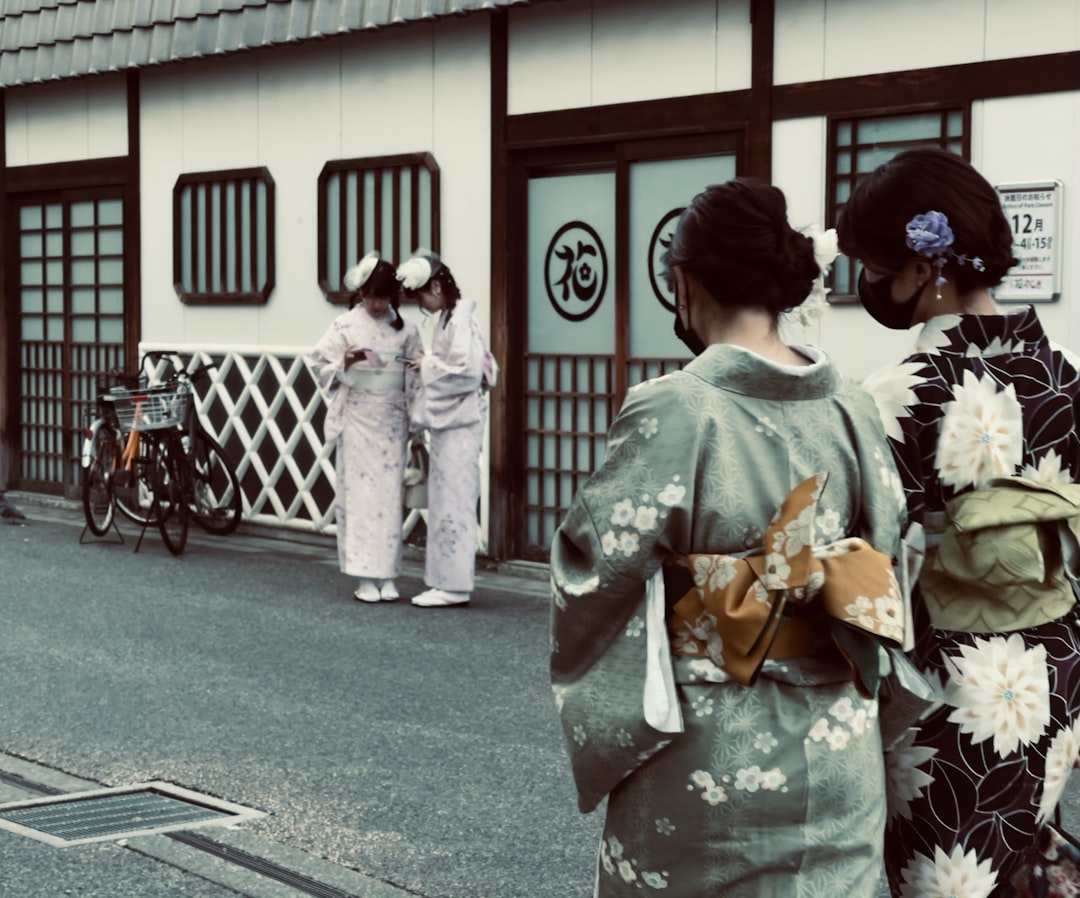
Asakusa is Tokyo’s oldest neighborhood, and it wears that history openly. Unlike the sleek glass towers of Shinjuku or the neon chaos of Akihabara, Asakusa moves at a different pace. Rickshaws roll past wooden storefronts. Women in furisode kimono pose for photos near the Kaminarimon Gate. The air carries incense from Senso-ji, Japan’s most visited Buddhist temple, which anchors the entire district.
For first-time visitors, this neighborhood offers something invaluable: context. When you learn to prepare and drink matcha in a tatami room just minutes from a 628-year-old temple, the ritual doesn’t feel like a tourist activity. It feels like an inheritance — like you’re being handed a small piece of something ancient and still very much alive.
Most tea ceremony and wagashi workshops in Asakusa are located in traditional machiya townhouses or renovated spaces with sliding shoji screens, low wooden tables, and garden views. They’re intimate — usually capped at 10 to 15 participants — which means your first-time nerves have nowhere to hide, but neither do the warmth and attention of the instructors.
What Actually Happens in a Matcha Tea Ceremony Workshop
🗾 Book on Viator: Tea Ceremony & Japanese Sweets Making →
The Wagashi Making Portion
You’ll almost always begin with wagashi — and honestly, this is where first-timers relax the fastest. Wagashi are traditional Japanese confections designed to complement the bitterness of matcha, and nerikiri, the most common type you’ll make in workshops, is a soft, pliable sweet made from white bean paste (shiro-an) and rice flour. The texture is somewhere between modeling clay and mochi, and it picks up color and shape with surprising precision.
Instructors will typically demonstrate how to mold common seasonal shapes — a chrysanthemum in autumn, a cherry blossom in spring, a maple leaf in November. You’ll receive your own portion of nerikiri and a small wooden tool called a kanten spatula to create the details. Don’t stress about perfection. Half the charm is watching your slightly lopsided sakura sitting next to your neighbor’s architectural masterpiece.
One tip I picked up from Yamamoto-san, the instructor at one workshop I attended near Kappabashi-dori: if you press the nerikiri too firmly against the wooden mold, it tears. She showed me to breathe out slowly and release pressure gradually — “like opening a gift,” she said. My chrysanthemum actually turned out beautifully after that.
The Matcha Ceremony
After wagashi, you’ll be guided through the fundamentals of chado — the Way of Tea. Don’t expect to become a tea master in 90 minutes. What you will learn is the essential choreography: how to hold the chakin (linen cloth), how to scoop matcha powder with the chashaku (bamboo scoop), how to whisk with the chasen (bamboo whisk) in a rapid W-motion until the surface becomes a fine, persistent foam.
You’ll also learn how to hold the chawan (tea bowl) correctly — rotating it clockwise twice before drinking, so you’re not sipping from its “front” face. This small gesture carries enormous meaning: it’s a mark of respect for the craftsmanship of the bowl itself. For first-time visitors who’ve been wondering why Japanese culture feels so intentional, this moment is your answer.
The matcha you’ll drink is ceremonial-grade — thick, grassy, slightly vegetal with a long umami finish. Your freshly made wagashi sweet goes in your mouth first, then the matcha follows. The sweetness of the bean paste softens the bitterness perfectly. It’s a flavor combination that, once experienced in sequence, you’ll crave for years.
Practical Tips for First-Time Visitors Booking This Experience
Choosing the Right Workshop
Asakusa has several reputable workshops running daily, including English-language sessions. Look for experiences that include both wagashi making AND the tea ceremony — some budget options only include one. Pricing typically ranges from ¥3,500 to ¥6,500 per person (roughly $25–$45 USD), which is exceptional value for 90 minutes of hands-on cultural immersion with an English-speaking guide.
Book at least 3–5 days in advance, especially if you’re visiting during peak seasons: late March to early April (cherry blossom season) and October to November (autumn foliage). These workshops fill up fast, and you do not want to discover they’re sold out when you’re already standing on Nakamise-dori.
What to Wear and Bring
Wear comfortable clothing — you’ll be sitting on tatami mats or low cushioned seats (zabuton), and some workshops ask you to remove your shoes. Socks are not just acceptable, they’re strongly preferred. Avoid heavily perfumed products on the day of your session; the scent can interfere with the delicate aromas of the tea.
Bring your camera or have your phone charged. The visual elements of a wagashi and tea ceremony workshop are extraordinary — the contrast of the vivid green matcha powder against a matte black lacquer bowl, the translucent shimmer of nerikiri in the shape of a morning glory. First-time visitors often say this is the most photogenic 90 minutes of their entire Tokyo trip.
Best Time of Day to Go
Morning sessions (typically 10:00 or 10:30 AM) are the best choice for first-time visitors. You’ll arrive before the afternoon crowds hit Senso-ji Temple, the neighborhood feels quieter and more atmospheric, and you’ll have the rest of the afternoon free to wander Asakusa with genuinely new eyes. After the ceremony, everything you see — the lacquerware in the craft shops, the tea accessories in specialty stores, the careful way a shopkeeper wraps a purchase — carries more meaning.
Combining Your Workshop with the Best of Asakusa
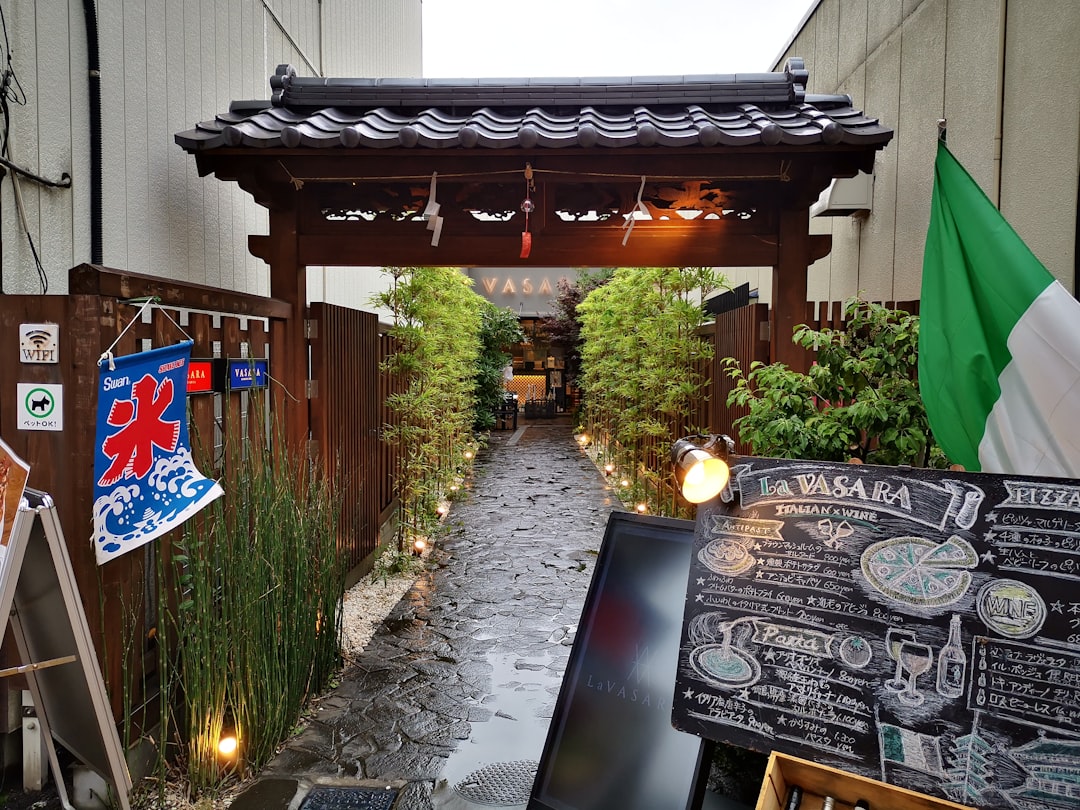
Give yourself a full day in Asakusa. Before your workshop, stroll through Senso-ji Temple at opening (7:00 AM on most days), when incense smoke drifts through nearly empty corridors. Draw an omikuji fortune slip for ¥100. Walk the perimeter of the Nakamise-dori arcade without buying anything yet — just look.
After your workshop, head to Hoppy Street for a late lunch of yakitori grilled over binchotan charcoal, or duck into a standing soba shop on one of the small side alleys west of the temple for a bowl of cold zaru soba. In the late afternoon, cross the Azuma Bridge toward the Sumida River and look back at the Senso-ji rooftop. The light in Asakusa at 4:30 PM in autumn is the color of warm honey.
For shopping, Kappabashi-dori — just a 10-minute walk from most workshops — is Tokyo’s kitchen district, and it’s a revelatory detour. You can buy your own chasen and chashaku to take home for a fraction of what you’d pay in souvenir shops, and they’re the real thing.
Toward the end of that October afternoon, as I sat alone at a low table near the workshop’s garden window waiting for the other participants to finish their bowls, I noticed my wagashi chrysanthemum sitting on its small ceramic plate — still perfectly formed, the pale yellow petals I’d pressed out with the wooden tool catching the slant of afternoon light. I ate it slowly, petal by petal almost, before drinking the last of my matcha in two careful sips. The garden outside had one red maple tree, and a single leaf fell while I was sitting there. I didn’t reach for my camera. Some things you keep.
Your First Tokyo Memory That Will Actually Last
🎫 Book on Klook: Tea ceremony with wagashi sweets in Toky →
Most first-time visitors to Tokyo come home with photos of Shibuya Crossing and vending machine snacks. And those are wonderful. But the travelers who carry Tokyo in their bones for the rest of their lives? They almost always have a quiet afternoon story — a tatami room, a bowl of green, a sweet shaped like something seasonal and fleeting.
Like other hands-on culinary workshops in Tokyo, matcha tea ceremony and wagashi experiences give first-timers something rare: a way into Japanese culture that doesn’t require fluency, insider knowledge, or years of research. Just willingness to sit still, pay attention, and let something ancient teach you something new about slowing down. Book the morning session. Wear your comfortable shoes. Arrive a little early and walk through the temple gate before the crowds. Tokyo will meet you there.