Disclosure: some links on this page are affiliate links. If you book a tour through them, dokey.tokyo may earn a small commission at no extra cost to you.
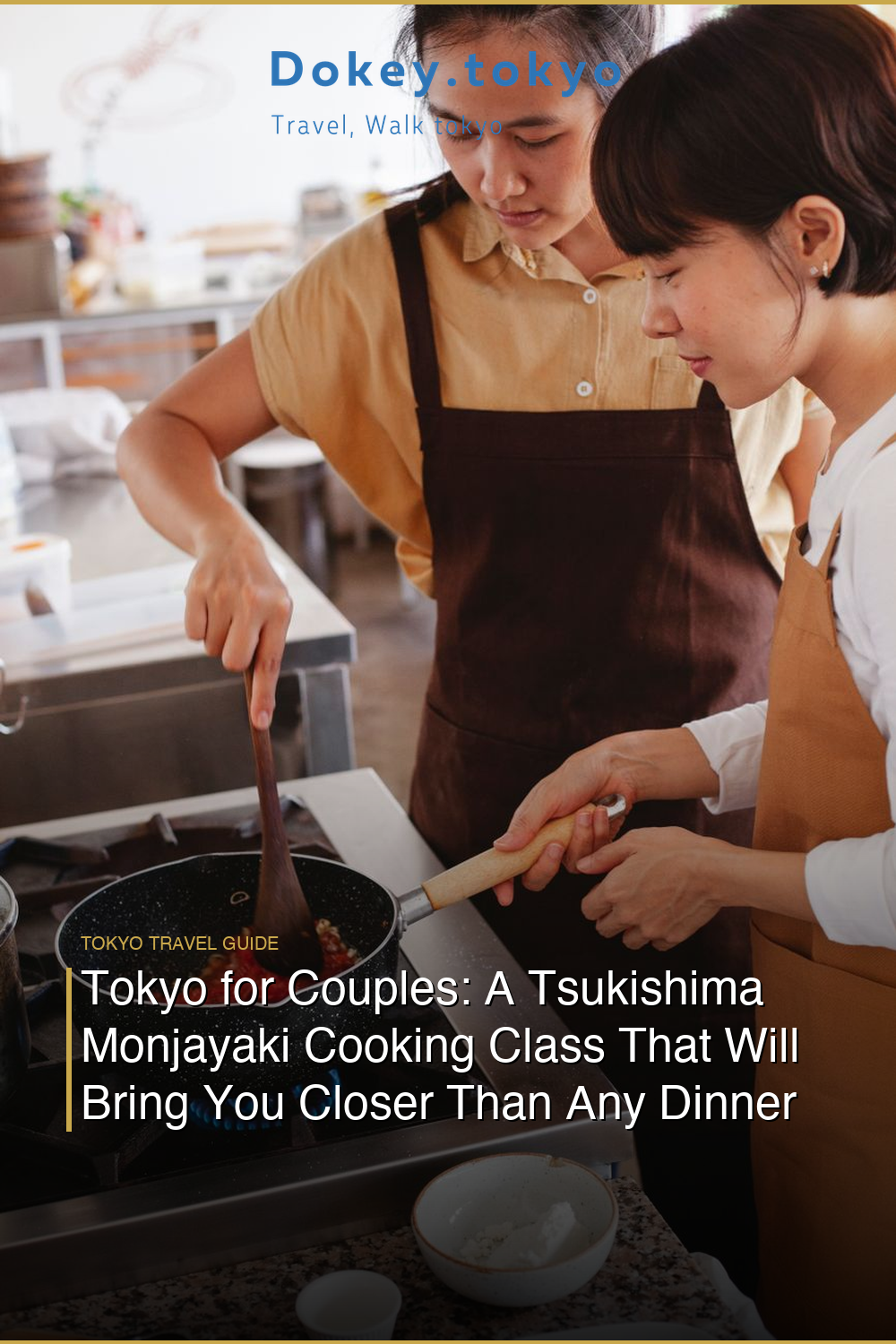
A monjayaki cooking class in Tsukishima lets visitors cook Tokyo’s local pancake dish themselves. Tsukishima Station on the Oedo Line puts you close to the famous Monja Street — a narrow, lantern-lit alley called Nishi-Sunamon-cho that locals have been crowding into since the 1970s, where the smell of sizzling batter and Worcestershire sauce drifts through the air.
Why Tsukishima Is the Perfect Couples’ Destination in Tokyo
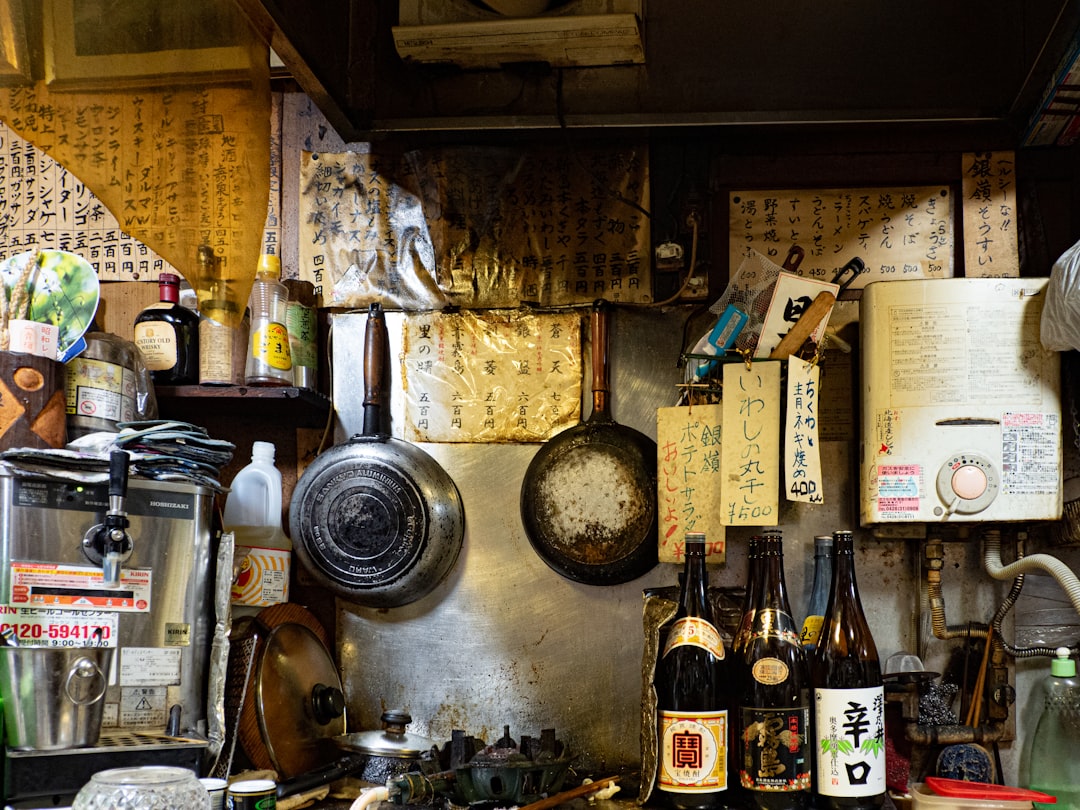
Tsukishima is not the Tokyo you see on postcards. There are no temple gates, no neon towers. It’s a reclaimed island in the Sumida River delta that feels genuinely, unself-consciously local — the kind of neighborhood where grandmothers grocery shop in slippers and izakayas have hand-written menus that haven’t changed in thirty years. For couples, that authenticity is everything. You’re not performing tourism here; you’re sliding into the rhythm of a real Tokyo neighborhood, and that shift changes the entire energy of your trip.
Monjayaki — Tokyo’s answer to Osaka’s okonomiyaki — is the neighborhood’s obsession and its identity. Unlike its thicker, more photogenic cousin from the south, monja is a runnier batter loaded with cabbage, seafood, or pork and cooked on a communal teppan (iron griddle) right at your table. The technique is specific, almost ritualistic, and frankly a little intimidating the first time. Which is exactly why taking a cooking class together, rather than just ordering off a menu, transforms it from a meal into a shared adventure.
What to Expect from a Tsukishima Monjayaki Cooking Class
Finding the Right Class
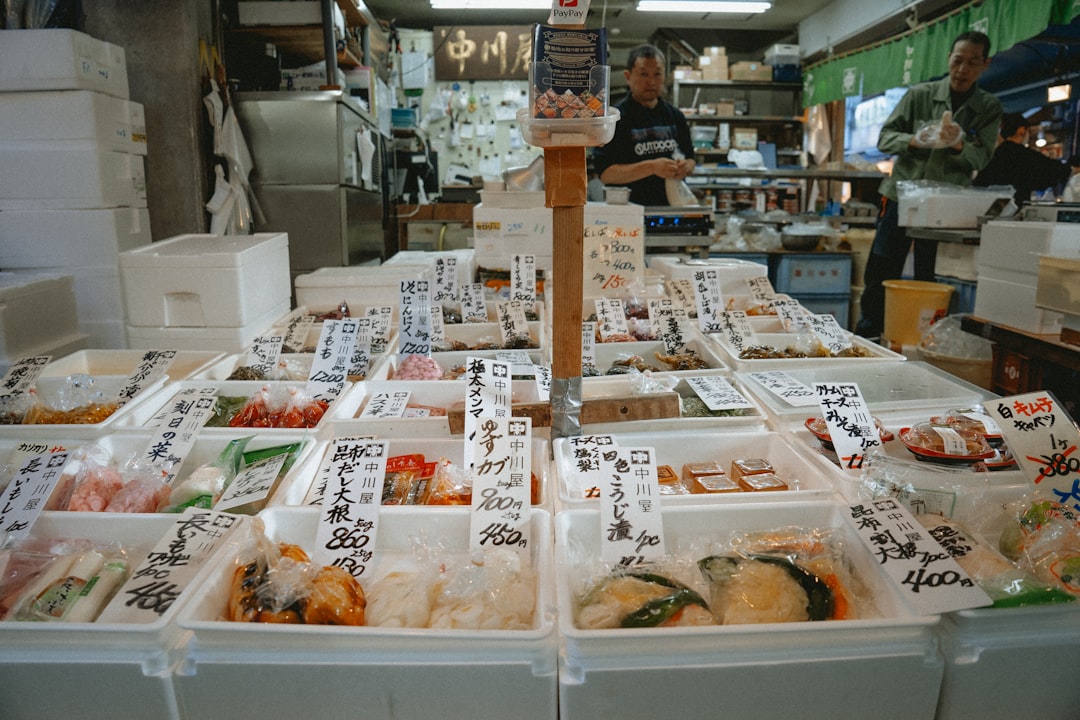
Several operators run monjayaki workshops in and around Tsukishima, ranging from informal sessions hosted in local restaurants to more structured cooking schools with English-speaking instructors. For couples, a small-group class — ideally six people or fewer — is the best choice, so you actually get hands-on griddle time rather than watching someone else cook. Look for classes that include a neighborhood walking tour component; that extra hour wandering Monja Street before you cook gives you context that makes the meal taste better. If you’re interested in exploring more of Tokyo’s food scene on foot, consider pairing this class with a comprehensive Tsukishima Monja Alley Food Tour on another day to discover even more local restaurants.
Pricing typically runs between ¥4,000–¥7,000 per person (roughly $27–$47 USD), often including ingredients, all cooking equipment, and at least one drink. That’s genuinely excellent value for a two-hour immersive experience in one of Tokyo’s most characterful neighborhoods.
The Cooking Ritual — Step by Step
Here’s the thing about monjayaki that nobody warns you: it looks absolutely wrong at every stage until it suddenly looks right. Your instructor will walk you through mixing the batter — typically a thin flour-and-dashi base — with your chosen toppings. Classic combinations include mochi and mentaiko (spicy pollock roe), seafood medleys with squid and shrimp, or the indulgent corn-and-cheese version that converts skeptics in about thirty seconds.
The technique involves a specific sequence: first, you stir-fry the solid toppings on the griddle, then shape them into a ring (a little dam wall of cabbage and fillings), pour the liquid batter inside the ring, and wait. You wait while it bubbles. Then, with small spatulas called hera, you fold and press everything together until the outer edges turn crispy and golden while the center stays gooey and luscious. You eat it directly from the griddle with tiny individual spatulas, scraping up the crispy bits last. Those crispy bits — called the okoge — are what couples will actually fight over.
The Neighborhood Walk: Don’t Skip This
If your class includes a pre-cooking walking tour of Monja Street, treat it as part of the experience, not a preamble to it. The alley is only about 500 meters long but it contains over 70 monjayaki restaurants — a density of a single dish that exists almost nowhere else on earth. Your guide will likely point out which spots are the oldest (some have been in the same family for three generations), explain how monjayaki became children’s street food in the postwar era when ingredients were scarce and cheap, and maybe sneak you a sample or two before the class begins.
For couples specifically, take this time to wander slightly off Monja Street into the surrounding residential blocks. The contrast between the buzzing food alley and the silent, bicycle-lined backstreets just thirty meters away is startling and romantic in a way that’s hard to manufacture.
🗾 Check availability: Cook 5 Japanese Dishes Like a Local →
What to Do Before and After Your Cooking Class
Arrive Early and Walk the Island
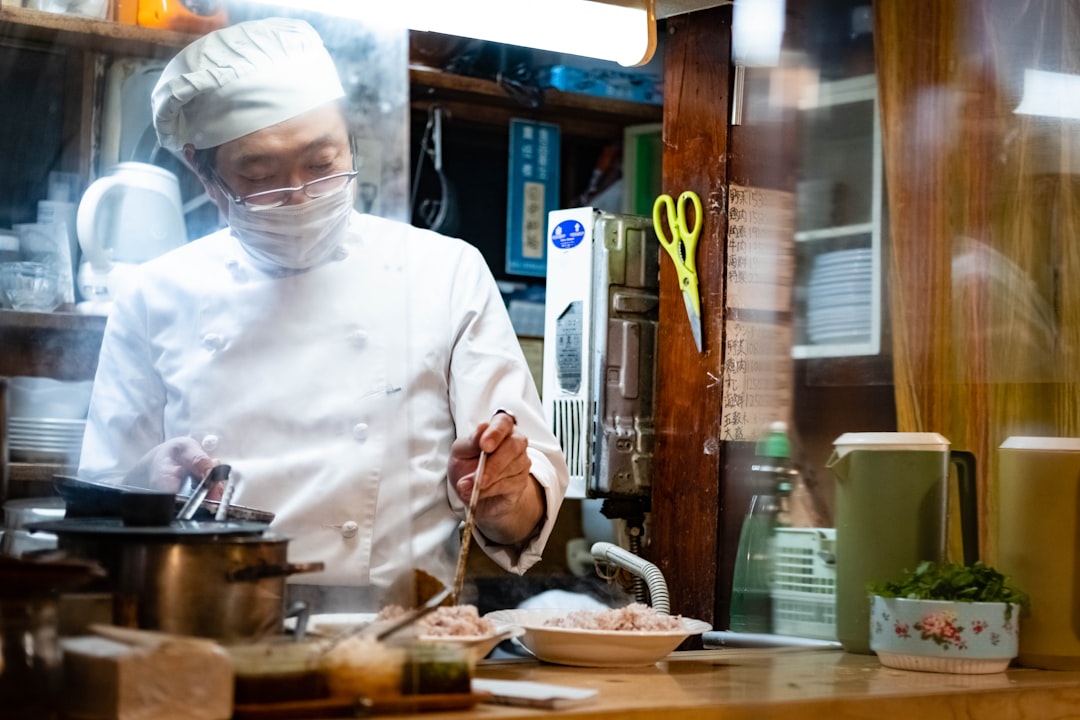
Tsukishima is small enough to explore thoroughly in a single afternoon. Arrive two hours before your class and walk south toward Tsukudajima — an even older, quieter neighborhood that feels frozen somewhere around 1965. The Sumida River views from the small bridges here are genuinely stunning, especially in late afternoon golden hour, and almost completely crowd-free. It’s the kind of place where you’ll stop mid-conversation to just look at each other and the water and feel lucky. If you’re a photography enthusiast, the Sumida River boat tour from Asakusa to Odaiba offers another perspective on this same waterway.
After Class: Stay for Drinks
Post-cooking, most restaurants connected to cooking classes will let you linger over drinks. Order a cold Sapporo or — if you’re feeling adventurous — ask about any house shochu. The atmosphere inside these small teppanyaki restaurants after 8pm, when the griddles are still warm and the walls are practically vibrating with conversation, is one of the great underrated pleasures of Tokyo nightlife. For a broader exploration of Tokyo’s drinking culture, you might also enjoy our guide to Tokyo izakayas in Shinjuku, which captures that same spirit of eating and drinking like a local.
Practical Tips for Couples Booking a Monjayaki Class
- Book at least two weeks ahead, especially for weekend slots — these small-group classes fill up fast and the best operators are often fully booked a month out during cherry blossom and autumn foliage seasons.
- Wear clothes you don’t mind smelling like Worcestershire sauce and pork fat. This is a genuine, non-negotiable advisory. The smell is glorious in the moment and persistent afterward.
- Tell your instructor about dietary restrictions early. Vegetarian-friendly versions exist and many operators accommodate allergies, but only if you communicate beforehand.
- Best time to visit: Weekday evenings (Tuesday through Thursday) when Monja Street is lively but not packed. Summer evenings have a festive energy; winter adds a cozy, steamy warmth to the whole experience that feels almost impossibly romantic.
- Getting there: Tsukishima Station on the Tokyo Metro Yurakucho Line or the Toei Oedo Line. It’s about 15 minutes from Shinjuku and 20 minutes from Shibuya.
Is a Monjayaki Cooking Class Worth It for Couples?
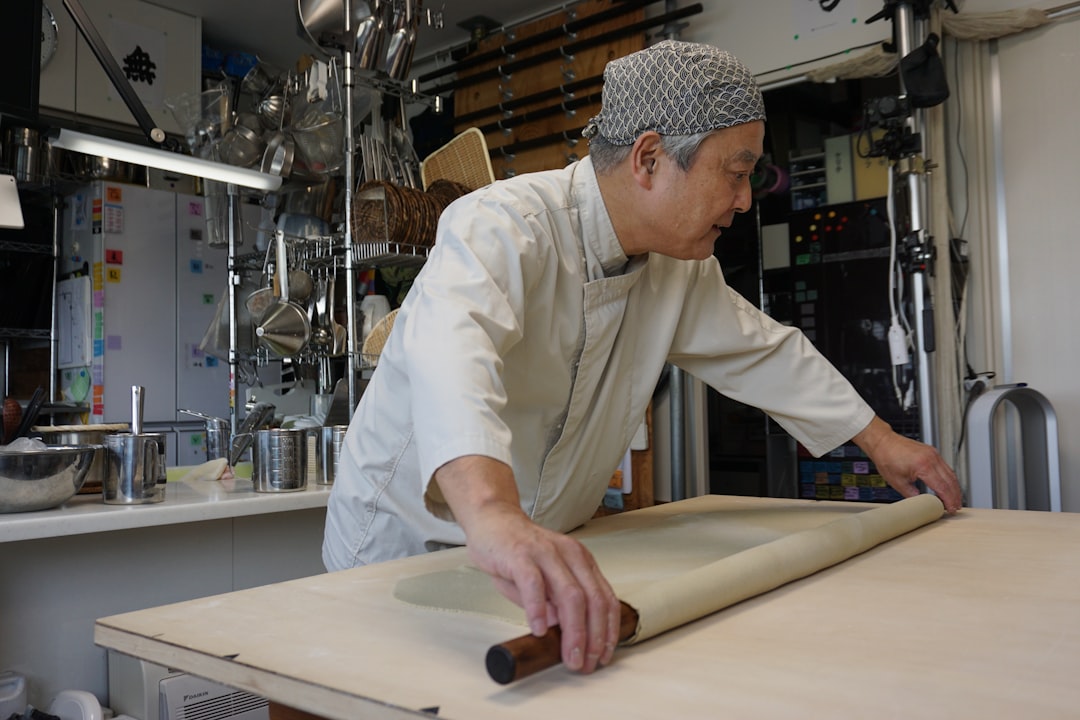
Absolutely, without reservation. In a city as stimulating and occasionally overwhelming as Tokyo, a monjayaki cooking class in Tsukishima offers something rare: slowness. Presence. The specific joy of doing something slightly awkward together and coming out the other side with a shared story and a very satisfying meal. It’s not the flashiest date night Tokyo has to offer — but it might be the most memorable one. And if you’re traveling as a couple looking for the kind of experience that deepens a relationship rather than just decorating it, that matters more than a view from any rooftop bar.
More practical details for monjayaki classes in Tsukishima
What you may cook. A classic Tokyo-style monja typically includes cabbage, dried shrimp (sakura ebi) and tenkasu (tempura flakes), with mochi, cheese or kimchi as optional add-ins. Some classes also include a round of okonomiyaki, so you can compare the two styles side by side.
Technique tip. Don’t press too hard. Let the griddle do the work and use gentle, steady scraping to build the crispy edge. Forcing the batter into shape tends to produce a crumbly result.
Cooking with children. Many classes accept children from about age five. Instructors usually handle anything involving the flame, while children get their own spatulas. Some restaurants provide small aprons for kids, so confirm when booking. Wear light layers that can be wiped clean.
Getting there. The walk from Tsukishima Station to the main stretch of Monja Street is short and flat. The station exit has elevators, and the Oedo Line’s E8 exit has lift access, which helps with strollers. Arriving a little early lets you look at the photos of monja at various stages that some restaurants display outside.
Timing. Weekday mornings are quieter, and instructors have more time for each table. Sunday lunchtime is the busiest period, with long waits for walk-in seats. Spring and autumn are the most comfortable seasons for walking around. Summer is very humid, and cooking over a hot griddle is hot work. Classes fill especially fast during Japanese school holidays and Golden Week.
Around the neighborhood. The older residential streets behind Monja Street have traditional shopfront parades, a small shrine tucked between apartment buildings, and a tofu shop that lists its daily varieties on a handwritten board. Crossing the Sumida River bridge gives a wide river view with the Tokyo Skytree in the distance. The riverside walk has cherry blossoms in spring.
🗾 Check availability: Ramen & Gyoza Cooking with Market Visit →
🗾 Check availability: Ramen & Dumpling Hands-On Tokyo Class →