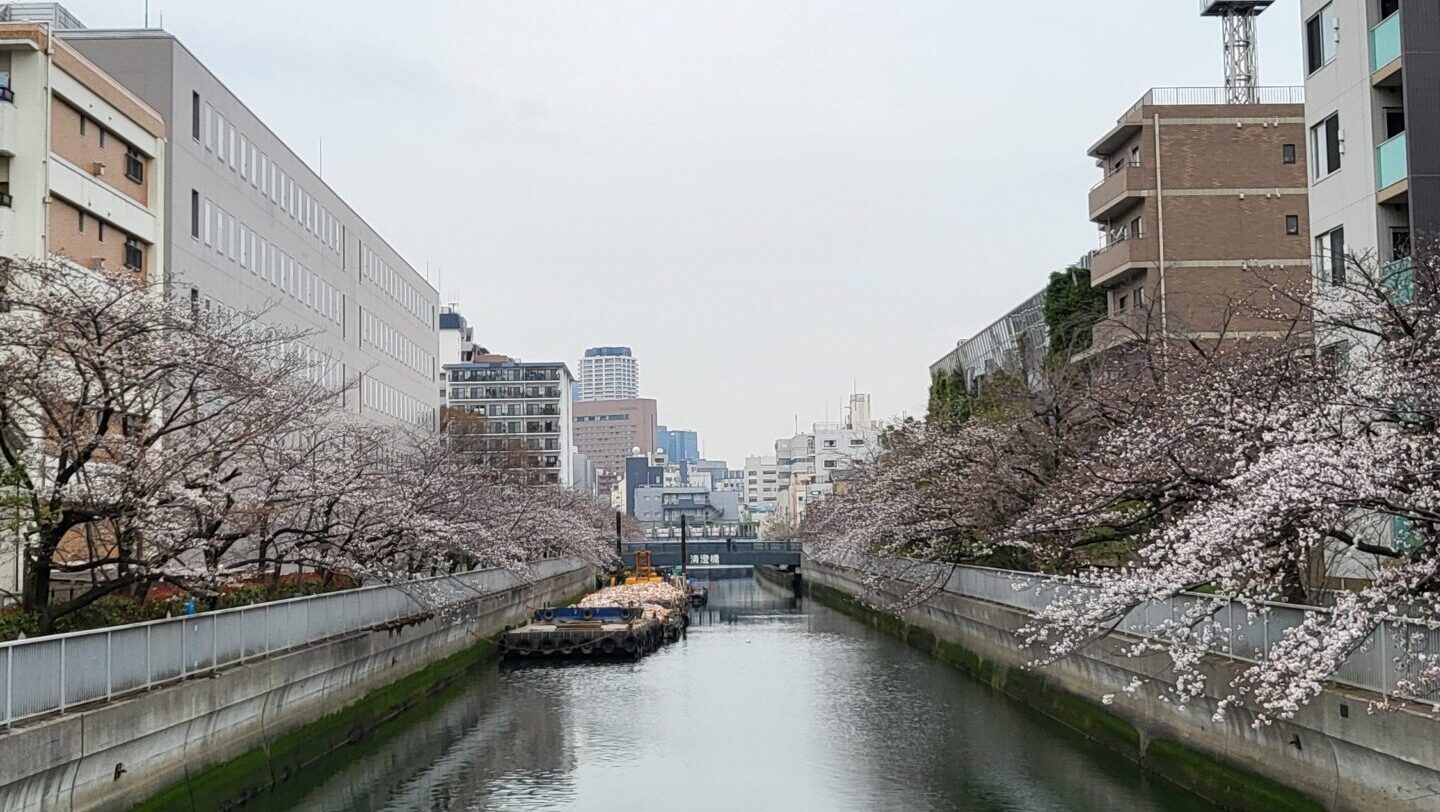
Why Monzen-Nakacho Belongs on Your Photography Map
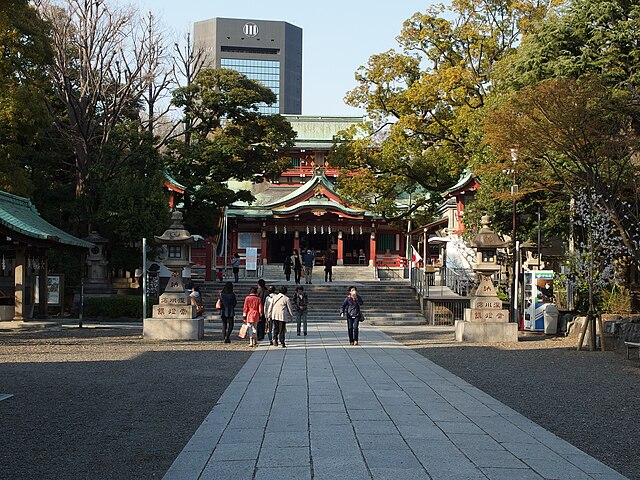 Most photographers fly into Tokyo with Asakusa, Shibuya Crossing, and Shinjuku’s neon canyons pinned to their itinerary. Monzen-Nakacho — affectionately called “Monnaka” by locals — sits just three stops east of Otemachi on the Tozai Line (about 7 minutes, ¥180), but it feels like a different city. This was the temple town that grew around Tomioka Hachimangu Shrine in 1627, and it still functions exactly that way: a working neighborhood of shitamachi (low-town) artisans, old-school kissaten coffee shops, river bridges, and festival shrines that haven’t been polished for Instagram. For photographers, that translates to: real human moments, soft directional light bouncing off wooden facades, no selfie-stick crowds elbowing your tripod, and a density of subjects within a 15-minute walking radius that I’ve genuinely never matched elsewhere in Tokyo.
The Golden Hour Walk I Do Every Visit
I’ll save you the trial and error: arrive between 6 and 7:30 a.m. Take Exit 1, turn right, and you’ll hit Eitai-dori, the main street, almost immediately. Walk east toward Tomioka Hachimangu. The shrine grounds open from sunrise, are completely free, and at this hour you’ll often have them entirely to yourself except for a few elderly locals doing their morning prayers. I remember one February morning when frost was still clinging to the stone lanterns and a Shinto priest in white robes crossed the main courtyard carrying a tray of offerings. The light came in low through the camphor trees, side-lighting him perfectly. I shot a single frame at 1/250, f/2.8, and it’s still the wallpaper on my laptop. The point: be ready, because Monnaka rewards photographers who show up before the rest of the city wakes up. Don’t miss the massive mikoshi (portable shrine) display in the shrine’s small museum hall — the largest one is encrusted with diamonds and pearls and used during the August Fukagawa Festival. The display is free and the lighting is dim, so bring a fast lens (35mm f/1.8 is my Monnaka workhorse).Fukagawa Fudo-do: My Favorite Indoor Shot in Tokyo
🗾 Book on Viator: Traditional tea ceremony with matcha and →
A two-minute walk from the shrine sits Fukagawa Fudo-do, a Buddhist temple with one of the most photogenic interiors I’ve ever stepped into. The newer hall is covered floor-to-ceiling in glittering Sanskrit characters that shift color under LED lighting — a wild, almost cyberpunk contrast to the centuries-old wooden main hall next door. Fire rituals (goma) happen five times daily — typically 9, 11, 1, 3, and 5 — and while you can’t photograph during the ceremony itself, the moments before and after, when monks in saffron robes move through the smoke-scented hall, are spectacular. I sat cross-legged on the tatami one rainy Tuesday in April and watched a young monk light the ritual fire while drumbeats vibrated through my chest. The temple is free to enter, donations welcome, and tripods aren’t allowed inside, so push your ISO and embrace the grain.Shopping Streets That Actually Smell Like Something
Walk back along Eitai-dori and duck into the small lanes branching north — this is Monzen-Nakacho’s shotengai (shopping street) network, and it’s a photographer’s dream because the shops still do something. A tofu-maker pressing curd at 8 a.m. behind a steamed-up window. A tsukudani shop where an old woman simmers tiny fish in soy sauce in copper pots she inherited from her grandmother. The smell — sweet, salty, oceanic — pulls you in before your eyes do. Iseya is the taiyaki shop I keep coming back to, partly because the fish-shaped pastries cost ¥200 and are filled with custard so hot it’ll burn the roof of your mouth, and partly because the elderly couple who run it have let me photograph their hands shaping batter on the iron molds three visits in a row now. The trick? Buy something first, eat it visibly, smile, then ask. I’ve never been refused in Monnaka when I’ve done it that way. For wider shopping shots, hit the Tatsumi Shindo alley running parallel to Eitai-dori. Red paper lanterns, narrow facades, weathered shop curtains (noren) — at dusk this lane looks like a film set. I’ve shot it at 35mm and 85mm; the longer lens compresses the lanterns into a glowing tunnel of red that’s become one of my most-shared travel images.The Sundo (Monthly Market) — Plan Your Trip Around It
If you can possibly time your visit for the 1st, 15th, or 28th of any month, do it. These are the ennichi market days at Tomioka Hachimangu and Fukagawa Fudo-do, when the approach streets fill with antique stalls, plant sellers, food vendors,Ready to experience it?