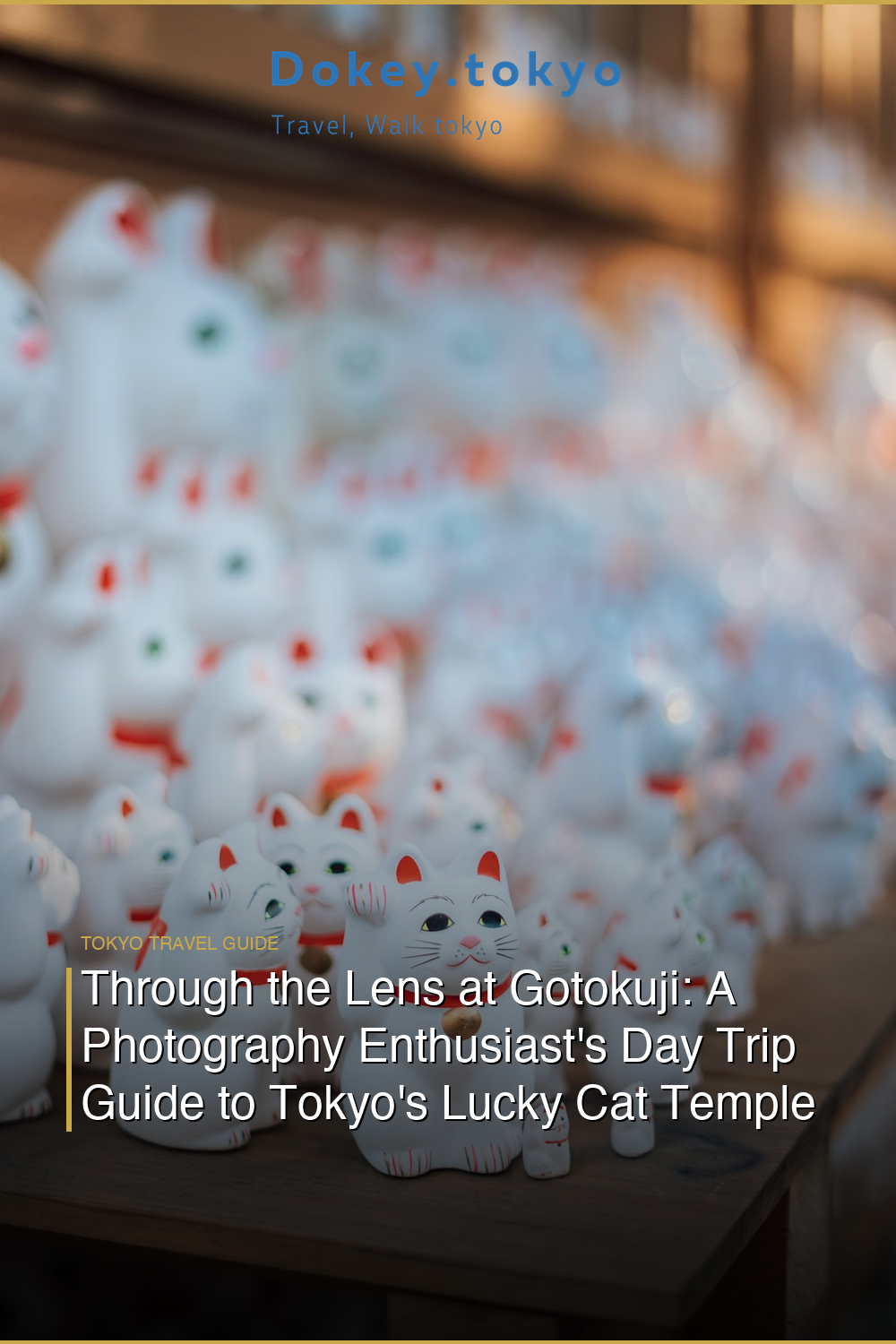
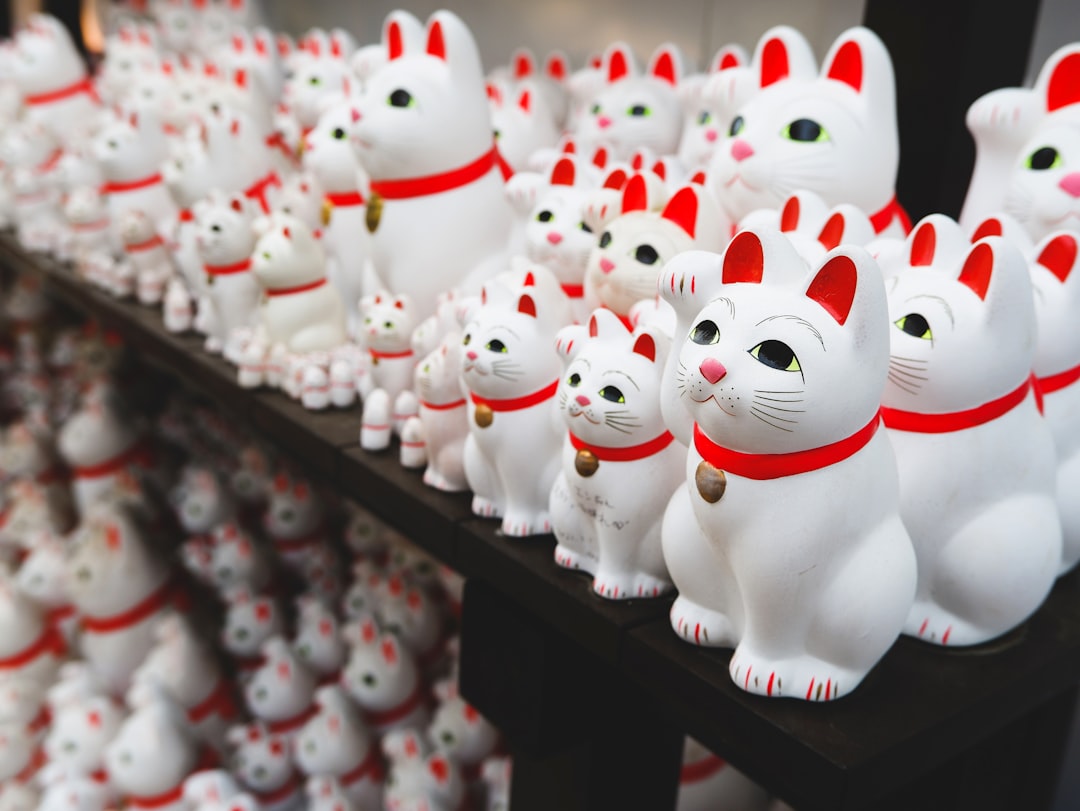
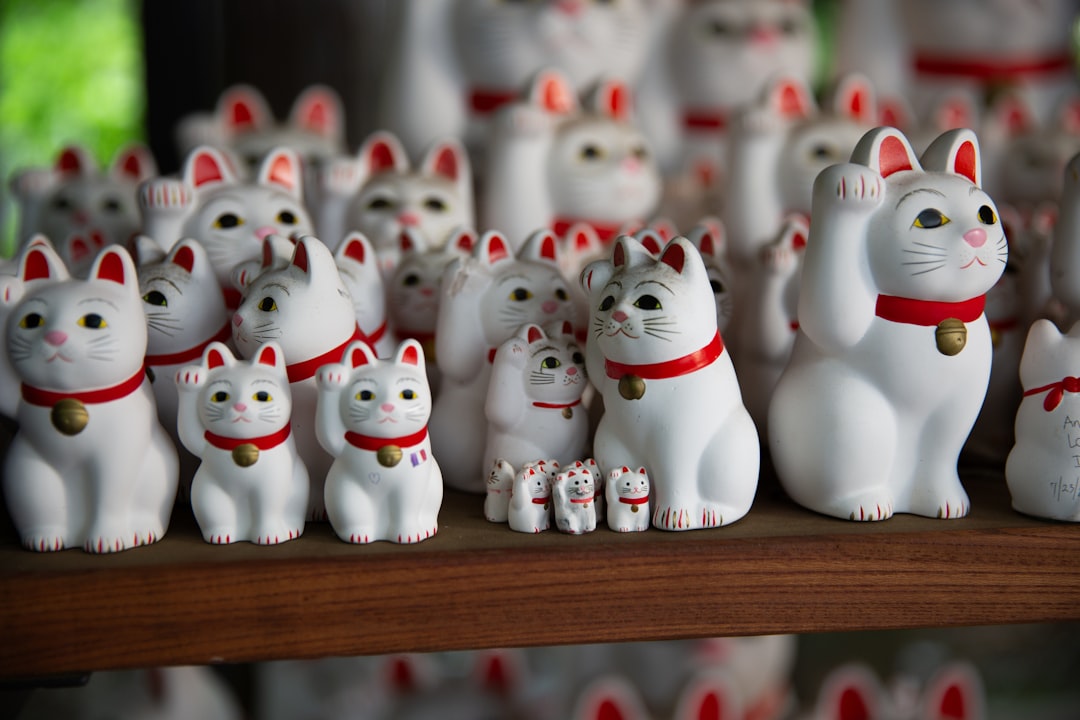
There’s a moment — and if you’re a photographer you know exactly the one I mean — where you round a corner and your breath just stops. That’s what Gotokuji Temple does to you. Tucked away in the residential backstreets of Setagaya, one of Tokyo’s quieter western wards, this 17th-century Buddhist temple is home to hundreds, possibly thousands, of white ceramic maneki-neko lucky cats arranged on tiered wooden shelves, perched on stone steps, and nestled between ancient moss-covered grave markers. It looks like a scene from a dream someone with impeccable visual taste had after eating too much matcha. For a photography enthusiast, it’s not just a day trip — it’s a pilgrimage.
I still remember the first time I stepped through Gotokuji’s main gate on a drizzly Tuesday morning in November. The air smelled like damp cedar and incense, and a single crow called out from somewhere deep inside the cemetery. The mist had settled low between the trees, and the white cats were half-hidden in the fog, their raised paws emerging from the grey like tiny ceramic ghosts. I pulled out my camera before I’d even fully entered the grounds.
Why Gotokuji Temple Is a Photographer’s Dream
Gotokuji isn’t on every Tokyo tourist itinerary, and honestly? That’s exactly what makes it so special. Unlike Senso-ji in Asakusa or the torii gates of Fushimi Inari in Kyoto, you won’t be fighting through crowds with selfie sticks. The temple grounds feel genuinely intimate — a working religious site that also happens to be one of the most visually extraordinary places in all of Japan.
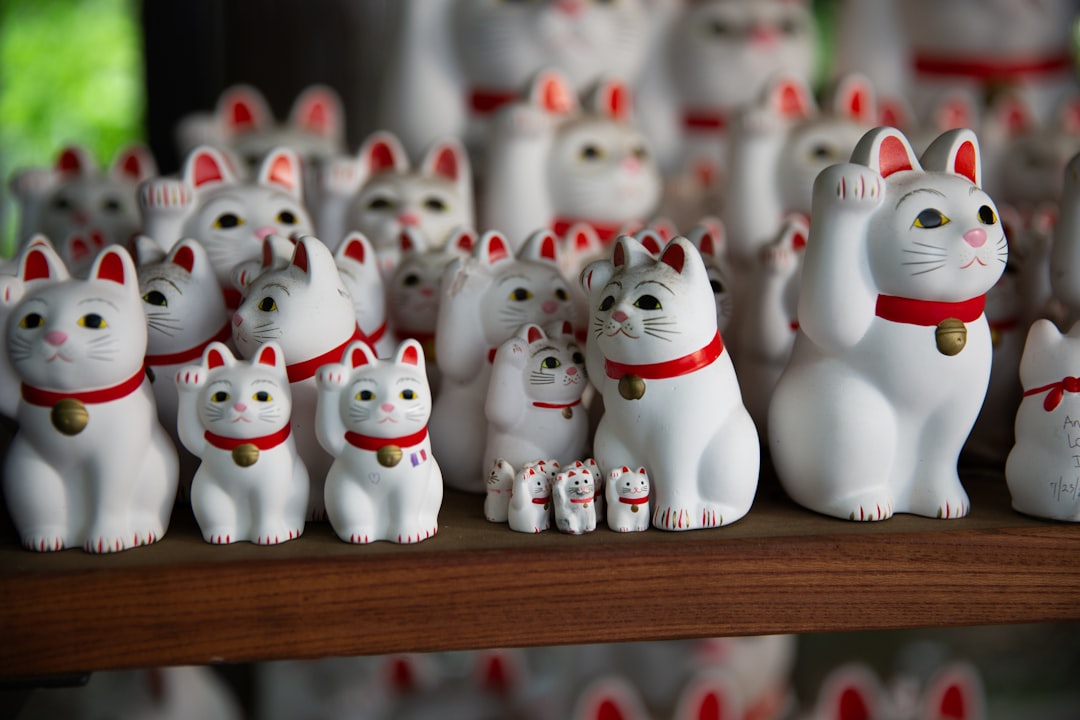
The main photographic draw, of course, is the maneki-neko shrine: a dedicated altar area where worshippers leave ceramic lucky cats as offerings after their wishes are granted. The cats range from palm-sized to nearly football-sized, all in classic white with gold accents and their signature raised left paw. When they’re arranged en masse on the wooden shelving structures, the repetition creates this hypnotic visual rhythm that makes for extraordinary compositions — whether you’re shooting wide with a 16mm or isolating individual cats with a 100mm macro.
The Best Times of Day and Year to Shoot
For golden hour photography, arrive just after the temple opens at 6:00 AM in summer or around 8:30 AM in the colder months. The morning light filters through the camphor and zelkova trees at an angle that turns the white cats warm amber and throws long dramatic shadows across the stone paths. This is the shot you came for.
Rainy days are an underrated secret at Gotokuji. The wet stone paths reflect the cat shelves, the incense smoke hangs heavier in humid air, and the crowds (already thin) shrink to almost nothing. I’ve shot here in four different seasons, and a soft November rain created my single favorite frame from this entire temple — a line of cats perfectly reflected in a puddle with a blurred monk walking past in the background.
For seasonal beauty, cherry blossom season (late March to early April) frames the temple in pink, while autumn (mid-November) brings crimson maples that contrast beautifully against the white ceramic cats. Summer gets steamy but the deep green foliage creates rich, saturated backgrounds.
Navigating the Temple Grounds Like a Pro
Gotokuji’s layout is more layered than most visitors realize, and understanding its structure helps you plan your shooting sequence efficiently.
The Main Gate and Approach: The approach path is lined with stone lanterns and old cedar trees. Shoot here first before the morning mist burns off. A wide-angle lens captures the tunnel-like corridor effect beautifully.
The Maneki-Neko Shrine: This is the centerpiece — a dedicated wooden structure covered in rows of lucky cats facing outward. The best angle is from slightly below and to the left, where a small stone step gives you elevation to shoot across the rows rather than straight at them, creating that satisfying depth of field stack.
The Cemetery and Garden: Don’t skip the cemetery. I know that sounds odd, but the old Ii clan graves are surrounded by mature trees and moss-covered stones that look like they belong in a Studio Ghibli film. The filtered, diffused light here is perfect for moody portrait work if you’re traveling with a companion.
The Main Hall: The Edo-period main hall itself is serene and often overlooked. The wooden architecture, paper lanterns, and hanging temple bells photograph beautifully in the hour before noon.
Gear Recommendations for Gotokuji
Travel light but smart. I shoot Gotokuji with three lenses: a 24-70mm f/2.8 for the wide establishing shots and the maneki-neko shelves, a 50mm f/1.8 for the intimate portraits of individual cats, and a 100mm macro for the obsessive close-up work — because those tiny cat faces deserve pixel-level attention. A small tabletop tripod is useful for the low-light cemetery shots without being obtrusive. And bring a circular polarizer for the rainy-day puddle reflections — it’s the difference between a good shot and a great one.
Exploring the Maneki-Neko Village: Beyond the Temple Walls
🗾 Book on Viator: Temples, Culture & Modern City Highlight →
Here’s the thing nobody tells you on other travel blogs: Gotokuji’s surrounding neighborhood, Miyanosaka, has quietly embraced its lucky cat identity in the most charming, non-commercialized way. Small businesses have painted maneki-neko murals on their shutters. The local shopping street has cat-themed decorations dangling from overhead wires. Even the storm drain covers have little stamped cats on them — yes, I photographed those too.
On my third visit, I wandered into a tiny family-run ceramics shop about four minutes’ walk from the temple’s side gate — I nearly missed it because a handwritten cardboard sign was the only indication it existed. The elderly woman inside, who spoke no English but communicated entirely through delighted pointing, showed me the back room where she fired her own maneki-neko figures in a kiln no bigger than a microwave. She let me photograph the firing process and refused to accept payment for the small cat she pressed into my hands as I left.
Food and Coffee: Fueling Your Shoot
Gotokuji sits in a residential neighborhood, which means you’re eating where locals eat — and that’s always a good thing.
Pre-Shoot Coffee: Café Yell, a short walk from the temple, opens early and serves an exceptional hand-drip Yirgacheffe that will keep you sharp for the morning golden hour. Order the morning set — thick toast with housemade red bean butter — and eat it standing at the counter like the regulars do.
Post-Shoot Lunch: The shopping street leading toward Miyanosaka Station has a tonkatsu lunch spot that does a daily teishoku set for around 900 yen — miso soup, rice, pickles, and a slab of pork cutlet that shatters into perfectly juicy layers. Arrive before noon or you’ll queue. Worth the queue.
Afternoon Sweets: Look for the small wagashi (traditional Japanese confectionery) shop near the covered arcade that makes seasonal namagashi. When I was there in November, they were selling maple-leaf-shaped ones filled with white bean paste — I bought six and photographed them on a temple stone wall in the afternoon light before eating every single one.
Practical Tips for Photography Enthusiasts
- Getting there: Take the Odakyu Line from Shinjuku to Gotokuji Station (about 15 minutes, 170 yen). The temple is a 7-minute walk from the station. No taxi needed, no transfers.
- Admission: Free. Donations are welcome and appreciated.
- Opening hours: 6:00 AM – 6:00 PM (April–September), 6:00 AM – 5:00 PM (October–March).
- No tripod zones: Full-size tripods are discouraged inside the main shrine area. Gorilla pods and tabletop tripods are fine and unobtrusive.
- Respect the ceremony: If a family is making offerings at the cat shrine, step back. Real people come here to pray, and that’s sacred. Your shot can wait 60 seconds.
- Download offline maps: The surrounding streets aren’t well-signed in English. Google Maps offline works perfectly here.
The Shot That Changed How I See Tokyo
It was my second visit, a January morning so cold I could see my breath. I’d arrived at 7:00 AM and had the entire temple to myself except for a groundskeeper quietly raking the gravel path near the main hall. The winter sun came in at an almost horizontal angle and lit up just one shelf of cats while leaving the rest in shadow — a natural spotlight nobody designed but the universe apparently arranged just for me that morning. I fired off maybe fifteen frames in ninety seconds before the light shifted. When I got home and pulled that image up on my monitor, I sat there for a full minute. It was the kind of photograph that makes you remember why you started carrying a camera in the first place.
Planning Your Gotokuji Day Trip
Build your day around the morning light and work outward from there. Arrive at opening, spend 90 minutes shooting the temple grounds in sequence (gate, garden, maneki-neko shrine, cemetery, main hall), then walk the neighborhood streets for another hour hunting murals, drain covers, and that ceramics shop. Lunch by noon, afternoon wagashi break, and you’re back at Shinjuku by 3:00 PM with a memory card full of images that look nothing like anyone else’s Tokyo travel photos.
Gotokuji isn’t just a stop on a list. It’s the kind of place that earns a permanent folder on your hard drive and a recurring spot in your daydreams. Come once and you’ll already be planning your return before you’ve left the gate.
Ready to experience it?
🗾 Book on Viator: Local Guide, Custom Stops & Hidden Gems →