Disclosure: some links on this page are affiliate links. If you book a tour through them, dokey.tokyo may earn a small commission at no extra cost to you.
You have exactly 60 minutes. Your next meeting is at 2 PM, your hotel is near Tokyo Station, and you are absolutely not eating a convenience store onigiri again. Chiyoda Ward shows that a one-hour lunch window is actually plenty of time to eat something extraordinary, if you know where to walk.
Why Chiyoda Ward Is a Business Traveler’s Secret Food Paradise
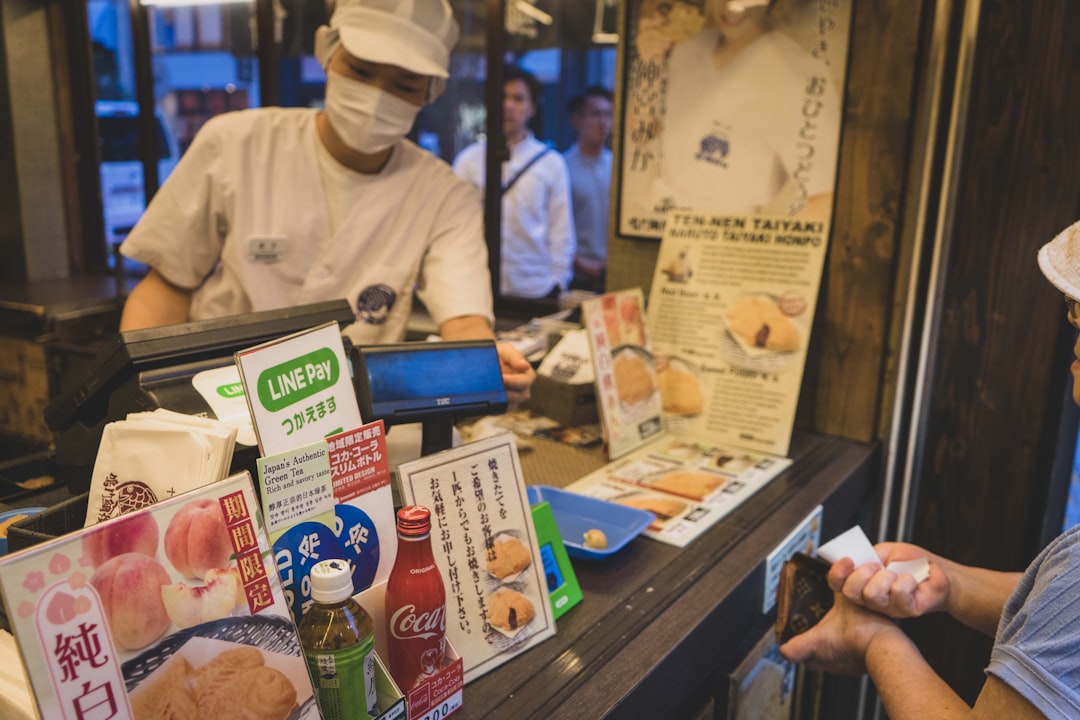
Most food guides point you toward Shibuya or Shinjuku. But Chiyoda — home to the Imperial Palace, the financial corridors of Marunouchi, and the labyrinthine exits of Tokyo Station itself — feeds an army of Japanese salarymen every single weekday. These are people who eat lunch seriously, eat it fast, and refuse to eat it badly. The infrastructure built around their habits is, quietly, some of the best value and most authentic eating in the entire city.
The trick is knowing where to descend. Most of the best spots are underground, tucked into the basement floors of office buildings, or hidden in the narrow lanes that slice between the tower blocks east of the station near Otemachi and Hibiya.
The Ramen Alleys You Need to Know
🗾 Book on Viator: Ramen Tasting Tour, 3 Shops →
Ramen Street Inside Tokyo Station (B1, Yaesu Side)
Yes, everyone knows Tokyo Station’s Ramen Street exists — but most tourists do it wrong. They go at 7 PM when queues snake around the corner. Go at 11:30 AM, the moment it opens for lunch service, and you will walk straight to the counter. Target Fuunji or Soranoiro Nippon first, depending on whether you want a tsunamen (dipping noodles) or a vegetable-forward broth. At Soranoiro, the clam-based shio ramen is the quietest item on the menu. It costs ¥980.
Otemachi Underground: The Salaryman’s Real Canteen
Walk five minutes northwest from Tokyo Station’s Marunouchi exit, descend into the Otemachi Financial City complex, and you’ll find a basement food hall that almost no tourist ever enters. It’s called Otemachi One’s underground dining floor, and at 12:10 PM it is a perfectly choreographed storm of people in suits. The ramen counter here is a rotating tenant that has been running a Hokkaido-style miso operation, serving bowls with slabs of chashu pork so thick they hang over the rim of the bowl. You sit elbow-to-elbow with people running billion-dollar portfolios. Nobody talks much. Everyone eats with total focus.
Hibiya’s Hidden Lane: Naka-dori’s Secret Soba Spots
If ramen feels too heavy for a midday business meeting, walk south through the Naka-dori boulevard (Marunouchi’s beautiful tree-lined promenade) and cut left into the narrow service alleys behind the Hibiya Midtown complex. There are three or four tiny soba shops squeezed in here that open only for weekday lunch service — 11:30 to 1:30, cash only, no reservations. Soba Hasegawa (the one with the hand-painted wooden sign barely visible at elbow height) serves a cold zaru soba with a dipping broth so intensely smoky with katsuobushi that it smells like a campfire made of the sea. Order a side of duck-fat yakitori if it’s on the daily board. Eat standing at the narrow shelf along the wall. Be done in 25 minutes.
Practical Tips for the Time-Pressed Business Traveler
The 11:30 Rule Is Non-Negotiable
Every spot worth eating at in Chiyoda Ward hits capacity between 12:00 and 12:45. Japanese office workers are extremely punctual about their lunch breaks. If you arrive at noon, you’re queuing. If you arrive at 11:30 when doors open, you’re seated immediately and out before the rush hits. Set your phone alarm. Treat it like a flight.
Cash, IC Card, or Card?
Carry ¥2,000 in cash every single day. The underground soba spots and older ramen counters in Chiyoda are still firmly cash-only. Tokyo Station’s Ramen Street now accepts IC cards (Suica/Pasmo), which is faster than fumbling with bills when you’re watching the clock. The newer Otemachi food halls accept credit cards. But the cash backup will save you at least once per trip.
How to Order Without Speaking Japanese
Nearly every decent ramen and soba spot in this area uses ticket vending machines (自動券売機) at the entrance. Push the button with the photo that matches what the person next to you ordered. Hand the ticket to the person behind the counter. Sit where they point. This system was designed for speed, and it will absolutely work in your favour. If a menu is entirely in kanji with no photos, look for the number ①. The first menu item is almost always the house special and the safest, most confident order you can make.
Best Lunch Spots by Time Budget
- Under 20 minutes: Standing soba in the Hibiya alleys or any of the eki-soba counters inside Tokyo Station’s basement passages
- 20–35 minutes: Ramen Street counter (arrive at opening), Otemachi underground ramen
- 35–50 minutes: A proper seated bowl with gyoza and a beer at Marunouchi Ramen near the Brick Square — yes, the beer is fine at lunch, you’re in Japan
What to Eat Beyond Ramen
Chiyoda’s lunch culture isn’t only noodles. The basement of Kitte Marunouchi (the stunning converted post office building directly beside Tokyo Station’s Marunouchi South exit) houses a spectacular food hall, with black sesame mazesoba among the dishes on offer. The teishoku (set meal) counters on the upper floors of buildings around Otemachi serve grilled fish, miso soup, rice, and pickles for ¥900–¥1,200 — the kind of complete, balanced meal that sustains you through an afternoon of back-to-back meetings in a way that no airport sandwich ever could.
For a quick sweet finish, the Andersen bakery in the underground passage between Tokyo Station and Otemachi serves a curry bread (カレーパン) that’s been fried to a perfect dark-gold shell.
The Atmosphere You’re Actually Walking Into
🗾 Book on Viator: Tokyo Station Food & History Tour →
It helps to know what Chiyoda Ward’s lunch scene feels like. This isn’t the relaxed, wander-and-discover vibe of a weekend market. It’s purposeful, efficient, and slightly exhilarating — like being absorbed into a city that has perfected the art of feeding itself without wasting a second.
When to Do This Food Tour
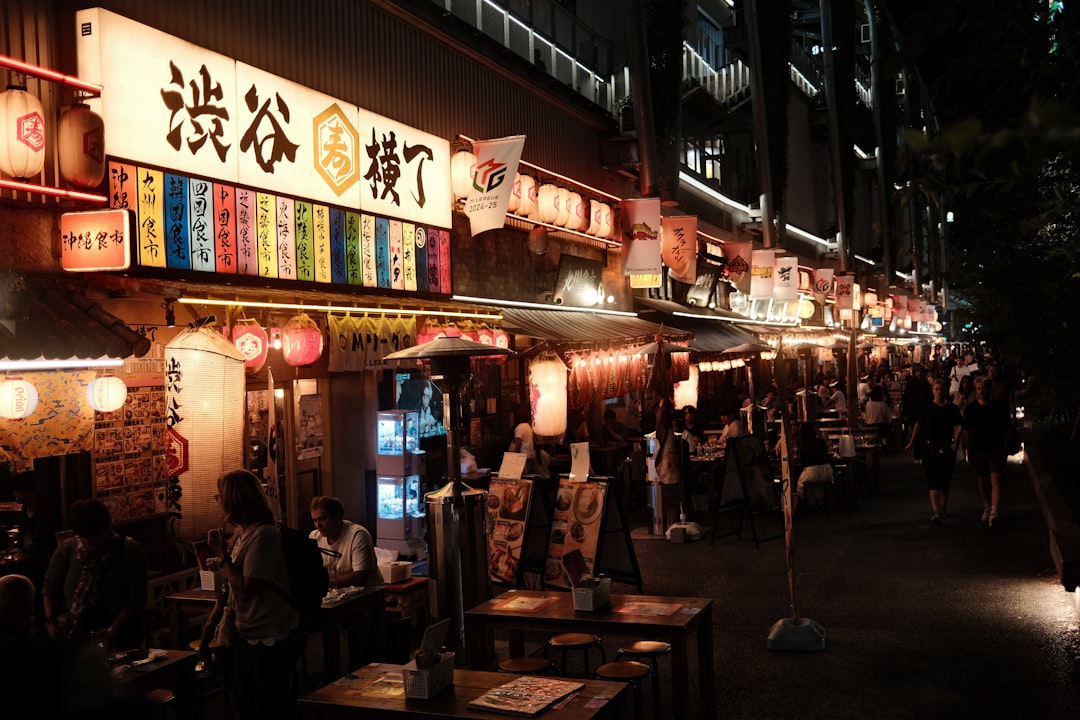
Go on weekdays only. The entire lunch ecosystem of Chiyoda Ward shuts down or dramatically reduces capacity on weekends. The salarymen disappear, and half the counters simply don’t open. If you’re visiting on a Saturday or Sunday, redirect to Tsukiji Outer Market or the depachika (department store basement food halls) instead.
The best season for this walk is October through April, when the weather is cool enough to enjoy a steaming bowl of ramen without immediately needing to change your shirt. Summer in Tokyo is brutal, and Chiyoda’s underground passages become your best friend — mercifully air-conditioned, packed with good food, and zero humidity.
Bring your appetite, your IC card, your most comfortable business-casual shoes, and exactly one hour. Chiyoda will do the rest.
Plan your trip: Where to Stay in Tokyo · Tokyo Itinerary: 3, 5 and 7 Days