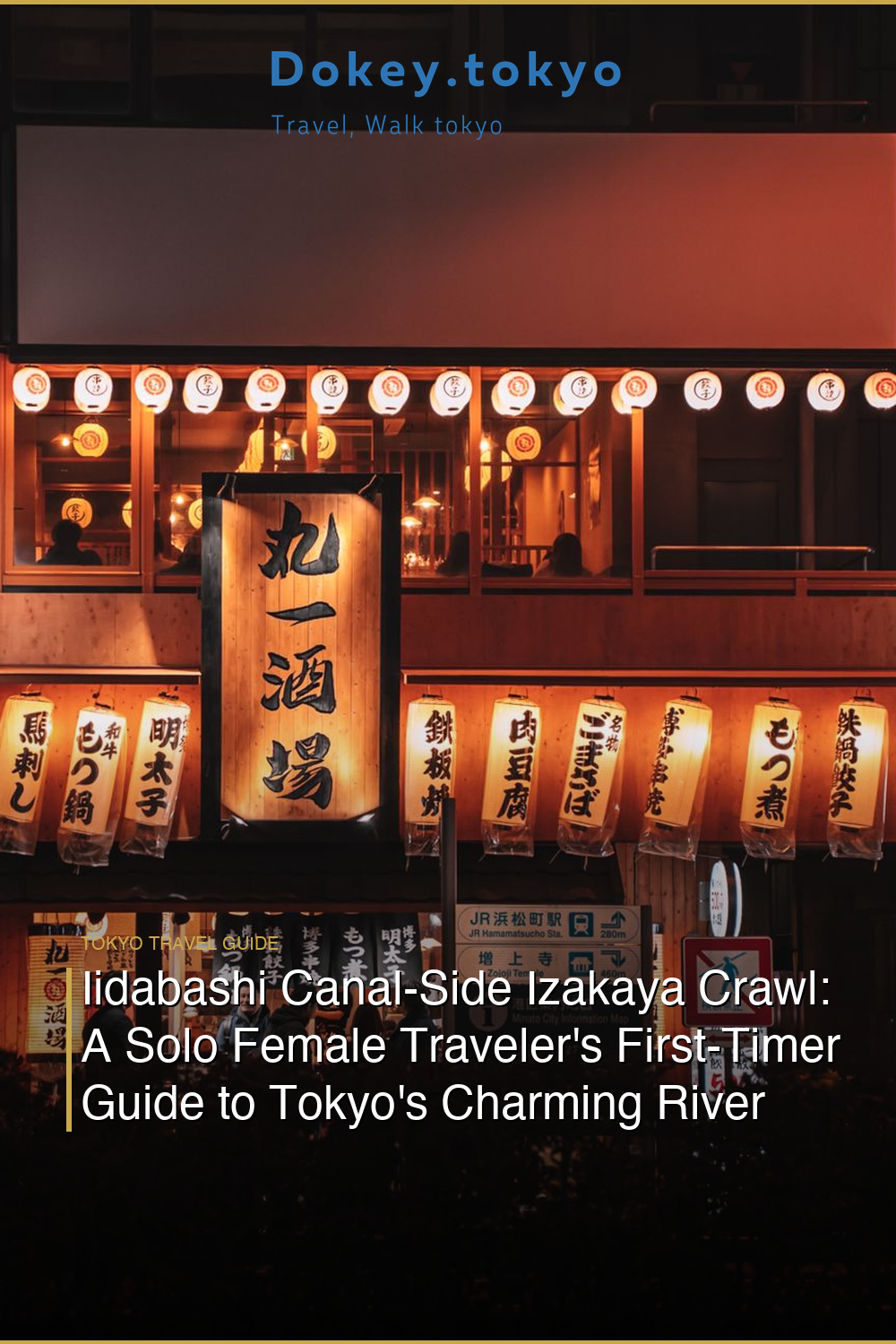
There’s a version of Tokyo that doesn’t show up on the glossy influencer feeds — no neon-drenched Shibuya crossings, no Harajuku costume chaos. It’s quieter, warmer, and honestly? Way more interesting. Iidabashi is that version. Tucked along the Kanda River and the edges of the old Edo moat, this neighborhood is where locals actually go after work: sleeves rolled up, cold Sapporo in hand, feet dangling toward the water. As a solo female traveler doing an izakaya crawl here for the first time, you’re not just drinking — you’re slipping into the real rhythm of Tokyo.
I still remember stepping off the Yurakucho Line exit at Iidabashi Station around 6:30 p.m. on a Tuesday in October, when the air smelled like grilled scallion and charcoal smoke drifting up from somewhere below street level. The canal caught the last orange light of sunset, and a salaryman on a bicycle rang his bell gently as he passed me — the sound echoed off the stone walls like a small, polite welcome. I stood there with my tote bag and my paper map (yes, paper — the waterproof kind) and thought: okay, this is the Tokyo I came back for.
Why Iidabashi Is Perfect for Solo Female Travelers
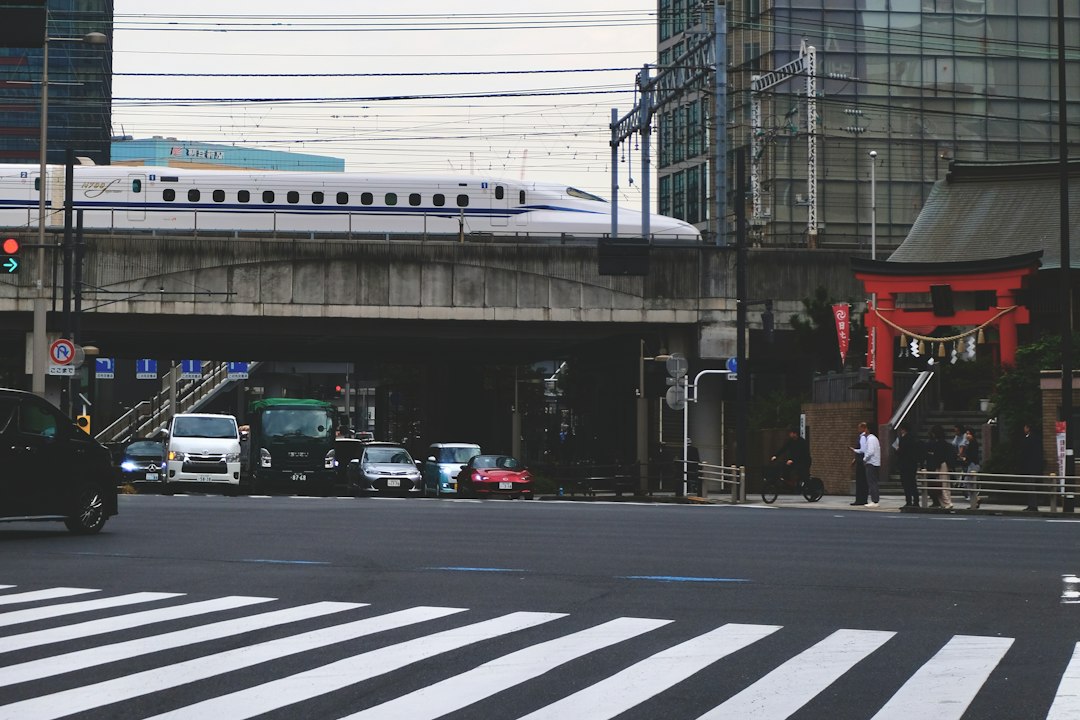
Let’s get the practical stuff out of the way first, because I know it matters when you’re traveling alone. Iidabashi is one of Tokyo’s safest and most navigable neighborhoods for women going solo. The area is well-lit, the streets are busy enough to feel social but not overwhelming, and the izakayas along the canal tend to be small, counter-heavy spots where sitting alone is completely normal — even respected.
Unlike some of Tokyo’s louder drinking districts (Roppongi, I’m looking at you), Iidabashi has an older, more neighborhood-feel crowd. You’re more likely to end up in conversation with a 55-year-old accountant who wants to practice his English than to deal with anyone making you uncomfortable. The canal-side path between Iidabashi and Edogawabashi stations is well-maintained and populated until at least 11 p.m., which means you can walk between spots without ever feeling isolated.
Mapping Your Izakaya Crawl: The Route That Works
The beauty of an Iidabashi canal crawl is that the geography does the planning for you. The Kanda River stretch between Iidabashi Station and the Kagurazaka slope gives you a natural arc of maybe 800 meters lined with little izakayas, tachinomi (stand-and-drink) bars, and yakitori joints tucked under the railway bridge and along the water.
Stop 1: Start at the Canal Level — Grab Your First Drink Standing
Begin right at the water. Just west of Iidabashi Station’s west exit, there are a handful of tachinomi spots — literal standing bars — where you can get a cold draft beer or a chuhai (shochu and soda) for around ¥400-¥500. Don’t skip this step. Standing at the railing, watching the canal reflect the neon signs above, drink sweating in your hand — this is the vibe-setter for the whole night. Solo travelers thrive here because there’s no table commitment, no menu pressure. You sip, you observe, you move on when you’re ready.
Stop 2: Find a Counter Seat at a Yakitori-Ya
For your first proper sit-down stop, look for the smaller yakitori joints on the side streets just north of the canal — specifically around the Kagurazaka area’s lower edges (Kagurazaka-dori side streets, not the main tourist drag uphill). These are the places with the plastic curtain strips hanging in the doorway and hand-written menus on yellowed paper. Request a カウンター席 (kauntaa seki — counter seat) and you’re golden. As a solo diner, you’ll have a direct view of the grill master, which is genuinely one of the best shows in Tokyo.
Order the negima (chicken and green onion skewers) and the tsukune (chicken meatballs with egg yolk dipping sauce) to start. If the chef notices you watching his technique — and he will — he might start explaining what he’s doing. This happened to me at a tiny eight-seat spot called something I couldn’t read (the kanji was hand-painted and half-faded), where the grill master slid me an extra bonjiri (chicken tail skewer) without charging me and said simply, “dame janai” (not bad) — meaning my chopstick technique. I nearly cried.
Stop 3: The Riverside Sake Bar — Your Wind-Down Spot
By your third stop, you want something slower. Look for the type of place that has sake bottles lining the wall and maybe two or three wooden tables facing the water. These spots exist in Iidabashi — they’re not advertised heavily online, which is exactly why they’re perfect. Order a junmai daiginjo cold (ask for reishu) and a small plate of dashimaki tamago (rolled dashi egg) or pickled vegetables. The combination of cold, fragrant sake and the sound of the river at 9 p.m. is, I promise you, one of the most quietly perfect experiences Tokyo offers.
What to Order: A First-Timer’s Izakaya Cheat Sheet
If you’ve never done an izakaya crawl before, menus can feel intimidating — especially when they’re handwritten in Japanese with no photos. Here’s what I always recommend for first-timers:
- Edamame — Always safe, always cheap, usually complimentary or ¥200. It buys you time to study the rest of the menu.
- Karaage (fried chicken) — Juicy, salty, universally excellent. Order with a squeeze of lemon.
- Hiyayakko — Cold silken tofu with ginger, scallion, and soy. Light between heavier bites.
- Yakitori assortment — Ask for moriawase and let the kitchen decide. You’ll get 5-6 skewers and discover things you didn’t know you loved.
- Highball — Whisky and soda, light and sessionable. The perfect crawl drink because it won’t wreck you between stops.
For drinks, point to the draft tap and say nama hitotsu (one draft, please) if nothing else works. If you want to deepen your izakaya knowledge before arriving, check out a comprehensive guide to drinking and eating like a local at Tokyo izakayas to familiarize yourself with the customs and ordering tricks. Every izakaya staff member I’ve encountered in Iidabashi has been patient with a solo foreigner doing her best.
Solo Female Traveler Safety Tips Specific to This Crawl
I want to be real with you here, because I’d give you the same advice I give my friends:
Pace yourself deliberately. The crawl format means multiple drinks across multiple locations. Eat before you start (combini onigiri counts), and alternate alcoholic drinks with water or mugicha (barley tea, usually free at the counter if you ask).
Trust your gut about the vibe. If a place feels off the moment you walk in — overly rowdy, no other women visible, weird energy — walk out. No explanation needed. There are eight more spots within 200 meters.
Tell someone your route. Screenshot a map or drop a pin for a friend back home or at your hotel. It takes 30 seconds and gives you peace of mind.
Keep your phone battery above 40%. Iidabashi Station has a 7-Eleven near the east exit with a charging cable vending machine if you’re desperate, but just carry a power bank.
Best Time to Do This Crawl
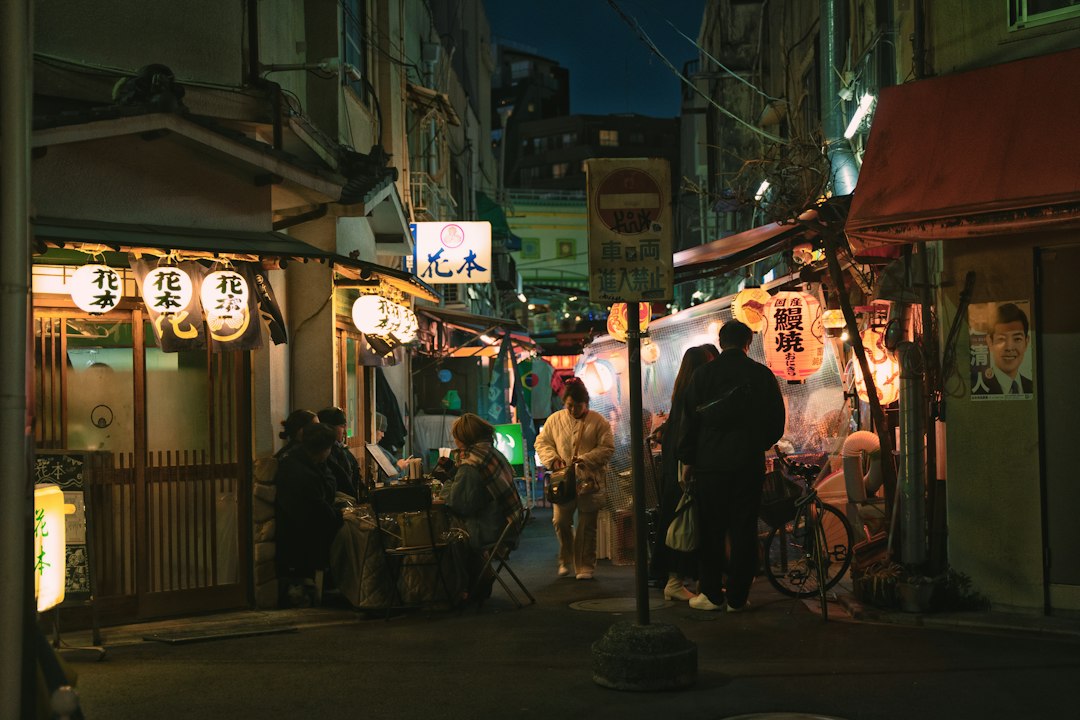
Weekday evenings between 7 p.m. and 10 p.m. are the sweet spot. You’ll catch the after-work crowd — which makes the atmosphere feel alive and local — without the weekend crush that can make smaller izakayas feel uncomfortably tight for a solo diner looking for a counter seat. October through early December is magical along the canal because the air is crisp, the cherry-blossom haze is replaced by golden ginkgo leaves, and the canal reflects everything in warm amber. Spring (late March to April) is also stunning if you can handle the crowds — the cherry trees that line parts of the Kanda River make the walk between bars feel genuinely cinematic.
Avoid summer weeknights if you’re heat-sensitive. July and August along the canal can feel like walking through warm soup, which takes the edge off the outdoor standing-drink experience.
The Moment I Keep Coming Back For
On my third visit to Iidabashi, I ended up at a corner tachinomi spot around 9:45 p.m. — one of those places with just a narrow wooden ledge along the wall and a chalkboard with three items on it. I ordered a glass of cold nigori (unfiltered cloudy sake) and the last skewer of shishito peppers on the grill. The woman running the place — maybe seventy, apron tied high, reading glasses pushed up on her head — looked at me alone with my guidebook and said something in Japanese I didn’t fully understand, then mimed raising a glass. We drank in the most comfortable silence I’ve ever shared with a stranger. Outside, the canal shimmered, someone’s bicycle bell rang twice in the distance, and the sake tasted like cold rice and possibility.
Your First Izakaya Crawl Won’t Be Your Last
Iidabashi doesn’t try to impress you. It doesn’t have a famous landmark or a Michelin star pulling crowds from the airport. What it has is exactly what solo travel is best for finding: the unscripted, unhurried, genuinely human version of a city. You’ll leave smelling like charcoal smoke with a pocket full of receipts you can barely read, and you’ll already be thinking about which stop you want to revisit tomorrow night. That’s the mark of a neighborhood that got you. Pack your best walking shoes, download the Google Translate camera function, and go find your counter seat — Iidabashi is waiting.