If you’ve spent years watching anime, collecting figures, or dreaming about the day you’d finally walk through the neon-drenched streets of Tokyo’s Electric Town, let me tell you — Akihabara is going to short-circuit your brain in the best possible way. Nothing — not YouTube videos, not Reddit threads, not even the most devoted fan wiki — can prepare you for the sheer sensory overload of stepping into a district that feels like it was literally designed for people like us.
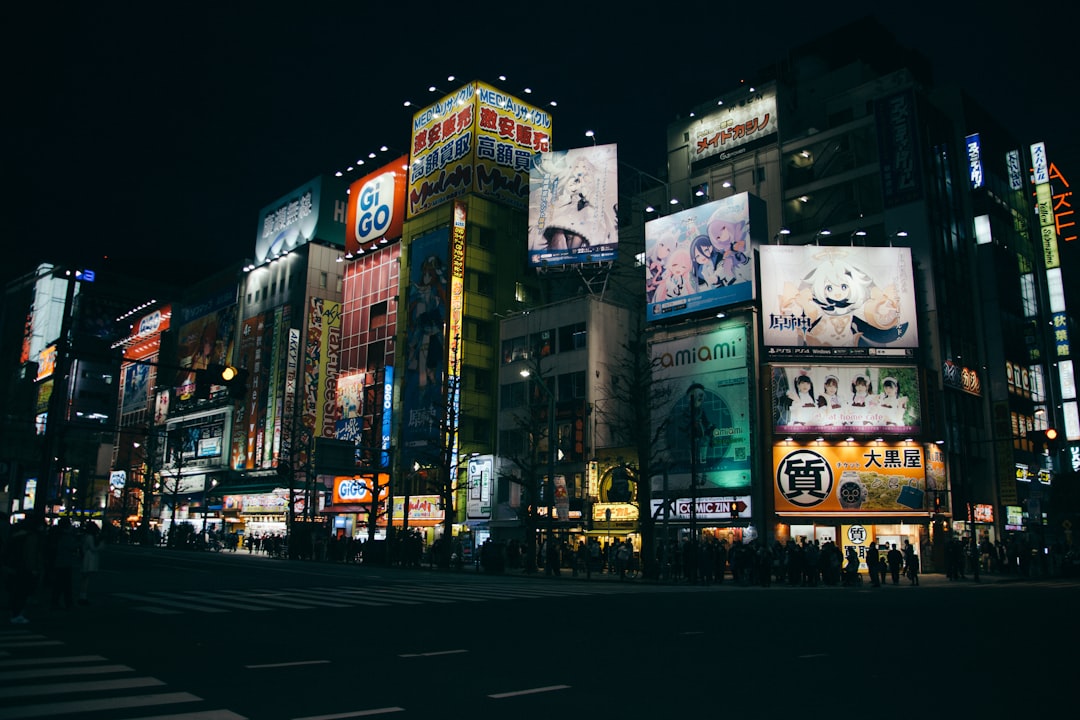
I still remember the exact moment I surfaced from Akihabara Station for the first time on a humid August evening. The air smelled like warm electronics and takoyaki from a nearby stall, and every building was plastered floor-to-rooftop with glowing signage — giant anime girls, flashing LED borders, speakers blasting J-pop idol songs into the street. I stood there on the corner of Chuo-dori for a full two minutes, mouth open, completely unable to move. A salaryman in a crisp white shirt brushed past me without a second glance, because in Akihabara, being awestruck is basically the default setting.
Getting Your Bearings: What Akihabara Actually Is
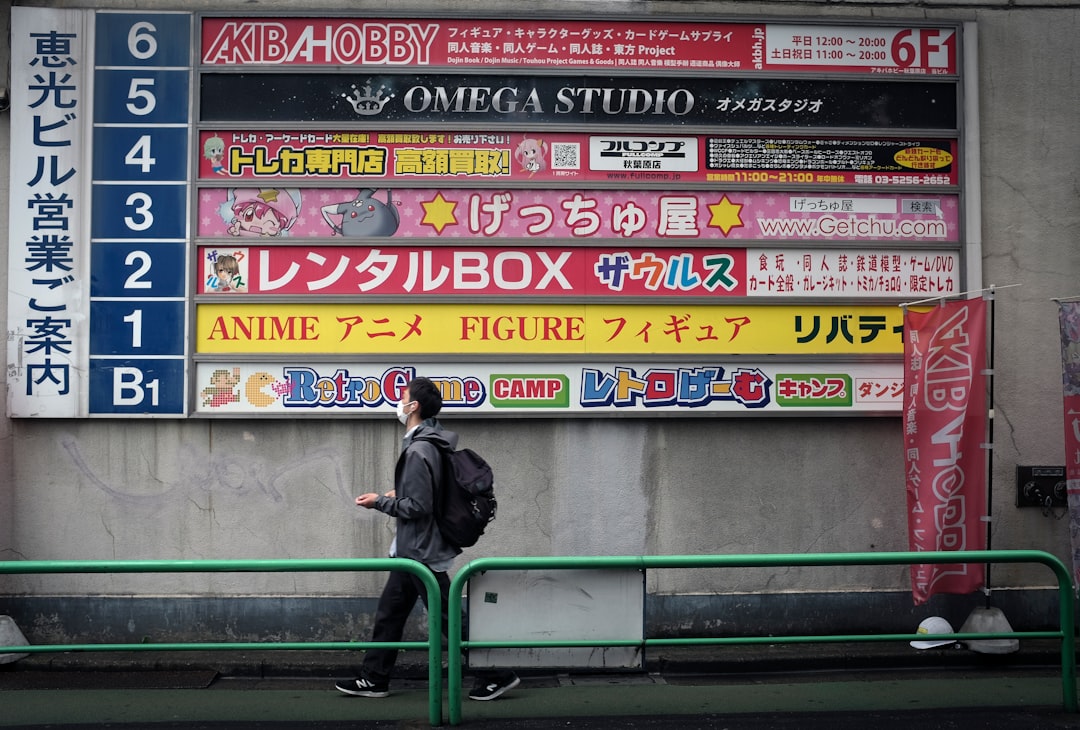
Akihabara — affectionately called Akiba by locals — started as a post-war black market for electronic components and evolved into the global epicenter of otaku culture. Today it’s a roughly eight-block stretch of central Tokyo where multi-story electronics shops, anime merchandise stores, maid cafés, retro game arcades, and figures shops exist side by side in magnificent, chaotic harmony.
As a first-time anime fan, the golden rule is this: don’t try to see everything in one day. I made that mistake on my first visit and ended up exhausted, overwhelmed, and 40,000 yen lighter by 4 PM. Give yourself at least two full days. Akiba rewards slow exploration.
The Anime & Manga Shops You Absolutely Cannot Miss
🗾 Book on Viator: Akihabara Anime, Manga & Video Games Tou →
Yodobashi Akiba
Start your pilgrimage at Yodobashi Akiba, the enormous multi-floor electronics and hobby megastore right across from the station. The upper floors are dedicated entirely to anime figures, model kits (Gunpla heaven), and collectibles. As a first-timer, this is a safe, well-organized entry point — English signage, easy navigation, and staff who are genuinely knowledgeable. Prices are retail, but the selection is staggering.
Kotobukiya
If you’re serious about figures, walk down Chuo-dori to Kotobukiya, a multi-story shop that sells their own exclusive statue lines alongside rare imports. The display cases alone are worth the visit — some of these pieces are genuine works of art. On my third trip to Akiba, a staff member named Kenji quietly pulled me aside and mentioned that their basement floor restocks limited-edition items every Tuesday and Friday morning. That tip alone saved me from missing a sold-out Demon Slayer figure I’d been hunting for months.
Mandarake Complex
This eight-floor secondhand anime paradise is where your budget goes to die — and where your collection truly comes alive. Mandarake sells used manga, vintage figures, rare doujinshi, retro game cartridges, and cosplay accessories at prices that range from shockingly cheap to jaw-droppingly rare. Dig through the basement bins. Set a spending limit before you walk in. I am not joking about either of those instructions.
Animate Akihabara
Animate is Japan’s largest anime retail chain and the Akihabara flagship store is a must for any fan. Seven floors of officially licensed merchandise covering everything currently airing or recently popular. Great for posters, stationery, and character goods you won’t find outside Japan.
Arcades: Your Complete First-Timer’s Survival Guide
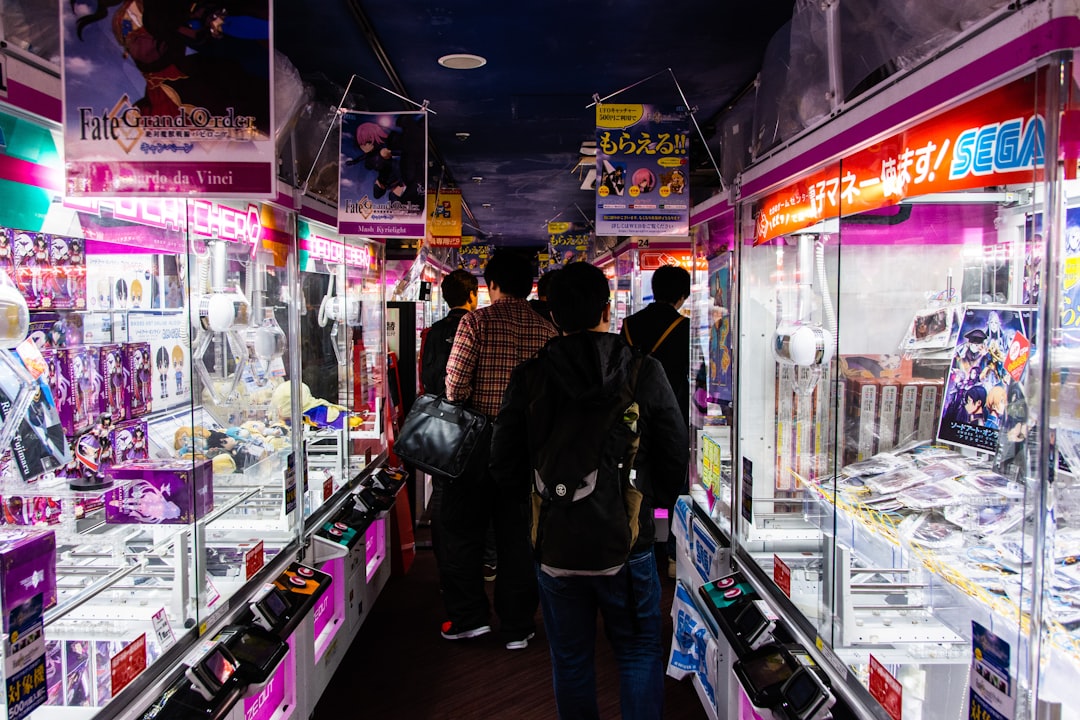
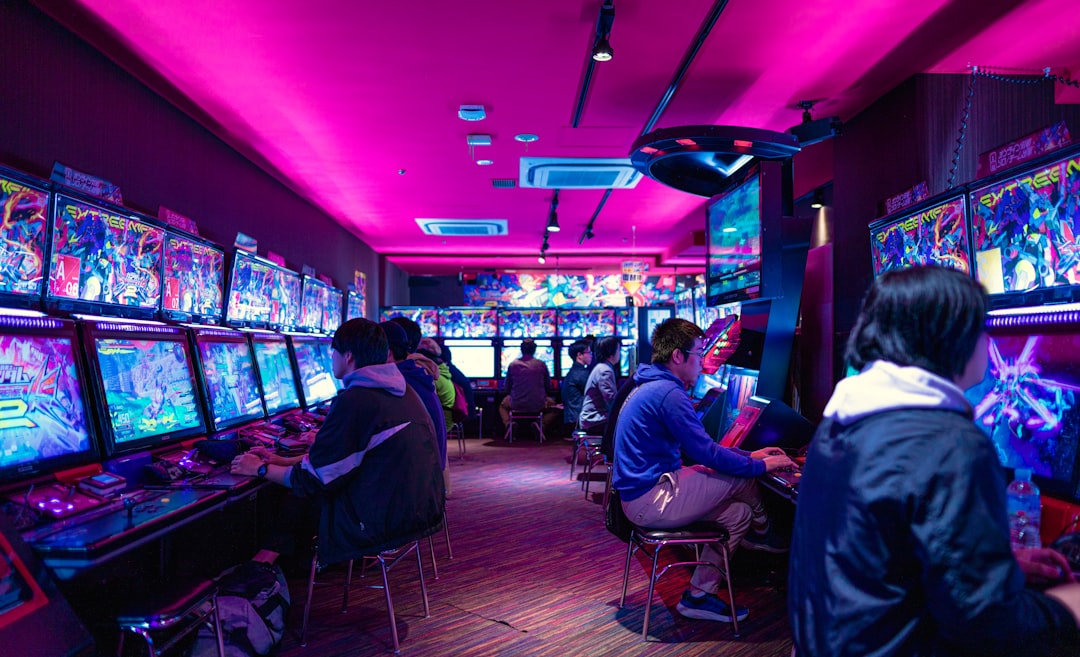
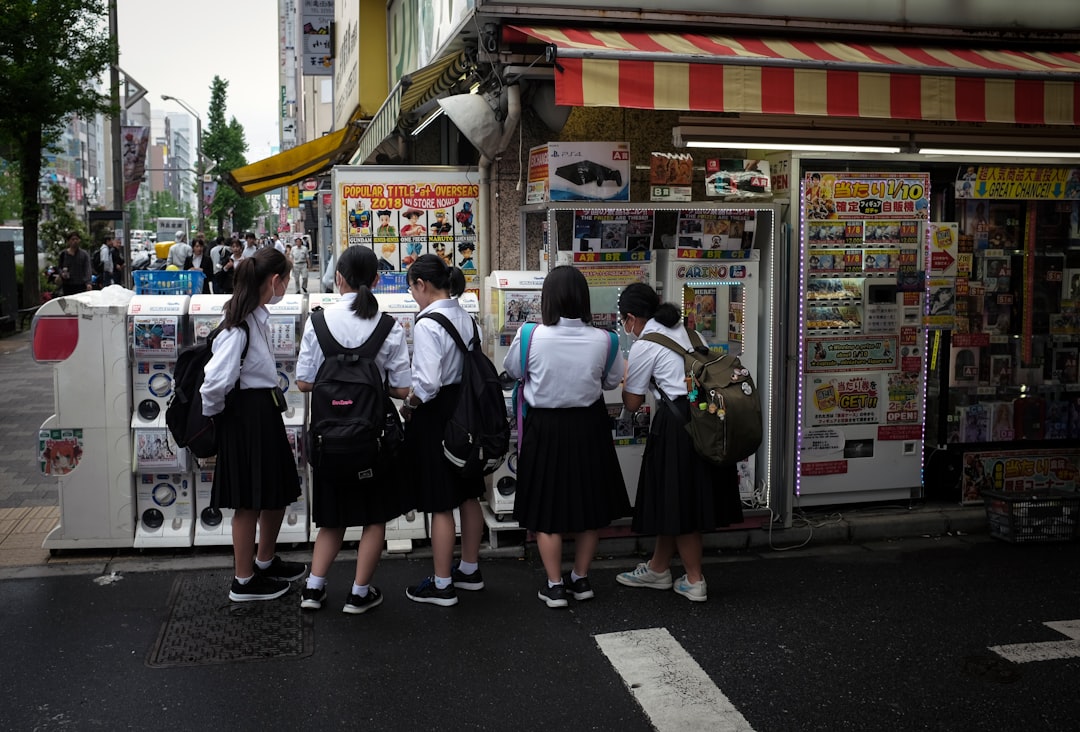
Akihabara’s arcades are unlike anything in the West. These are multi-floor adult playgrounds humming with rhythm games, UFO catcher machines, fighting game cabinets, and photo booths. Here’s how to navigate them without feeling lost.
Taito Station
Spread across several floors on Chuo-dori, Taito Station is one of the best arcades for first-timers because the layout is relatively intuitive. Ground floor tends to be UFO catchers (crane games stacked with anime prizes), upper floors feature rhythm games like Taiko no Tatsujin and Dance Dance Revolution, and deeper floors host competitive fighting game cabinets. Bring 1,000-yen notes — you’ll exchange them for 100-yen coins at the change machines inside.
Sega Akihabara
Look for the multiple Sega buildings along the main drag. The prize machines are famously well-stocked with current anime merchandise. Pro tip: watch an experienced player work a crane machine for a few minutes before you try — there’s genuine strategy involved, and the staff are usually willing to reset the prize position if you ask politely in Japanese (“Naoshi onegaishimasu” works).
Super Potato Retro Games
Not an arcade in the modern sense, but a shrine to retro gaming that every anime fan and Nintendo/Sega devotee needs to visit. Three floors of cartridges, consoles, and accessories from the Famicom era forward. The top floor has working cabinets where you can play for a small fee. The smell of old plastic and circuit boards in here is weirdly nostalgic even if you grew up in another country.
The Robot Restaurant: Honest Advice Before You Book
Everyone asks me about Robot Restaurant. Here’s my honest take as someone who’s been twice: it is not a restaurant in any meaningful sense. The food is mediocre bento-style fare and entirely beside the point. What you’re paying for (around ¥8,000–¥10,000 with a drink) is a 90-minute sensory spectacle — giant robots, bikini-clad performers, taiko drums, laser lights, and production values that belong in Las Vegas.
For anime fans specifically, it’s a fascinating cultural artifact: maximalist, unapologetically weird, and somehow both ironic and completely sincere at the same time. Book tickets online in advance (they sell out weeks ahead), arrive 30 minutes early to get good seats, and eat a real meal beforehand at one of the ramen shops nearby. Go into it as pure entertainment, not dining, and you’ll have an unforgettable time.
Note: Robot Restaurant briefly closed during the pandemic and its current operational status has shifted — always verify on their official site before booking, as schedules vary seasonally.
Maid Cafés: What First-Timers Should Actually Expect
🗾 Book on Viator: Akihabara anime, manga, maid cafe →
Maid cafés are quintessential Akihabara, and as a first-time visitor, you should go to at least one. The concept: waitresses dressed as French maid characters treat you as a guest in their “home,” performing little rituals before serving your food (they wave their hands over your omurice and chant to make it “magical”). It’s theatrical, sweet, and genuinely charming once you stop feeling awkward about it.
@Home Café (multiple Akiba locations) is the most famous chain and a good starting point — they have English menus and staff accustomed to foreign visitors. Expect to pay around ¥1,500–¥2,000 for a drink and a small dish, plus a table charge. Photos with staff cost extra. Tips are not customary in Japan, but buying a Polaroid with your maid is the accepted way to show appreciation.
Food & Drink: Eating Well in Akiba
Akihabara isn’t a food destination, but you won’t go hungry. Here are my honest favorites:
- Ramen: Fuunji, a short walk from the station, serves a divine tsukemen (dipping ramen) that hits differently after three hours of shopping. The thick, chewy noodles dipped in rich pork-and-fish broth are worth the short queue. If you’re looking to explore more of Tokyo’s ramen culture beyond Akiba, consider exploring Tokyo’s food-focused neighborhoods on the Fukutoshin Line.
- Curry: Akihabara has a surprising number of excellent Japanese curry shops. Look for the standing curry counters — quick, cheap, and deeply satisfying.
- Convenience stores: Don’t overlook the Family Mart just off Chuo-dori. Their onigiri and nikuman (steamed pork buns) are perfect mid-afternoon fuel.
Best Time to Visit Akihabara as a First-Timer
Weekday afternoons (Tuesday through Friday, 2–6 PM) are the sweet spot. Weekend afternoons get genuinely crushed with crowds — not unpleasant, but hard to browse carefully. Sunday afternoons in summer, a section of Chuo-dori becomes a pedestrian-only street festival, which is magical but extremely packed. Avoid the weeks around Comiket (late December and mid-August) unless you’re attending — hotel prices spike and the district is beyond capacity.
Evening in Akihabara hits different in every sense. As the sky goes dark around 7 PM, I was standing in front of a figure shop watching the neon reflections ripple across rain-slicked asphalt, eating a skewer of yakitori I’d bought from a street cart for 150 yen. A group of teenagers in Haikyuu jerseys ran past me toward a game center, laughing loud enough to cut through the idol music pouring from the speakers above. In that exact moment I felt something I can only describe as belonging — like this impossible, luminous, slightly chaotic place had been quietly waiting for me to show up, much the way Tokyo’s hidden neighborhoods reveal themselves to curious visitors.
Practical Tips Before You Go
- Cash is king. Many smaller shops, maid cafés, and arcade machines are cash-only. Withdraw yen at the 7-Eleven ATM inside the station before you start.
- IC Card: Load a Suica or Pasmo card for seamless train travel — Akihabara Station is on the JR Yamanote and Chuo-Sobu lines, easy to reach from anywhere in central Tokyo.
- Luggage: Leave big bags at your hotel or in coin lockers at the station. You will buy things. You need your hands free.
- Translation apps: Google Translate’s camera function is genuinely useful for reading product descriptions on packaging.
- Budget: Set a realistic shopping budget before you arrive, write it on your phone, and check it every hour. I say this with love and personal trauma.
Akihabara isn’t just a shopping district — it’s a permission slip. Permission to love the things you love loudly, completely, and without apology. For first-time anime fans especially, it’s the rare place in the world where your niche isn’t a niche at all. It’s the whole entire world.