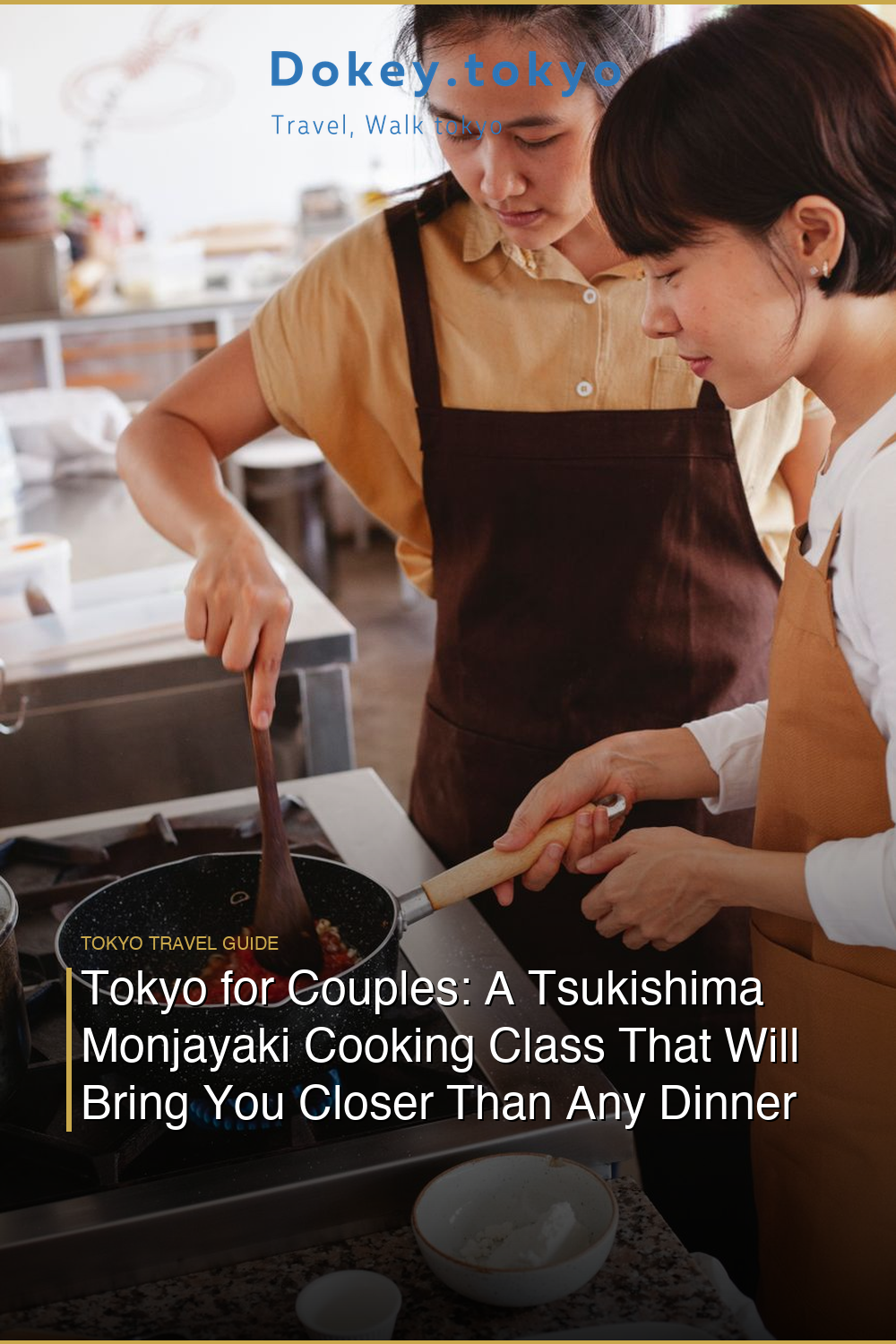
There’s a certain kind of travel magic that only happens when you stop being spectators and start being participants — and nowhere did that hit me harder than on a drizzly Tuesday evening in Tsukishima, standing elbow-to-elbow with my partner at a tiny iron griddle, desperately trying not to burn our first attempt at monjayaki. We were laughing too hard to care. That single two-hour cooking class became the story we’ve told at every dinner party since.
I still remember stepping off the Oedo Line at Tsukishima Station and being hit immediately by the smell of sizzling batter and Worcestershire sauce drifting down from the famous Monja Street — a narrow, lantern-lit alley called Nishi-Sunamon-cho that locals have been crowding into since the 1970s. The evening light was amber and warm, the kind that makes everything look like a memory you haven’t made yet, and somewhere nearby a shopkeeper was shouting cheerful greetings to regulars filing through a sliding door barely wider than my shoulders.
Why Tsukishima Is the Perfect Couples’ Destination in Tokyo
🎫 Book on Klook: Tokyo Couple Cooking Class Experience →
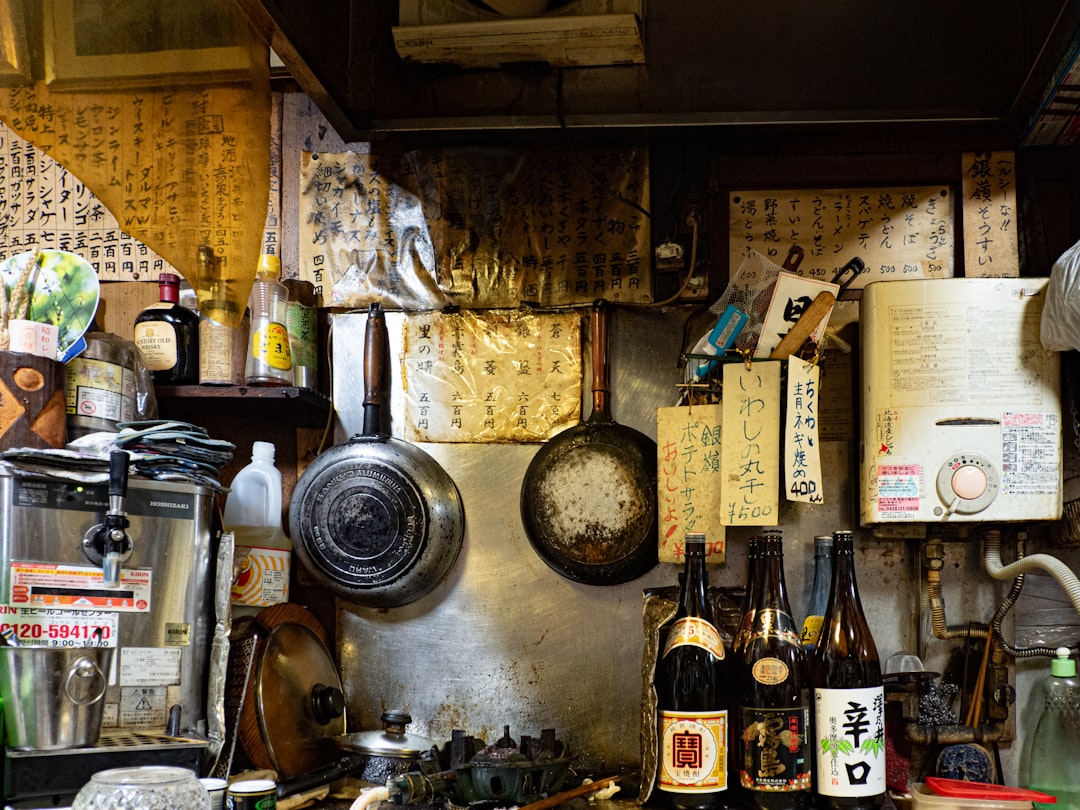
Tsukishima is not the Tokyo you see on postcards. There are no temple gates, no neon towers. It’s a reclaimed island in the Sumida River delta that feels genuinely, unself-consciously local — the kind of neighborhood where grandmothers grocery shop in slippers and izakayas have hand-written menus that haven’t changed in thirty years. For couples, that authenticity is everything. You’re not performing tourism here; you’re sliding into the rhythm of a real Tokyo neighborhood, and that shift changes the entire energy of your trip.
Monjayaki — Tokyo’s answer to Osaka’s okonomiyaki — is the neighborhood’s obsession and its identity. Unlike its thicker, more photogenic cousin from the south, monja is a runnier batter loaded with cabbage, seafood, or pork and cooked on a communal teppan (iron griddle) right at your table. The technique is specific, almost ritualistic, and frankly a little intimidating the first time. Which is exactly why taking a cooking class together, rather than just ordering off a menu, transforms it from a meal into a shared adventure.
What to Expect from a Tsukishima Monjayaki Cooking Class
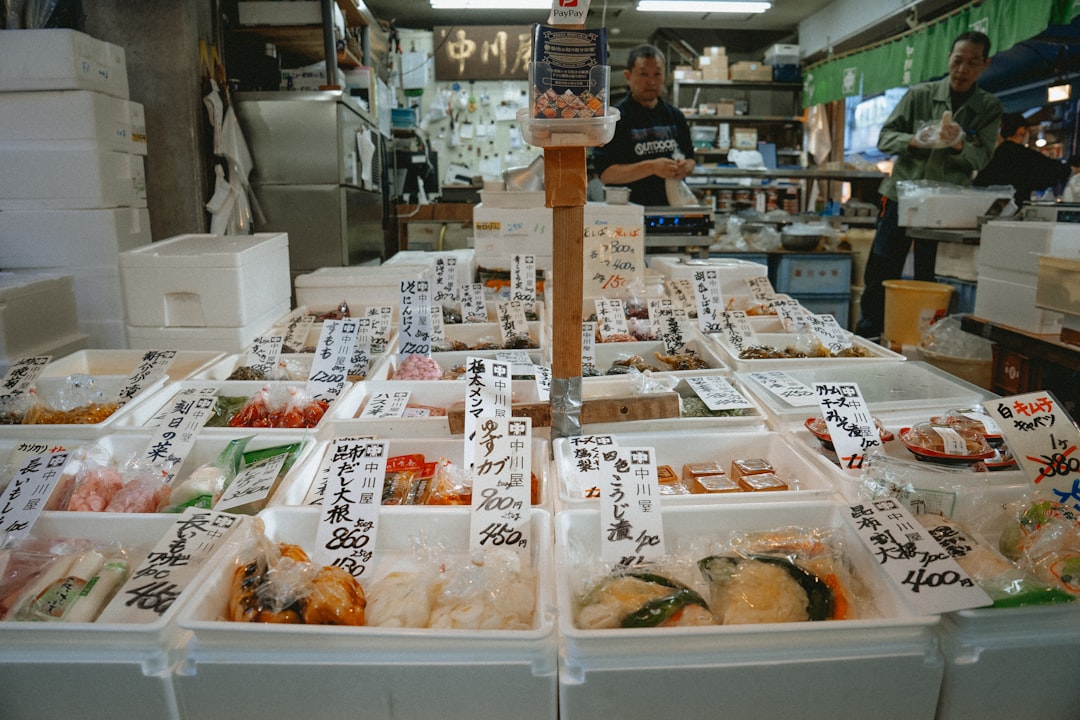
Finding the Right Class
Several operators run monjayaki workshops in and around Tsukishima, ranging from informal sessions hosted in local restaurants to more structured cooking schools with English-speaking instructors. For couples, I strongly recommend booking a small-group class — ideally six people or fewer — so you actually get hands-on griddle time rather than watching someone else cook. Look for classes that include a neighborhood walking tour component; that extra hour wandering Monja Street before you cook gives you context that makes the meal taste better, I promise. If you’re interested in exploring more of Tokyo’s food scene on foot, consider pairing this class with a comprehensive Tsukishima Monja Alley Food Tour on another day to discover even more local restaurants.
Pricing typically runs between ¥4,000–¥7,000 per person (roughly $27–$47 USD), often including ingredients, all cooking equipment, and at least one drink. That’s genuinely excellent value for a two-hour immersive experience in one of Tokyo’s most characterful neighborhoods.
The Cooking Ritual — Step by Step
Here’s the thing about monjayaki that nobody warns you: it looks absolutely wrong at every stage until it suddenly looks right. Your instructor will walk you through mixing the batter — typically a thin flour-and-dashi base — with your chosen toppings. Classic combinations include mochi and mentaiko (spicy pollock roe), seafood medleys with squid and shrimp, or the indulgent corn-and-cheese version that converts skeptics in about thirty seconds.
The technique involves a specific sequence: first, you stir-fry the solid toppings on the griddle, then shape them into a ring (a little dam wall of cabbage and fillings), pour the liquid batter inside the ring, and wait. You wait while it bubbles. Then, with small spatulas called hera, you fold and press everything together until the outer edges turn crispy and golden while the center stays gooey and luscious. You eat it directly from the griddle with tiny individual spatulas, scraping up the crispy bits last. Those crispy bits — called the okoge — are what couples will actually fight over.
During my class, our instructor — a wonderfully dry-humored woman named Keiko-san who had been making monjayaki for over twenty years — leaned over when she saw me being too timid with my hera and said, simply, “More brave. The monja knows when you are scared.” I have never pressed a spatula with more confidence in my life.
The Neighborhood Walk: Don’t Skip This
If your class includes a pre-cooking walking tour of Monja Street, treat it as part of the experience, not a preamble to it. The alley is only about 500 meters long but it contains over 70 monjayaki restaurants — a density of a single dish that exists almost nowhere else on earth. Your guide will likely point out which spots are the oldest (some have been in the same family for three generations), explain how monjayaki became children’s street food in the postwar era when ingredients were scarce and cheap, and maybe sneak you a sample or two before the class begins.
For couples specifically, take this time to wander slightly off Monja Street into the surrounding residential blocks. The contrast between the buzzing food alley and the silent, bicycle-lined backstreets just thirty meters away is startling and romantic in a way that’s hard to manufacture.
What to Do Before and After Your Cooking Class
🗾 Book on Viator: Japanese Home Cooking Class Experience →
Arrive Early and Walk the Island
Tsukishima is small enough to explore thoroughly in a single afternoon. Arrive two hours before your class and walk south toward Tsukudajima — an even older, quieter neighborhood that feels frozen somewhere around 1965. The Sumida River views from the small bridges here are genuinely stunning, especially in late afternoon golden hour, and almost completely crowd-free. It’s the kind of place where you’ll stop mid-conversation to just look at each other and the water and feel lucky. If you’re a photography enthusiast, the Sumida River boat tour from Asakusa to Odaiba offers another perspective on this same waterway.
After Class: Stay for Drinks
Post-cooking, most restaurants connected to cooking classes will let you linger over drinks. Order a cold Sapporo or — if you’re feeling adventurous — ask about any house shochu. The atmosphere inside these small teppanyaki restaurants after 8pm, when the griddles are still warm and the walls are practically vibrating with conversation, is one of the great underrated pleasures of Tokyo nightlife. For a broader exploration of Tokyo’s drinking culture, you might also enjoy our guide to Tokyo izakayas in Shinjuku, which captures that same spirit of eating and drinking like a local.
Practical Tips for Couples Booking a Monjayaki Class
- Book at least two weeks ahead, especially for weekend slots — these small-group classes fill up fast and the best operators are often fully booked a month out during cherry blossom and autumn foliage seasons.
- Wear clothes you don’t mind smelling like Worcestershire sauce and pork fat. This is a genuine, non-negotiable advisory. The smell is glorious in the moment and persistent afterward.
- Tell your instructor about dietary restrictions early. Vegetarian-friendly versions exist and many operators accommodate allergies, but only if you communicate beforehand.
- Best time to visit: Weekday evenings (Tuesday through Thursday) when Monja Street is lively but not packed. Summer evenings have a festive energy; winter adds a cozy, steamy warmth to the whole experience that feels almost impossibly romantic.
- Getting there: Tsukishima Station on the Tokyo Metro Yurakucho Line or the Toei Oedo Line. It’s about 15 minutes from Shinjuku and 20 minutes from Shibuya.
The Moment That Made It Real
Toward the end of our class, everyone else at the griddle was focused on scraping up the last okoge from the iron surface. My partner and I had made four variations — the classic seafood, a mochi-cheese version that was almost embarrassingly good, and two experimental disasters that Keiko-san gamely ate anyway without a flicker of judgment. We were full, slightly smoky, and completely content in that specific way that only happens when you’ve made something with your hands and then eaten it together in a small warm room while rain tapped against the window outside. My partner looked over at the crackle of the last bit of crispy monja and said, “We have to learn how to make this at home.” We haven’t yet — and I secretly think that’s because we both know it would never taste the same without Keiko-san telling us to be brave.
Is a Monjayaki Cooking Class Worth It for Couples?
Absolutely, without reservation. In a city as stimulating and occasionally overwhelming as Tokyo, a monjayaki cooking class in Tsukishima offers something rare: slowness. Presence. The specific joy of doing something slightly awkward together and coming out the other side with a shared story and a very satisfying meal. It’s not the flashiest date night Tokyo has to offer — but it might be the most memorable one. And if you’re traveling as a couple looking for the kind of experience that deepens a relationship rather than just decorating it, that matters more than a view from any rooftop bar.