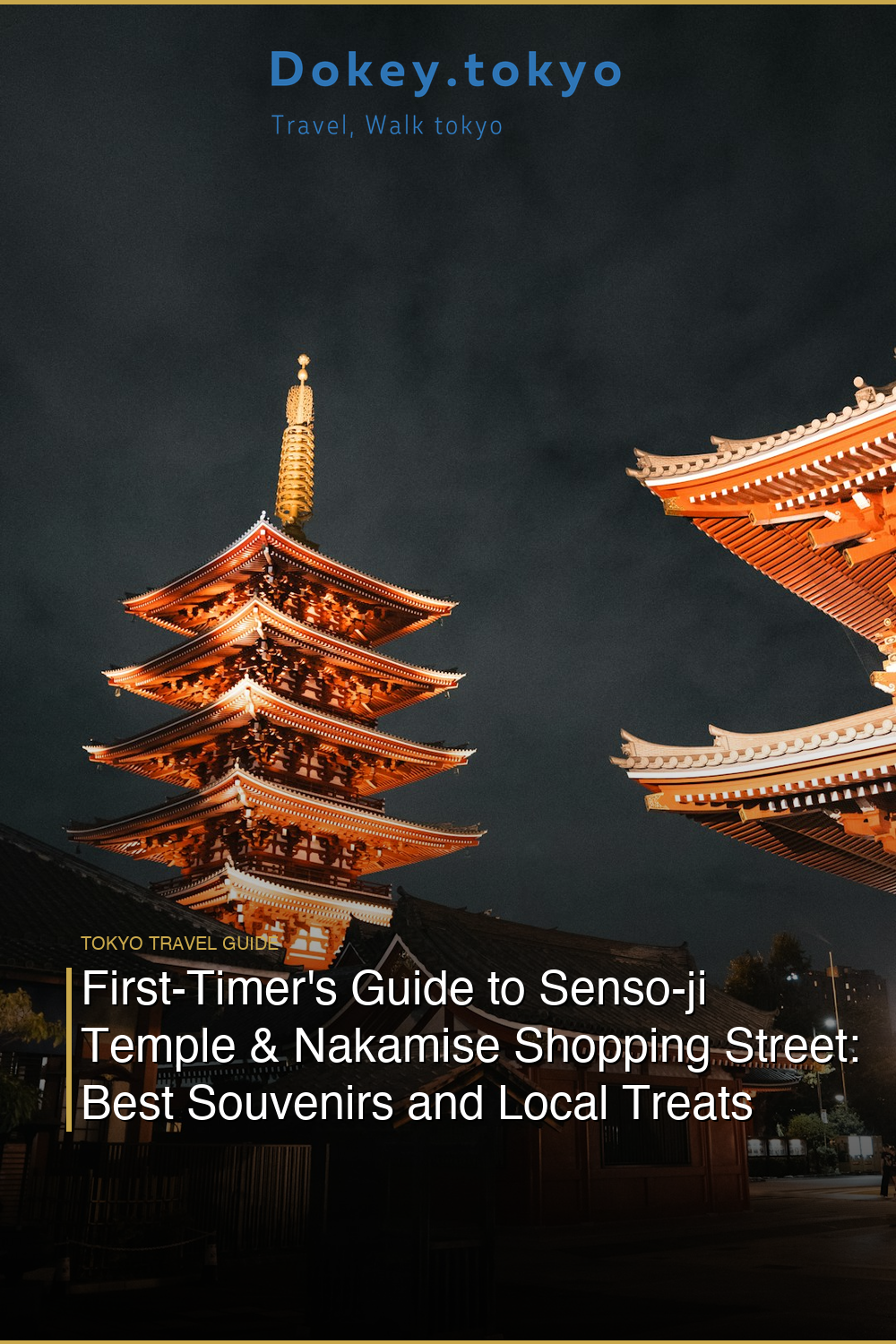
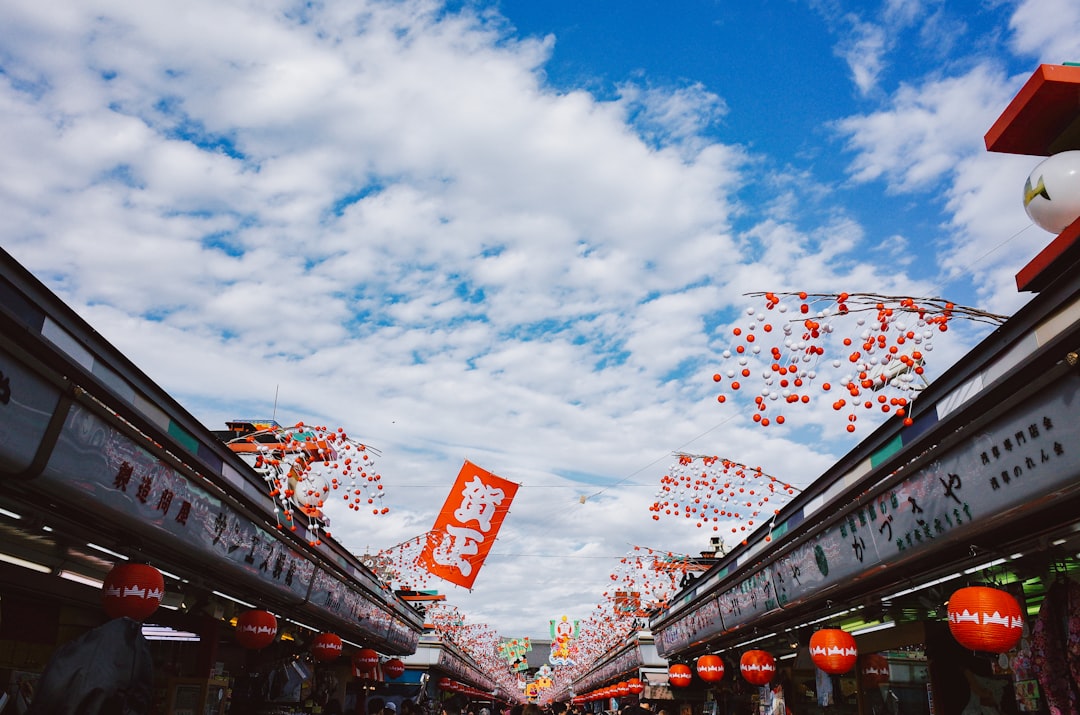
There is a moment — and every first-time visitor to Tokyo eventually has it — where the city stops feeling overwhelming and starts feeling like the greatest adventure of your life. For me, that moment happened on Nakamise-dori, the legendary 250-meter shopping street that leads straight to the thunderous red gates of Senso-ji Temple in Asakusa. If you’ve never been, let me be the first to tell you: no travel photo, no YouTube video, no friend’s enthusiastic retelling has ever done this place justice.
The first time I stepped off the Asakusa Station exit and looked up, the smell hit me before anything else — sweet, smoky tendrils of incense drifting down the street, mixing with the warm caramel scent of freshly grilled ningyo-yaki (little fish-shaped cakes filled with red bean paste) being pressed right in front of me. It was 8:45 in the morning, the lanterns along the Kaminarimon gate were glowing orange against a pale winter sky, and a monk in gray robes walked past me so calmly it felt like I’d accidentally stepped into a living painting. My heart did something embarrassing — it genuinely fluttered.
Why Nakamise Shopping Street Is Perfect for First-Timers
🎫 Book: Senso-ji Temple & Nakamise guided tour →
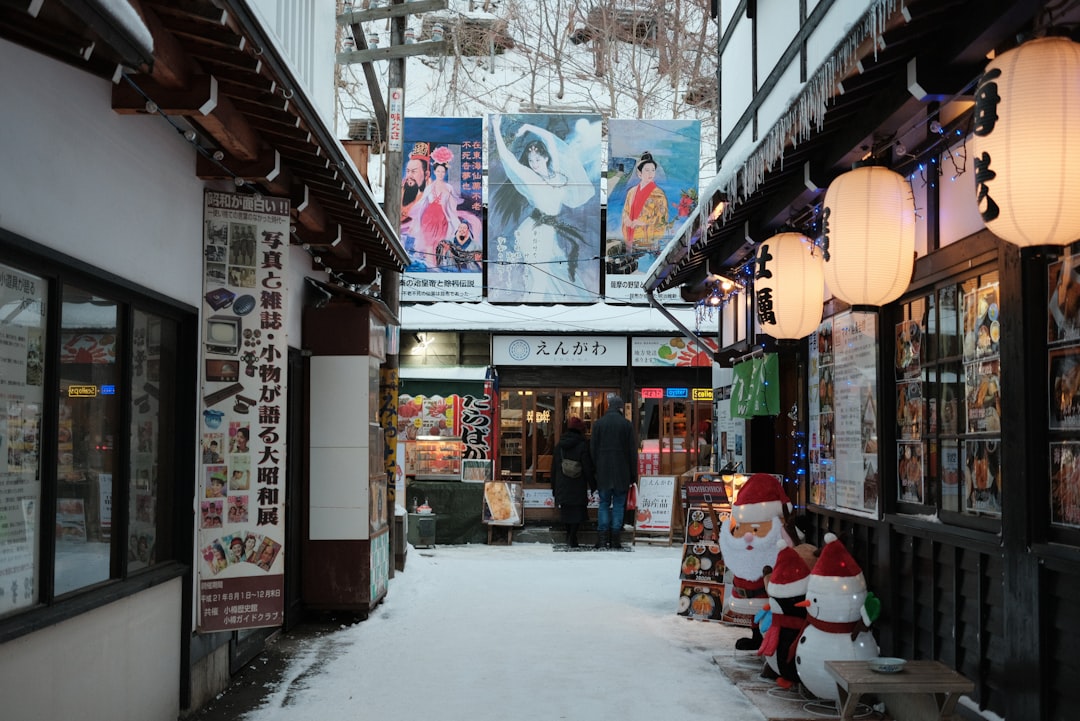
If you’re visiting Tokyo for the first time, Asakusa and Nakamise-dori should be near the top of your list — not because every guidebook tells you so, but because it genuinely delivers on its promise. Unlike some tourist corridors that feel hollowed out and commercial, Nakamise has maintained a real sense of place. Many of the 89 stalls lining both sides of the street have been family-run for generations. You’re not shopping in a theme park recreation of old Tokyo. You’re walking through a living, breathing piece of it.
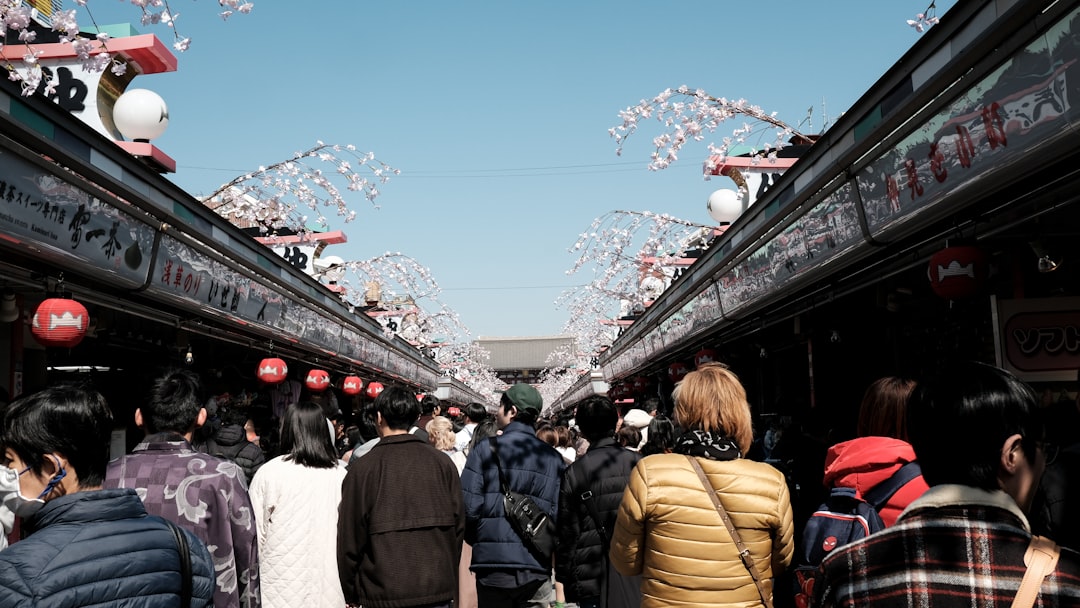
The street stretches from Kaminarimon (the Thunder Gate, with that iconic giant red lantern) all the way to Hozomon Gate and then into the temple grounds proper. Budget at least two to three hours here if it’s your first visit — one hour if you walk fast, but that would be a crime.
The Best Souvenirs on Nakamise-dori
🎫 Book: Tokyo traditional souvenirs shopping exp →
Traditional Crafts Worth Every Yen
For first-timers wondering what to actually bring home, here’s my honest shortlist — things I’ve bought multiple times because people back home actually use them.
Tenugui (hand towels): These thin cotton cloths printed with seasonal motifs, kabuki patterns, or geometric designs are flat, lightweight, and genuinely beautiful. Look for shops like Fujiya, which has been selling tenugui on Nakamise since 1865. A quality piece runs about ¥800–¥1,500 ($5–$10 USD). They make perfect wrapping cloths, wall art, or hair wraps.
Edo Kiriko glassware: You’ll find small gift sets of this intricate cut glass in several shops. Yes, it’s fragile — wrap it in your tenugui, problem solved. A small sake cup starts around ¥2,000.
Folding fans (sensu): Practical and pretty, especially in Japan’s humid summers. Avoid the ¥300 plastic ones near the front of the street. Walk deeper toward the temple and look for hand-painted bamboo fans in the ¥1,500–¥3,000 range.
Omamori (lucky charms): Once you reach Senso-ji itself, don’t leave without picking up an omamori from the official temple stalls. These small brocade pouches contain prayers and are sold for specific wishes — safe travel, good health, academic success, love. At ¥500–¥1,000 each, they’re the most meaningful souvenir you can bring home from Japan.
Hidden Gem: The Side Alleys Off Nakamise
Here’s something most first-timers miss entirely. About halfway down Nakamise on your right, there are two smaller perpendicular lanes called Nishi-Sando and Higashi-Sando. These quieter alleys have older, slightly scruffier shops selling antique hair combs, handmade ceramics, vintage postcards, and lacquerware at prices that feel almost apologetically low. If you’re interested in vintage finds and traditional craftsmanship, you might also enjoy exploring vintage kimono shopping in Komagome, which offers a similar experience in a different neighborhood. I stumbled into one tiny shop run by an elderly woman named — if I understood her correctly — Kimiko-san, who pulled out a tray of kanzashi (decorative hair pins) from under the counter that weren’t on display at all. She held one up near my hair, nodded approvingly, and I walked out with three pins for ¥1,200 total. I still wear them.
The Local Treats You Absolutely Cannot Skip
🎫 Book: Asakusa local food tasting walking tour →
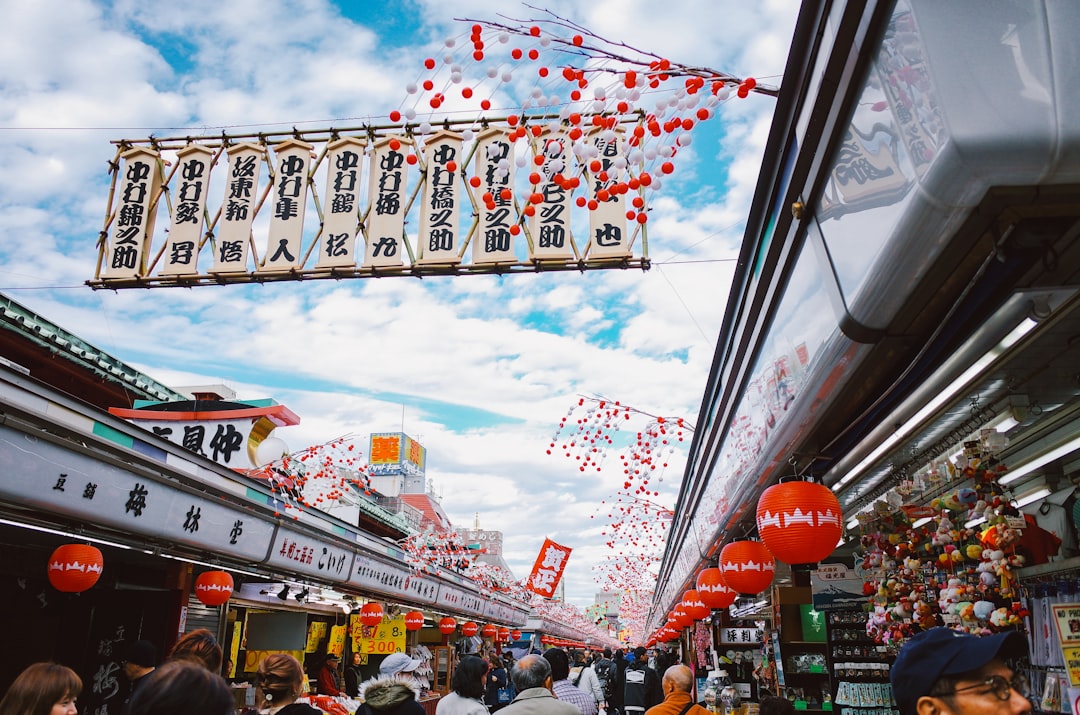
This is where Nakamise earns serious points with first-time visitors. The food here isn’t afterthought vendor fare — it’s the real reason locals still come to this street despite the tourist crowds.
Ningyo-yaki (人形焼き)
These small, golden-brown cakes molded into shapes of the Kaminarimon lantern, pagodas, and pigeons are filled with sweet azuki red bean paste and pressed fresh on iron griddles right in front of you. They’re warm, slightly crisp on the outside, and pillowy inside. A bag of eight costs about ¥600. This is your first Tokyo street food experience — don’t skip it.
Melonpan Ice Cream
A newer addition but now a Nakamise staple: a freshly baked melonpan (sweet bread roll with a crisp cookie crust) split open and filled with soft serve vanilla ice cream. The contrast of the warm, crumbling bread against cold cream is — look, I’ve had this four times across four different trips. That should tell you everything.
Kaminari Okoshi (Thunder Crackers)
These puffed rice crackers bound with sugar and sesame are named after Kaminarimon itself and have been sold here since the Edo period. They come in flavors like original, matcha, and yuzu. Buy the small gift boxes — they travel well and make wonderful edible souvenirs.
Agemanju (Fried Bean Paste Buns)
If you see a queue forming at a small stall selling what looks like golden brown dumplings being pulled from a fryer, join that queue immediately. Agemanju are steamed mochi buns filled with red bean paste, then deep fried. Eat them immediately — the outside shatters like the world’s most delicate cracker and the inside is warm lava-soft sweetness. They cost about ¥100–¥150 each. For more exploration of Tokyo’s incredible food scene, don’t miss the fresh sushi at Tsukiji Inner Market, where you can experience another side of Tokyo’s culinary heritage.
Practical Tips for First-Time Visitors
When to Go (Seriously, Timing Matters)
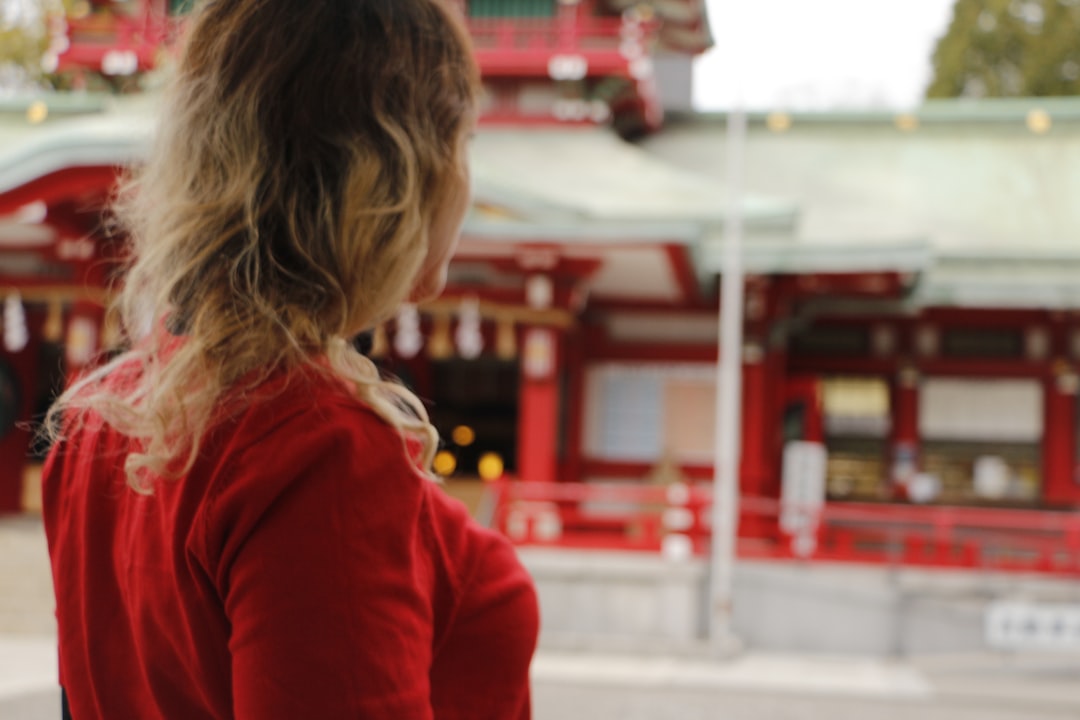
Nakamise opens around 10:00 AM and closes around 6:00–7:00 PM, though the temple grounds themselves are open from 6:00 AM. Here’s my strongest tip for first-timers: arrive at the temple by 7:30 AM before the shops open. The street will be nearly empty, the morning light through the lanterns is extraordinary, and you’ll have Senso-ji’s main hall essentially to yourself. Then as the shops open around you, the street comes alive in real time — it feels like watching a stage set being inhabited. For more tips on photographing Tokyo’s temples and shrines in ideal lighting conditions, check out our photography guide to Asakusa Nakamise.
Avoid Sundays between 11:00 AM and 3:00 PM in peak seasons (spring cherry blossom season in late March/April and autumn foliage in November). The crowd density becomes genuinely difficult to navigate.
Getting There
Take the Tokyo Metro Ginza Line or the Toei Asakusa Line directly to Asakusa Station. The Kaminarimon gate is a 3-minute walk from Exit 1. It is impossible to miss.
How Much to Budget
For a proper first-timer’s Nakamise experience — snacks, a few quality souvenirs, temple charms, and a sit-down lunch at one of the surrounding restaurants — budget ¥5,000–¥8,000 (roughly $35–$55 USD). You can do it for less if you’re disciplined about shopping, but the temptation here is formidable and also genuinely worth surrendering to.
Dress and Etiquette at the Temple
There’s no dress code for Senso-ji, but do remove your hat when entering the main hall. Toss a coin (any denomination) into the offering box, bow twice, clap twice, bow once — this is the standard Shinto-style greeting even at a Buddhist temple, and locals will appreciate the effort. Before you enter the main hall, stop at the large bronze incense burner and waft the smoke toward yourself. It’s said to bring good health and, more practically, it smells incredible.
One Moment I’ll Never Forget
On my third visit to Senso-ji, I arrived just after a light November rain had stopped, around 4:30 in the afternoon. The stone path through the temple grounds was still dark and wet, reflecting the red of the lanterns above. A group of schoolchildren in matching yellow hats were buying ningyo-yaki nearby, arguing loudly about who got the lantern-shaped one versus the pigeon. The incense smoke was heavy and low in the cold air, and for a few minutes I stood completely still at the foot of the main hall while everyone moved around me, thinking: this is exactly what I came to Japan for. Not the Instagram version of it. The actual, smells-like-smoke, sounds-like-children-laughing version of it.
Your First Visit Won’t Be Your Last
That’s the thing about Senso-ji and Nakamise-dori that no one warns you about before your first trip: you will leave already planning your return. You’ll buy a tenugui and think about coming back in cherry blossom season to buy another one. You’ll eat an agemanju and immediately want to eat a second. The place has a pull to it that is equal parts history, sensory pleasure, and something harder to name — a feeling of being inside a city that takes its own culture seriously enough to protect it, even as millions of tourists walk through it every year.
Book that trip. Walk through Kaminarimon. Let the incense smell settle into your coat. And for the love of everything good in this world — get the melonpan ice cream.