Disclosure: some links on this page are affiliate links. If you book a tour through them, dokey.tokyo may earn a small commission at no extra cost to you.
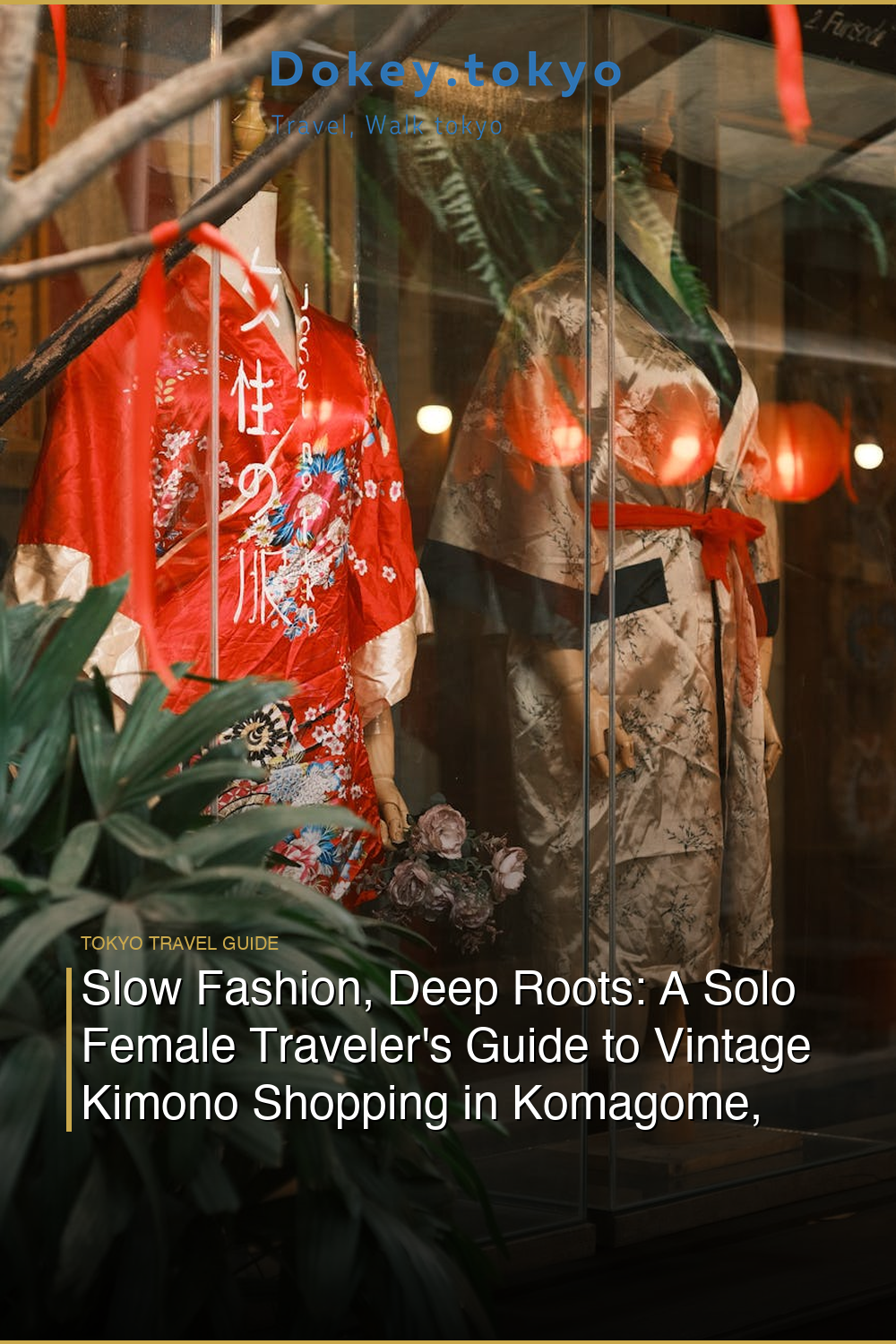
There’s a particular kind of travel magic that has nothing to do with crowds or bucket lists. It’s the magic of wandering into a neighborhood that wasn’t on anyone’s itinerary, pushing open a door that smells like cedar and old silk, and walking out two hours later holding something that belonged to a woman you’ll never meet — but somehow feel connected to. That’s what vintage kimono shopping in Komagome offers, and it can make ordinary souvenir shopping feel flat by comparison.
Why Komagome Is the Perfect Neighborhood for Solo Female Kimono Hunters
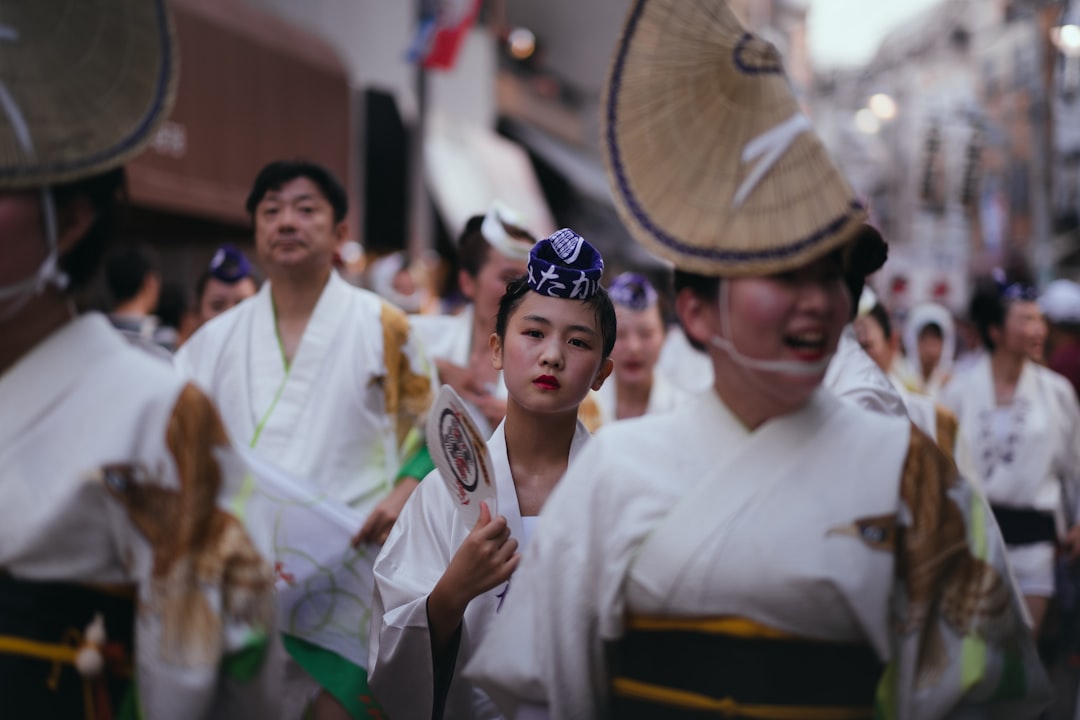
Komagome sits on the Yamanote Line between Sugamo and Tabata, and most tourists ride straight through it on their way to Ueno or Ikebukuro. That’s their loss and your gain. Unlike the curated vintage lanes of Shimokitazawa or the tourist-facing kimono rental shops of Asakusa, Komagome’s secondhand clothing culture exists almost entirely for local Japanese shoppers — which means prices are honest, selection is extraordinary, and the experience feels genuinely real.
For solo female travelers specifically, Komagome is a dream. The neighborhood is walkable, calm, and deeply safe. Shop owners tend to be older women — former seamstresses, antique dealers, women who grew up wearing the garments they now sell — and they have a particular warmth toward women who show up alone and curious. You’re not a tourist to be processed here. You’re a guest.
What to Know Before You Go: Kimono Basics for First-Time Buyers
Understanding the Kimono Categories You’ll Encounter
Walking into a vintage kimono shop without any context is like walking into a wine cellar without knowing red from white — possible, but you’ll miss so much. Here’s the quick version you need:
Furisode are the formal, long-sleeved kimono traditionally worn by unmarried young women. They’re the most elaborately decorated — dramatic florals, sweeping embroidery — and tend to be the priciest even secondhand. If you want something showstopping to hang on a wall or wear to a very special event, this is your category.
Komon are casual, all-over patterned kimono that are genuinely wearable in daily life. These are the workhorses of the vintage kimono world, and they come in patterns ranging from subtle geometric repeats to wild abstract prints from the 1960s and 70s. For solo travelers who want something they’ll actually wear back home, komon are the sweet spot.
Haori are the short hip-length kimono jackets, and they are an excellent choice for Western travelers. They layer beautifully over jeans, they’re lightweight for packing, and they tend to run ¥1,000–¥5,000 in good vintage shops. Buy three.
Obi are the wide sashes worn around the waist, and even if you never wear a full kimono, a vintage obi makes a stunning wall hanging, table runner, or statement accessory. Some of the most intricate weaving in Japanese textile history lives in these pieces.
Sizing Reality Check
Vintage kimono were made for Japanese body proportions, which means the sleeves may be shorter than you expect and the overall length may fall differently than traditional styling requires. This is actually a non-issue for most Western purposes — for wearing as a robe, a jacket layer, or a display piece, fit is irrelevant. If you genuinely want to wear one traditionally tied, ask the shop owner; many can recommend a seamstress nearby who does alterations.
The Shops Worth Seeking Out
The Hidden Gem Street Behind Rikugien Garden
Komagome’s crown jewel is Rikugien Garden, one of Tokyo’s most beautiful traditional Japanese landscape gardens. Most visitors do the garden and leave. Smart solo travelers do the garden and then spend equal time in the residential streets immediately behind and beside it, where a scattering of antique dealers and kimono specialists operate out of spaces that barely look like shops from the outside.
Komagome’s Shotengai (Shopping Arcade) Side Streets
The covered shotengai running northwest from the station has a few permanent antique and used clothing dealers mixed in among the grocers and hardware stores. These spots don’t specialize exclusively in kimono, but they often have bins of haori and obi selling for ¥500–¥2,000 — genuinely excellent quality at prices that feel almost guilty. Go slowly. Dig through the bins. The best pieces are never on top.
Temporary Markets at Rikugien and Local Temples
Check the calendar before your visit. Komagome and the neighboring Sugamo area host rotating antique flea markets at temple and shrine grounds, and kimono dealers make up a significant portion of vendors. The Sugamo Togenuki Jizo Temple market (held on the 4th, 14th, and 24th of each month) is a twenty-minute walk and absolutely worth combining with your Komagome day.
🗾 Check availability: Kimono photoshoot with matcha →
🗾 Check availability: Geisha or Oiran dress-up photos →
Eating and Drinking Your Way Through a Komagome Kimono Day
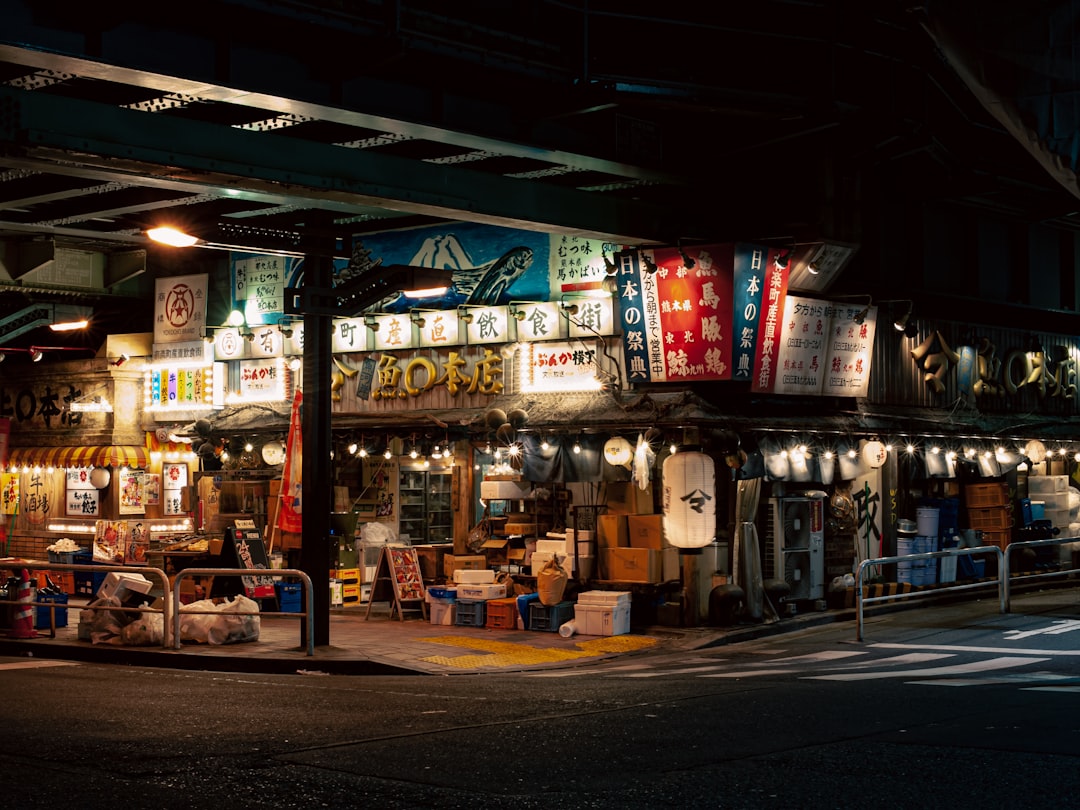
A proper kimono-hunting day in Komagome deserves proper food. This neighborhood eats well and quietly, away from tourist menus.
Start your morning with a stop at one of the small kissaten (old-school Japanese coffee shops) near the station. Order a morning set — thick toast, a soft-boiled egg, a small salad, and coffee — for around ¥600. The atmosphere inside these places, with their dark wood counters and jazz playing at a respectful volume, is the perfect psychological warm-up for a day of slow, appreciative looking.
For lunch, look for any handwritten sign reading teishoku (set meal). Komagome’s neighborhood restaurants serve honest, home-style Japanese cooking: grilled fish, miso soup, pickles, rice. A full teishoku lunch will run you ¥900–¥1,400. Eat at the counter if you’re solo — the owners are often willing to chat, and you’ll get better service.
Before heading home, stop at a wagashi (traditional Japanese sweets) shop near Rikugien for seasonal sweets. In autumn, look for momiji (maple leaf) shaped mochi or chestnut yokan. Eat it on a bench inside Rikugien as the light fades. That specific combination — handmade sweet, old garden, the rustle of silk still in your bag — is what travel is actually for.
Practical Tips for Solo Female Travelers Shopping Vintage Kimono in Komagome
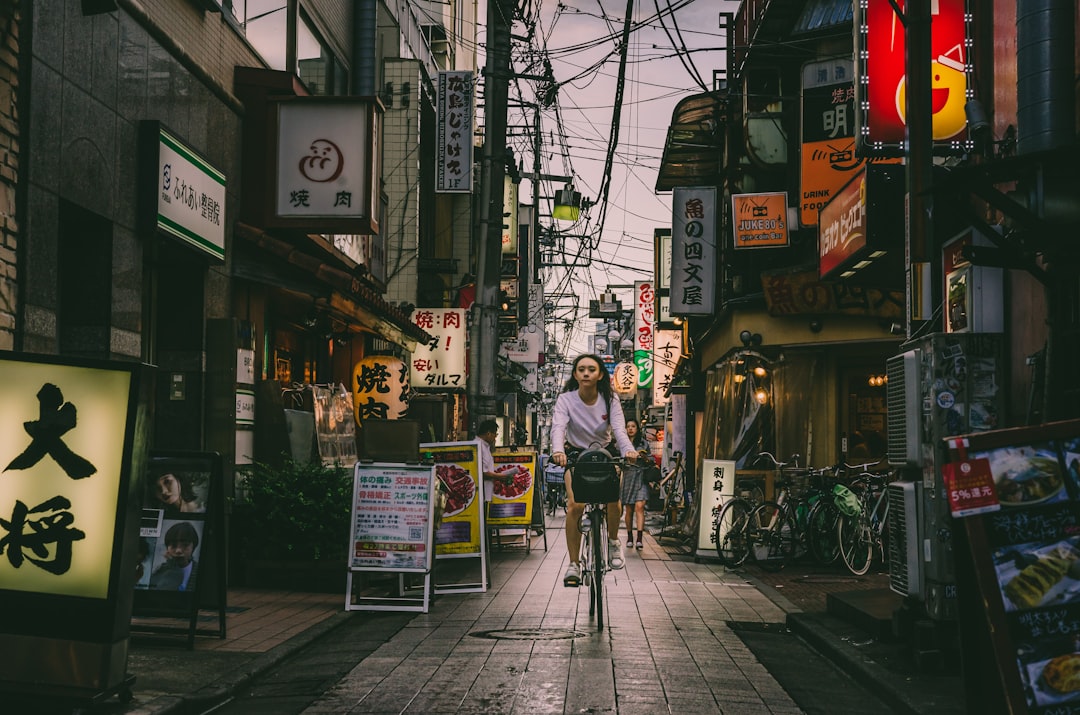
Budget: You can have a full, magnificent kimono-shopping day in Komagome for ¥10,000–¥15,000 total, including purchases, food, and garden entry (Rikugien costs ¥300). High-quality haori for ¥2,000–¥5,000, beautiful komon for ¥3,000–¥8,000, obi for ¥1,000–¥4,000.
What to bring: Cash. Most small kimono dealers in Komagome do not accept cards. ATMs are available at the 7-Eleven near the station. Bring a large tote bag or a foldable shopping bag — many shops wrap purchases in newspaper or tissue rather than bags.
Language: Basic Japanese phrases go a long way. “Kore wa nan en desu ka?” (How much is this?) and “Mite mo ii desu ka?” (May I look at this?) will endear you to every shop owner you meet. That said, many older dealers in this neighborhood have enough English for transactions and are patient, warm communicators.
Best time to visit: Late October through early December for autumn foliage in Rikugien, which is otherworldly. Early April for cherry blossom season. Avoid summer weekends when Rikugien gets crowded — the shops, thankfully, remain peaceful regardless.
Getting there: Komagome Station on the JR Yamanote Line and the Tokyo Metro Namboku Line. From Shinjuku, approximately 20 minutes. From Ueno, 10 minutes.
Before You Leave
Komagome won’t dazzle you the way Shinjuku does. It won’t hand you a perfect photo opportunity every three minutes. What it will do is slow you down, put something genuinely old and beautiful in your hands, and make you feel — as the best travel always does — like you found the real thing. For solo female travelers willing to wander a little off the Yamanote Line’s obvious stops, it’s one of Tokyo’s most quietly extraordinary afternoons.