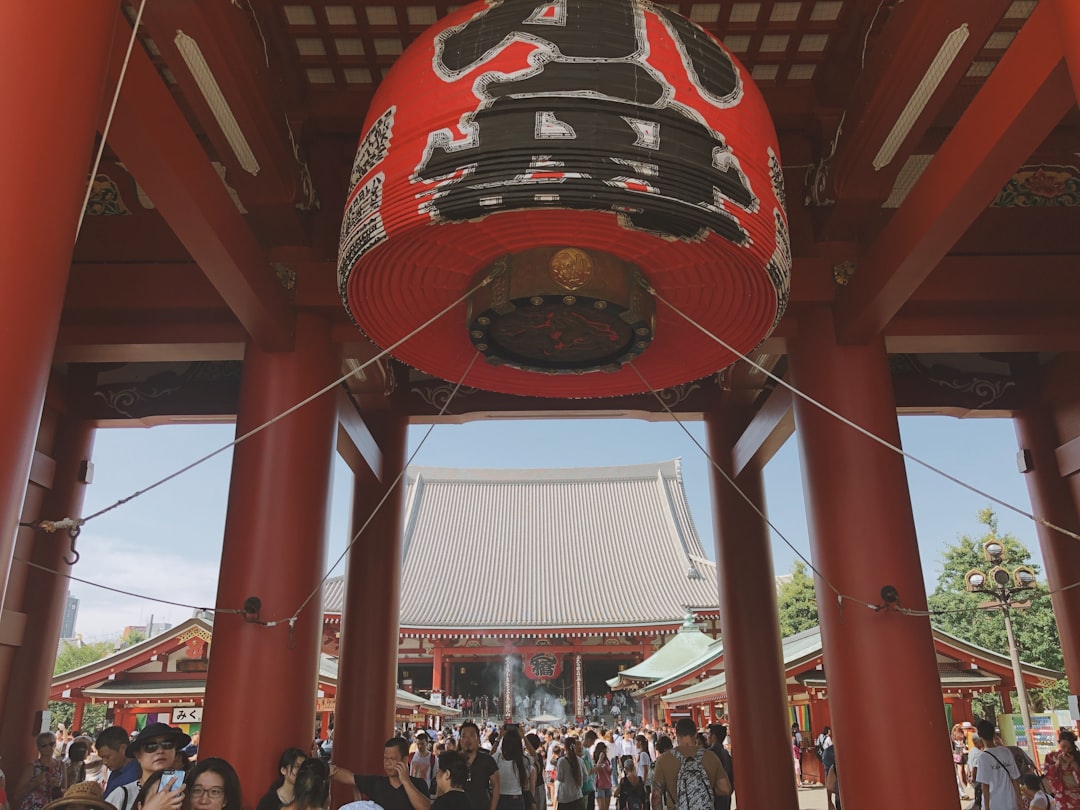
There’s a moment — and every first-time visitor to Tokyo knows exactly what I’m talking about — when the city stops feeling overwhelming and starts feeling like a love story you never expected. For me, that moment happened at Senso-ji Temple in Asakusa. You step through the Kaminarimon Gate with its iconic red lantern swaying gently overhead, the smell of incense smoke curling through the morning air, and suddenly five hundred years of Tokyo history wraps around you like a warm coat. Nothing you’ve read, no Instagram scroll, no travel documentary fully prepares you for it.
I remember arriving on a crisp October morning, just after 8 a.m., when the light was still golden and low, cutting through the wooden pillars of the Nakamise shopping arcade in long amber stripes. The first thing I smelled wasn’t food — it was that incense from the temple’s giant bronze cauldron, drifting all the way down the street. A temple bell rang somewhere behind the main hall, and a group of elderly Japanese women in kimono walked past me without even glancing up, completely unbothered by the spectacle that had stopped me cold in my tracks. That was the moment I understood: this place is sacred and alive at the same time.
Why Asakusa Should Be Your Very First Stop in Tokyo
🗾 Book: Meiji Shrine, Asakusa & Traditional Mark →
🗾 Book: Tokyo Downtown Backstreets & Local Cultu →
If you’re visiting Tokyo for the first time, Asakusa and Senso-ji are where your trip should begin — not Shibuya, not Shinjuku. Those neighborhoods are thrilling, yes, but they can wait. Senso-ji gives you the emotional and cultural foundation to understand everything else Tokyo is trying to show you. It’s Tokyo’s oldest temple, founded in 628 AD according to legend, and the Nakamise shopping street leading up to it has been serving pilgrims and travelers for centuries. Even today, with millions of visitors passing through every year, it holds its dignity.
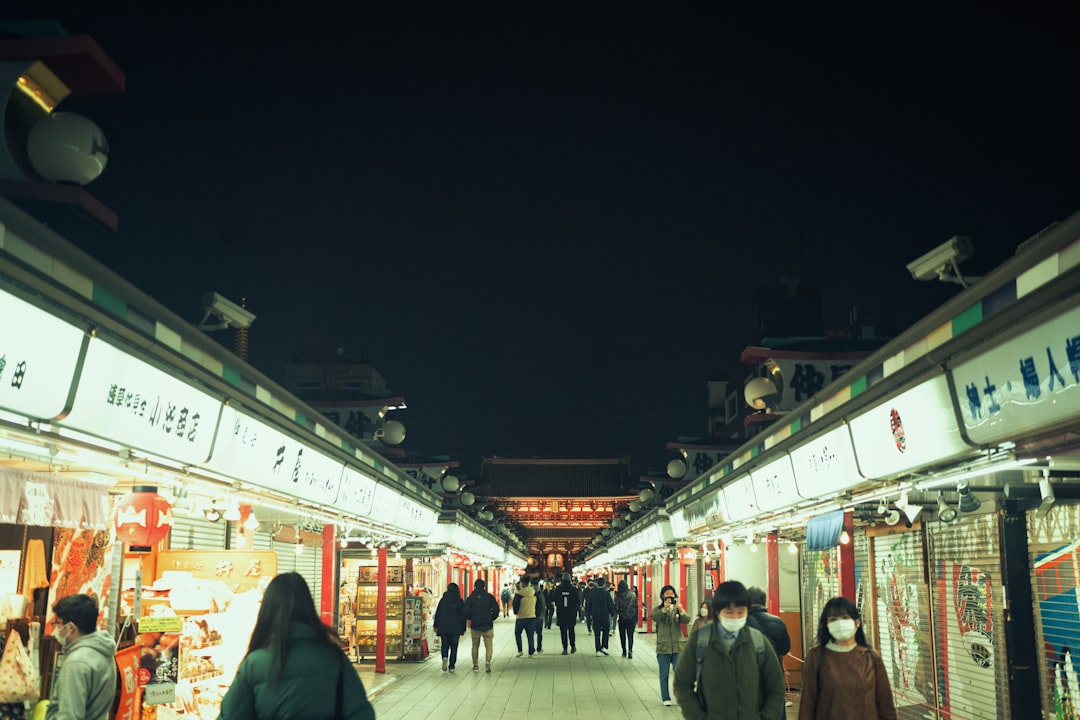
For a first-time visitor, the layout is beautifully intuitive. You enter through Kaminarimon Gate (the famous red gate with the giant lantern), walk the 250-meter stretch of Nakamise-dori lined with over 50 shops on both sides, pass through the inner Hozomon Gate, and arrive at the main temple hall. You could do a rushed walk-through in 30 minutes. You absolutely should not. For a deeper dive into what to see and experience, check out our First-Timer’s Complete Guide to Senso-ji Temple & Nakamise Shopping Street.
Navigating Nakamise Shopping Street Without Wasting Your Money
🎫 Book: Nakamise shopping street food experience →
🎫 Book: Traditional Tokyo souvenirs Asakusa →
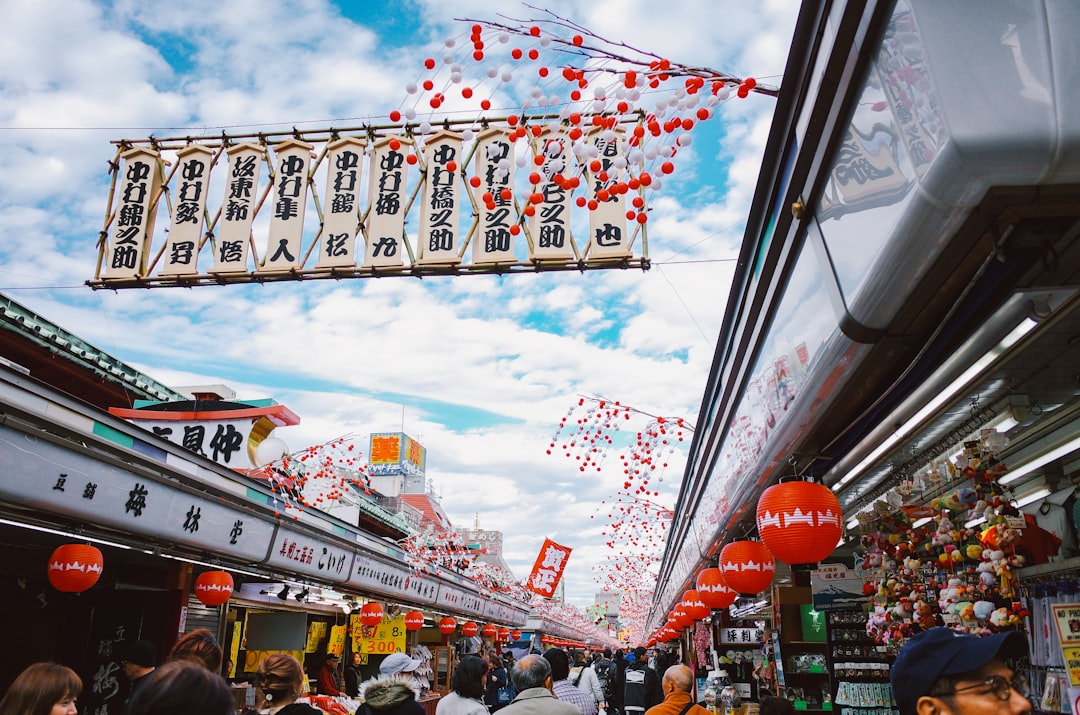
Nakamise is the kind of place that will drain your wallet through sheer joy if you’re not intentional about it. Here’s how to shop smart as a first-timer.
What’s Actually Worth Buying
Ningyo-yaki (small sponge cakes shaped like the Kaminarimon lantern, pagodas, or doves, filled with sweet red bean paste) are baked fresh in several shops and genuinely delicious — grab a small bag for around ¥500-700. They’re also easy to carry home as gifts.
Tenugui (flat-woven cotton hand towels with traditional Japanese prints) are lightweight, packable, useful, and meaningful — far better souvenirs than plastic keychains. Look for indigo blue designs or seasonal patterns. A quality tenugui runs ¥800-1,500.
Folding fans (sensu) make elegant, flat, easy-to-pack gifts. Avoid the cheapest plastic-framed ones — look for bamboo frames and hand-painted paper. Budget ¥1,000-3,000 for something that will last.
Kokeshi dolls (wooden painted figures) and small maneki-neko (lucky cat figurines) are classic, and Nakamise has plenty of solid versions without needing to hunt down specialty stores.
Pro tip for first-timers: do a full walk-through of Nakamise before buying anything. Window-shop the entire length first, note what you love, then come back. The same items often appear in multiple shops at different prices, and you’ll make much calmer decisions on the second pass.
One afternoon I chatted with the owner of a small fan shop near the middle of the arcade — an older gentleman who’d been selling there for over 30 years — and he quietly showed me the difference between a machine-stamped fan and a hand-painted one. The brush strokes on the hand-painted version were slightly imperfect, each one unique, and he said with a smile, “Imperfect means it was made by a person.” I’ve never forgotten that, and I still have the fan I bought from him.
The Street Food Guide: What to Eat, Where, and in What Order
🗾 Book: Asakusa & Senso-ji Temple with Food Stop →
This is the section I wish someone had handed me on my first visit, because I filled up on the wrong things too early and regretted it deeply.
Must-Try Street Foods on Nakamise-dori
Ningyo-yaki — Start here. Light, not too sweet, best eaten warm right outside the shop. This is your entry-level Nakamise snack.
Agemanju — Deep-fried manju (steamed buns) with various fillings including sweet potato, red bean, or custard. The outside is golden and slightly crispy; the inside is soft and comforting. Look for the shops where you can see them being fried fresh — there’s usually a short line and a wonderful oil-meets-sugar smell in the air.
Senbei (rice crackers) — Several shops along Nakamise sell handmade rice crackers grilled right in front of you, brushed with soy sauce. The crackle when you bite into a freshly grilled senbei is genuinely one of the best sounds in food. Get the soy-sauce glazed ones while they’re warm.
Melonpan ice cream — A Tokyo street food classic: a crispy, sugar-crusted melon bread sliced open and stuffed with soft-serve vanilla ice cream. You’ll spot the lines easily. Worth every yen.
Beyond Nakamise: The Side Streets of Asakusa
Here’s where first-timers miss out: the covered shopping arcades running parallel to Nakamise (especially Shin-Nakamise) and the small alleyways east of the temple. These spots are quieter, more local, and sometimes better. If you’re interested in exploring the neighborhood like a local food expert, our Asakusa Nakamise Shopping Street Advanced Guide reveals hidden food spots and quieter corners.
For a proper sit-down meal, Asakusa Imahan (sukiyaki and shabu-shabu, a splurge but memorable) and the dozens of tempura restaurants along Kaminarimon-dori offer deeply traditional Tokyo dining. For budget first-timers, look for the yoshoku (Western-influenced Japanese food) diners along the backstreets — hearty Japanese curry, Hamburg steak, and omurice at under ¥1,000.
Don’t overlook Hoppy Street just west of the temple, a narrow alley lined with izakayas where locals have been drinking cold Hoppy (a low-alcohol beer-like drink) since the postwar era. It’s casual, friendly, and one of the most atmospheric spots in all of Asakusa.
Practical Tips for First-Time Visitors to Senso-ji
🎫 Book: Senso-ji Temple guided tours Tokyo →
Best Time to Visit
The single best piece of advice I can give a first-time visitor: arrive before 9 a.m. Nakamise shops typically open around 10 a.m., so the street will be quieter than you expect, giving you clear photos of the gate and a more meditative experience at the temple itself. Come back around 11 a.m. to shop when everything’s open, then leave before the midday rush peaks. For photography enthusiasts looking to capture the golden light and avoid crowds, our Golden Hour at Senso-ji guide offers insider timing tips.
Avoid mid-Saturday afternoons — the crowd density between noon and 3 p.m. on weekends is genuinely intense for first-timers and can make the experience feel chaotic rather than magical.
January 1-3 sees extraordinary New Year crowds (over 3 million people visit Senso-ji for hatsumode, the first temple visit of the year). Beautiful but overwhelming for first visits. Late March to early April (cherry blossom season) and mid-November (autumn foliage) are stunning but crowded. October and early November are my personal favorite — comfortable temperatures, golden light, and manageable crowds.
Getting There and Getting Around
Take the Tokyo Metro Ginza Line or Toei Asakusa Line to Asakusa Station — the exit puts you almost directly in front of Kaminarimon Gate. No taxis, no fuss. The neighborhood is completely walkable once you arrive.
Drawing Your Fortune (Omikuji)
Inside the temple grounds, you can draw a fortune (omikuji) for ¥100 by shaking a metal cylinder until a numbered stick falls out, then finding the corresponding drawer. If you draw a bad fortune (kyō), tie it to the metal rack near the omikuji booth — leaving the bad luck behind at the temple. First-timers love this ritual, and it’s genuinely one of the most interactive cultural experiences at any Japanese temple.
One Moment I Keep Coming Back To
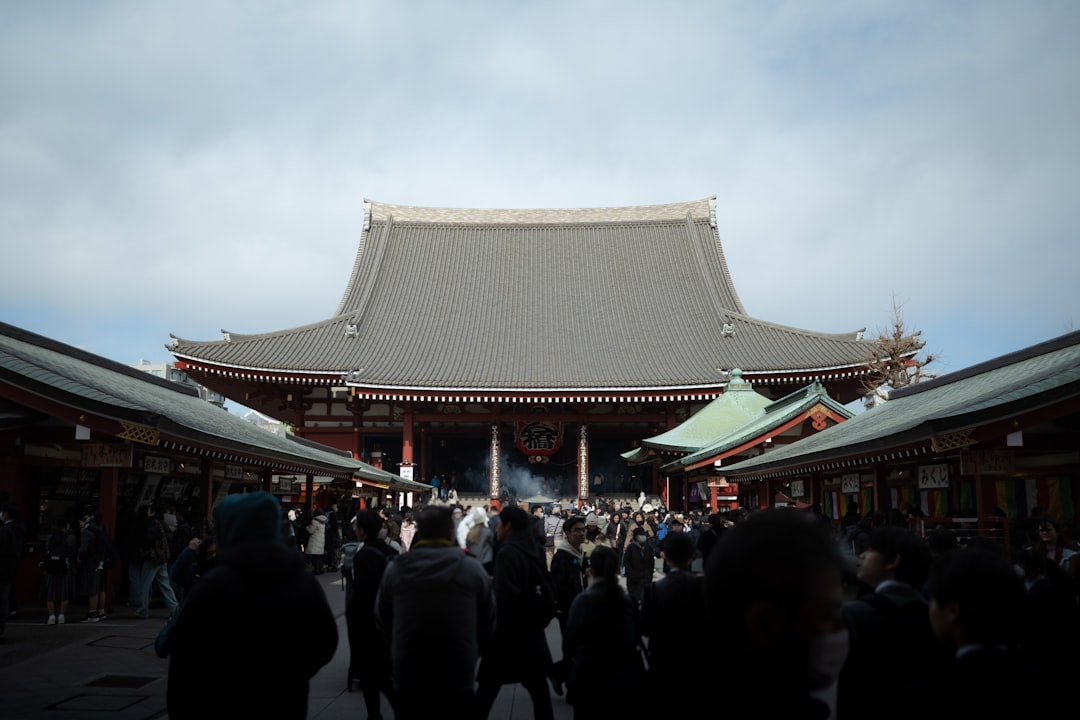
On my third visit to Senso-ji — I think it was a Tuesday in early November — I stayed until dusk and watched the temple lanterns flicker on one by one as the sky turned that particular bruised purple-blue that only happens in autumn. A street vendor nearby was grilling senbei, and the smell of toasted soy sauce mixed with incense smoke in a way that felt almost cinematic. I bit into a warm ningyo-yaki I’d bought just before the last shop closed, the red bean paste still soft and steaming, and I thought: this is what people mean when they say a place has a soul.
Your First Visit Won’t Be Your Last
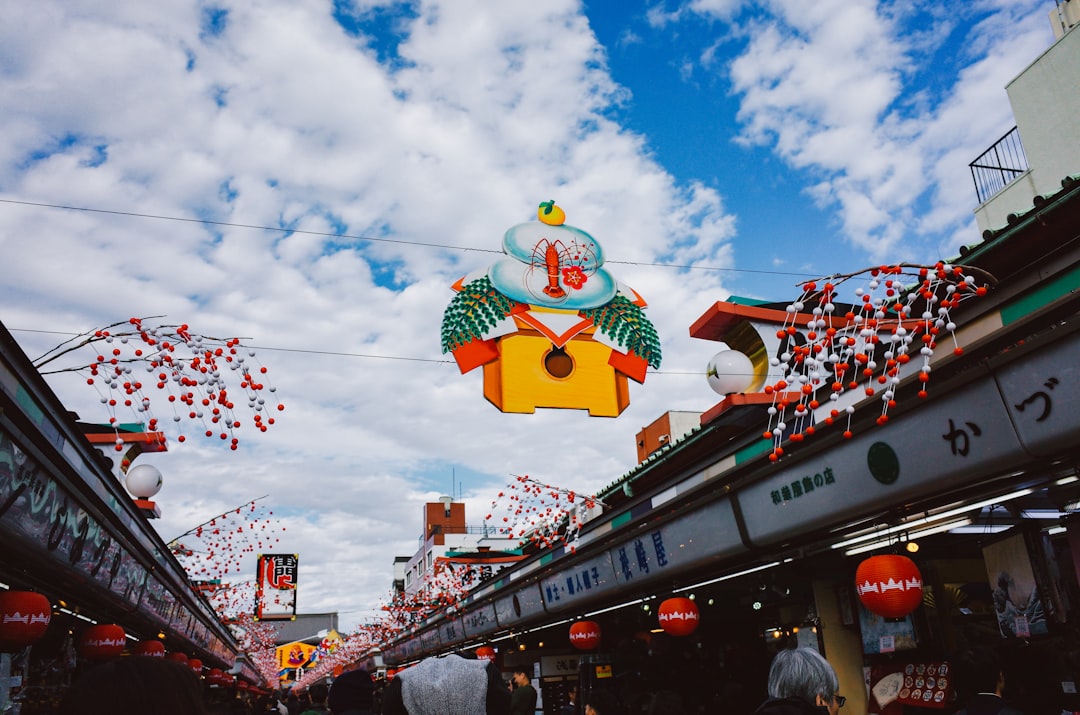
Senso-ji and Nakamise Shopping Street are one of those rare places that reward you differently at every stage of your travel life. Your first visit, everything will feel like a revelation — the gate, the incense, the sound of the temple bell, the taste of fresh agemanju. You’ll take a hundred photos and still feel like you couldn’t capture it.
That’s the point. Some places are meant to be returned to. Book the trip, get there early, eat everything, and buy the hand-painted fan from the person who made it. You’ll thank yourself every single time you look at it.