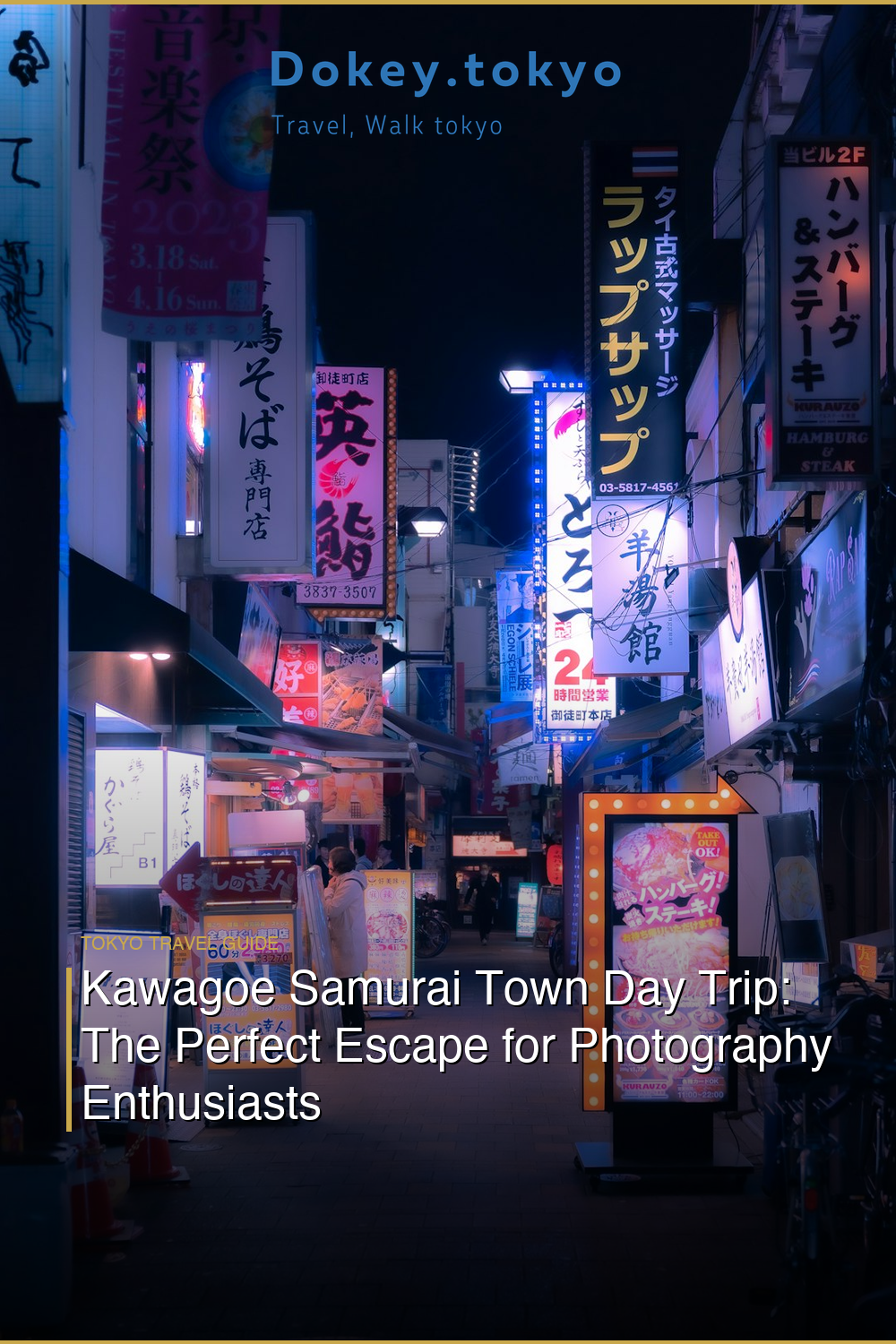
If you’ve been burning through memory cards in Tokyo and craving something that feels genuinely old Japan — not reconstructed, not Disney-fied, but authentically weathered and alive — then you already need to be on a train to Kawagoe. Known as ‘Koedo’ (Little Edo), this castle town about 30 kilometers northwest of Tokyo has been quietly preserving its samurai-era bones since the 17th century, and for photographers, it is honestly one of the most rewarding half-days you can spend anywhere in the Kanto region.
I still remember stepping off the Tobu Tojo Line on my first visit, early on a Tuesday morning in late October. The moment I walked out of Kawagoe Station and started the 15-minute walk toward the Kurazukuri streetscape, I caught the smell of sweet potato caramel drifting down the lane — warm, slightly smoky, almost caramelized — before I could even see the shop it was coming from. The morning light was doing something extraordinary to the dark clay walls of the kura storehouses, raking across the texture in a way that made every surface look like a woodblock print. I stood there for a full two minutes doing nothing but looking before I even raised my camera.
Why Kawagoe Is a Photographer’s Dream
🎫 Book on Klook: Kawagoe samurai town guided tour →
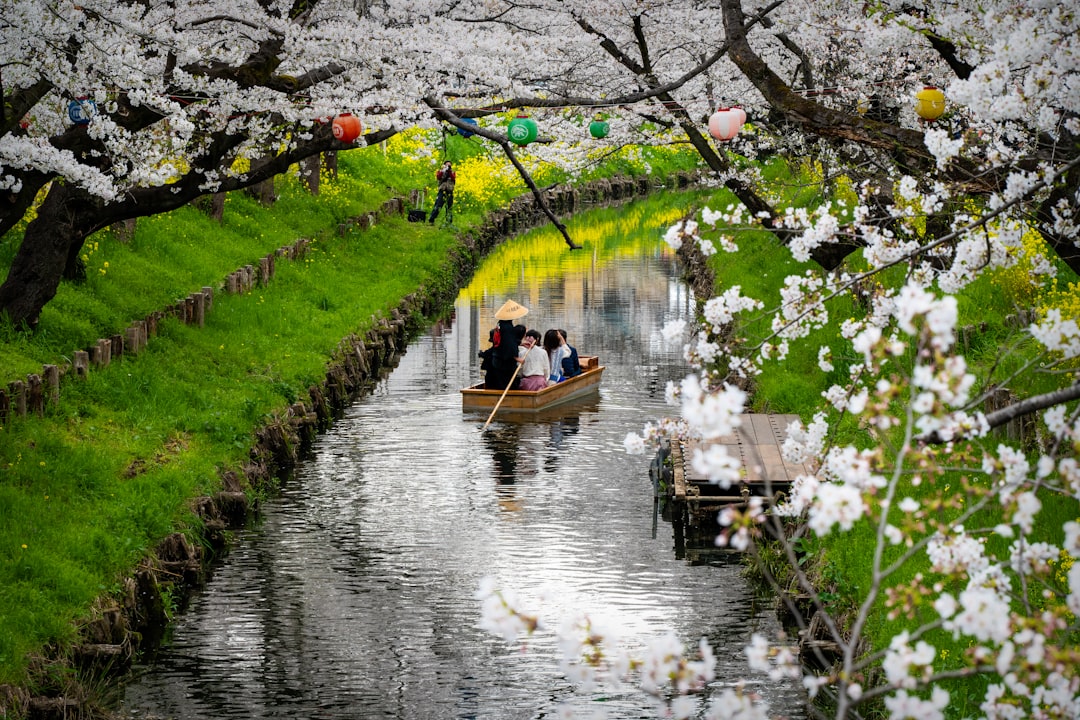
Kawagoe earned its ‘Little Edo’ nickname because it survived the fires and earthquakes and modernization drives that erased so much of old Japan elsewhere. What remains is a one-kilometer stretch of kurazukuri — thick-walled, black-lacquered clay storehouses originally built by wealthy merchants to protect their goods from fire. These buildings date from the late 1800s and early 1900s, but they look like they belong to a much older century, and they photograph like nothing else in the Tokyo day-trip circuit.
Beyond the main storehouse street, the town rewards photographers who wander. Every back alley near Kitain Temple has crumbling stone lanterns and moss-covered walls. The bell tower, Toki no Kane, delivers a composition that is practically framed for you — narrow street, wooden tower, ceramic-tiled rooftop foreground — and it rings every six hours, so if your timing is right you get a sound as well as a shot.
The Essential Shot List (And Where to Stand)
🗾 Book on Viator: Best Samurai Experience in Tokyo →
Kurazukuri Street at Golden Hour
The main storehouse district runs along Chuo-dori and this is your anchor location. Come early — before 9am on weekdays — and you will have the street almost entirely to yourself. The facades face roughly east-west, which means early morning gives you gorgeous soft side-light on the north side of the street and a beautiful rim-light effect on the south. By midday the contrast gets harsh and tour groups begin to fill the frame. If you can only visit once, choose a weekday morning.
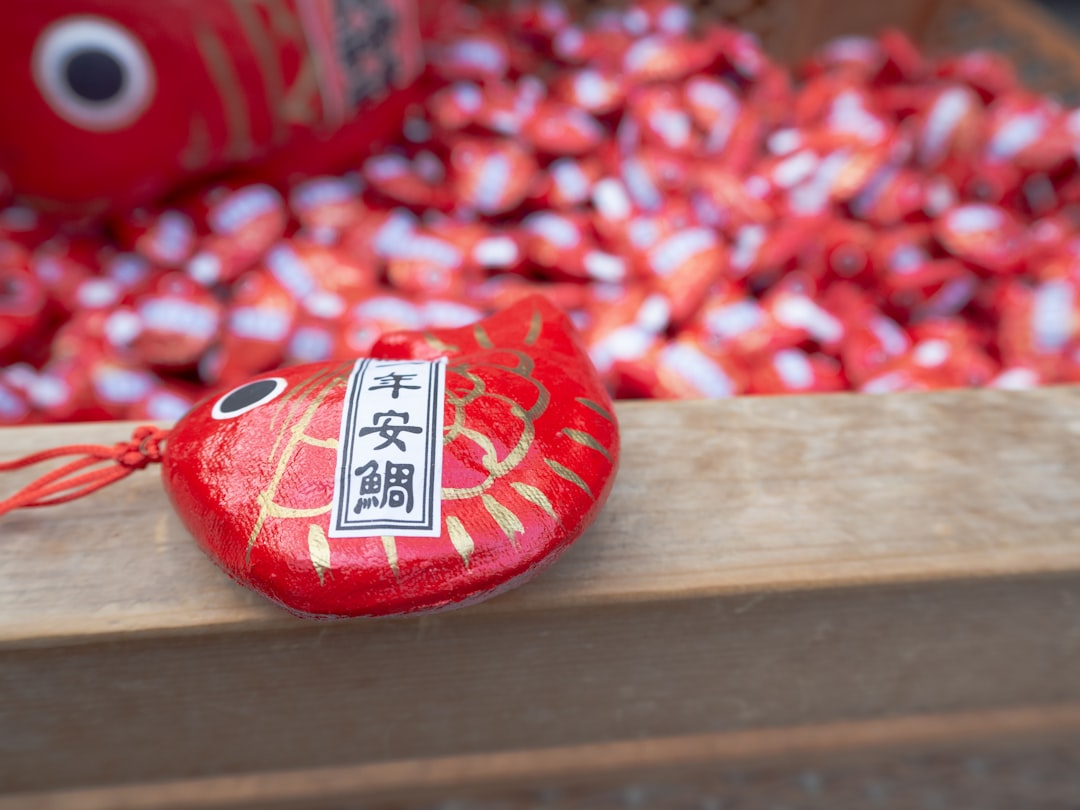
Bring a wide prime if you have one. The street is narrow enough that a 35mm or 50mm full-frame equivalent lets you include the full height of the storehouses plus the street-level detail — wooden shop signs, ceramic fish ornaments on the gable ends, the occasional bicycle leaning against a wall — without distorting the architecture.
The Bell Tower District
Toki no Kane is a ten-minute walk from the main storehouse strip, and the surrounding streets are arguably even more atmospheric because fewer tourists make it here. I was wandering down the narrow lane behind the tower when an elderly shopkeeper came out of a sweets store to sweep her step. She looked up, noticed me craning at the rooftop, and said something I didn’t fully catch, but then pointed at a specific gap between two buildings down the lane — a naturally framed view of the tower with a persimmon tree in the foreground. Pure gift. I got three of my favorite frames of the entire trip in about four minutes from that exact spot.
Kitain Temple and the Stone Disciples
Kitain Temple is a ten-minute walk west of the storehouse district, and it contains one of the most quietly surreal scenes in the entire Kanto region: 540 stone figures known as the Gohyaku Rakan, each one representing a disciple of the Buddha, each one with a completely unique expression — laughing, weeping, sleeping, whispering. They are arranged in rows across a mossy garden, and on overcast mornings the flat light brings out every wrinkle and chip in the stone with extraordinary clarity. For portrait-style macro work or moody wide shots with fog, this place is extraordinary. Autumn brings maple leaves between the figures. Cherry blossoms frame the temple gate in late March.
What to Eat (And Photograph) in Kawagoe
Kawagoe has a culinary identity as strong as its visual one, built almost entirely around satsumaimo — Japanese sweet potato. The town’s merchants historically grew rich trading sweet potatoes, and today the ingredient shows up in everything: soft-serve ice cream, caramel, tempura, sake, chips, and even candy bars. The Kashiya Yokocho (‘Candy Lane’) alley near the bell tower is lined with traditional sweet shops that look exactly as they did in 1950 photographs, and the combination of hanging shop noren curtains in faded indigo and red, wooden shop fronts, and elderly vendors spooning candy into paper bags is a genuinely beautiful scene to document. If you’re a food enthusiast, Kawagoe shares samurai heritage with other historic Japanese towns like Morioka, which also rewards visitors interested in regional culinary traditions.
For a proper meal, look for unagi (freshwater eel) restaurants near the temple — Kawagoe is known for its eel, and several old establishments have sliding paper screens and garden views that are as worth photographing as the food itself. Order the unaju (eel over rice in a lacquered box) if you’re sitting down, and don’t be shy about photographing it before you eat. The presentation is always intentional.
Practical Tips for Photographers
Getting There
The easiest route from central Tokyo is the Tobu Tojo Line from Ikebukuro Station to Kawagoe Station — about 30 minutes on the express, under ¥500 each way. Alternatively, the Seibu Shinjuku Line from Seibu-Shinjuku Station drops you at Hon-Kawagoe Station, which is actually slightly closer to the storehouse district. Both journeys are simple and signposted in English.
Timing Your Visit
For photography specifically, late October through mid-November is the golden period — autumn foliage frames the kura walls in orange and red, the air is crisp and clear, and the afternoon light stays warm and low. Late March offers cherry blossoms at Kitain. If you’re planning to visit during cherry blossom season, check out hidden picnic spots in Tokyo for other seasonal photography opportunities in the region. Midsummer is fine but the midday heat and flat light make shooting uncomfortable between 11am and 3pm. Avoid weekends if possible: the main street gets genuinely crowded by late morning and you’ll spend half your time waiting for tour groups to clear your frame.
Gear Recommendations
Travel light. The distances between sites are walkable but you will cover several kilometers on stone and uneven pavement. A mirrorless body with two lenses — a wide prime for architecture and a short telephoto for detail and the Rakan figures — covers everything comfortably. A small tripod or gorilla pod is useful for the low-light conditions inside Kitain and for early morning street shots before the sun clears the rooftops.
Tripod Rules and Shooting Etiquette
Tripods are permitted on public streets and in the temple grounds for personal use, but ask before setting up inside any private shop or restaurant — most will say yes happily if you ask. When photographing people, including vendors and shopkeepers, a gesture toward your camera and eye contact goes a long way. I have never been refused in Kawagoe, and several times a vendor has actively repositioned themselves or held up a product with a grin when they realized what I was doing.
As the afternoon started cooling on my last visit, I sat on a stone step near the bell tower with a paper cup of sweet potato soft-serve — pale orange, slightly earthy, genuinely unlike anything you get in Tokyo — and watched the 4pm bell ring. The sound moved through the narrow lane in a physical way, bouncing off the clay walls and then just hanging in the air for a few seconds longer than felt natural. A pair of schoolgirls in uniform walked through the frame with their bags swinging, completely unbothered, while I sat there with my camera in my lap thinking: this is exactly the moment you come all this way for.
Final Thoughts Before You Book Your Train
Kawagoe is not a hidden gem anymore — it appears on enough ‘day trips from Tokyo’ lists that the main storehouse street can feel crowded by weekend midmorning. But unlike many photogenic heritage sites in Japan, it hasn’t been over-curated. The paint is genuinely peeling on some of those walls. The stone Rakan figures are genuinely mossy. The sweets shops are genuinely old. For photographers who want images that feel earned rather than handed to them, Kawagoe still delivers, especially if you’re willing to leave the main street, wake up early, and follow the smell of caramelized sweet potato down whatever side lane it’s coming from.