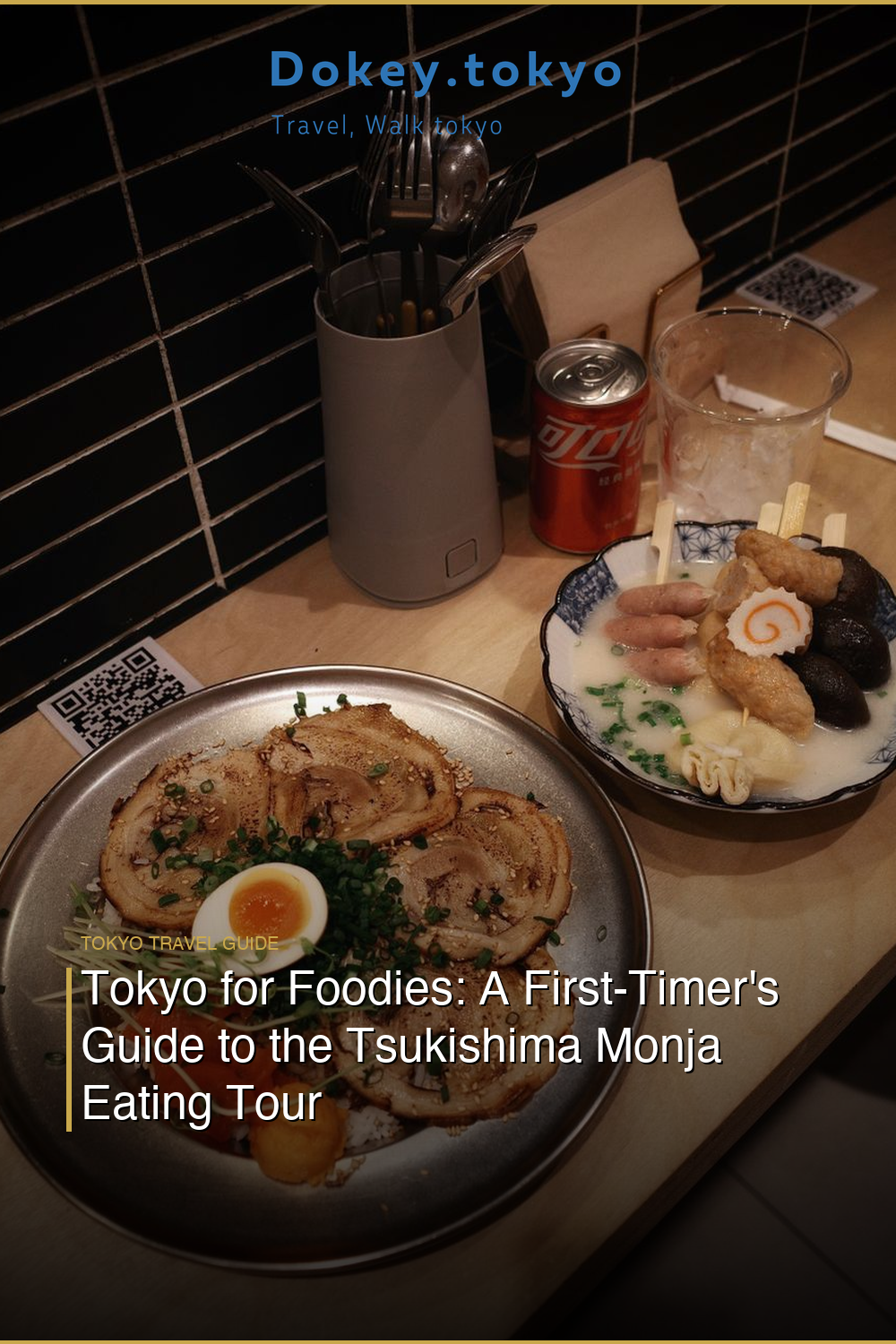
If you’ve spent weeks researching Tokyo’s food scene — bookmarking ramen shops, obsessing over sushi omakase menus, saving Instagram reels of fluffy Japanese cheesecakes — and you still haven’t heard of monjayaki, you are not alone. I was exactly that person on my first trip to Tokyo. I thought I had done my homework. Then a local colleague looked at my itinerary, tilted her head, and said, “But you’re not going to Tsukishima?” That single question sent me on a detour that became one of the most memorable afternoons of my entire traveling life.
I remember stepping out of Tsukishima Station on a grey Tuesday afternoon, the autumn air carrying the faint smell of something deeply savory — butter, dashi broth, and something caramelized that I couldn’t quite place yet. The covered shopping arcade stretched ahead of me like a portal into old-school shitamachi Tokyo, paper lanterns swaying gently overhead, the distant sizzle of iron griddles already audible from the street. My stomach growled before I’d even read a single menu.
What Is Monjayaki — And Why First-Timers Always Fall in Love
Before we talk logistics, let’s talk about the dish itself, because as a first-time visitor, you’re going to need some context to truly appreciate what you’re eating.
Monjayaki — or simply monja — is Tokyo’s own answer to Osaka’s famous okonomiyaki. Both are savory pancakes cooked on a teppan (iron griddle) right at your table, but monja is a different beast entirely. Where okonomiyaki is thick and cohesive, monja is a runny, almost soupy batter loaded with cabbage, dried shrimp, corn, mochi, cheese, or whatever combination you choose. When it hits the hot griddle, it spreads into a thin, lacy, crispy-edged puddle that you scrape up with a tiny, flat metal spatula called a hera.
The texture is unlike anything you’ve encountered before — chewy in the center, crackling at the edges, intensely umami in every bite. First-timers often pause mid-scrape, look up, and say: “Wait, this is incredible.” I promise, that moment is coming for you.
Finding Your Way to Monja Street
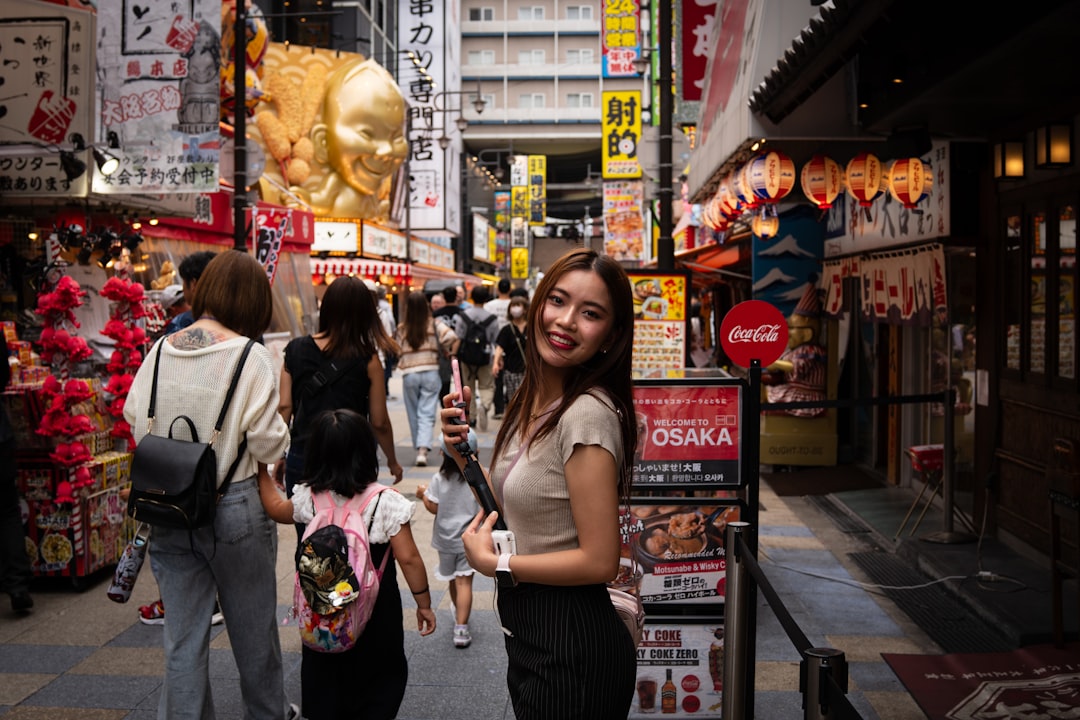
Tsukishima is an island neighborhood in Chuo Ward, easily reached by subway. Take the Tokyo Metro Yurakucho Line or the Toei Oedo Line directly to Tsukishima Station — exit 7 drops you closest to the action. You’ll know you’ve arrived when the signage around you starts featuring cartoon pancakes and the word もんじゃ in cheerful red lettering.
The heart of the experience is Nishi-Nakadori Shopping Street, affectionately nicknamed Monja Street. It’s a covered arcade roughly 400 meters long, lined almost entirely — and I mean almost entirely — with monjayaki restaurants. There are over 70 monja shops crammed into this stretch. For a first-time visitor, this can feel overwhelming. My advice: don’t try to pre-select the “best” restaurant from travel blogs before you arrive. Instead, walk the entire length of the street first. Peek inside. Watch the cooks at work. Let the smells and the atmosphere guide you. If you’re curious about other food-focused experiences in Tokyo, consider pairing this with a hands-on cooking class at Toyosu Market or exploring Asakusa’s traditional street food scene.
The Best Time to Visit Tsukishima
For first-timers, I strongly recommend arriving on a weekday between 11:30 AM and 1:00 PM for lunch, or arriving early on a weekend at opening time (most shops open around 11:00 AM). Weekend evenings — especially Friday and Saturday nights — get genuinely crowded, with queues forming outside the most popular spots. A lunchtime visit means shorter waits, more attentive staff who can walk you through the cooking process, and a calmer atmosphere that gives you space to actually learn what you’re doing.
That said, a weekend evening visit has its own electric charm — the lanterns glow warmer, the laughter from tables spills into the street, and the whole neighborhood feels alive in a way that’s quintessentially Tokyo. Come back twice if you can.
How to Structure Your Monja Eating Tour
Here’s the approach I recommend for first-timers who want to eat like a local without spending a fortune or overdoing it in the first shop.
Stop 1: Start with a Classic, Beginner-Friendly Spot
Begin at a restaurant that explicitly welcomes newcomers — look for shops displaying English menus in the window or staff who gesture invitingly as you peer inside. Tsukishima Monja Kondo (near the northern entrance of Monja Street) is well-regarded for its patient staff who will actually demonstrate the cooking technique tableside. Order the standard Tokyo monja (標準もんじゃ) as your first dish — no fancy additions, just the classic batter with cabbage, dried shrimp, and tempura scraps. This is your baseline. This is how you learn to use the hera properly before you get adventurous.
The cooking method matters here. You’ll sauté the solid ingredients first in a ring shape, then pour the batter liquid into the center of that ring, wait for it to bubble and reduce slightly, then slowly fold and spread everything outward with your tiny spatula. The staff will show you. Don’t be embarrassed to ask — they love it when visitors care enough to learn.
On my second visit to Tsukishima, I was struggling with a particularly runny karashi mentaiko (spicy cod roe) monja that kept sliding off my hera, and the elderly shop owner came over, clicked her tongue affectionately, repositioned my wrist, and said in Japanese: “Press down firmly — you’re trying to lift it, but monja wants to be pressed.” That single adjustment changed everything. I’ve been pressing firmly ever since.
Stop 2: Get Creative at the Middle of the Street
After your first shop, walk further into the arcade and try a second restaurant with a more adventurous menu. Look for shops specializing in cheese monja with mochi (チーズ餅もんじゃ) or kimchi and pork belly monja — these are crowd favorites that feel like a natural evolution once you’ve mastered the basic technique.
Many shops also offer okonomiyaki and yakisoba alongside monja, which is perfect for groups where one person isn’t sold on the runny pancake concept. Order one of each and share. This is genuinely how local families eat here — a monja, an okonomiyaki, maybe a yakisoba, several cold Sapporo beers, and a long, leisurely afternoon.
Stop 3: End with Dessert Monja
Yes, dessert monja exists, and yes, you should absolutely order it. Some Tsukishima shops offer sweet monja variations — chocolate banana monja and condensed milk monja are the ones to look for. The sweet batter gets the same crispy-edge treatment on the griddle, and the result is something between a crepe and a caramelized candy. It costs almost nothing (typically ¥500–¥700) and it will make you genuinely happy.
Practical Tips for First-Timers
Budget: A full monja meal — two or three dishes, a drink, rice — typically runs ¥1,500–¥2,500 per person. This is extraordinary value for central Tokyo. You can do the entire eating tour for well under ¥4,000 if you’re sensible.
Dietary needs: Many monja can be made without meat or seafood if you ask. The batter itself is not gluten-free (it’s wheat-based), but it is dairy-free in its classic form. Translation apps work well in most shops here.
Wear layers you don’t mind smelling like butter and dashi. I’m not joking. Your coat will hold the scent for the rest of the day, and honestly, you’ll stop minding after the first bite.
Pair the trip with a walk along the Sumida River. Tsukishima sits right at the water’s edge, and a post-monja riverside stroll as the city lights come on is one of Tokyo’s quieter, less-photographed pleasures.
It was 3:40 in the afternoon when I finally pushed back from my last griddle of the day — a bubbling mochi and cheese monja that had gone perfectly crispy around the edges — and sat back in the narrow wooden booth listening to the hiss of the griddle at the next table, the low murmur of a grandmother explaining something to her grandchild in rapid Tokyo dialect, and the distant clang of the Yurakucho Line train. My fingers smelled like butter and bonito, my jacket reeked magnificently of dashi, and I had the specific, bone-deep contentment that only comes from eating something genuinely new with your hands in an unfamiliar city.
Why Tsukishima Belongs on Every First-Timer’s Tokyo Itinerary
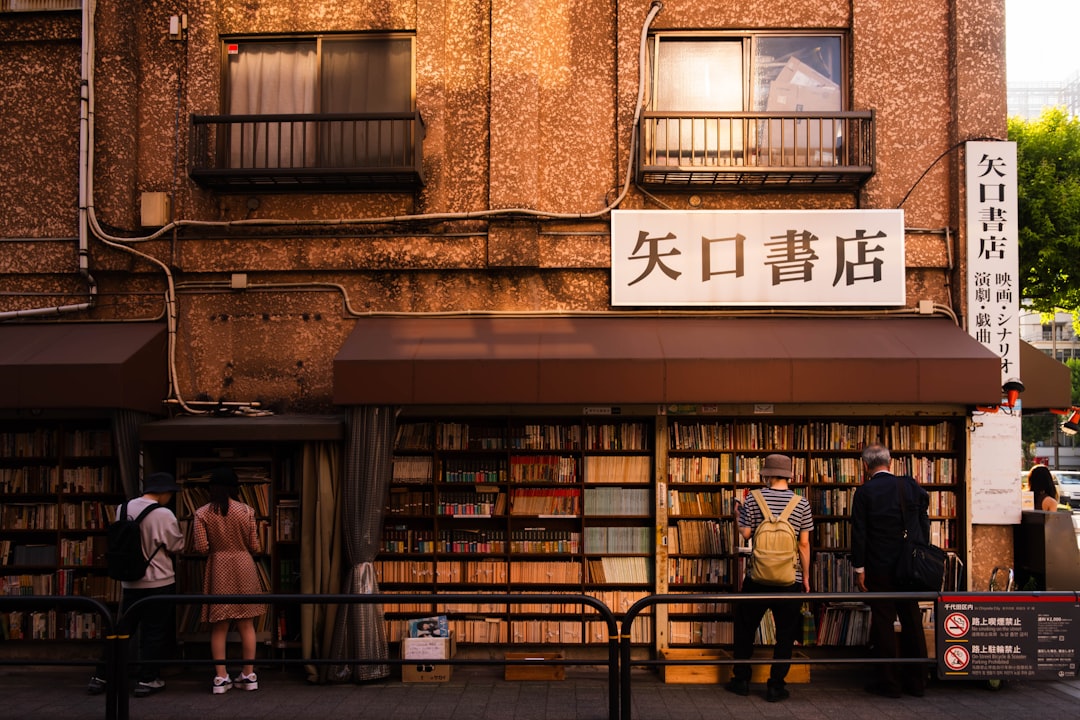
Tokyo rewards the curious. The city has infinite layers, and for first-time visitors who show up with an open mind and a willingness to sit down at a tiny griddle table and make a mess, it gives back something irreplaceable — access to a Tokyo that isn’t on the postcard. Tsukishima is shitamachi at its most alive: a working neighborhood that has kept its personality intact, where the food is cheap and extraordinary and cooked by your own hands.
You can read about monjayaki. You can watch videos. But until you’re pressing that little hera down firmly against a sizzling griddle while an elderly shop owner nods her approval, you haven’t quite had Tokyo yet. Go get it.
Ready to experience it?