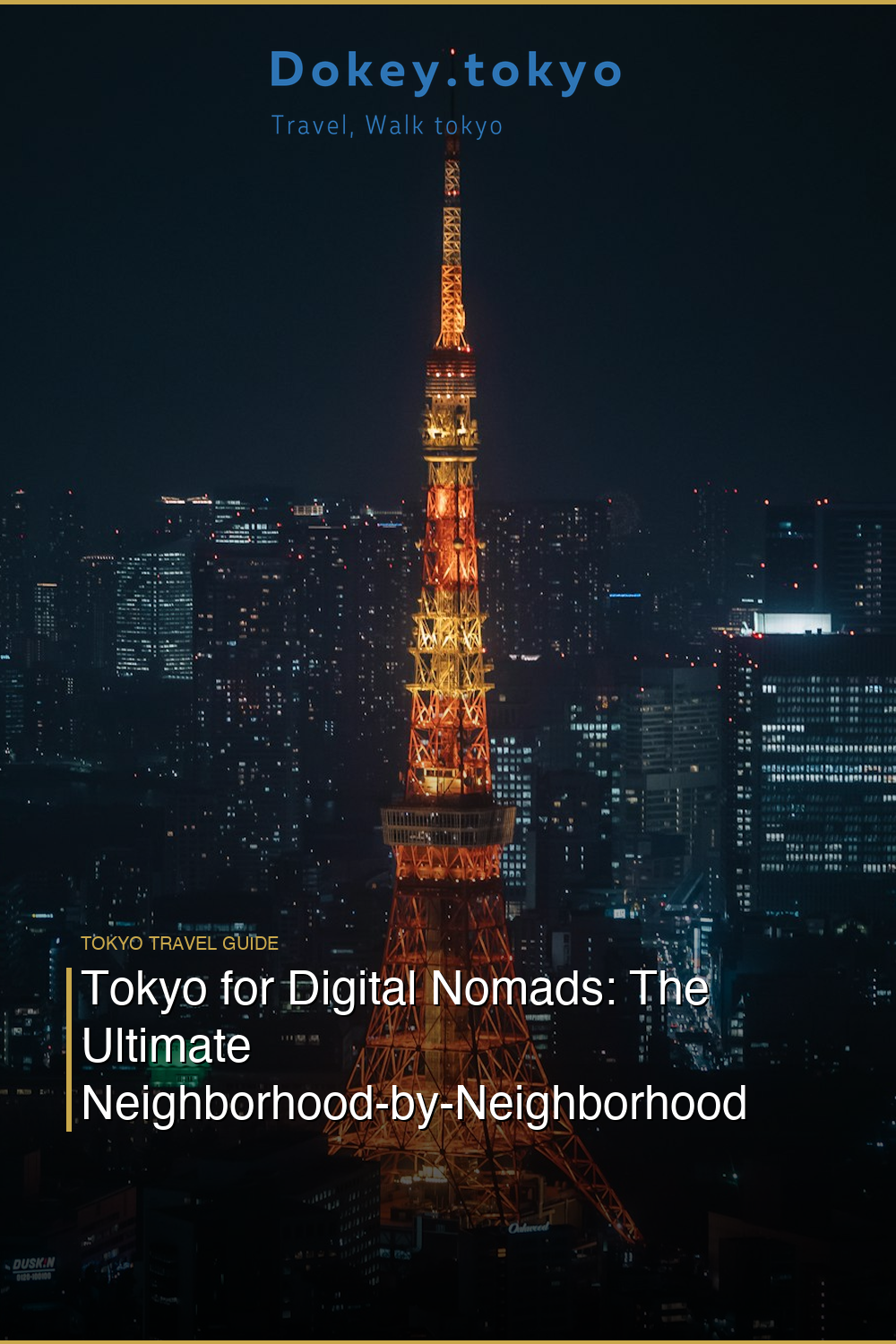
If you’ve ever tried to close a client deal while balancing a matcha latte and hunting for an outlet in a cramped Shibuya Starbucks, you already know that not all Tokyo cafes are created equal for remote work. Tokyo is one of the most wired cities on the planet, but finding a spot with genuinely fast WiFi, enough power outlets, and a vibe that won’t shatter your focus takes local knowledge — the kind you only get from actually living and working here across multiple trips.
I still remember stepping off the Narita Express on my third visit, laptop bag digging into my shoulder, the humid September air hitting me like a warm towel the moment I walked out of Shinjuku Station. The smell of grilled yakitori drifting from a basement izakaya mixed with the metallic coolness of the underground concourse, and I thought: this city is going to test every system I have. I was right — and I loved every chaotic, productive minute of it.
Here’s what I’ve learned neighborhood by neighborhood, after logging hundreds of hours of remote work across Tokyo’s most nomad-friendly districts.
Shinjuku: The Power Hub for High-Output Work Days
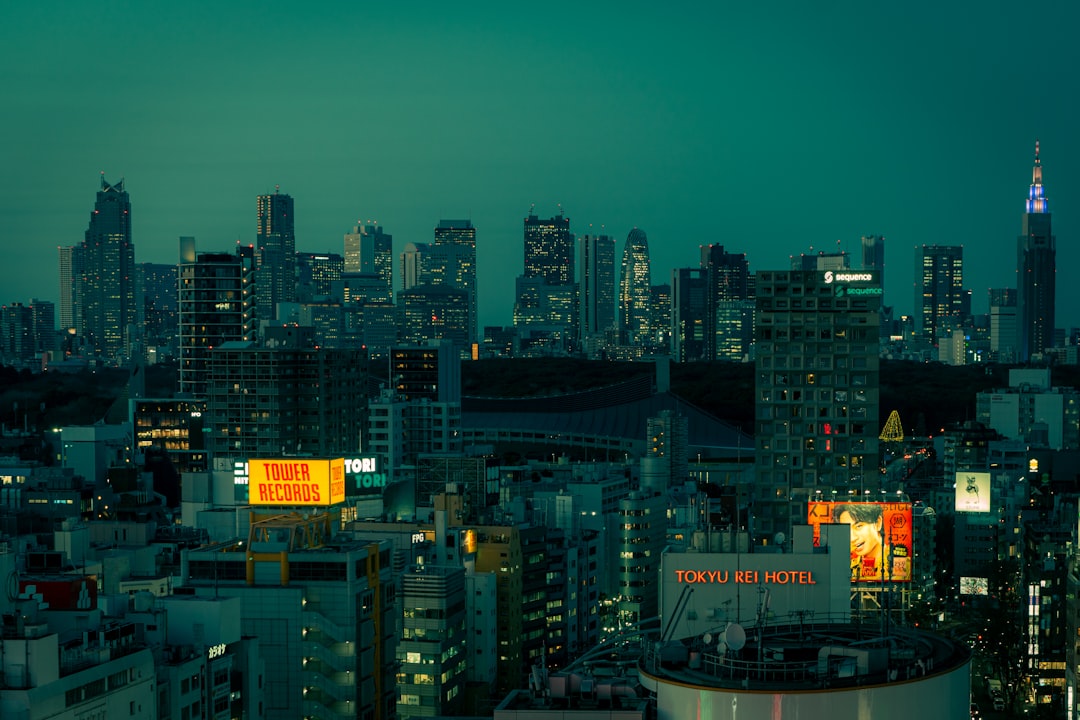
Shinjuku is overwhelming until it isn’t. Once you get your bearings, it’s arguably the best neighborhood in Tokyo for digital nomads who need variety and reliability in equal measure. If you’re planning a longer stay, you might also explore Shinjuku’s nightlife scene to balance your work schedule with evening experiences.
Cafe Veloce (West Shinjuku)
This Japanese chain doesn’t get nearly enough credit in nomad circles. The West Shinjuku branch near the skyscraper district pulls speeds between 50–80 Mbps consistently, has wall outlets at almost every seat, and the background noise sits at that perfect low hum — enough to mask silence without derailing your concentration. A large café au lait costs around ¥330. You will not find a better price-to-productivity ratio in this city.
Dotour Coffee (East Shinjuku, near Kabukicho)
I know, I know — a chain. But hear me out. The two-story Dotour near the east exit has a smoking-free upper floor that’s genuinely quiet by 9 AM, before the shopping crowds hit. WiFi consistently clocks at 40–60 Mbps. Order the morning set (toast, egg, and coffee for ¥550) and you have a legitimate work breakfast that won’t destroy your budget.
Nomad tip: Arrive before 8:30 AM on weekdays to claim the window seats on the second floor. By 10 AM, they’re gone.
Shimokitazawa: For Nomads Who Need Creative Energy
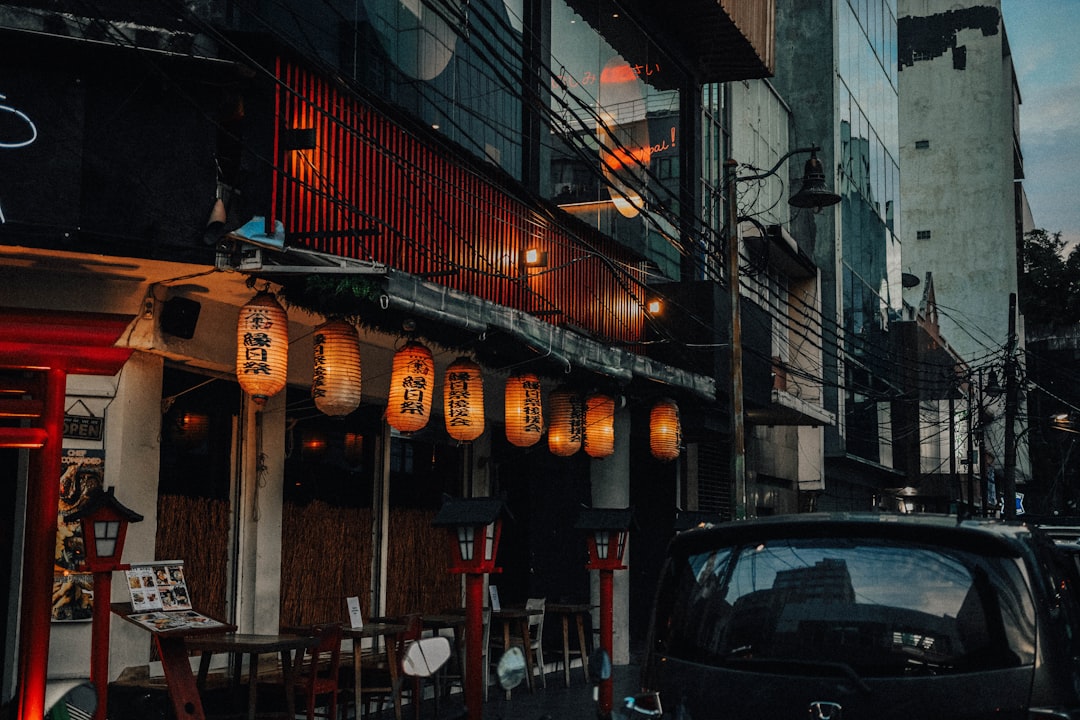
If your work involves writing, design, or anything that benefits from a slightly bohemian atmosphere, Shimokitazawa will feed your soul in ways that Shinjuku simply cannot. This neighborhood smells like vintage clothing and second-hand record stores, and the cafes match that energy perfectly. The area has become increasingly popular with creative travelers — you might even find yourself exploring similar antique and vintage neighborhoods in your free time.
Bear Pond Espresso
This tiny, fierce little cafe is famous for its espresso, and rightfully so — the T.A.M.P.A. espresso shot here is one of the most intense, chocolatey coffee experiences I’ve had anywhere in the world. WiFi is available (ask for the password; it’s not posted), speeds hover around 30–40 Mbps, and the interior has maybe 10 seats. Go early, be respectful of the space, nurse your coffee slowly, and you’ll get two solid focus hours before the lunchtime crowd arrives.
Garage Department Café
This one surprised me completely. Tucked beside a vintage clothing shop on a backstreet south of the station, this cafe-slash-workshop space has long communal tables, reliable 50 Mbps WiFi, and a playlist that rotates between 90s hip-hop and Japanese indie rock. The owner, a soft-spoken man named Kenji who speaks enough English to help you troubleshoot the WiFi router, once pointed me toward a hidden standing soba place two alleys over that became my go-to lunch spot for the rest of that trip.
Shibuya: Fast Connections in a Fast-Moving Neighborhood
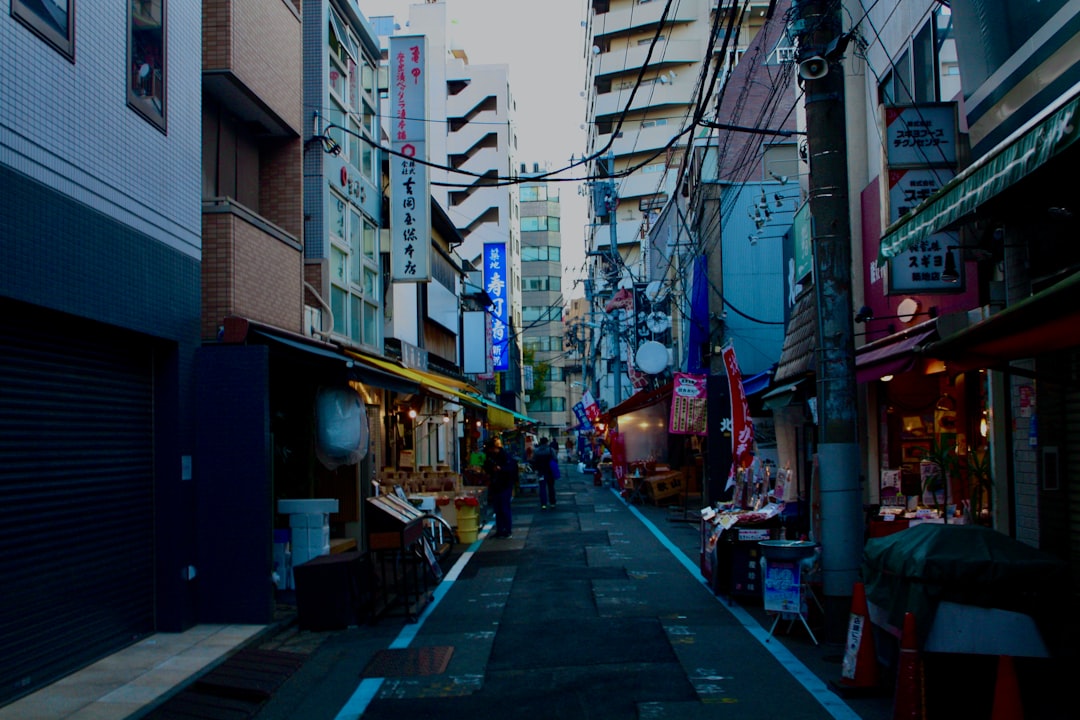
Shibuya is energy and noise and neon, which makes it a paradoxical place to try and work. But hidden above the street-level chaos are some genuinely excellent digital nomad spots. The neighborhood also offers plenty of visual inspiration if you’re interested in photography during your breaks.
Fuglen Tokyo
This Norwegian-Japanese coffee collaboration in Udagawacho (a 10-minute walk from Shibuya crossing) is a legitimate gem. The WiFi is strong — I’ve clocked 70 Mbps here on a weekday afternoon — the natural light through the mid-century windows is stunning, and the crowd skews international creative, which means nobody is judging you for having three browser tabs and a Notion document open. Their single-origin filter coffees rotate seasonally; the Ethiopia Yirgacheffe I had on a rainy Tuesday morning tasted like blueberries and changed my afternoon entirely.
About Life Coffee Brewers
Tiny, standing-room-mostly, but the WiFi is excellent for quick, high-priority tasks. Think of it as a 45-minute power session between meetings or coworking hours. Not a place to settle in for the day, but the cold brew is exceptional and the staff are among the friendliest I’ve encountered in Tokyo’s specialty coffee scene.
Yanaka & Nezu: The Underrated Nomad Hideout
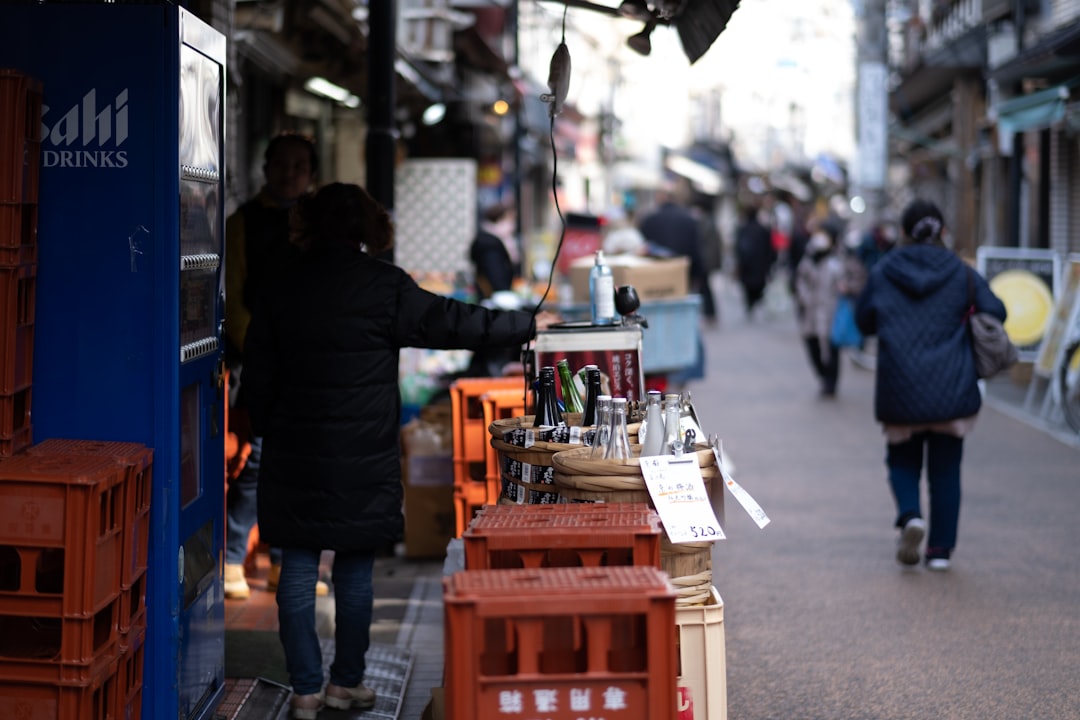
Most digital nomads never make it to Yanaka, and that’s their loss. This old-city neighborhood in northeastern Tokyo feels like stepping into a slower, quieter Tokyo — the kind that existed before Shibuya’s scramble crossing went viral on Instagram. The area’s atmospheric appeal also makes it perfect for those interested in exploring the neighborhood’s temples and historic sites between work sessions.
Kayaba Coffee
Opened in 1938 and restored beautifully, Kayaba Coffee serves a legendary egg sandwich (tamago sando) and has WiFi that consistently delivers 45–55 Mbps. The wooden interior creaks slightly when you walk to the bathroom, the ceiling fans spin lazily, and every table feels like it has a story. It’s the kind of place where two hours pass and you’ve written 1,500 words without noticing.
Nomad tip: The upstairs tatami room has cushion seating and fewer outlets, so grab a downstairs table if battery life is a concern.
Akihabara: When You Need Speed Above Everything Else
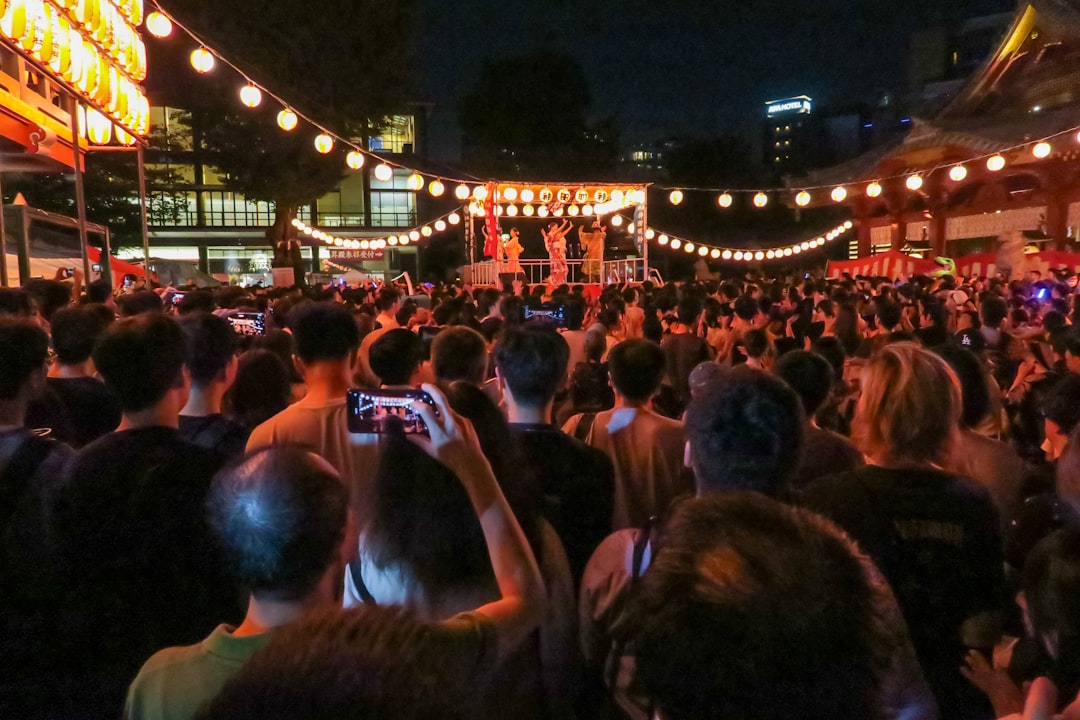
Akihabara is the obvious choice if raw internet speed is your priority. The Electric Town’s infrastructure is built for data, and several cafes in the district pull speeds I haven’t seen replicated anywhere else in Tokyo. If you’re working in this neighborhood, you’ll want to explore Akihabara’s anime and gaming culture during your breaks for some local flavor.
Maidreamin (Yes, Really)
Before you scroll past — the maid cafes in Akihabara actually have some of the fastest public WiFi in the city (80–100 Mbps is not unusual), and during off-peak morning hours, they’re surprisingly calm. The novelty wears off quickly and you’re left with good coffee, fast internet, and a pink tablecloth. I finished an entire video editing upload here in under 20 minutes that had been crawling for hours elsewhere. Sometimes function beats aesthetics.
Café de Crié (Akihabara branch)
This is the professional’s choice in the neighborhood. Quiet, clean, consistent 60–80 Mbps WiFi, plenty of outlets, and located just off the main electric town street so you escape the arcade game noise entirely. The blended coffee is unremarkable but adequate, and a morning set will cost you under ¥500.
Practical WiFi Tips Every Tokyo Digital Nomad Needs
- Get a pocket WiFi or SIM card immediately at the airport. Never rely solely on cafe WiFi for deadline-critical work. I use IIJmio or Sakura Mobile SIMs — both offer solid LTE speeds and affordable monthly plans.
- Carry a small power strip. Japanese cafes often have one or two outlets per floor. A flat-head travel power strip lets you share gracefully and earns you goodwill with locals.
- Learn the phrase: WiFi no password wa nan desu ka? (What is the WiFi password?) — you’ll use it daily.
- Respect the coffee minimum. Tokyo cafes survive on tight margins. Buy something every 90 minutes if you’re staying long. It’s basic nomad etiquette that keeps these spaces alive and welcoming.
- Avoid peak hours: 12 PM–2 PM is lunch rush everywhere. Either arrive by 11 AM or wait until 2:30 PM.
When to Visit Tokyo as a Digital Nomad
Spring (March–May) and autumn (October–November) are the sweet spots. Temperatures are comfortable enough that you can actually walk between neighborhoods without arriving at your cafe soaked in sweat, and the daylight hours are long enough to mix work sessions with golden-hour exploration. Summer is humid and punishing but functional; winter is cool and quiet and surprisingly magical for productivity.
I was sitting in Kayaba Coffee one October afternoon, the low autumn light slanting through the wooden shutters and pooling gold across my keyboard, when the owner brought me a small plate of anko toast I hadn’t ordered — just a gift, she gestured, because I’d been there since morning. The sweet red bean paste against the buttered toast was startlingly good, and the quiet kindness of that gesture reminded me why Tokyo keeps pulling me back across twelve time zones.
Tokyo rewards the digital nomad who does their homework but stays open to the unexpected. The WiFi is fast, the coffee culture is serious, and if you let yourself wander between work sessions — down the backstreets of Shimokitazawa, through the temple alleys of Yanaka — you’ll find that the city gives back far more than you put in. Book the ticket. The deadlines can travel with you.