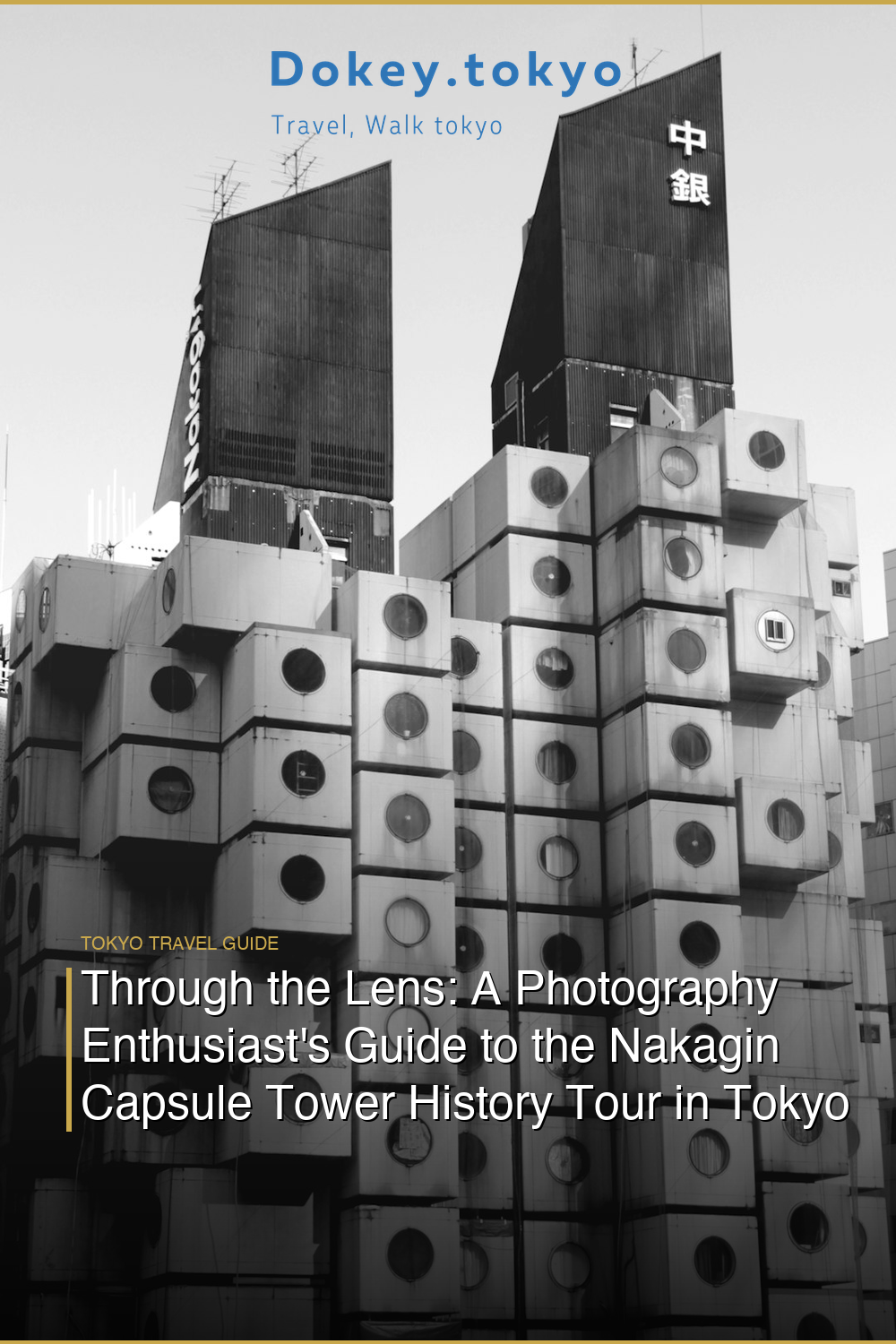
There are buildings that simply exist, and then there are buildings that demand to be photographed. The Nakagin Capsule Tower in Tokyo’s Shimbashi district was always the latter — a stacked constellation of 140 interlocking steel pods that looked less like a residential block and more like a spacecraft caught mid-launch. Built in 1972 by visionary architect Kisho Kurokawa, this brutalist icon stood as the world’s first example of capsule architecture intended for actual habitation, and for decades it was both celebrated and neglected in equal measure. In April 2022, demolition finally began, but the story didn’t end there. Today, a dedicated history tour and a preserved cultural legacy continue to bring the tower’s extraordinary narrative to photographers, architects, and curious travelers from around the world.
[ADD: Share your personal first impression or arrival story here — 2-3 sentences]
Why the Nakagin Capsule Tower Matters to Photographers
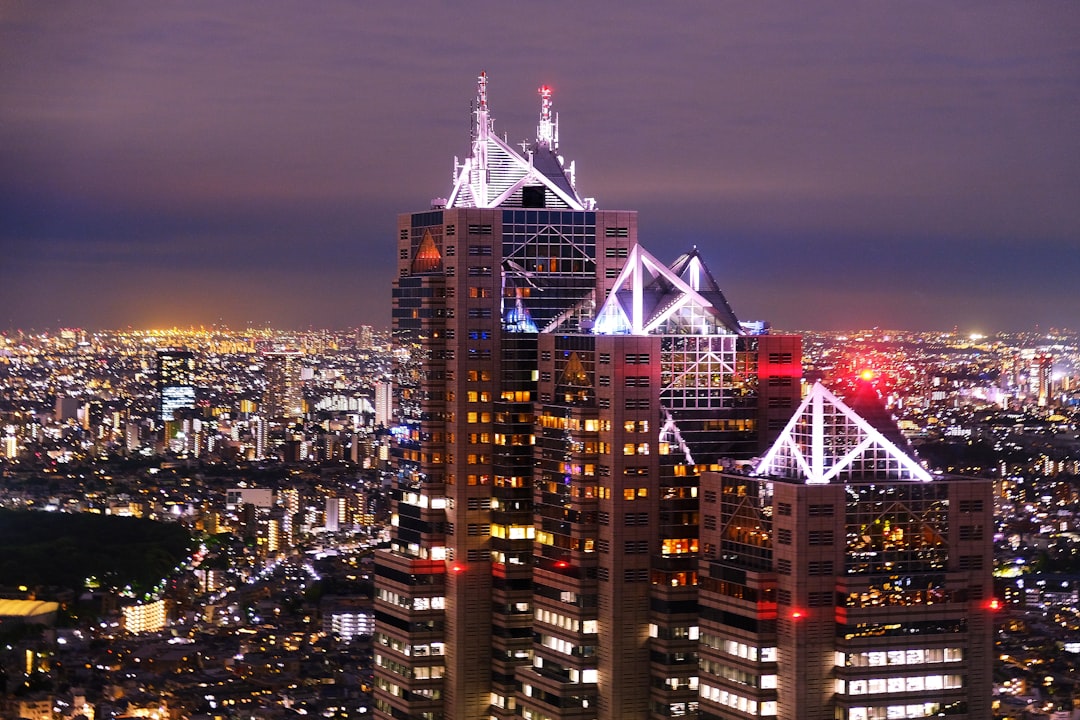
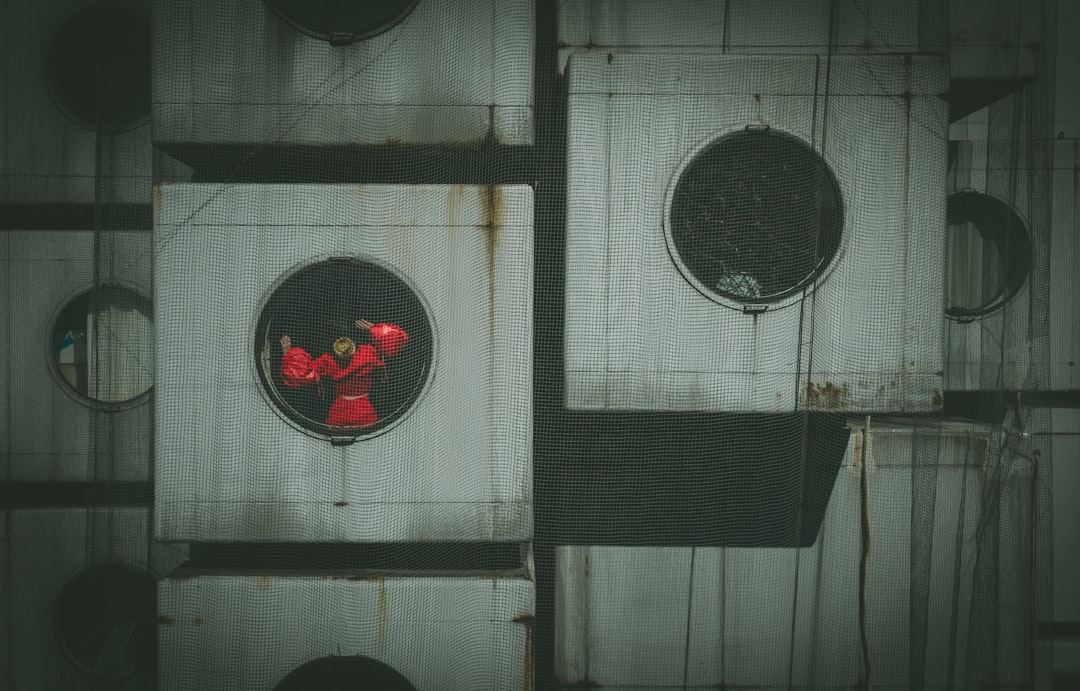
For photography enthusiasts, the Nakagin Capsule Tower was never just a subject — it was a philosophy made concrete. Kurokawa’s Metabolism movement envisioned cities as living organisms, with modular, replaceable parts that could evolve alongside human needs. Each capsule, measuring a mere 2.5 by 4 meters, was fitted with a porthole window, a built-in desk, a reel-to-reel tape deck, and a bathroom unit no bigger than a phone booth. The aesthetic result was something that bridged science fiction and gritty urban realism — a photographer’s paradise.
Even in its absence as a standing structure, the tower’s photographic legacy is immense. A select number of original capsules have been preserved and are now displayed in museums, galleries, and cultural spaces across Japan. Several capsules have also traveled internationally as part of architectural exhibitions, allowing photographers worldwide to capture the intimate geometry of brutalist pod living up close.
The Metabolist Movement and Its Visual Language
Understanding the Metabolism movement will deepen both your appreciation and your photography. The movement emerged in post-war Japan as architects responded to rapid urbanization with bold, futuristic visions. Brutalism’s raw concrete surfaces, repetitive modular forms, and unapologetic structural honesty translate into extraordinarily textured photographic compositions. The circular porthole windows of each Nakagin capsule, for instance, create natural framing devices — a technique savvy photographers will want to exploit when capturing preserved capsules or archival installations.
Key visual elements to look for and shoot include: the rhythm of circular windows against rectangular pods, the patina of weathered Cor-Ten steel and concrete, the dense stacking pattern that creates almost fractal-like repetition, and the contrast between the tower’s retro-futurist form and the gleaming glass towers that now surround the Shimbashi and Ginza skyline.
Planning Your Nakagin History Tour: Where to Go Now
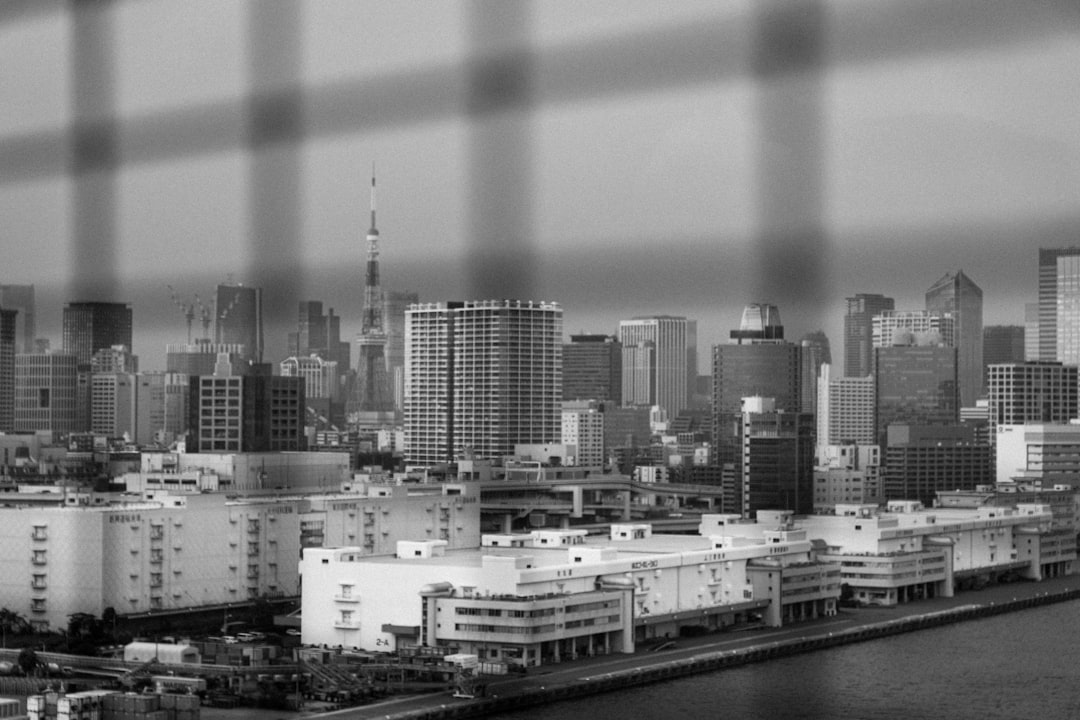
Since the original building was demolished, the Nakagin Capsule Tower experience has transformed into a multi-location pilgrimage — which, honestly, gives photographers even more to work with.
The Shimbashi Site and Surrounding Neighborhood
Start at the original site in Shimbashi, a short walk from Shimbashi Station (served by the JR Yamanote Line, Tokyo Metro Ginza Line, and the Yurikamome). While the tower itself is gone, the neighborhood context remains invaluable for photographers. The contrast between the salaryman drinking culture of Shimbashi’s izakaya alleys and the site of what was once the world’s most futuristic residential tower creates a poetic tension. Shoot the empty skyline where the capsules once clustered. Document the neighboring buildings, the street-level chaos, and the quiet sorrow of an architectural void.
Bring a wide-angle lens to capture the full breadth of what the urban landscape looks like post-demolition, and a telephoto to compress the background buildings into abstract layers of glass and steel.
Preserved Capsules: The New Photographic Pilgrimage Points
The real photographic treasure hunt now lies in tracking down the preserved capsules. The Nakagin Capsule Tower Building Preservation and Restoration Project successfully saved 23 capsules before demolition. These are now distributed across various institutions and private collections. As of current records:
- The National Museum of Modern Art, Tokyo (MOMAT) has featured capsule installations and architectural documentation as part of its design and architecture programming.
- Various galleries in the Ginza and Aoyama areas have hosted temporary capsule exhibitions — checking local listings before your visit is essential.
- The Kisho Kurokawa Architect & Associates archive materials and Kurokawa-related installations occasionally appear in design events during Tokyo’s annual architecture and design weeks.
For the most up-to-date capsule locations, the preservation project maintains an active online presence, and dedicated Nakagin fan communities on Instagram and X (formerly Twitter) track capsule sightings with near-religious devotion.
[ADD: Add one personal tip or hidden gem you discovered — 1-2 sentences]
Guided History Tours: Getting the Architectural Context Right
Several Tokyo-based architecture tour operators now offer guided walks dedicated to Kurokawa’s legacy and the broader Metabolism movement. Companies like Architectour Tokyo and various offerings through platforms like Airbnb Experiences pair knowledgeable local guides with curated walking routes through Shimbashi, Ginza, and sometimes extending to other Metabolism-era buildings like the Yamagata Hawaii Dreamland remnants or the still-standing Nakagin-adjacent brutalist structures scattered across central Tokyo.
For photographers, a guided tour offers the critical advantage of understanding why each frame matters. When your guide explains that each capsule was designed to be replaced after 25 years — a replacement that never happened, contributing to decades of decay — the poignant rust-streaked surfaces you’re photographing carry entirely different emotional weight.
Best Time and Light for Shooting the Nakagin Legacy
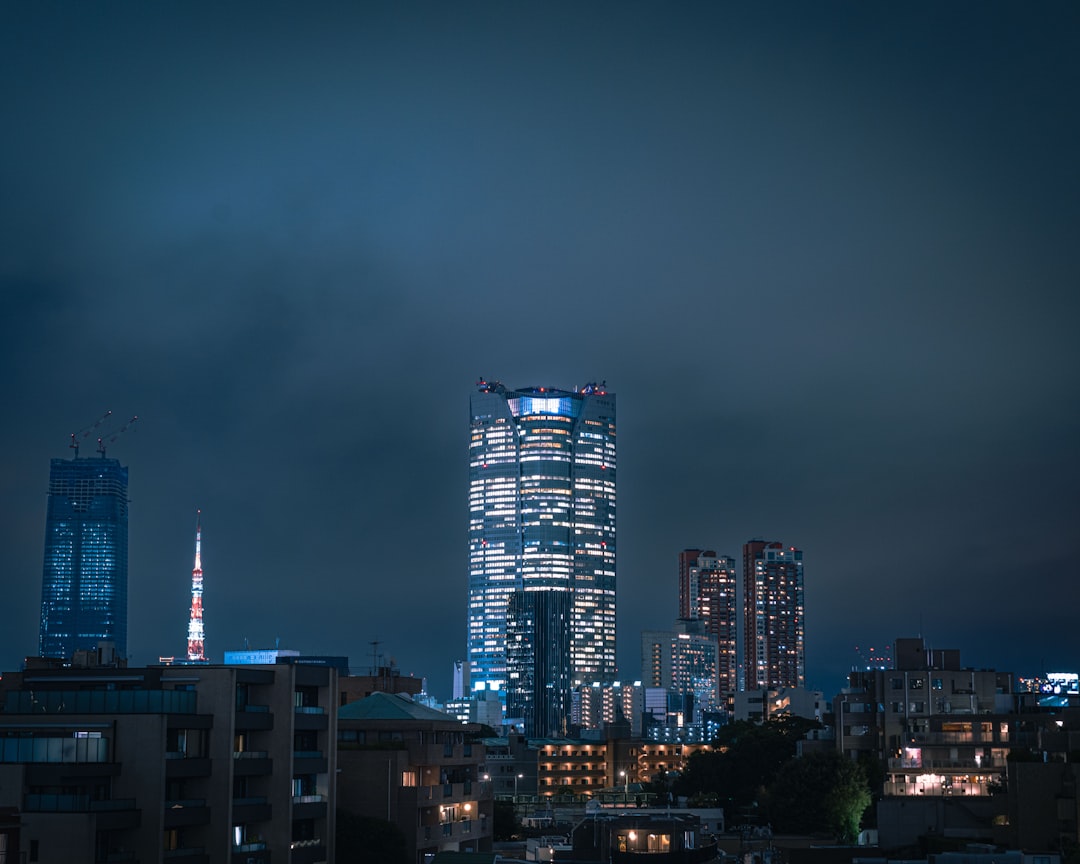
Tokyo’s photography conditions shift dramatically with the seasons, and timing your Nakagin pilgrimage matters.
Golden Hour and Blue Hour in Shimbashi
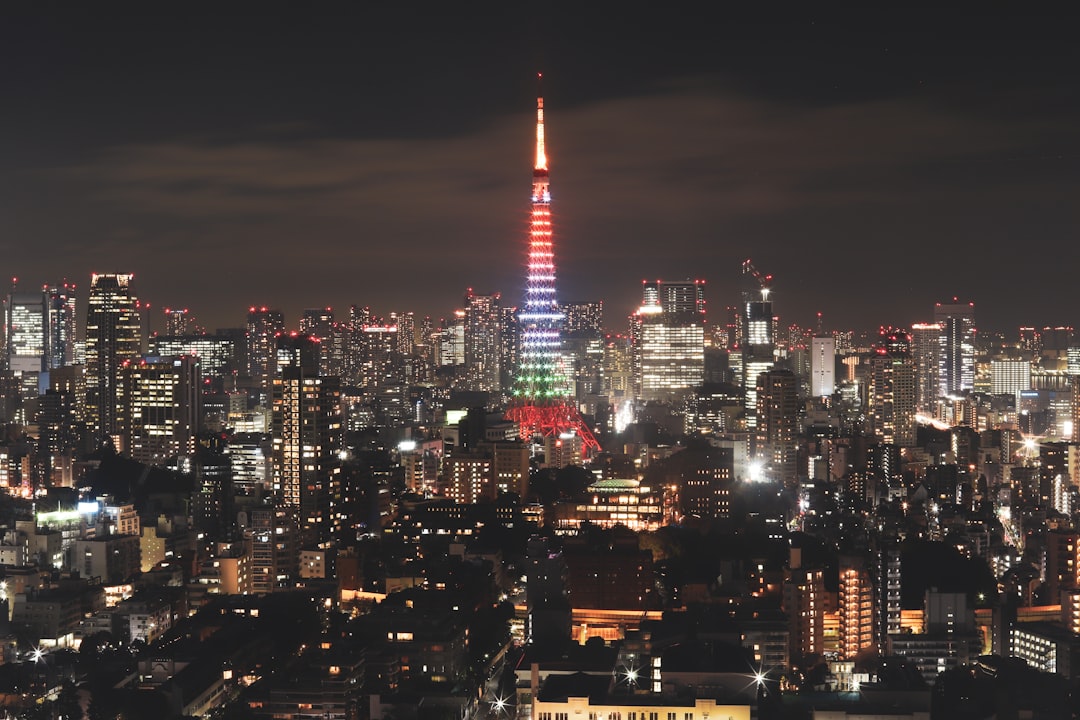
The Shimbashi district is at its most visually compelling during golden hour (30-60 minutes after sunrise) when low-angle light rakes across the remaining concrete and steel facades of neighboring buildings, and during blue hour after sunset when the neon of izakaya signs and convenience stores creates that quintessential Tokyo night-glow. For capsule photography in museum settings, midday diffused light through skylights tends to render the textured surfaces most faithfully. This same play of light and shadow also rewards photographers exploring other Tokyo neighborhoods — temples and urban gardens offer similarly compelling lighting conditions.
Seasonal Considerations
- Spring (March–April): Cherry blossoms in nearby Hamarikyu Gardens create a striking juxtaposition with brutalist aesthetics — the organic softness of sakura against hard industrial geometry is a photographer’s gift.
- Autumn (October–November): Lower humidity, clearer skies, and warm light make this arguably the best all-around photography season in Tokyo.
- Avoid peak summer humidity (July–August): Haze reduces contrast and long outdoor shoots become genuinely uncomfortable.
Food, Coffee, and Downtime for the Photography Traveler
A photography tour demands sustained energy, and Shimbashi’s food scene is built for exactly that.
Fueling Your Shoot
Shimbashi is Tokyo’s quintessential salaryman district, which means it excels at fast, satisfying, affordable food. SL Square near Shimbashi Station offers dozens of standing ramen and soba bars where you can refuel in under 15 minutes without breaking your photographic momentum. For a slower sit-down experience, the shotengai (shopping streets) near Uchisaiwaicho offer quiet kissaten (old-school Japanese coffee shops) that are themselves architectural time capsules from the 1970s — deeply appropriate company for your Nakagin pilgrimage, and excellent subjects in their own right.
For evening, the Yurakucho underpass — just one station north — offers an unbeatable combination of izakaya atmosphere and dramatic elevated rail infrastructure that any street photographer will struggle to leave. If you’re drawn to Tokyo’s vintage food and drink establishments, exploring Tokyo’s ramen and izakaya culture offers similar atmospheric photographic opportunities throughout the city.
Essential Photography Gear Checklist for This Tour
- Wide-angle lens (16–24mm equivalent): Essential for capturing preserved capsules in tight gallery spaces and the full urban context of the Shimbashi site.
- Standard zoom (24–70mm equivalent): Your workhorse for documentary street shooting in the surrounding neighborhood.
- Polarizing filter: Reduces glare on metal surfaces and deepens contrast on concrete textures.
- Tripod or gorilla pod: For blue-hour and interior museum shooting where flash is often prohibited.
- Spare batteries: Tokyo’s cold winters drain batteries faster than you expect.
[ADD: Describe one specific moment or memory from this experience — 2-3 sentences]
The Deeper Story: Photography as Preservation
The demolition of the Nakagin Capsule Tower sparked genuine grief in the global architecture and photography community. Photographers from dozens of countries had spent years documenting its decline — cracked porthole seals, rusting pod joints, the desperate hand-painted banners from residents who refused to leave. That photographic archive is now the tower’s most complete record. In shooting the preserved capsules, the archival exhibitions, and the ghostly absence at the Shimbashi site, you’re not simply capturing an aesthetic subject. You’re participating in a living act of architectural memory.
For the photography enthusiast, this history tour offers something increasingly rare: a subject with genuine weight. The Nakagin Capsule Tower was a utopian dream, an aging reality, a contested home, and now a scattered set of relics. Every frame you take adds to the record of something that dared to imagine the future differently — and that, more than any postcard skyline, is worth every stop on the shutter.