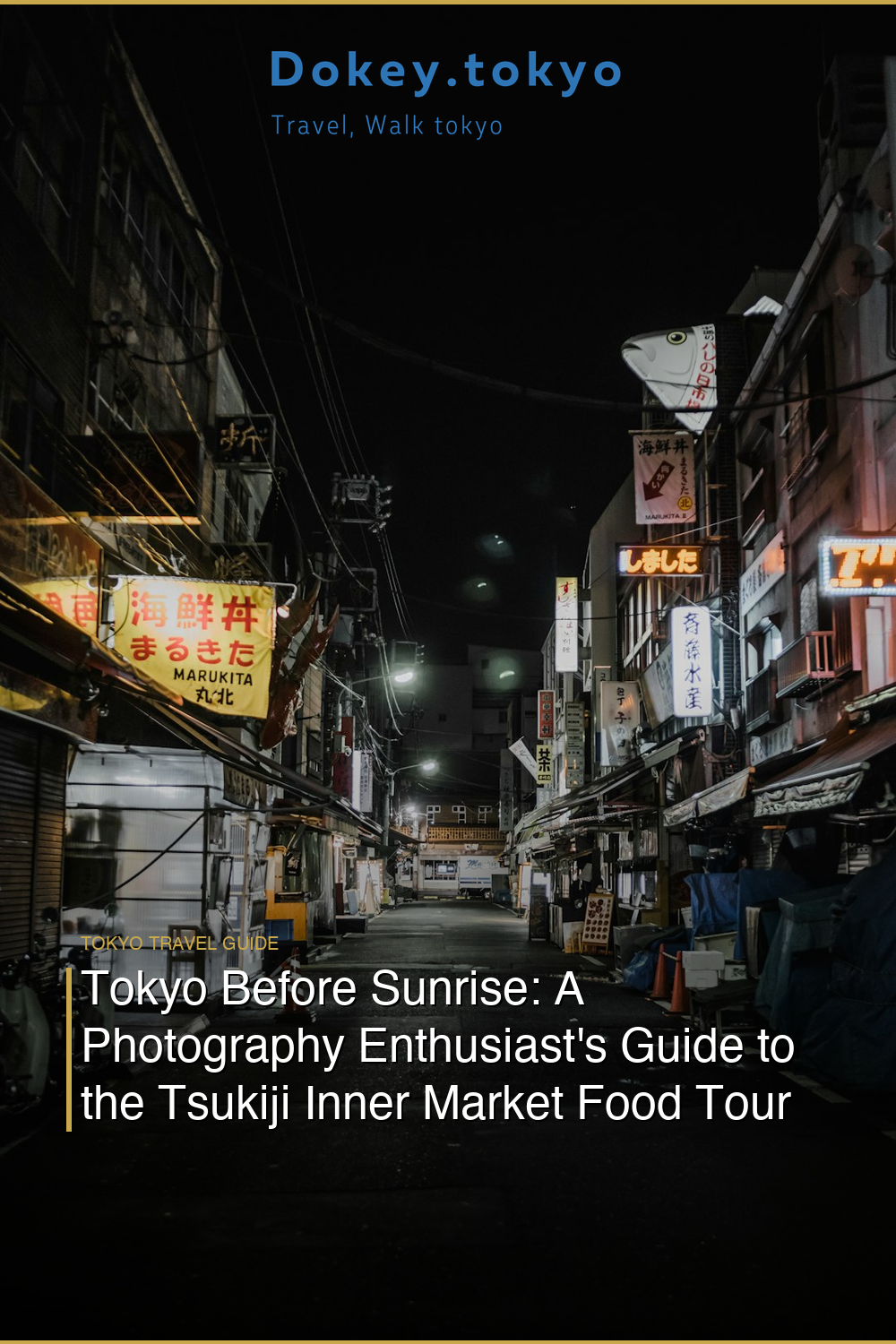
If you’ve ever dreamed of eating the freshest sushi of your life while standing at a tiny counter at 7am, slightly sleep-deprived but absolutely electric with excitement — Tsukiji Inner Market is where that dream becomes your Tuesday morning. Even after the famous wholesale tuna auctions relocated to Toyosu in 2018, Tsukiji’s inner market (the part that actually matters to food lovers) never skipped a beat. The vendor stalls, the sushi counters, the smoky grills — all of it stayed put, and it is absolutely worth waking up before the sun for.
I remember stepping into the market for the first time on a grey November morning, just after 6am. The smell hit me before anything else — a clean, briny wave of the ocean mixed with charcoal smoke and something sweet and caramelized that I couldn’t immediately identify. Narrow lanes buzzed with vendors in rubber boots hauling polystyrene boxes, and the whole place hummed with this low, purposeful energy that felt nothing like a tourist attraction. It felt like real Tokyo, moving at full speed, and I was just lucky enough to be standing inside it.
What Is Tsukiji Inner Market (And Why First-Timers Get It Wrong)
🗾 Book on Viator: Toyosu Tuna Auction & Tsukiji Local Food →
Here’s the mistake almost every first-time visitor makes: they arrive at Tsukiji expecting a single, obvious entrance with a map and a gift shop. There isn’t one. The inner market is a dense, interlocking grid of roughly 400 independent vendors packed into a relatively small footprint just outside the old wholesale fish market building. You will get turned around. You will accidentally walk the same alley twice. This is not a problem — it’s actually how you find the best things.
The market officially opens around 5am, but the sweet spot for first-timers is between 6am and 8am. By 6am, most food stalls are fully operational and the energy is high. By 9am, some of the most popular items — particularly certain cuts of tuna and the famous tamagoyaki (sweet rolled egg) — sell out entirely. The market starts winding down around 2pm, with many stalls closing by noon.
Getting There Without the Stress
Take the Tokyo Metro Hibiya Line to Tsukiji Station (not Tsukijishijo, which is the Oedo Line stop closer to Toyosu). Exit 1 drops you almost directly at the market’s edge. The walk from the station takes under five minutes. Taxis are easy if you’re coming from a central hotel and want to avoid early-morning train navigation — just show the driver “築地場内市場” on your phone. Arrive hungry. This is non-negotiable.
The Sushi Breakfast Experience: What You Need to Know
🗾 Book on Viator: Tsukiji Fish Market Walking Tour & Tasti →
For first-time visitors, eating sushi for breakfast at Tsukiji feels like a rite of passage — and it absolutely lives up to the mythology. Several sushi counters are tucked inside the inner market lanes, most of them tiny, seating anywhere from 6 to 12 people, with chefs working at arm’s reach.
Sushi Dai and Daiwa Sushi are the two most famous spots and yes, both can have queues that stretch to 90 minutes or more on weekends. My honest advice for first-timers: if it’s your first visit to Tokyo and you have the patience, queue for one of them once. The experience of sitting inches from a chef who has been making nigiri for 30 years, watching him press a thumb-sized mound of warm vinegared rice and drape a silken piece of fatty tuna over it, is genuinely unlike anything else.
But if the queue feels daunting, walk two alleys deeper into the market. There are smaller, less-Instagrammed sushi counters with no queue and fish that came off the same boats that morning. Ask for the omakase set — chef’s choice — and let them feed you. You will not be disappointed.
What to Order Beyond Sushi
This is where Tsukiji rewards the curious first-timer who wanders rather than follows a checklist.
- Grilled scallops (hotate): Look for the charcoal grills sending up smoke near the eastern end of the market. Vendors place whole scallops directly on the grill; they arrive at your hand in the shell, swimming in soy butter, still hissing. Eat them immediately.
- Tamagoyaki: The thick, custardy, slightly sweet rolled egg that bears zero resemblance to a French omelette. Tsukiji’s tamagoyaki is a revelation. Several vendors sell it on wooden skewers as a snack; others serve thicker slices alongside rice sets.
- Uni (sea urchin) on rice: If you’ve been nervous about uni before, try it here. Freshness is everything with sea urchin, and here it is as fresh as it gets — briny, creamy, with almost no bitterness.
- Maguro (tuna) sashimi bowls: Multiple stalls serve chirashi-style bowls piled with tuna cuts over rice. The chutoro (medium fatty tuna) cuts are what most regulars quietly point to when you ask what to order.
I discovered by accident on my third visit that a tiny vendor near the central alley — the one with the hand-painted wooden sign and the single gas burner outside — sells a grilled squid ink rice ball that isn’t on any food blog I’ve ever found. A vendor named Kenji-san gestured toward a tray of them when he noticed me staring, said “kuroi onigiri, special today” and handed me one wrapped in foil. It was smoky, intensely savory, and tasted like the ocean in the best possible way. Ask around, point at things, accept what you’re offered.
Local Breakfast Spots Beyond the Famous Stalls
🗾 Book on Viator: Tsukiji Market Food Culture Tour with Br →
Not everything at Tsukiji requires a queue or a courageous palate. For first-time visitors who want a gentler start, the market’s periphery has several spots that cater to the workers who’ve been here since 4am and need actual sustenance.
Benten (Breakfast Teishoku Sets)
Look for the small sit-down stalls that serve teishoku — set meals with grilled fish, miso soup, rice, and pickles. These are the breakfast sets that fishmongers and stall operators actually eat. They’re filling, affordable (usually ¥800–¥1,200), and deeply comforting. Sitting down to a grilled mackerel set at a counter while the market rushes past the open doorway is one of Tokyo’s most genuinely local experiences.
Oyster Shots and Morning Drinks
Several vendors near the market’s edge sell fresh oysters (kaki) that you can eat raw on the spot with a squeeze of sudachi citrus and a few drops of ponzu. Some stalls will offer a small glass of cold sake alongside — yes, at 7am, yes, it’s completely normal here, and yes, you should try it at least once in your life.
Practical Tips for First-Time Visitors
Wear comfortable, closed-toe shoes. The ground is wet, occasionally slippery, and you will walk more than you think. Sandals are a genuinely bad idea.
Bring cash. The majority of vendors at Tsukiji inner market are cash-only. There’s an ATM near the market entrance, but withdraw before you arrive to avoid the queue.
Don’t touch what you’re not buying. Market etiquette is straightforward — vendors are working, not running a petting zoo for tourists. Watch, ask, purchase. They are generally warm and patient with curious visitors who show respect.
Go on a weekday. Weekend crowds at Tsukiji have grown significantly. A Tuesday or Wednesday morning means shorter queues, less shoulder-to-shoulder navigation, and vendors who have more time to chat.
Budget: A full Tsukiji morning — sushi breakfast, a few snacks, an oyster or two, a coffee from a nearby café — will typically run between ¥2,500 and ¥4,500 per person depending on choices. It is extraordinary value for what you’re eating.
The Moment That Stays With You
On my most recent visit, I stood at a tiny counter just as the market was catching its midmorning breath — around 8:30am, the rush thinning slightly. The chef set down a single piece of otoro nigiri in front of me without a word. The tuna was so fatty it was almost translucent at the edges, the rice still body-warm, a faint brush of soy already applied. I ate it in one piece the way you’re supposed to, and there was this moment of complete silence in my own head — which, if you’ve ever been to Tokyo, you know is remarkable. The flavor was clean and rich and gone too quickly, and I immediately wanted another.
Before You Go
Tsukiji Inner Market is not a theme park version of Japanese food culture — it’s the real thing, still breathing, still feeding the city. As a first-time visitor, you won’t catch every reference or know every vendor’s specialty. That’s fine. Walk slowly, follow your nose, say yes to things you can’t identify, and eat more than you planned. The market will do the rest. There’s a reason people come back to Tokyo and make a beeline here before they’ve even checked into their hotel. Once you’ve had breakfast at Tsukiji, every other morning in every other city feels slightly like settling.