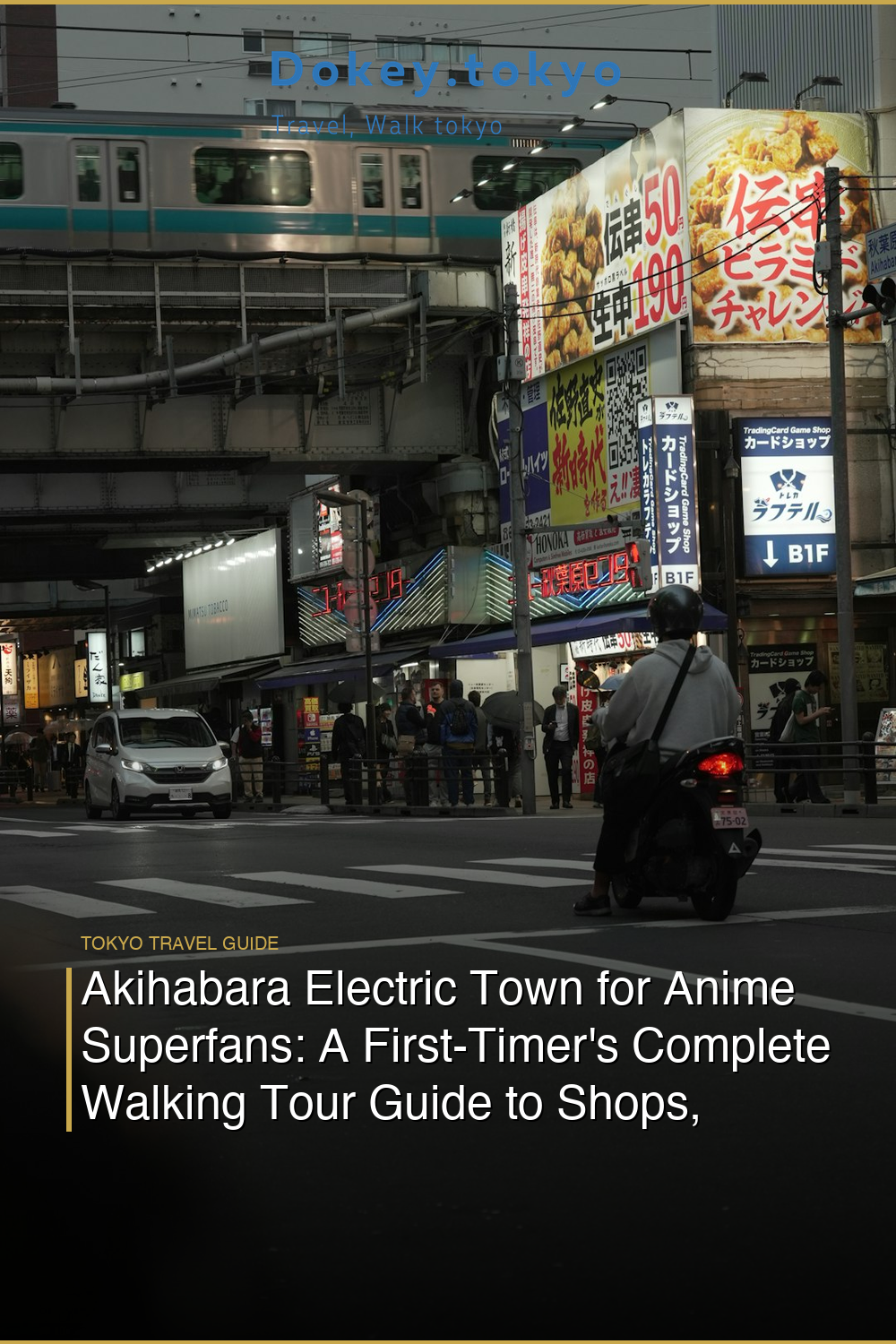
You’ve watched hundreds of episodes. You’ve got a shelf full of figures. You’ve dreamed about this neighborhood since you first discovered anime in middle school. And now you’re finally standing at Akihabara Station, blinking at a world that looks exactly like the opening credits of every show you’ve ever loved — and somehow more overwhelming than you ever imagined. Welcome to Electric Town. It’s louder, brighter, and more gloriously chaotic than any screenshot you’ve saved to your Pinterest board, and I am so excited for you.
I still remember stepping out of Akihabara Station’s Electric Town Exit for the first time on a Saturday afternoon in late October. The moment I cleared the turnstiles, a wall of J-pop blasted from a speaker mounted above a vending machine, and I caught the distinct smell of warm takoyaki mixing with the faint metallic tang of electronics — a combination that shouldn’t work but somehow becomes the official scent of this place in my memory. I stood frozen on the pavement for a full thirty seconds, head tilted back, staring at a six-story building wrapped floor-to-ceiling in giant painted murals of characters I recognized from three different fandoms simultaneously.
Before You Walk In: Understanding the Layout of Akihabara
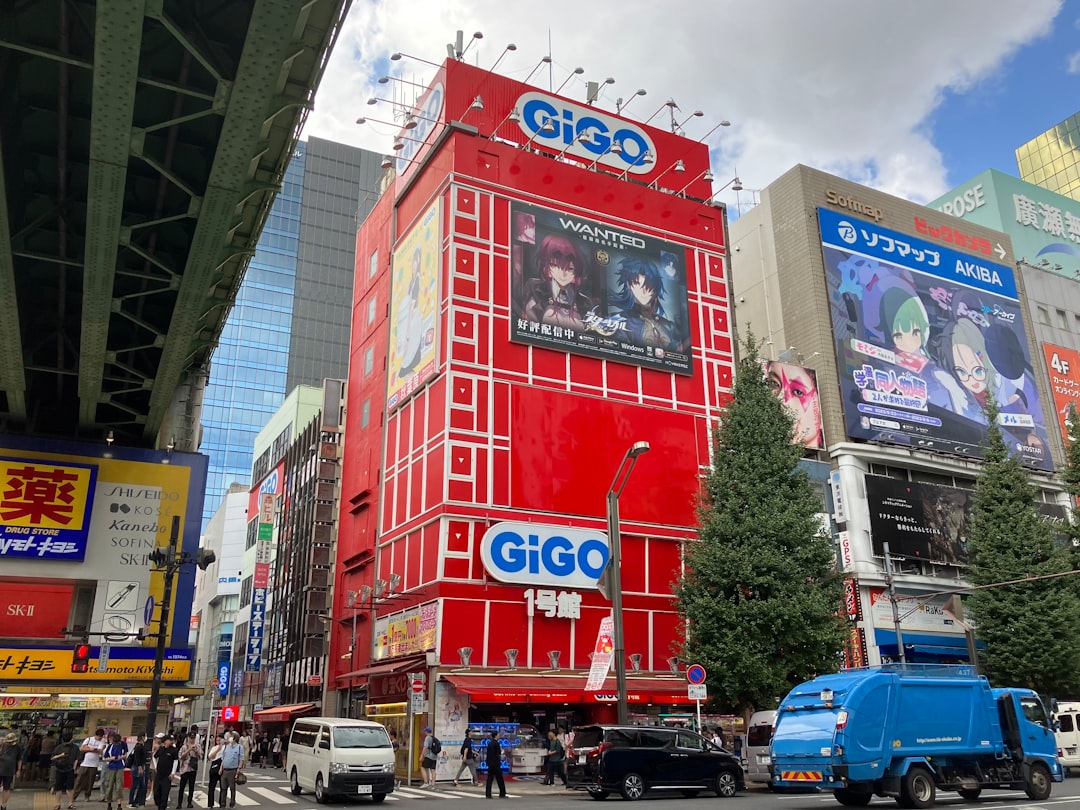
Akihabara isn’t a single destination — it’s a dense, layered ecosystem stretching roughly eight city blocks around the JR Akihabara Station. The main strip, Chuo-dori Avenue, runs north to south and is where you’ll find the flagship stores, the loudest arcades, and the densest crowds. The side streets threading east and west off Chuo-dori are where things get more specialized and more interesting — smaller doujinshi shops, niche figure dealers, retro game cartridge stores, and the kinds of places that don’t need signage because the people who need to find them already know.
As a first-timer, plan at minimum a full half-day here, but honestly? Budget an entire day. Wear comfortable shoes. Bring more yen in cash than you think you’ll need — a surprising number of specialized shops still prefer it. And charge your phone battery the night before because you will not stop taking photos.
The Anime Shops You Cannot Miss
🗾 Book on Viator: Akihabara Anime Tour with Otaku Local Gu →
Yodobashi Akiba: Your Sensory Baptism
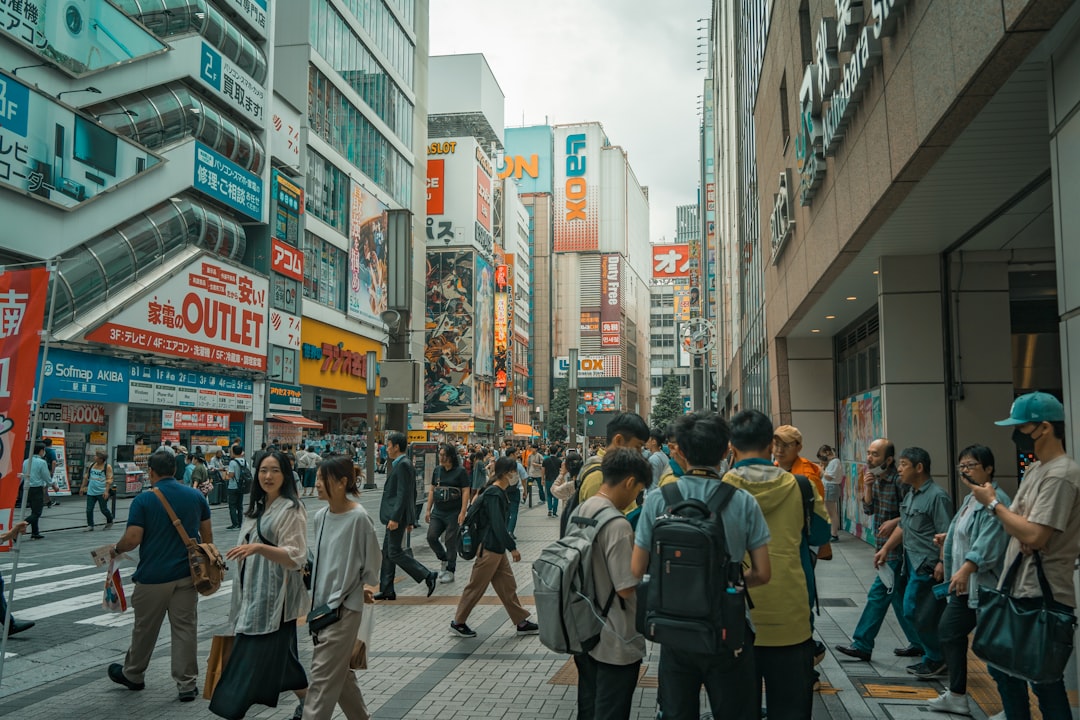
Start at Yodobashi Akiba, the massive multi-floor retail complex directly across from the station. This is not purely an anime destination — it sells everything from refrigerators to cameras — but floors six and seven are dedicated to figures, Gunpla model kits, trading cards, and merchandise that will make your jaw detach from your face. It’s a smart first stop because the scale and organization will calibrate your expectations for everything smaller and weirder that comes after.
Kotobukiya: For the Figure Collector
Walk south along Chuo-dori and you’ll hit Kotobukiya, one of Japan’s most beloved figure manufacturers with their own dedicated retail space. If you collect high-end figures — the kind with articulated capes and hand-painted facial expressions — this is your holy ground. Their exclusive colorways and store-limited editions are worth the potential wait in line. I cannot be held responsible for what you spend here.
Animate: The Multi-Floor Merchandise Cathedral
Animate Akihabara is seven floors of officially licensed merchandise covering virtually every major anime series of the past two decades. Each floor is organized by category — stationery, apparel, Blu-rays, drama CDs — and the sheer organizational commitment is impressive. Pick up a store flyer at the entrance because the floor map is genuinely useful. They regularly host limited pop-up events tied to seasonal anime releases, so check their website before your visit to see what’s running during your trip.
The Side-Street Doujinshi Shops
Once you’ve done the main boulevard, turn left off Chuo-dori toward the smaller streets east of the station. This is where you’ll find the doujinshi shops — stores selling fan-made comics, art books, and zines produced outside of official licensing. K-Books and Mandarake are the two giants here, but Mandarake in particular is extraordinary: multiple connected storefronts dealing in vintage manga, rare figures still in original packaging, cosplay materials, and out-of-print anime merchandise from the 1980s and 90s. I once found a sealed, mint-condition Evangelion figure from 1997 in a glass case at Mandarake — the staff member who noticed me staring simply said, quietly and in perfect English, “It is very rare. We have had it twelve years.” Reader, I absolutely did not buy it. Reader, I absolutely regret it.
Arcades: Where You Actually Play
🗾 Book on Viator: Akihabara Anime and Pop Culture Walking →
Taito Station: The Accessible Entry Point
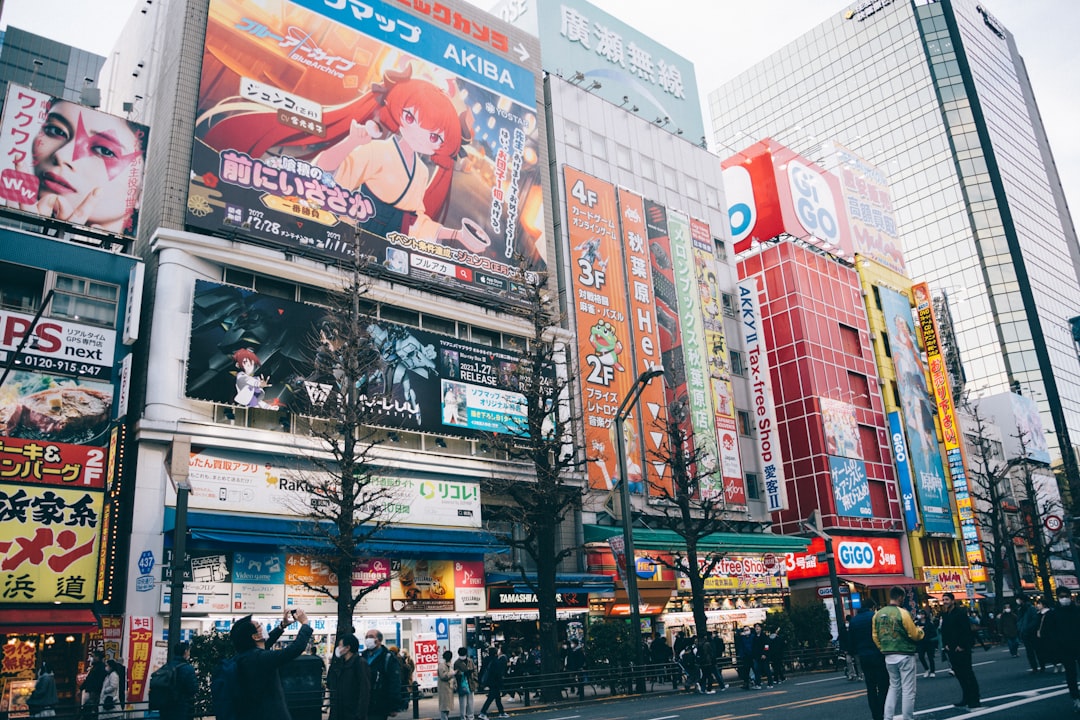
For first-timers who haven’t played Japanese arcade games before, Taito Station on Chuo-dori is the friendliest starting point. Ground floor is crane games (UFO catchers) loaded with anime merchandise prizes — plushies, acrylic standees, blind box figures. Upper floors have rhythm games like maimai and Taiko no Tatsujin, fighting games, and racing simulators. Bring 100-yen coins. Bring many 100-yen coins.
Sega Akihabara Building 2: For the Serious Gamer
If you want to watch genuinely skilled players in action — people who have clearly dedicated significant portions of their lives to mastering a fighting game or a rhythm title — head to Sega Akihabara Building 2. The atmosphere on the upper floors has an intensity that’s exhilarating to observe even if you never touch a controller yourself. It smells like air conditioning and ambition.
Retro Game Cartridge Shopping
Scattered through the side streets are small shops selling used Famicom, Super Famicom, PC-98, and Dreamcast cartridges and discs. Even if you don’t own the hardware, these shops are worth entering for the archaeology of it — shelves of cartridges organized by genre, handwritten price tags, dusty boxes of controllers. Super Potato is the most famous of these and gets crowded, but the basement floor alone is worth the trip.
Maid Cafés: Do You Need the Experience?
Short answer: yes, at least once. Maid cafés are a quintessential piece of Akihabara’s identity and experiencing one — even briefly — gives you context for an entire cultural phenomenon. @home Café is the most famous and easiest to navigate as a first-timer, with English menus and staff accustomed to international guests. You’ll pay a table charge plus the cost of your order, so budget around 2,000–3,000 yen for the experience. The omurice (omelette rice) decorated with ketchup drawings by your server is the signature order. Yes, they will draw a heart on it. Yes, you will photograph it.
Food & Drink Breaks That Won’t Break Your Budget
Akihabara rewards you for looking up while you walk — the neighborhood is full of small curry restaurants, ramen shops, and convenience-store-level food tucked into building lobbies and basement floors. For a proper sit-down meal, Curry House CoCo Ichibanya near the station is reliable, customizable, and filling. For something quicker, the takoyaki stands near the station produce balls of octopus batter so hot they’ll burn your tongue if you’re impatient — and you will be impatient because they smell incredible. If you’re looking for a more immersive food experience in the area, the Tsukiji Outer Market is a short train ride away for fresh seafood and traditional breakfast options.
Best Time to Visit Akihabara as a First-Timer
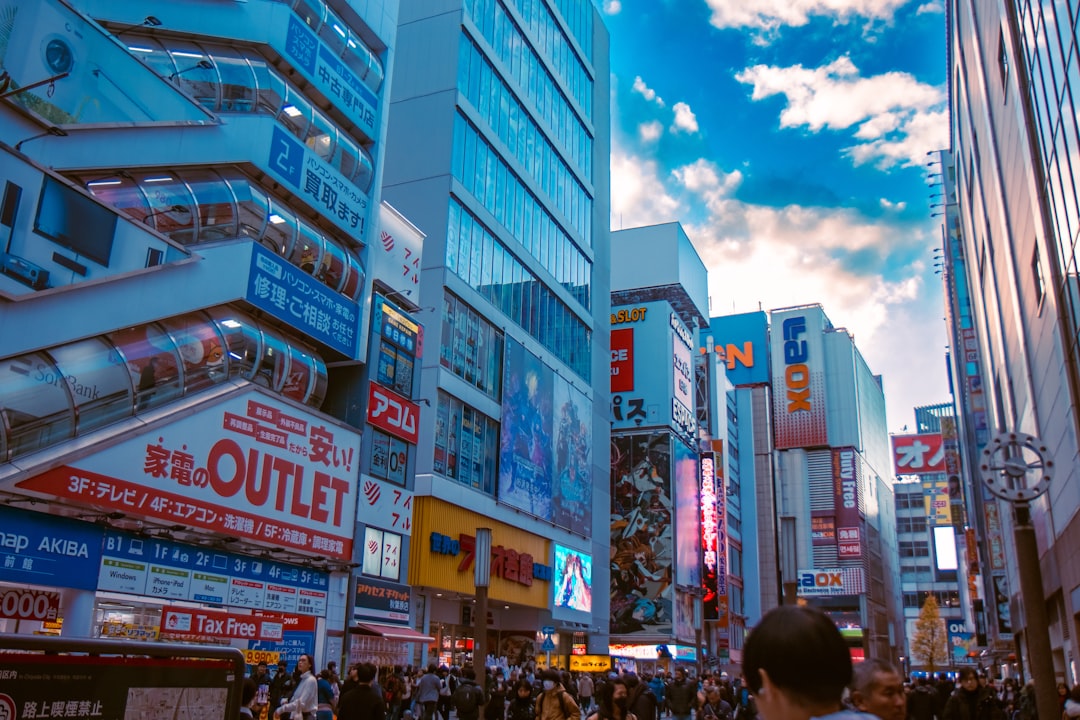
Saturday and Sunday afternoons are the most alive Akihabara gets — the main street closes to car traffic, pedestrians spill into the road, and the energy is maximum chaos in the best possible way. However, if you want to actually browse and speak to shop staff without competing with crowds, a weekday morning between 10am and noon is genuinely peaceful by comparison. Avoid visiting in late December or early August when Tokyo’s seasonal shopping periods drive crowds to extreme levels.
I visited on a drizzly Tuesday morning last spring, and around 11am I found myself almost alone in the figure section of Mandarake, rain streaking the window beside a case of vintage Sailor Moon merchandise, the shop’s ambient music playing softly in the otherwise empty room. A staff member brought me a small printed catalog — unprompted, without a word — slid it onto the glass counter, and went back to cataloguing new stock. I stood there for nearly twenty minutes, turning pages, completely at peace in a way I hadn’t expected from a place so loud and bright on its busiest days.
Practical Tips for Your Akihabara First Visit
- Cash is king in many smaller shops. Withdraw yen before arriving.
- Most major stores accept IC cards (Suica/Pasmo) for small purchases.
- Photography inside shops is often restricted — always look for posted signs before shooting.
- Bag check areas exist in larger stores if your shopping haul gets heavy.
- Last trains from Akihabara Station run around midnight — don’t miss them on an arcade binge.
- Google Translate’s camera function is invaluable for reading Japanese-only price tags and store signs.
The Neighborhood Beyond the Main Strip
If time allows, cross under the train tracks toward the west side of Akihabara and explore the quieter streets toward Kanda. The density drops, the tourist polish fades, and you’ll find older electronics shops, component stores, and a version of this neighborhood that existed before it became globally famous. It’s a useful reminder that Akihabara grew from a post-war electronics market into a pop culture destination organically, over decades — and the bones of that original identity are still visible if you look. For a similar experience exploring Tokyo’s vintage and local character, consider visiting Yanaka Ginza’s vintage and local shops, which captures that same sense of historical layering.
Akihabara will not be what you expected. It will be louder and more crowded than your imagination built it, and also somehow more intimate — full of people who love exactly what you love, who traveled just as far as you did, or who grew up here and have loved it for decades longer. That specific overlap, that meeting point between your private obsession and an entire neighborhood built around it, is the feeling you’ll carry home. It’s worth every yen and every jet-lagged hour to get there.
Ready to experience it?