If you think Harajuku begins and ends at Takeshita Street’s cotton candy crepe stalls and Lolita dress shops, you’ve only developed the first frame of a much richer roll of film. Harajuku is a living, breathing visual spectacle — layers of anime iconography, street fashion subcultures, hidden murals, and cosplay energy stacked on top of each other like a perfectly composed double exposure. For photographers who chase authenticity over Instagram clichés, this neighborhood rewards patience, early mornings, and the willingness to wander without a map.
The first time I turned off Takeshita onto the narrow back alley running parallel to Omotesando Hills at around 7:45 a.m., the low autumn light was slicing between buildings at a 45-degree angle, painting gold stripes across a hand-painted Evangelion mural I almost walked past. The smell of fresh taiyaki drifting from a shuttered vendor’s prep kitchen mixed with damp concrete, and I stood there for a full ten minutes just shooting the light shifting across Rei Ayanami’s painted face before a single tourist appeared. That moment told me everything I needed to know: Harajuku gives its best light to those who arrive before the crowds do.
Why Harajuku Is a Photographer’s Anime Paradise
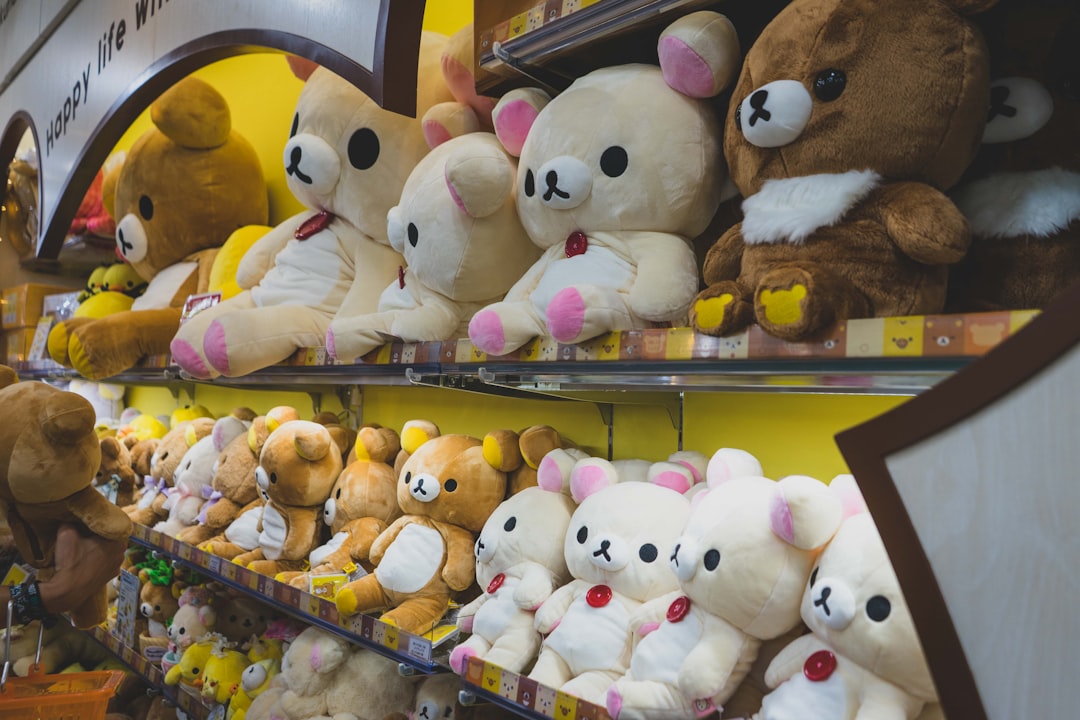
Harajuku’s relationship with anime culture is not performative — it’s structural. The neighborhood has been the epicenter of Japan’s visual subcultures since the 1970s, and today that energy manifests in ways that make every corner a potential composition. Street fashion here draws directly from anime aesthetics: the pastel palette of Cardcaptor Sakura, the dark romanticism of Black Butler, the cyberpunk geometry of Ghost in the Shell. You’re not looking at costumes — you’re looking at a living visual language. If you’re also interested in exploring Tokyo’s broader anime culture scene, Akihabara offers an equally immersive geek culture experience, while Ikebukuro’s otaku district provides another major hub for anime enthusiasts.
For photographers, the goal is to understand where this culture concentrates at different times of day and week, and how to position yourself to capture it authentically rather than intrusively.
Beyond Takeshita: The Streets You Actually Need
🗾 Book on Viator: Explore Harajuku, Shibuya & Shinjuku Dis →
Ura-Harajuku (The Back Streets)
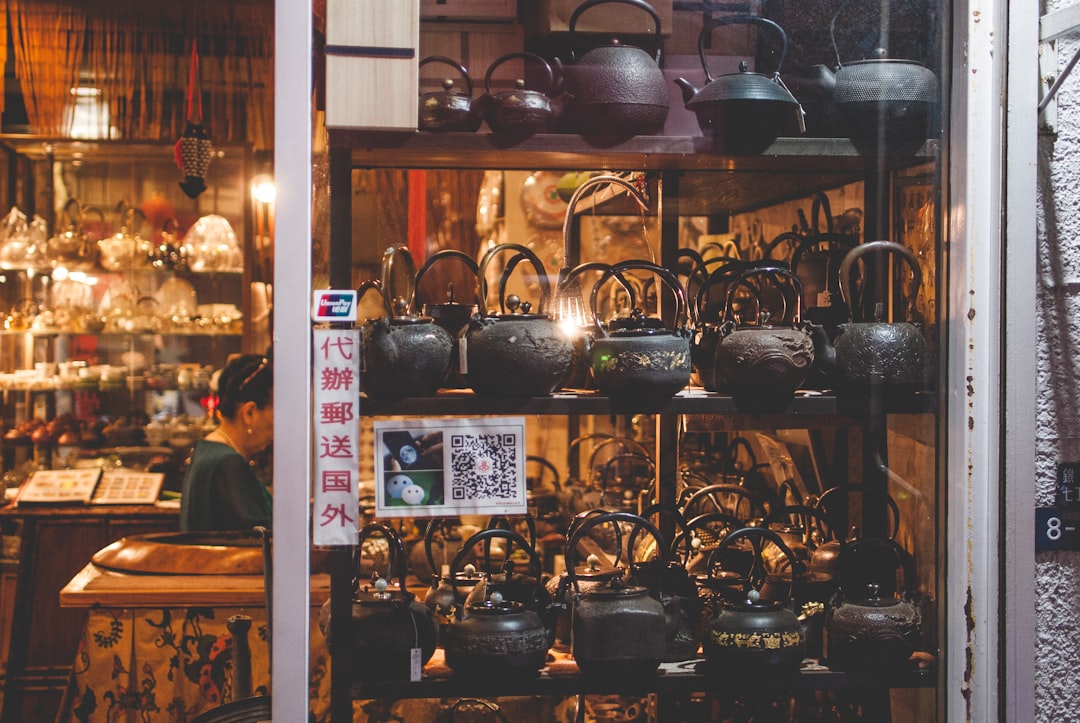
Locally called Ura-Harajuku or the “Harajuku backstreets,” this web of lanes running between Takeshita Street and Omotesando is where serious street culture photographers should set up camp. Specifically, Cat Street — which stretches south toward Shibuya — is lined with independent boutiques that stock anime-adjacent fashion: reconstructed vintage pieces with embroidered kanji, hoodies featuring original manga character art, platform boots with hand-painted panels. If you’re drawn to vintage hunting and thrift culture, Koenji’s antique district offers a similar aesthetic experience in a different neighborhood.
The light on Cat Street is best between 8–10 a.m. on weekdays when shop owners are arranging window displays and the foot traffic is light enough to shoot without obstruction. Bring a 35mm or 50mm prime lens — the street is narrow and you want environmental context around your subjects, not just faces.
Laforet Harajuku’s Floors 2–4
Laforet is the department store that most tourists photograph from the outside and then walk past. Don’t. Floors 2 through 4 host rotating pop-up shops for anime merchandise, indie manga artists selling hand-bound zines, and subculture fashion brands you won’t find on any English-language shopping guide. The interior architecture — white brutalist corridors with neon signage — is itself a compelling shooting environment.
Ask the staff at the information desk (most speak basic English) about current pop-up schedules. When I visited during a Chainsaw Man merchandise event, the installation design was elaborate enough to function as a full editorial shoot backdrop — dramatic red lighting, oversized chainsaw props, and fans in full Denji cosplay who were genuinely happy to be photographed if you asked politely and showed them the image afterward.
Togo Shrine’s Hidden Cosplay Gatherings
Most visitors to Meiji Shrine don’t realize that Togo Shrine — smaller, quieter, tucked behind the Harajuku JR station — becomes an informal gathering spot for cosplayers on weekend mornings, particularly between 9 and 11 a.m. before the heat peaks. The shrine’s stone torii gates and moss-covered stone lanterns create a cinematic contrast against elaborate anime costumes. I once watched a group in full Demon Slayer regalia do a quiet, almost meditative group photo session in front of the shrine’s main hall while elderly locals came and went around them, entirely unbothered.
The key tip: never raise your camera without making eye contact first and miming a “may I?” gesture. The cosplay community in Tokyo has a strong etiquette culture. A smile and a slight bow go a long way, and when someone says yes, you’ll get a posed shot that’s far more dynamic than anything candid.
Eating Like an Anime Fan (And Shooting Every Dish)
🎫 Book on Klook: Manga Museum Photography Experience →
Kawaii Monster Café vs. The Real Hidden Gems
The Kawaii Monster Café closed permanently, which means the tourists hunting “Instagram food” have nowhere obvious to congregate — and that’s good news for you. Instead, find Totti Candy Factory on the Takeshita side street for rainbow cotton candy that photographs beautifully in natural backlight, but more importantly, head to Kawaii Harajuku Building’s basement floor for Maison de Vivienne, a tiny patisserie run by a former Lolita fashion enthusiast who now channels that aesthetic into violet-and-gold mille-feuille and sakura-flavored financiers shaped like manga speech bubbles.
Order the yume crepe — a strawberry, matcha cream, and azuki bean crepe that’s assembled fresh in about ninety seconds — and position yourself outside against the building’s painted pastel wall for a food shot with genuine neighborhood texture behind it.
Harajuku Gyoza Lou
At around 12:30 p.m., the line at Harajuku Gyoza Lou on Meiji Street wraps around the corner and smells absolutely magnificent — pork fat, garlic, the particular sizzle-hiss of dumplings hitting an iron pan. The gyoza here are pan-fried to a crackling bronze crust that catches light beautifully. Order the tare dipping sauce separately and shoot the steam rising off the plate in the moment they arrive. This is the fuel that keeps you shooting all afternoon.
Practical Photography Tips for Harajuku
Timing Your Visit
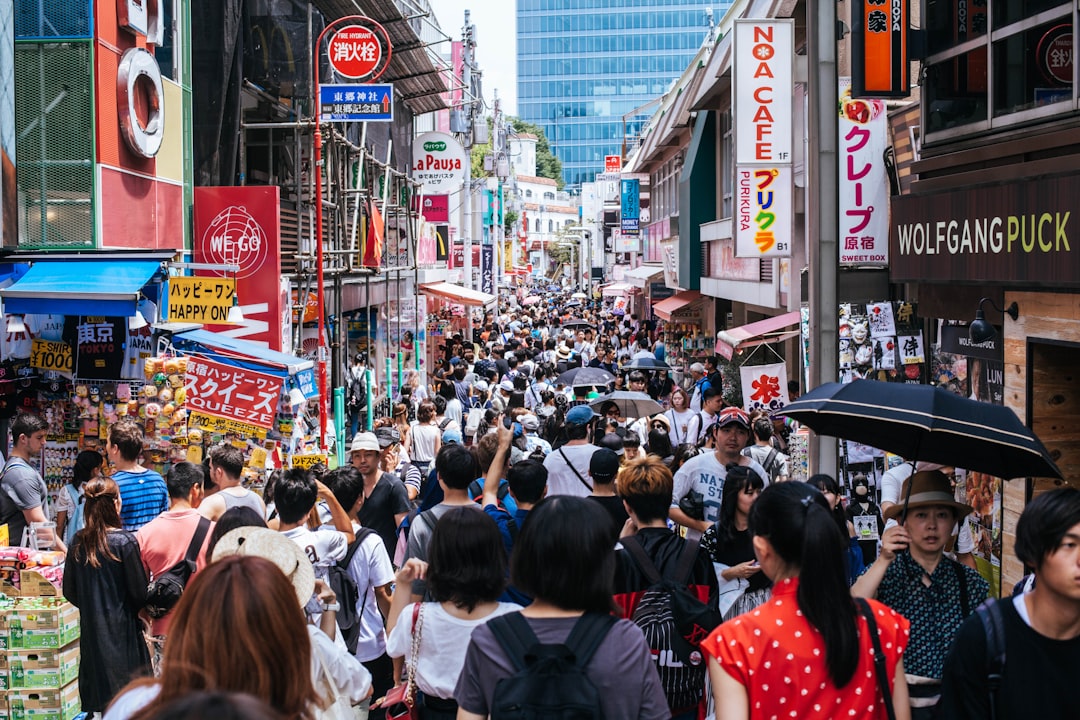
Saturday and Sunday mornings between 8 and 11 a.m. are the sweet spot. You get the cosplay culture warming up, the boutiques opening their visual displays, and the golden-hour light still low enough to be dramatic. By noon, Takeshita Street becomes genuinely difficult to navigate, let alone compose a shot in.
Weekday mornings (Tuesday through Thursday) offer a completely different Harajuku — quieter, more introspective, better for architecture and mural photography without human obstruction.
Gear Recommendations
A mirrorless camera with a silent shutter mode is your best friend here. Tokyo’s street culture subjects are often in a meditative, performative state — the click of a mechanical shutter breaks that spell. A wide-angle zoom (16–35mm equivalent) handles the tight back alleys; a short telephoto (85–100mm) lets you shoot cosplay subjects with respectful distance and beautiful background compression against Harajuku’s layered visual chaos.
Navigating the Culture Respectfully
Harajuku’s subculture communities — Lolita, Visual Kei, cosplay, anime streetwear — are not exhibits. They are people expressing carefully considered identities. Always ask before photographing. Offer to share images via Instagram or Line if they’re interested. The more respectful you are, the more access you’ll earn. The photography community that treats Harajuku like a human zoo is why some of the best spots have become camera-shy — don’t contribute to that.
The Anime Mural Circuit
🗾 Book on Viator: Anime and Manga Culture Tour with Local →
There is an unofficial mural circuit that the Tokyo street art community updates regularly. At the time of my last visit, key spots included:
- The Shibuya-ward side alley off Meiji-dori near the Q-Plaza building: a rotating gallery wall that has featured One Piece, Attack on Titan, and Jujutsu Kaisen murals painted by commissioned artists.
- The underpass on Omotesando’s northwest corner: faded but atmospheric older anime-inspired graffiti that has a deliberately lo-fi, Akihabara-basement aesthetic.
- Inside Laforet’s stairwell during event periods: temporary vinyl installations that are only up for 2–4 weeks.
Search Instagram with the geotag #uraharajuku the week before your visit to see what’s currently up.
Before You Go: The Shot I’ll Never Stop Thinking About
On my most recent trip, around 9:15 on a Sunday morning, I found a teenage girl in a fully hand-sewn Nezuko costume from Demon Slayer sitting alone on the stone steps of Togo Shrine, eating a convenience store onigiri with both hands, her elaborate bamboo mouth prop resting on the step beside her. She hadn’t noticed me yet. The light was coming from the northeast, warm and slightly diffused through the shrine’s ginkgo trees, falling across her face in a way that made the painted checks on her kimono glow amber. When she finally looked up, she smiled, held up the onigiri in a little toast, and said in careful English: “breakfast before performance.” I asked if I could photograph her. She nodded, finished her onigiri, stood up, and became Nezuko completely — the transformation was total and instantaneous. It’s the single best portrait I’ve taken in ten years of visiting Tokyo.
Conclusion
Harajuku’s anime culture is not a theme park waiting to be consumed. It’s a neighborhood with a genuine creative heartbeat — one that rewards photographers who come with curiosity, respect, and enough patience to find the frame before the crowds arrive. Skip the Takeshita Street crepe queue and start walking the backstreets at dawn. The best shots, like the best moments, are always slightly off the obvious path.
Ready to experience it?
🗾 Book on Viator: Akihabara Anime, Manga & Hidden Gems →