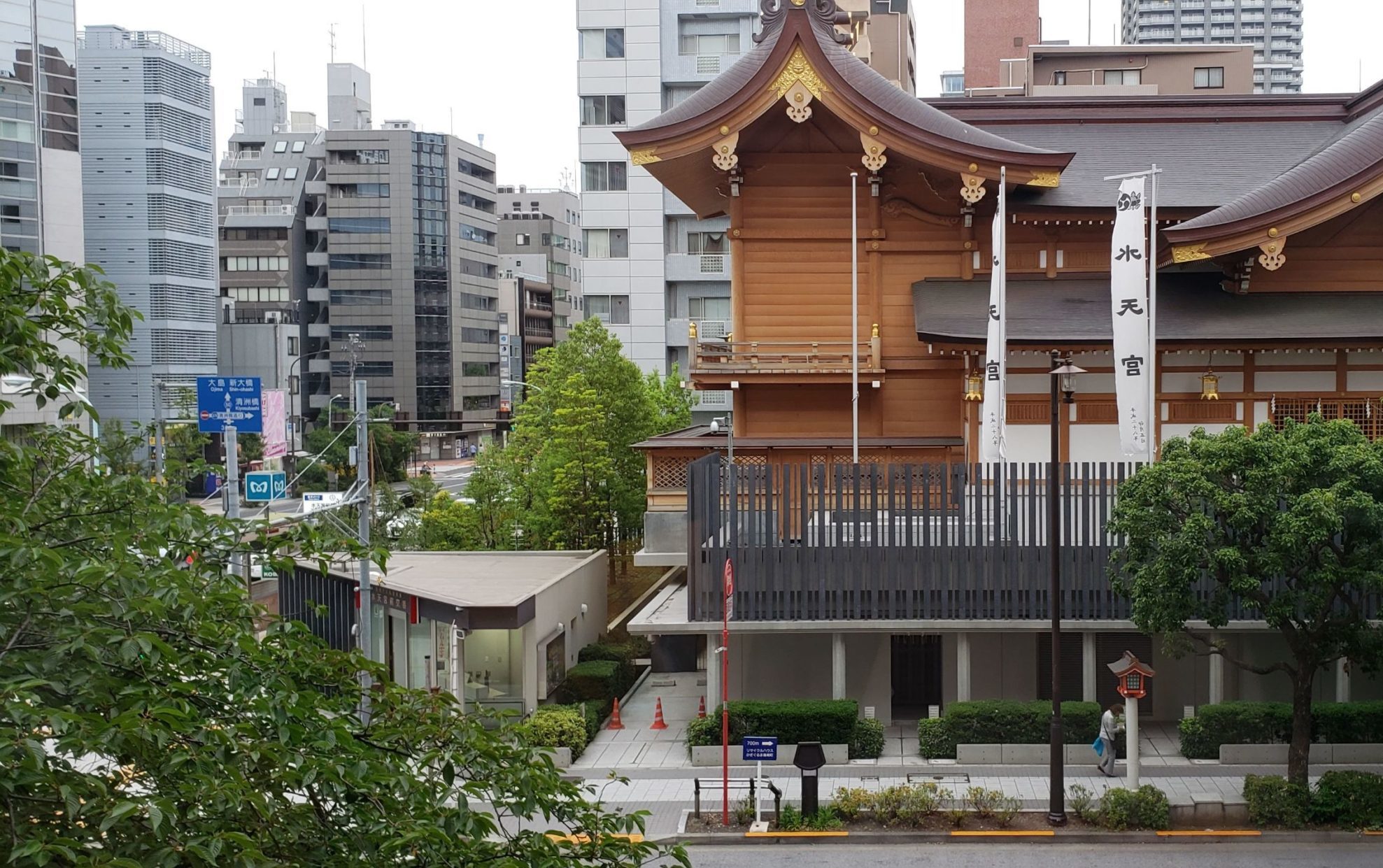
Suitengu Shrine in Ningyocho is where visitors come to thank the gods of safe childbirth. Nearby Ginza is home to jewelry workshops, making the area an easy pairing with the shrine. If you’re an expecting mother, a new mom, or someone trying to conceive who’s planning a Tokyo trip, this little corner of the city is practically designed for you.

Nihonbashi Ningyocho Tour Seven Lucky Shrines and Treats
from $48 · ★5.0 (3 reviews) · 3h30m · Free cancellation
Why Suitengu Shrine Speaks to Mothers-to-Be
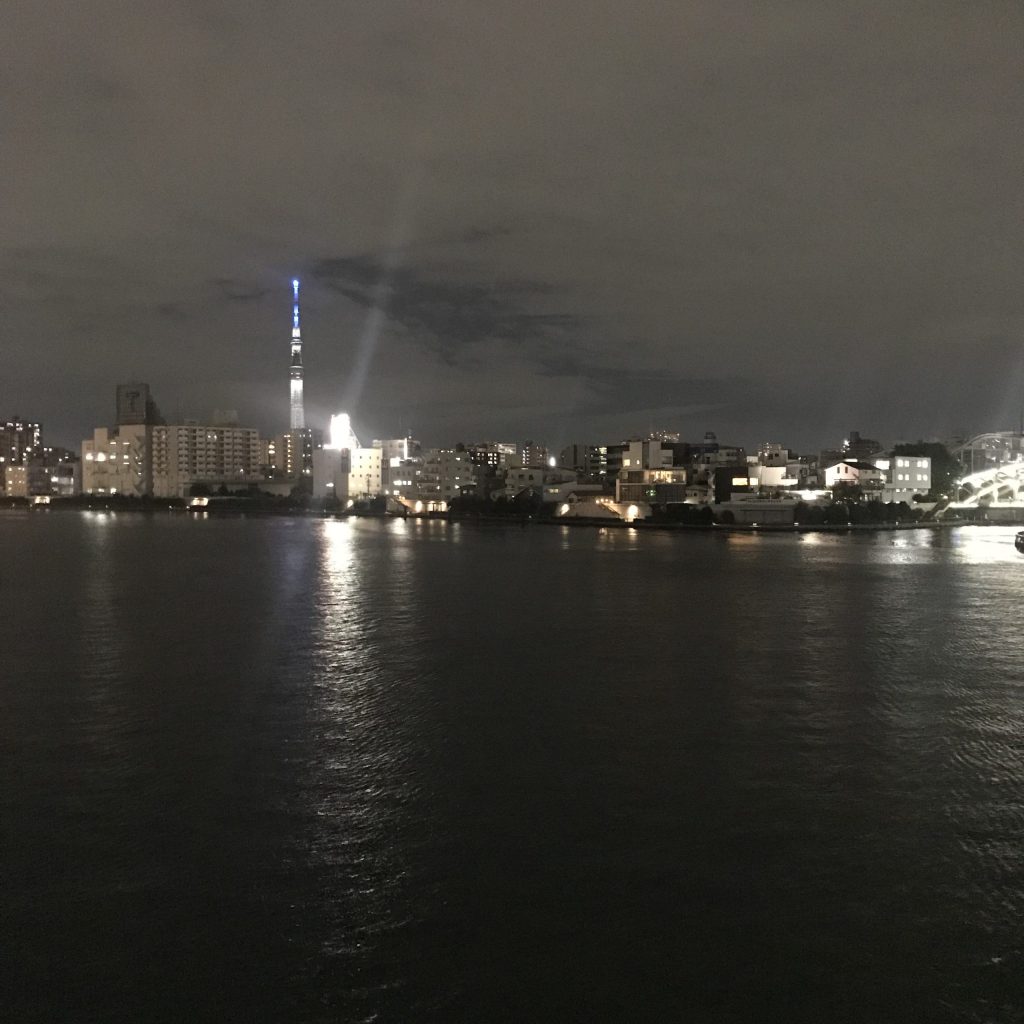
Suitengu (水天宮) isn’t on most first-time Tokyo itineraries, and honestly? That’s part of its magic. Tucked between Ningyocho and the edges of Nihonbashi (a 2-minute walk from Suitengumae Station on the Hanzomon Line), it’s the most famous shrine in Japan for anzan — safe pregnancy and childbirth. Japanese women have been coming here for over 200 years, and on inu no hi (the “day of the dog,” which rotates through the calendar every 12 days), the place is packed with pregnant women in their fifth month receiving their obi belt blessings.
The shrine is open daily from 7:00 AM to 6:00 PM, and entry is free. The amulets (omamori) for safe pregnancy run about ¥1,000–¥2,000. If you’re not pregnant yet but hoping to be, ask specifically for the kosazuke (child-blessing) charm. There’s also a beloved bronze dog statue in the courtyard — rub the puppies for fertility and the mother dog for safe delivery.
One tip: avoid weekends if you want a quiet visit.
The Walk from Ningyocho to Ginza: Don’t Skip It
Most guidebooks tell you to hop the metro back. Don’t. The walk from Suitengu to Ginza takes about 25 minutes if you’re not pregnant, maybe 40 if you are (factor in bathroom stops — there’s a clean one in COREDO Muromachi). The route takes you through Nihonbashi, across the historic bridge, and straight into the northern edge of Ginza’s jewelry district.
The neighborhood smells like roasted senbei crackers from the shops on Amazake Yokocho, and you’ll pass tiny taiyaki stands where you can grab a fish-shaped pancake stuffed with sweet red bean for ¥200. (Tip for expecting moms: the anko paste is generally safe, but skip the matcha-cream versions if your doctor warned you about caffeine.)
Ginza’s Jewelry District: A Piece for Every Milestone
Ginza has been Tokyo’s jewelry heartland since the Meiji era, and what most travelers don’t realize is that you don’t need a Mikimoto-pearl budget to participate. Yes, the flagship Mikimoto building on Chuo-dori is dazzling — and if you want to splurge on a single pearl pendant to commemorate your pregnancy, this is the place.
But here’s the secret most travel writers miss: behind the main avenue, on the smaller backstreets between Ginza 1-chome and 4-chome, are family-run ateliers where Japanese craftspeople have been making jewelry for generations. Ginza Tanaka (on Chuo-dori, near Exit A9) specializes in gold and has gorgeous baby-themed charms, including a tiny gold omamori-shaped pendant for around ¥15,000.
For something more contemporary, try K. Uno in the Ginza Inz building, where you can design custom pieces. They specialize in birthstone jewelry, and the staff speak excellent English. One option is a pendant with a birthstone (such as peridot) embedded in a tiny silver crane — the symbol of longevity and protection in Japanese culture. A piece like this costs about ¥45,000 and takes six weeks to ship, and they handle international delivery beautifully.
Most jewelry shops in Ginza open around 11:00 AM and close by 8:00 PM. Avoid Sundays when Chuo-dori becomes a pedestrian zone — beautiful, but if you’re tired from pregnancy or pushing a stroller, the crowds can be exhausting.
The Cultural Layer Most Tourists Miss
There’s a tradition worth knowing about, because it might

Tokyo : Nihonbashi Local Food and Culture Walking Tour
from $25 · 2h · Free cancellation
Disclosure: some links on this page are affiliate links. If you book through them, dokey.tokyo may earn a small commission at no extra cost to you.