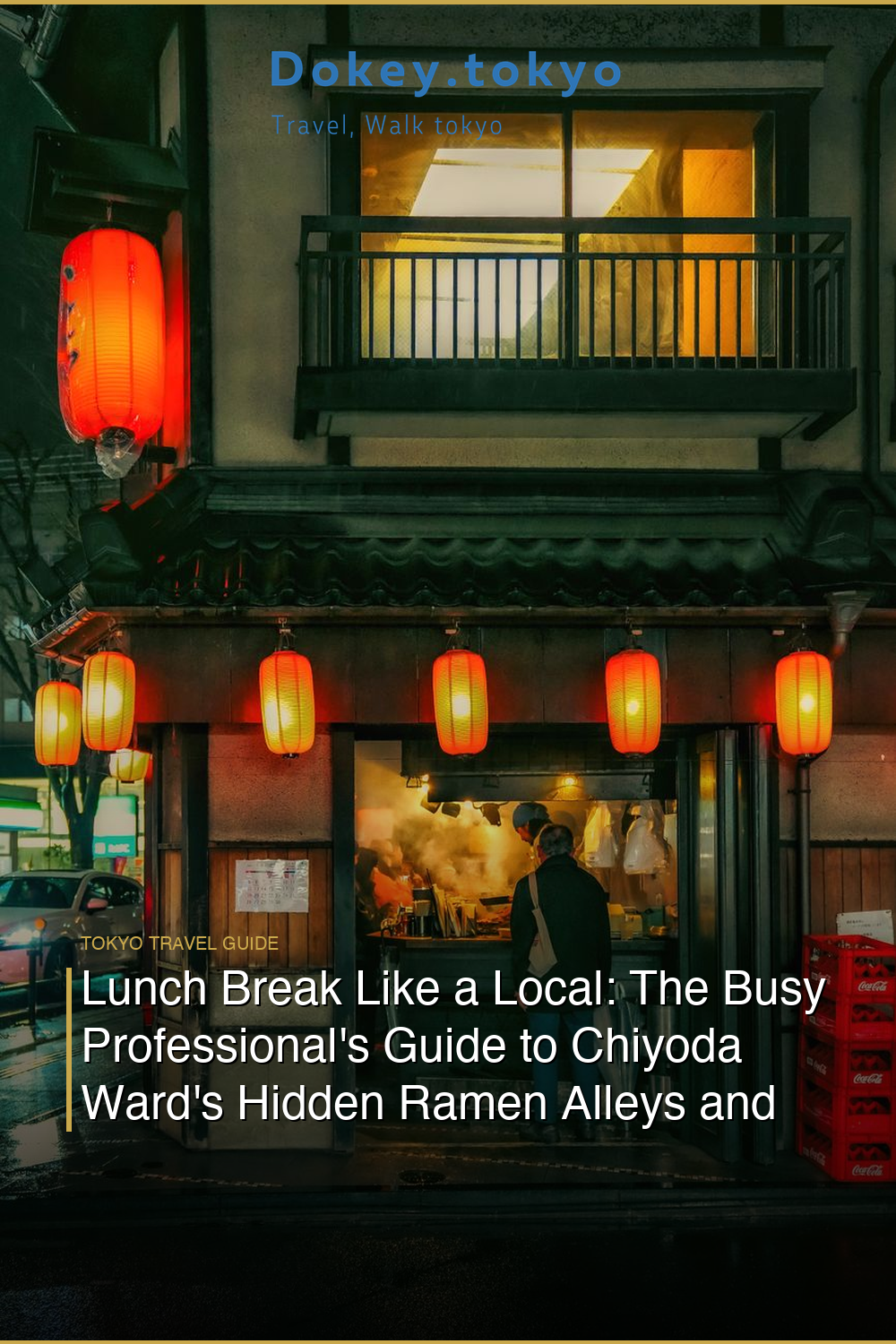
You have exactly 60 minutes. Your next meeting is at 2 PM, your hotel is near Tokyo Station, and you are absolutely not eating a convenience store onigiri again. I’ve been in that exact situation more times than I can count — blazer on, phone buzzing, desperately hungry — and Chiyoda Ward taught me that a one-hour lunch window is actually plenty of time to eat something extraordinary, if you know where to walk.
The first time I rushed out of Marunouchi’s glass towers at 12:15 on a Tuesday, the heat hit me like a wall and the smell of dashi broth drifting up from a basement staircase stopped me dead in my tracks. I almost walked past it — there was no sign in English, just a small red lantern swaying in the air-conditioned exhaust, and the sound of ceramic spoons hitting bowls in a fast, businesslike rhythm. That basement changed how I eat in Tokyo forever.
Why Chiyoda Ward Is a Business Traveler’s Secret Food Paradise
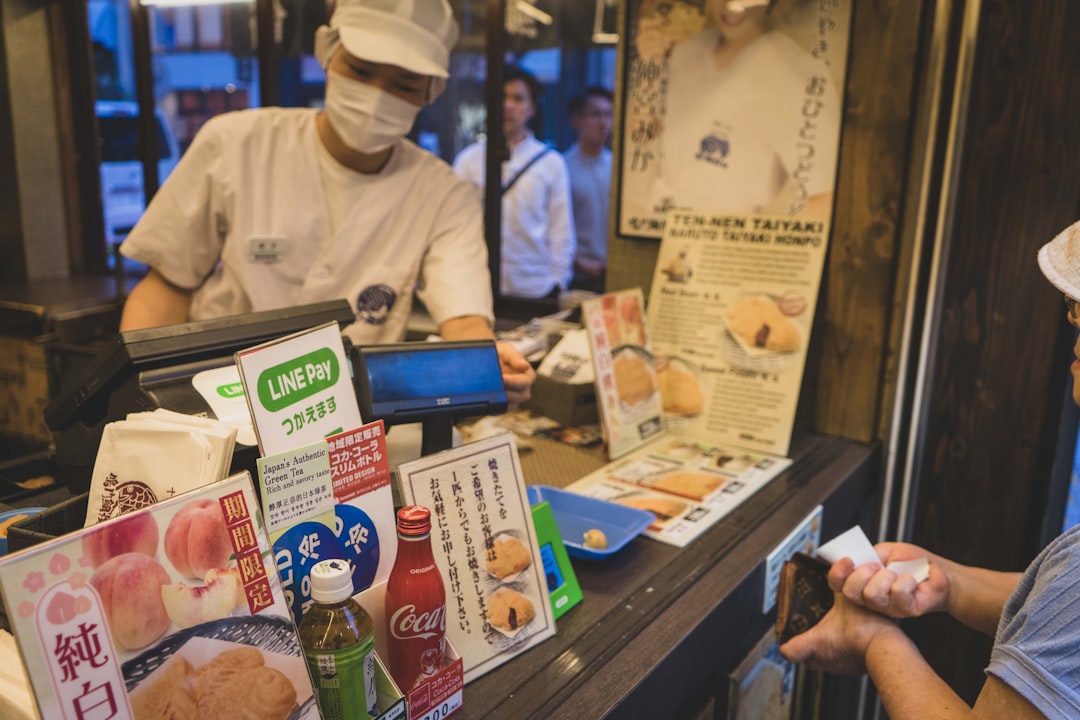
Most food guides point you toward Shibuya or Shinjuku. But Chiyoda — home to the Imperial Palace, the financial corridors of Marunouchi, and the labyrinthine exits of Tokyo Station itself — feeds an army of Japanese salarymen every single weekday. These are people who eat lunch seriously, eat it fast, and refuse to eat it badly. The infrastructure built around their habits is, quietly, some of the best value and most authentic eating in the entire city.
The trick is knowing where to descend. Most of the best spots are underground, tucked into the basement floors of office buildings, or hidden in the narrow lanes that slice between the tower blocks east of the station near Otemachi and Hibiya.
The Ramen Alleys You Need to Know
🗾 Book on Viator: Tokyo food walking tour with tastings →
Ramen Street Inside Tokyo Station (B1, Yaesu Side)
Yes, everyone knows Tokyo Station’s Ramen Street exists — but most tourists do it wrong. They go at 7 PM when queues snake around the corner. Go at 11:30 AM, the moment it opens for lunch service, and you will walk straight to the counter. I always target Fuunji or Soranoiro Nippon first, depending on whether I want a tsunamen (dipping noodles) or a vegetable-forward broth. At Soranoiro, I once asked the chef — a compact man with an immaculate white towel tucked in his apron — which bowl he personally ate for staff meal. He pointed wordlessly to the clam-based shio ramen, the quietest item on the menu. It cost ¥980 and tasted like the ocean had been concentrated into a single cup.
Otemachi Underground: The Salaryman’s Real Canteen
Walk five minutes northwest from Tokyo Station’s Marunouchi exit, descend into the Otemachi Financial City complex, and you’ll find a basement food hall that almost no tourist ever enters. It’s called Otemachi One’s underground dining floor, and at 12:10 PM it is a perfectly choreographed storm of people in suits. The ramen counter here — a rotating tenant that as of my last visit was running a Hokkaido-style miso operation — serves bowls with slabs of chashu pork so thick they hang over the rim of the bowl. You sit elbow-to-elbow with people running billion-dollar portfolios. Nobody talks much. Everyone eats with total focus. It is, genuinely, one of my favourite lunch atmospheres on Earth.
Hibiya’s Hidden Lane: Naka-dori’s Secret Soba Spots
If ramen feels too heavy for a midday business meeting, walk south through the Naka-dori boulevard (Marunouchi’s beautiful tree-lined promenade) and cut left into the narrow service alleys behind the Hibiya Midtown complex. There are three or four tiny soba shops squeezed in here that open only for weekday lunch service — 11:30 to 1:30, cash only, no reservations. Soba Hasegawa (the one with the hand-painted wooden sign barely visible at elbow height) serves a cold zaru soba with a dipping broth so intensely smoky with katsuobushi that it smells like a campfire made of the sea. Order a side of duck-fat yakitori if it’s on the daily board. Eat standing at the narrow shelf along the wall. Be done in 25 minutes.
Practical Tips for the Time-Pressed Business Traveler
🎫 Book on Klook: Hidden Food Alleys Tokyo →
The 11:30 Rule Is Non-Negotiable
Every spot worth eating at in Chiyoda Ward hits capacity between 12:00 and 12:45. Japanese office workers are extremely punctual about their lunch breaks. If you arrive at noon, you’re queuing. If you arrive at 11:30 when doors open, you’re seated immediately and out before the rush hits. Set your phone alarm. Treat it like a flight.
Cash, IC Card, or Card?
Carry ¥2,000 in cash every single day. The underground soba spots and older ramen counters in Chiyoda are still firmly cash-only. Tokyo Station’s Ramen Street now accepts IC cards (Suica/Pasmo), which is faster than fumbling with bills when you’re watching the clock. The newer Otemachi food halls accept credit cards. But the cash backup will save you at least once per trip — I promise.
How to Order Without Speaking Japanese
Nearly every decent ramen and soba spot in this area uses ticket vending machines (自動券売機) at the entrance. Push the button with the photo that matches what the person next to you ordered. Hand the ticket to the person behind the counter. Sit where they point. This system was designed for speed, and it will absolutely work in your favour. If a menu is entirely in kanji with no photos, look for the number ①. The first menu item is almost always the house special and the safest, most confident order you can make.
Best Lunch Spots by Time Budget
- Under 20 minutes: Standing soba in the Hibiya alleys or any of the eki-soba counters inside Tokyo Station’s basement passages
- 20–35 minutes: Ramen Street counter (arrive at opening), Otemachi underground ramen
- 35–50 minutes: A proper seated bowl with gyoza and a beer at Marunouchi Ramen near the Brick Square — yes, the beer is fine at lunch, you’re in Japan
What to Eat Beyond Ramen
Chiyoda’s lunch culture isn’t only noodles. The basement of Kitte Marunouchi (the stunning converted post office building directly beside Tokyo Station’s Marunouchi South exit) houses a spectacular food hall where I once ate a black sesame mazesoba that turned my mouth entirely grey and made me embarrassingly happy. The teishoku (set meal) counters on the upper floors of buildings around Otemachi serve grilled fish, miso soup, rice, and pickles for ¥900–¥1,200 — the kind of complete, balanced meal that sustains you through an afternoon of back-to-back meetings in a way that no airport sandwich ever could.
For a quick sweet finish, the Andersen bakery in the underground passage between Tokyo Station and Otemachi serves a curry bread (カレーパン) that’s been fried to a perfect dark-gold shell. I eat one almost every trip. Standing up. Over a paper bag. No shame.
The Atmosphere You’re Actually Walking Into
🗾 Book on Viator: Tsukiji Market food tour near station →
I want to be honest with you about what Chiyoda Ward’s lunch scene feels like, because it matters. This isn’t the relaxed, wander-and-discover vibe of a weekend market. It’s purposeful, efficient, and slightly exhilarating — like being absorbed into a city that has perfected the art of feeding itself without wasting a second.
On my last visit, I sat at a seven-seat counter at 11:45 AM, the only foreigner in the room, watching a woman in a grey suit eat tonkotsu ramen with the focused serenity of someone meditating. She finished, placed her tray on the return shelf, bowed slightly to no one in particular, and walked back out into the Tokyo morning like the whole thing had taken four minutes. The broth in my own bowl was cloudy white, the noodles were springy and tight, and the chashu had been torched at the edges so it tasted faintly of caramel. I looked at my phone: 11:58. I had 62 minutes left before my afternoon call. I ordered a second bowl.
When to Do This Food Tour
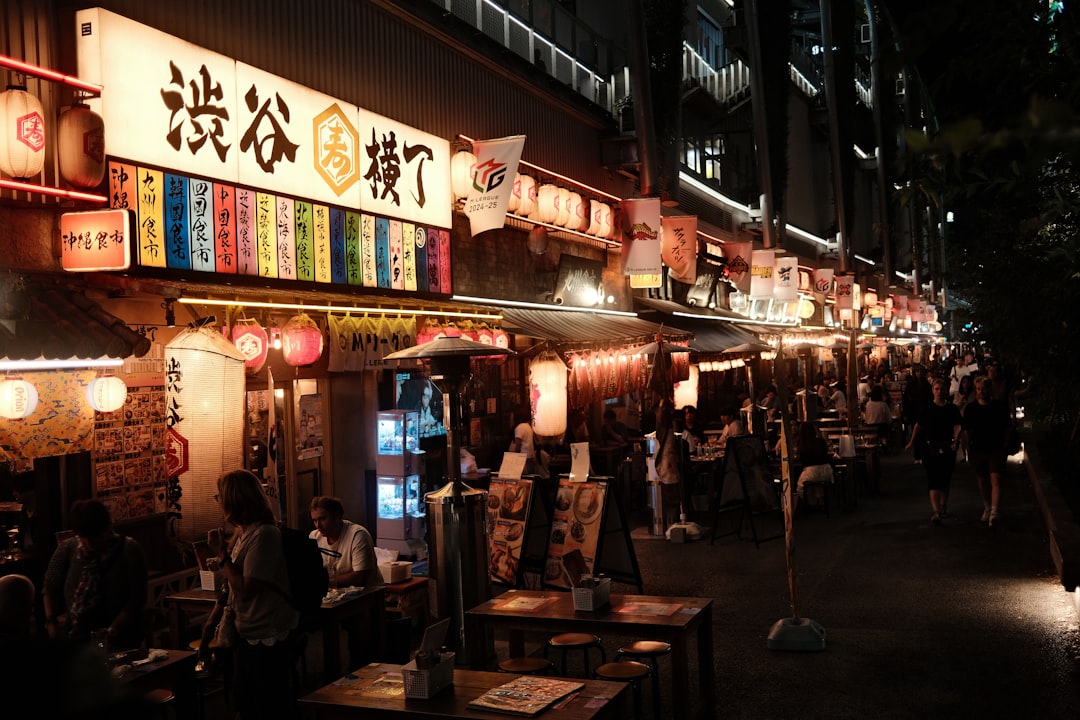
Weekdays only — and I mean that seriously. The entire lunch ecosystem of Chiyoda Ward shuts down or dramatically reduces capacity on weekends. The salarymen disappear, and half the counters simply don’t open. If you’re visiting on a Saturday or Sunday, redirect to Tsukiji Outer Market or the depachika (department store basement food halls) instead.
The best season for this walk is October through April, when the weather is cool enough to enjoy a steaming bowl of ramen without immediately needing to change your shirt. Summer in Tokyo is brutal, and Chiyoda’s underground passages become your best friend — mercifully air-conditioned, packed with good food, and zero humidity.
Bring your appetite, your IC card, your most comfortable business-casual shoes, and exactly one hour. Chiyoda will do the rest.
Ready to experience it?
🗾 Book on Viator: Ueno food tour with Japanese classics →