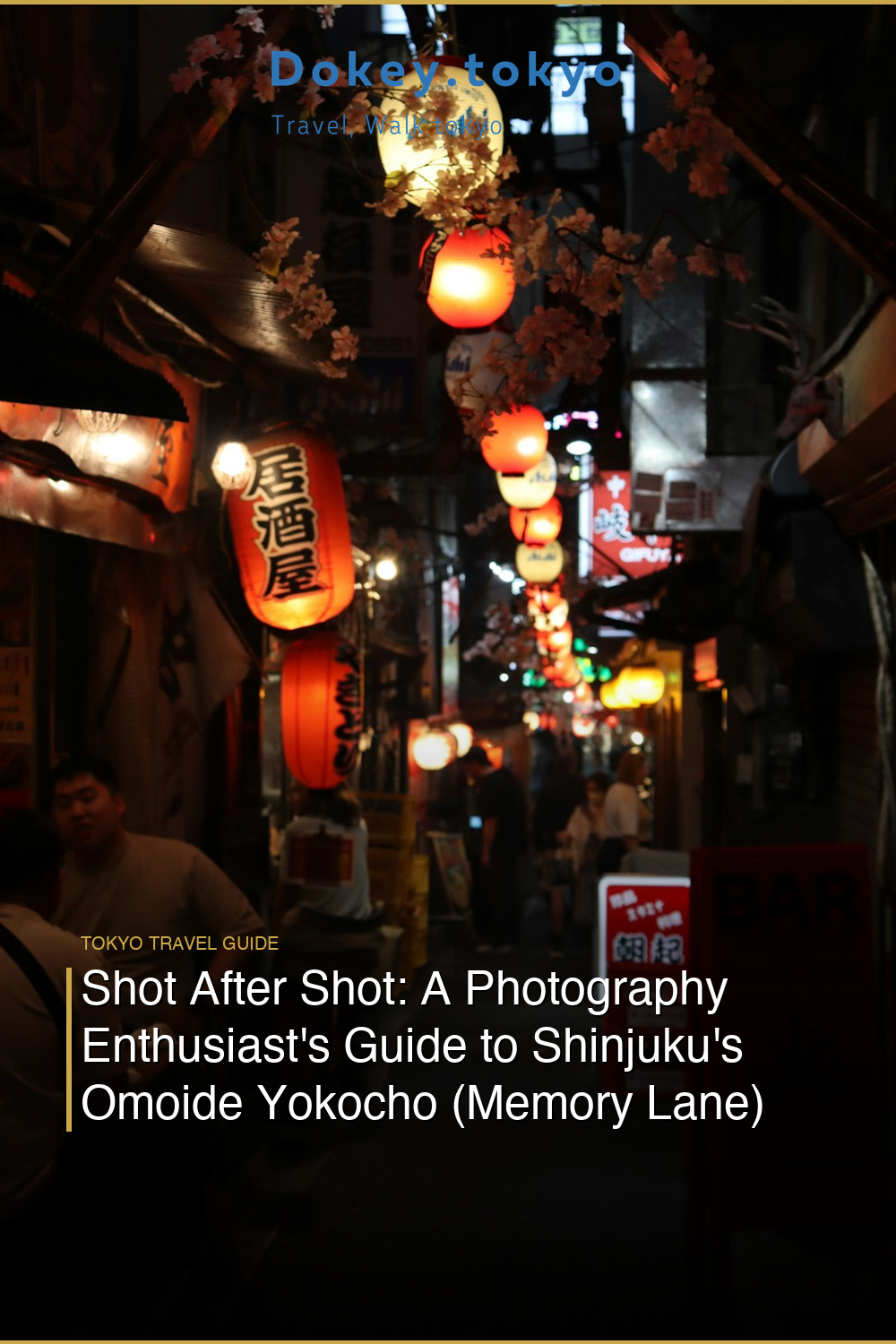
There are places in the world that seem custom-built for a camera sensor — where the light, the texture, and the raw human energy conspire to make every frame feel like a film still. Omoide Yokocho, the narrow alley wedged between Shinjuku Station’s west exit and the elevated JR tracks, is absolutely one of those places. Locally known as ‘Memory Lane’ — or less politely as ‘Piss Alley,’ a nickname earned from its post-war street stall origins — this 200-meter strip of barely-shoulder-width lanes is crammed with roughly 60 tiny izakayas, each one glowing amber and indigo under a haze of yakitori smoke. For a photographer, it isn’t just a dinner destination. It’s a living, breathing diorama of mid-20th-century Tokyo that somehow survived skyscrapers, earthquakes, and the relentless march of modern Japan.
I first turned the corner into Omoide Yokocho on a drizzly Tuesday in October, around 7:30 PM, and the effect was immediate and almost physical. The smell hit me first — sweet soy glaze caramelizing over charcoal, threaded with cigarette smoke and something fermented and sharp. Then the sound: the hiss and spit of skewers hitting grills, the clatter of ceramic cups, the warm overlap of a dozen conversations spilling out of open-front stalls no bigger than a garden shed. My mirrorless camera was already in my hand, and I just stood there for a full minute, not shooting, just absorbing the fact that this was real.
Why Omoide Yokocho Is a Photographer’s Dream
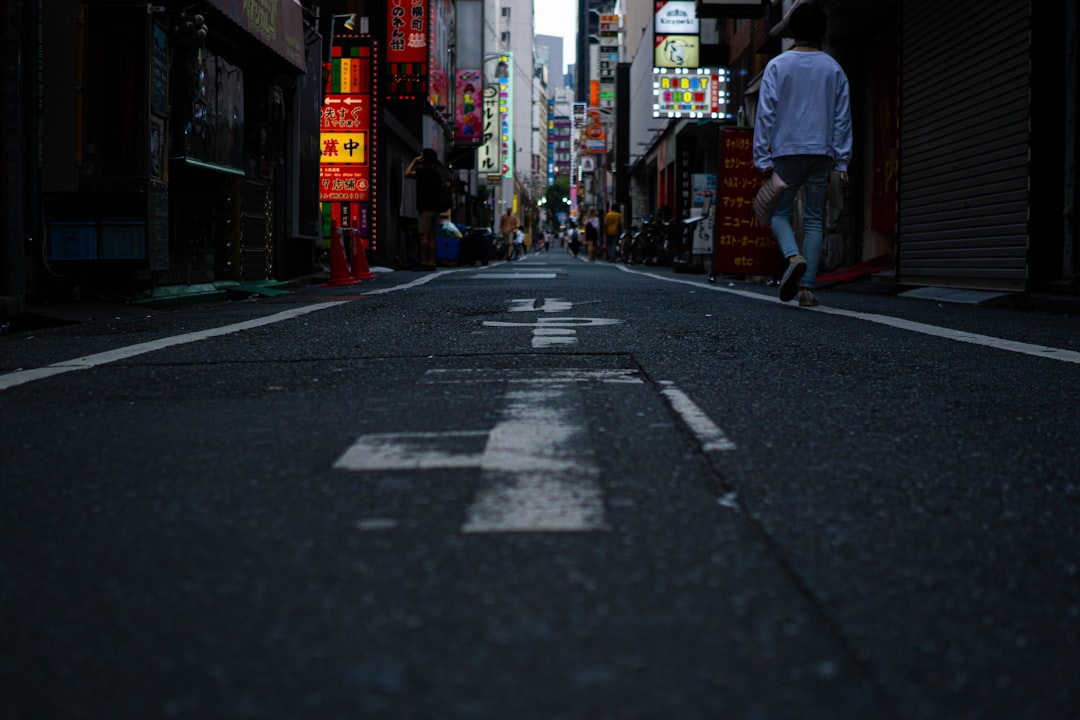
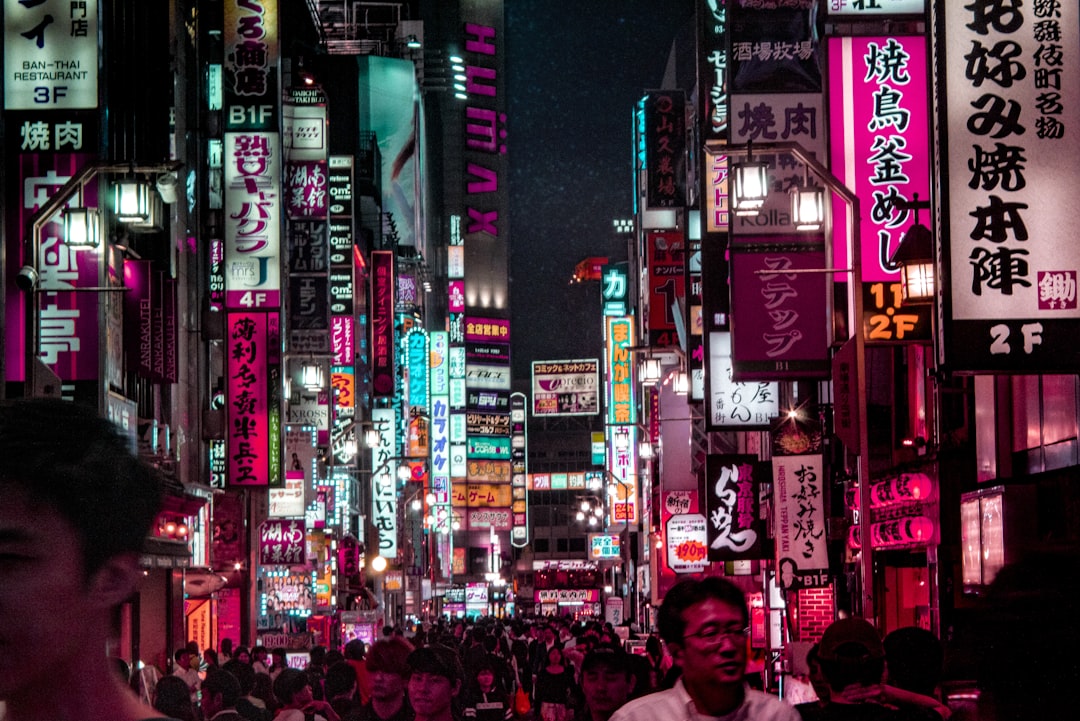
The alley’s photographic appeal comes from a convergence of elements that most urban scenes can’t offer simultaneously: extreme compression, layered light sources, rich color contrast, and unguarded human moments. The lanes are so narrow — roughly one meter across in the tightest sections — that a 35mm or 50mm prime lens on a crop-sensor body will give you the intimate compression of a medium telephoto without you needing to move more than a few steps. Storefronts are lit by a combination of red paper lanterns, bare Edison bulbs, flickering neon kanji signs, and the actual orange glow of open charcoal grills. That layering of warm and cool light at golden hour to blue hour transition (roughly 6:00–8:00 PM) is essentially free HDR photography without the artificiality.
The subjects are equally compelling. Salarymen loosening their ties after brutal workdays, couples leaning in across wooden counters the width of a school desk, lone travelers nursing a cold Sapporo, and the izakaya masters themselves — many of them decades into the same six-seat establishment — make for portraiture that feels both timeless and specific to this exact postal code on Earth.
Gear Recommendations for the Alley’s Conditions
Go Light, Go Fast
Leave the tripod at the hotel. Seriously. The lanes are too narrow, too crowded, and frankly, setting up a tripod in front of someone’s grill while they’re trying to serve customers is exactly the kind of behavior that gives tourists a bad name. Instead, prioritize a camera with strong in-body image stabilization (IBIS) and pair it with a fast prime — an f/1.8 or f/2 lens will let you shoot handheld at ISO 1600–3200 without losing sharpness. I personally shoot with a Sony A7C and a Voigtländer 35mm f/2, and that combination handles the low-light chaos beautifully.
Shoot in RAW + JPEG
The mixed color temperatures in Omoide Yokocho will confuse any auto white balance algorithm. Shoot RAW so you have full control in post. The warm tungsten glow of the stalls against the cooler blue of the open night sky above the alley creates a natural contrast that looks spectacular when you pull the highlights down and let the shadows breathe in Lightroom.
Consider a Compact or Film Camera
If you shoot film or own a compact like a Ricoh GR or Fuji X100 series, this is the ideal environment for it. The grainy, high-contrast aesthetic of street photography marries perfectly with Memory Lane’s aesthetic. Several evenings I shot alongside a Japanese photographer who was using a battered Nikon FM2 loaded with Kodak Ultramax 400, and his prints — which he showed me later on Instagram — looked like they were taken in 1985, in the best possible way.
The Best Shots You’ll Actually Get (And Where to Find Them)
The Entrance Shot at Dusk
The most iconic image of Omoide Yokocho is shot from just inside the main entrance on the north side, looking down the alley toward the illuminated tangle of signs and smoke. The best window for this shot is the 20-minute window between civil twilight and full dark — roughly 6:20–6:40 PM in autumn, slightly later in summer. At this moment, the sky above the gap in the rooftops turns a deep cobalt blue that perfectly counterbalances the warm amber of the stalls. Use a wide aperture and let the foreground go slightly soft to draw the eye into the receding corridor of light.
Counter-Level Portraits
Ask permission before shooting anyone up close — a smile and a gesture toward your camera almost always works, and many of the stall owners are genuinely happy for the attention. Once you’re seated at a counter (more on that below), you’re at the perfect height to shoot your food, your drinks, and the grill master’s hands in the same frame. The depth of field at f/2 at counter distance will separate a pair of yakitori skewers sharply from a beautifully bokeh’d face behind them.
The Rain Frame
If you’re lucky enough to visit on a light-rain evening — and October through early December gives you reasonable odds — don’t retreat. The wet cobblestones and puddles in the alley create reflections of the neon signs that double your compositional material. I once spent 45 minutes shooting a single puddle reflection outside a standing-room stall, and it produced my single favorite photograph from 12 trips to Tokyo.
Eating and Drinking Your Way Through the Alley
🗾 Book on Viator: Best Shinjuku Izakayas: 14+ Tastings →
You cannot photograph Omoide Yokocho respectfully without also becoming a customer. The right approach is to eat at one or two stalls and drink slowly, earning your time and your angles.
Most stalls specialize in yakitori — grilled chicken skewers in various cuts, from thigh (momo) to skin (kawa) to cartilage (nankotsu) — served with cold draft beer or warmed sake. Portions are small and prices are reasonable, typically ¥150–¥350 per skewer. A full evening of eating and drinking at one stall will run you ¥2,000–¥3,500 (roughly $13–$24 USD), which is extraordinary value for the experience. For similar budget-friendly food experiences in Tokyo, you might also explore Tsukishima Monja Alley, where local favorites and reasonable prices create an equally authentic dining atmosphere.
One evening I squeezed into a stall so small it seated exactly five people, and the owner — a woman in her seventies who had been running the same counter for over 40 years — silently placed a skewer in front of me that wasn’t on the laminated menu: chicken liver wrapped in shiso leaf, glazed with a sauce that tasted like it had been reduced for approximately one human lifetime. I pointed at it and said ‘Nani?’ (What is it?) and she just smiled and refilled my beer. I still think about that skewer.
Practical Tips for Photographer-Visitors
Timing Is Everything
The alley opens mid-afternoon but comes alive after 6:00 PM. Weeknights are significantly less crowded than Friday and Saturday evenings — for photographers, Tuesday through Thursday offers the best balance of atmosphere and space to maneuver. Avoid arriving after 9:00 PM on weekends unless you’re comfortable shooting in tight crowds where moving more than half a step in any direction involves negotiating with a stranger’s shoulder.
Be a Guest, Not a Paparazzo
Omoide Yokocho is not a tourist attraction in the theme-park sense. It is a working neighborhood of small businesses run by real people. Photograph respectfully: never shoot directly into someone’s face without acknowledgment, never block a stall entrance, and always, always order something if you’re sitting down. The moments you’ll capture when you’re treated as a welcomed guest rather than a drive-by shooter are infinitely more valuable than anything you’ll snatch from the outside looking in. This same principle applies to other historic neighborhoods like Yanaka Ginza, where respecting local merchants while capturing authentic moments yields the best photographic results.
Getting There
Take the JR Yamanote Line or Chuo Line to Shinjuku Station and use the West Exit. Walk toward the elevated tracks — the entrance to Memory Lane is impossible to miss once you smell the smoke.
One Last Frame Before You Leave
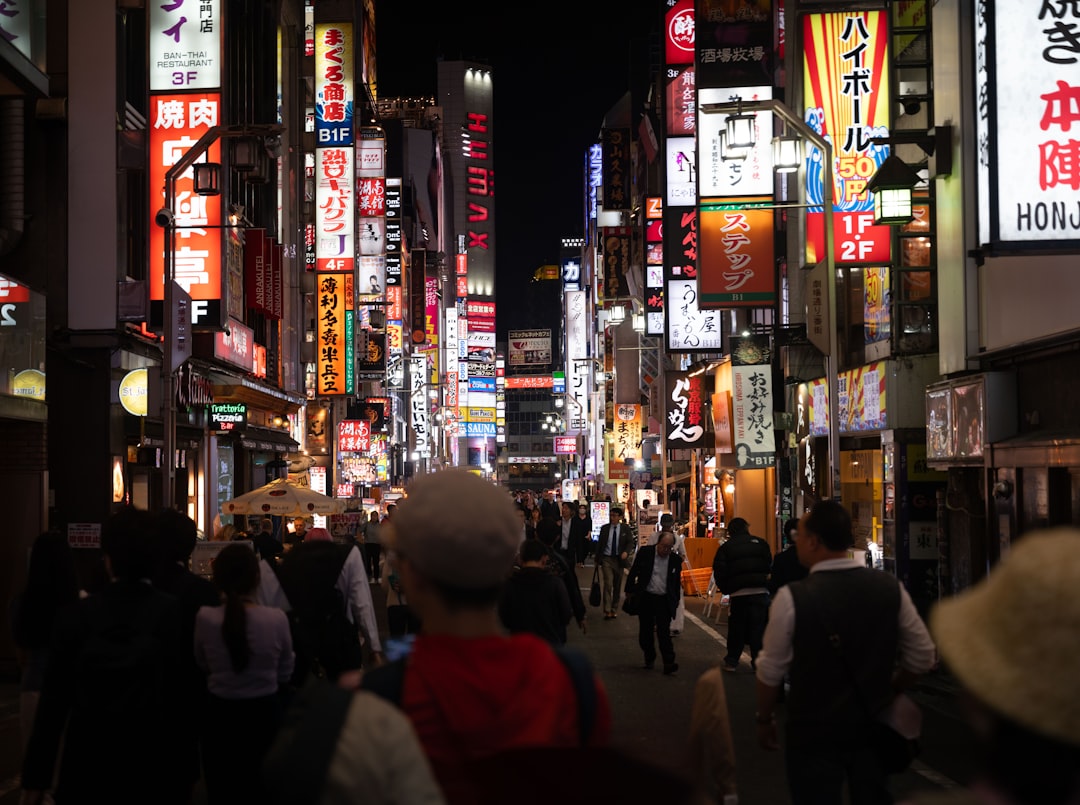
On my most recent visit, I stayed in a stall until just before midnight, when the crowds had thinned and the smoke had settled into a low horizontal layer that caught the lantern light like stage fog. The owner was washing cups in a basin the size of a salad bowl, the radio behind him playing something slow and crackly, and outside, the rain had returned — soft and steady. I raised my camera, composed on the row of empty skewer holders hanging like bare coat hooks above the grill, and realized I wasn’t really trying to capture a photograph. I was trying to hold onto a feeling: that specific, irreplaceable sensation of being somewhere that has no equivalent anywhere else on the planet.
That feeling is what Omoide Yokocho gives you. The photographs are just evidence that it happened.
Ready to experience it?
🗾 Book on Viator: Explore Tokyo at night through your lens →