If someone told you that you could stuff yourself silly in one of Japan’s most legendary food destinations for less than 3000 yen — about 20 USD — you’d probably raise an eyebrow. I raised both of mine the first time I heard it too. But after half a dozen trips to Yokohama Chinatown, I can tell you with absolute confidence: not only is it possible, it’s one of the most delicious budget food adventures you can have in the entire Kanto region. This isn’t about skimping. It’s about eating smart, grazing strategically, and knowing which stalls are worth your yen.
I still remember stepping out of Motomachi-Chukagai Station on a drizzly Tuesday afternoon, the smell hitting me before I even reached the top of the escalator — char siu pork fat, caramelized soy, something deep-fried and irresistible drifting through the humid air. The main gate, Zenrinmon, loomed red and gold against the grey sky, and a vendor near the entrance was already waving skewers of steaming meat in my direction. My stomach growled so loudly the woman next to me laughed.
Why Yokohama Chinatown Is a Budget Traveler’s Dream
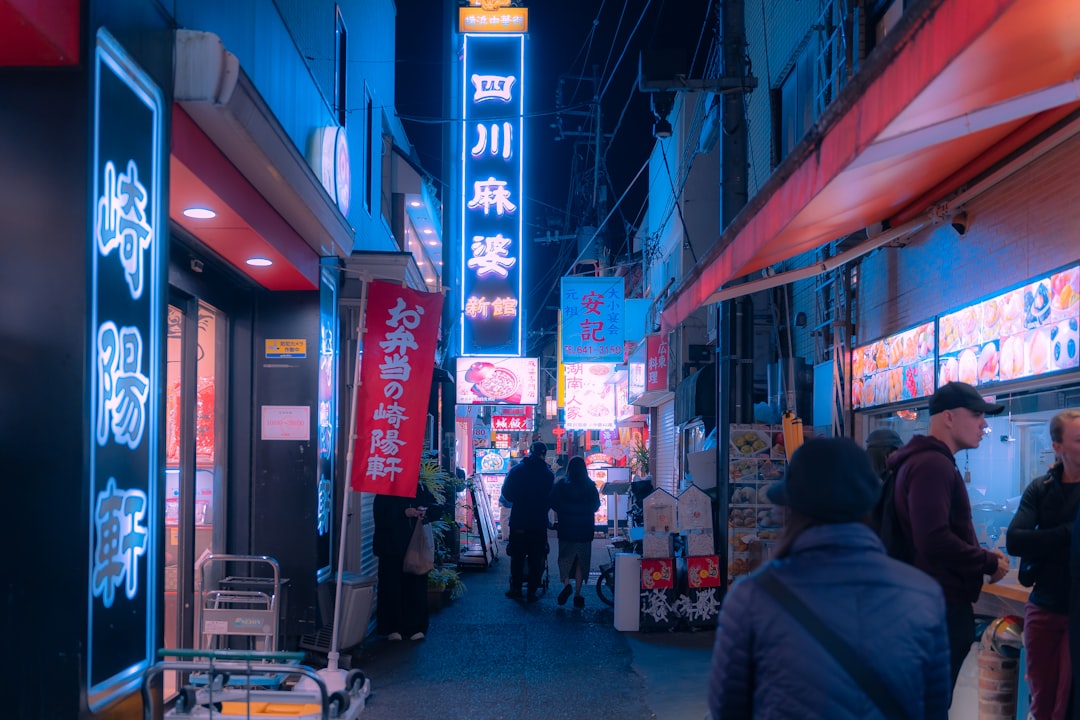
Yokohama Chinatown — or Chukagai as the locals call it — is Japan’s largest Chinatown, crammed into a vibrant grid of roughly 500 shops and restaurants. What most tourists don’t realize is that the street food scene here is tailor-made for grazing. Forget sitting down at a full-course restaurant and watching your budget evaporate. The real magic happens at the open-fronted stalls lining Chukagai Odori and the quieter side lanes, where everything from steamed buns to scallion pancakes costs between 100 and 600 yen per item.
The strategy for your under-3000-yen tour is simple: eat in small portions, walk between bites, and hit five to seven different stalls rather than one big sit-down meal. Think of it as a dim sum crawl on foot. If you’re planning other budget-conscious food explorations around Tokyo, you might also enjoy exploring hidden restaurants and secret shopping on the Fukutoshin Line, which offers similarly affordable eating adventures in other neighborhoods.
Your 3000-Yen Food Tour: Stall by Stall
Stop 1: Juicy Pork Buns at the Main Street Stalls (~350–400 yen)
Your first stop should be one of the steamed bun vendors right along the main drag. The nikuman (pork buns) here are legendary for good reason — softball-sized, pillowy, and absolutely packed with seasoned ground pork and a slick of savory sauce. The ones from vendors near the Zenrinmon gate area tend to have the longest lines, which is always a good sign. Budget around 350–400 yen for a single bun, and yes, one is enough — they’re enormous.
Pro tip from experience: look for stalls that steam their buns in bamboo baskets right in the window rather than plastic steamers. The bamboo-steamed ones have a slightly denser, chewier skin that holds the filling better.
Stop 2: Scallion Pancakes (Cong You Bing) — ~300 yen
Walk a little further east and you’ll hit the vendors selling crispy scallion pancakes pressed on a flat iron griddle right in front of you. These thin, flaky discs of dough loaded with green onions and sesame are the ultimate street snack. At around 300 yen for a generous portion, this is your best calorie-per-yen ratio on the entire street. The sound of that pancake sizzling on the griddle, the scent of toasted sesame wafting outward — it’s basically a sensory alarm clock that tells your taste buds to wake up.
Stop 3: Xiao Long Bao or Gyoza from a Side Street Gem (~500–600 yen)
This is where you need to leave the main street. Budget travelers who stick exclusively to Chukagai Odori miss the quieter lanes — Nanmon-dori and the alleys branching off it — where smaller family-run operations offer better value. Look for hand-folded gyoza or xiao long bao at stalls where the dumplings are visible being crimped right there in the open kitchen. A small order of pan-fried gyoza typically runs 500–600 yen for five or six pieces.
On my third visit, I ducked into a narrow alley off Nanmon-dori after a grandmother in a floral apron made direct eye contact with me and silently tilted her head toward her wok. I had no idea what she was making — turned out to be a plate of wok-fried rice cakes with black bean sauce, not listed on any sign outside, just something she cooked for herself and the occasional curious stranger. It cost me 400 yen and tasted like the best accident I’ve ever had in a foreign city.
Stop 4: Mango Pudding or Sesame Balls for Dessert (~300–400 yen)
After the savory hits, you need something sweet to cleanse the palate. Mango pudding — rich, silky, and served cold in a little plastic cup — is a Chinatown classic that costs around 300 yen at most dessert stalls. Alternatively, hunt down jin deui, the deep-fried sesame balls filled with sweet red bean paste. They come out of the fryer blistered and golden, and at roughly 200–300 yen for two, they’re the most satisfying budget dessert you’ll find on this tour.
Stop 5: Taiwanese Bubble Tea or Soy Milk (~400–500 yen)
You’re going to need something to drink between stops — walking and eating in Chinatown is thirsty work. Skip the chain cafes and look for the small Taiwanese-style drink stalls offering fresh soy milk or classic bubble tea. A cup runs 400–500 yen and lasts you through the rest of your walking tour. For those who prefer to work while exploring, Tokyo has excellent cafes with fast WiFi scattered throughout the city if you need a proper sit-down break.
Practical Budget Tips for the Chinatown Food Crawl
Best Time to Visit
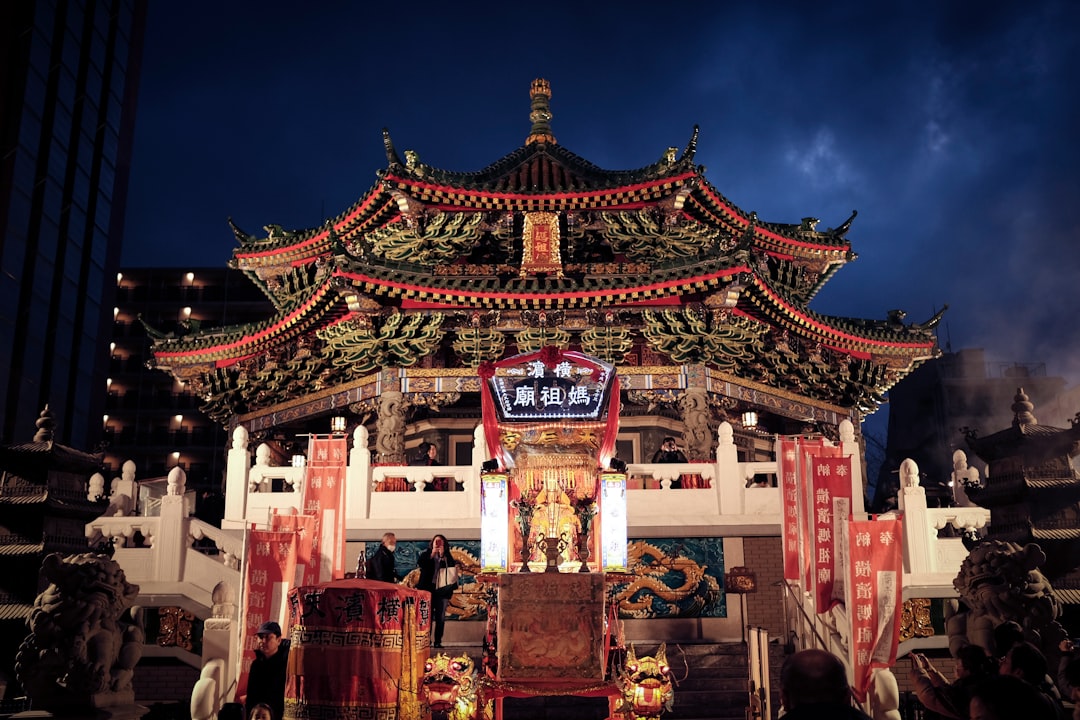
Weekday afternoons between 2 PM and 4 PM are the sweet spot for budget travelers. Weekend crowds drive up wait times but also — crucially — mean vendors are less likely to negotiate or throw in a little extra. On quieter weekday afternoons, I’ve had vendors toss an extra dumpling into my bag with a wink or offer a small taste before I committed. The light is also beautiful in late afternoon, the red lanterns glowing warmer as the sun drops.
Cash Is King
Most street stalls in Yokohama Chinatown operate cash-only. Bring crisp ¥1000 bills broken into smaller change. Fumbling with cards or large bills at busy stalls will slow you down and mildly irritate the vendor. ATMs are available at the convenience stores just outside the main Chinatown gates.
Know What to Skip
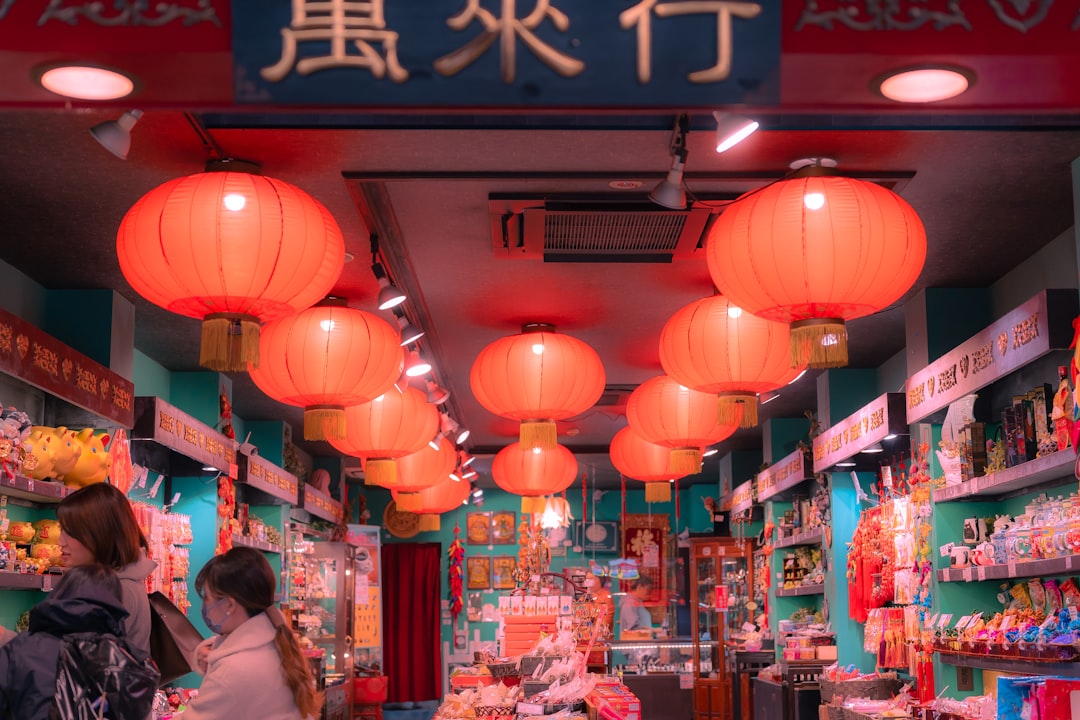
The big buffet-style Chinese restaurants plastered with signs advertising “all-you-can-eat” deals are almost always marketed at tourist groups and priced well above 3000 yen per person. They’re not bad, but they’re not what we’re here for. Also skip the overpriced packaged souvenir goods lining the entry streets — tempting, but they’ll eat through your food budget fast. For authentic souvenir shopping at better prices, consider visiting Senso-ji and Nakamise, another Tokyo destination known for quality local treats.
Getting There Without Breaking the Bank
From Shibuya or Shinjuku, take the Tokyu Toyoko Line direct to Motomachi-Chukagai Station. From Tokyo Station, the JR Negishi Line to Ishikawacho Station is equally convenient. Either option costs under 700 yen round trip and drops you within a two-minute walk of the Chinatown gates.
Mapping Your Budget
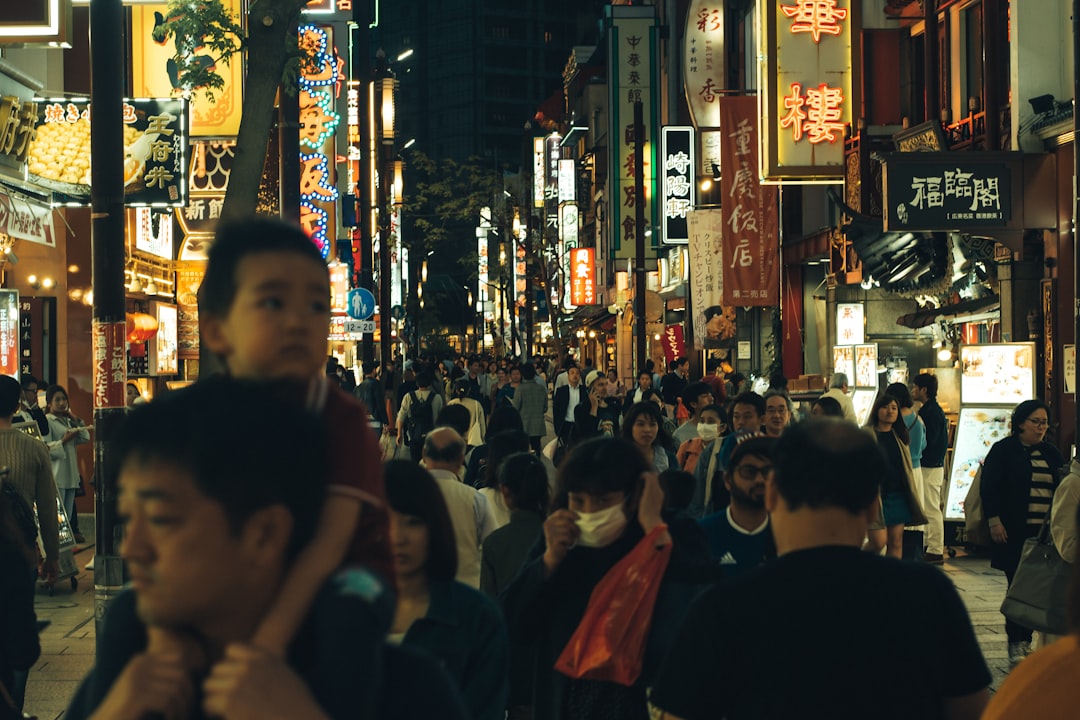
Here’s a rough tally for a satisfying full circuit:
- Pork bun: 380 yen
- Scallion pancake: 300 yen
- Gyoza or dumplings: 550 yen
- Sesame balls x2: 300 yen
- Mango pudding: 300 yen
- Bubble tea or soy milk: 450 yen
Total: approximately 2280 yen — leaving you a comfortable 700-yen cushion for a spontaneous extra bite or a small bag of Chinese preserved plums to take home.
It was nearly 5 PM when I sat on a low stone wall near the Gyokuken gate at the south end of Chinatown, cradling a warm paper cup of soy milk in both hands. The lanterns above the lane had just flickered on, casting everything in a wash of amber and red, and a group of elderly men nearby were playing mahjong on a folding table, the clatter of tiles mixing with Mandarin pop music drifting from an open shopfront. My fingers were greasy from the last gyoza I’d finished ten minutes earlier, and I was entirely, completely satisfied — on 2400 yen.
Final Thoughts for Budget Travelers
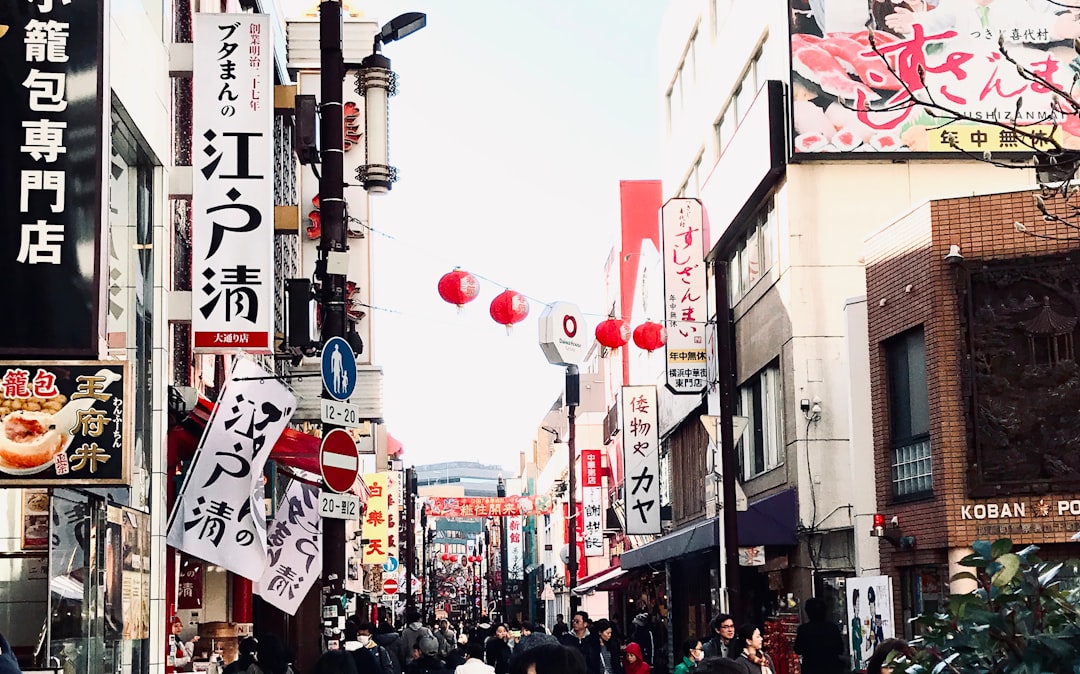
Yokohama Chinatown is proof that the best food experiences in Japan don’t require a reservation or a big budget. They require curiosity, a willingness to follow your nose down a side alley, and enough restraint not to fill up on the first stall you see. Come hungry, bring cash, stick to the streets rather than the sit-down restaurants, and treat the whole afternoon as a slow, delicious wander. Your wallet will thank you. Your stomach will thank you even more.
Ready to experience it?