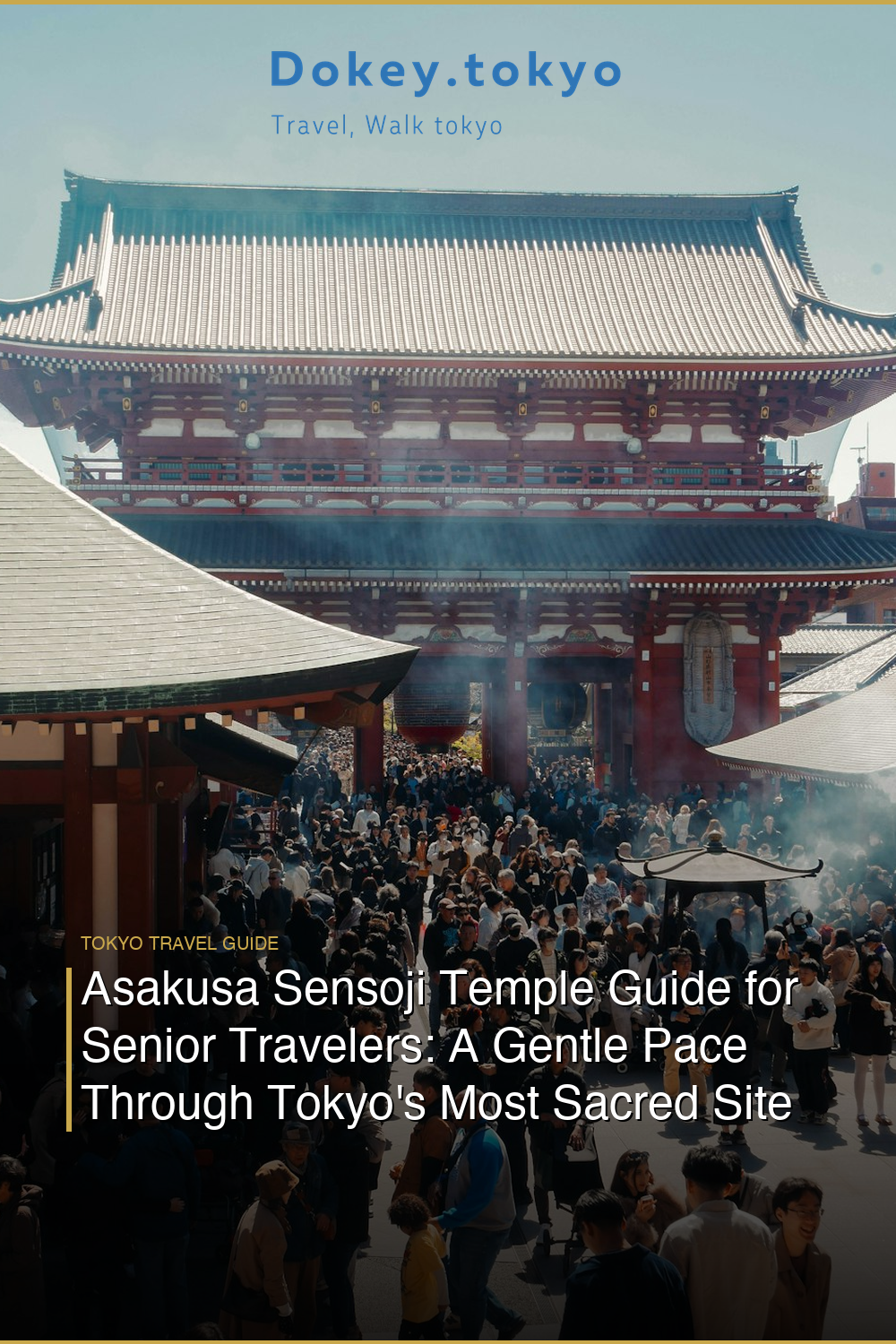
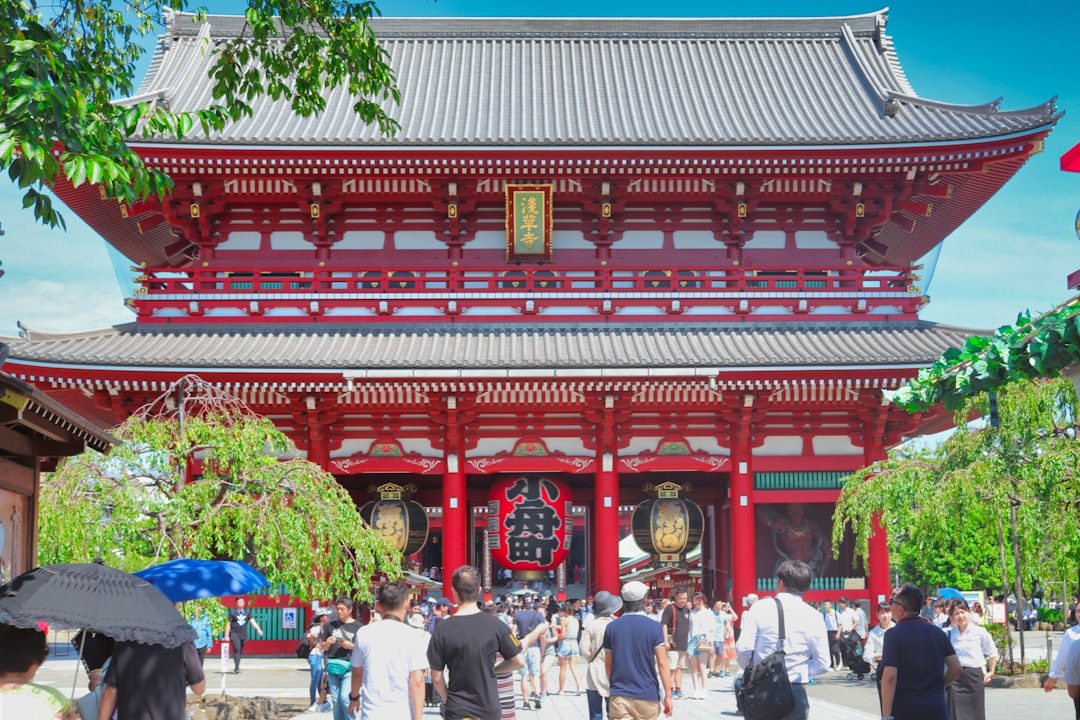
There is a particular kind of magic that happens when you arrive at Sensoji Temple just as the morning mist is still clinging to the Nakamise shopping street and the incense smoke curls upward in slow, lazy spirals. This is Tokyo’s oldest temple — over 1,400 years old — and yet somehow it never feels like a museum piece. It feels alive. It breathes. And here is the beautiful secret that most travel guides miss entirely: Sensoji is actually one of the most senior-friendly major attractions in all of Japan, if you know when to go, where to rest, and how to move through it with intention rather than urgency.
I still remember my very first early morning visit vividly. I arrived just after 6:30 a.m. on a cool October Tuesday, and the air smelled of cedar smoke and something faintly sweet — sesame, I later realized, drifting from a vendor setting up their ningyo-yaki stall. The great Kaminarimon gate, with its iconic red paper lantern, was almost completely empty. A elderly Japanese woman in a lilac kimono stood directly beneath it, eyes closed, perfectly still. That image has never left me.
Why Sensoji Is Perfect for Senior Travelers
🎫 Book on Klook: Asakusa Sensoji Temple Tours →
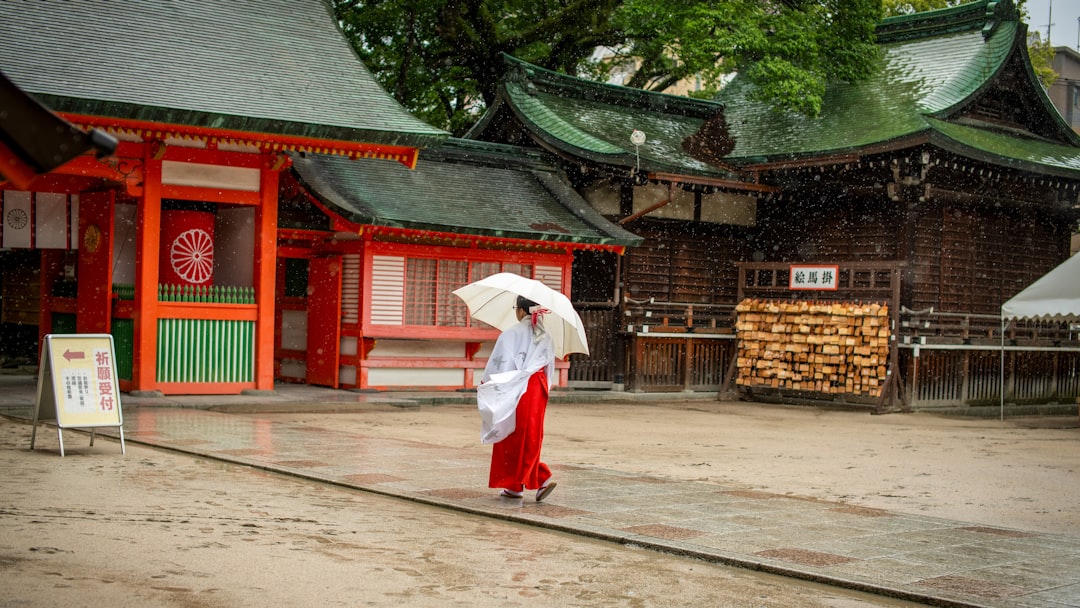
Let me be honest with you the way I would be with my own parents. Some famous Tokyo attractions are genuinely exhausting for travelers over 65 — think Shibuya Crossing, the multi-story electronics maze of Akihabara, or the relentless hills of Yanaka. Asakusa and Sensoji are different. The temple complex itself is almost entirely flat and paved. The approach along Nakamise-dori is wide and pedestrian-only. Rest benches are plentiful. And the spiritual atmosphere naturally encourages people to slow down and be present, which means you will never feel out of place for taking your time.
The main path from Kaminarimon gate to the main hall is approximately 250 meters — a gentle, manageable walk even for those with mild mobility concerns. Wheelchairs are available to borrow free of charge at the Asakusa Tourist Information Center, located just outside the gate. I cannot stress enough how thoughtful this service is, and how rarely travel writers mention it.
How to Structure Your Morning at Sensoji
🗾 Book on Viator: Asakusa Temple & Tokyo Highlights Privat →
Arrive Before 8:00 a.m. — This Changes Everything
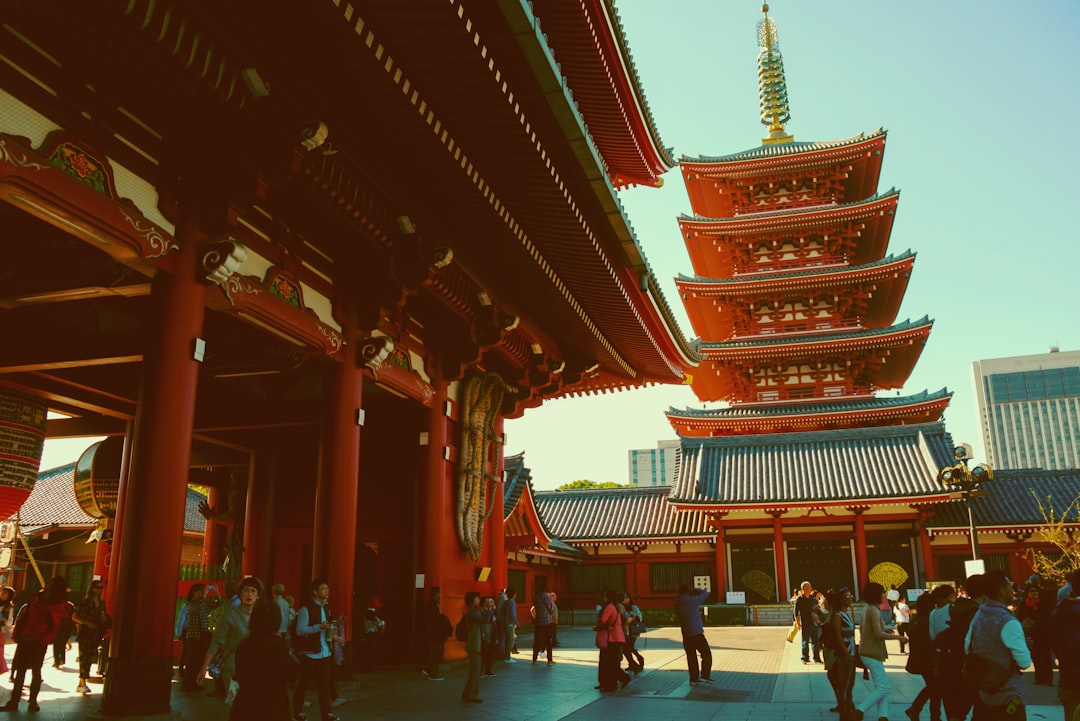
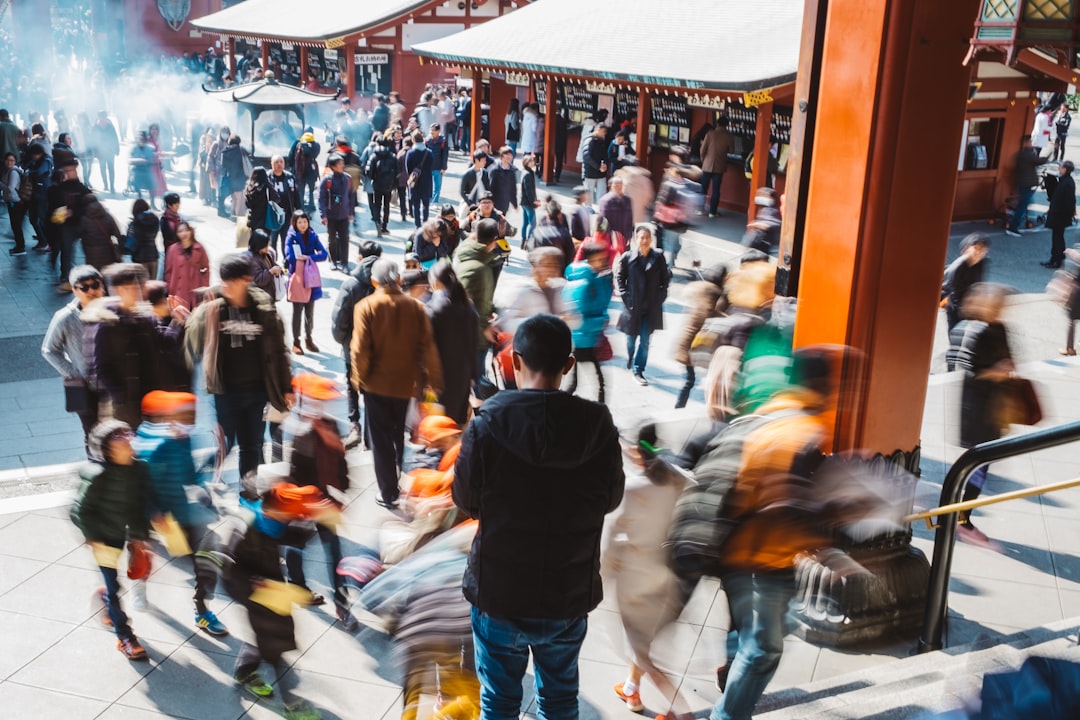
If you take only one piece of advice from this entire guide, let it be this: arrive early. Between 6:00 and 8:00 a.m., Sensoji belongs to locals — elderly residents doing their morning prayers, monks beginning their rituals, pigeons pecking around the stone lanterns. The crowd that descends from mid-morning onward can be genuinely overwhelming, with narrow spots along Nakamise-dori becoming shoulder-to-shoulder. Early arrival means cooler temperatures in summer, softer golden light for photographs, and — most importantly for senior travelers — zero jostling.
One morning I arrived at 7:15 a.m. and found a retired shopkeeper named Tanaka-san sweeping the stone steps of the five-story pagoda with a bamboo broom. He paused, bowed, and said to me in careful English, “Every morning, same time, thirty years.” That single exchange told me more about this place than any guidebook ever could.
The Incense Ritual — Therapeutic and Meaningful
Before entering the main hall, you will find the large bronze incense burner called the jokoro at the center of the courtyard. Visitors wave the smoke toward parts of their body they wish to heal or strengthen. For many senior travelers — dealing with knee pain, back stiffness, or simply the accumulated wear of a long and full life — there is something genuinely moving about this ritual. It is not performative tourism. It is participation. Join the locals fanning the smoke toward yourself. Nobody is watching. Everyone understands.
Inside the Main Hall
The interior of the Hondo (main hall) is open and surprisingly cool even in summer months. Seating is available along the sides for those who want to rest and absorb the atmosphere. The gilded altar, the hanging lanterns in deep crimson and gold, the low resonant sound of wooden percussion from morning prayers — it settles over you like warmth. Remove your shoes if you enter the inner sanctum area, and bring slip-on shoes to make this effortless.
Nakamise-Dori: Shopping Without the Overwhelm
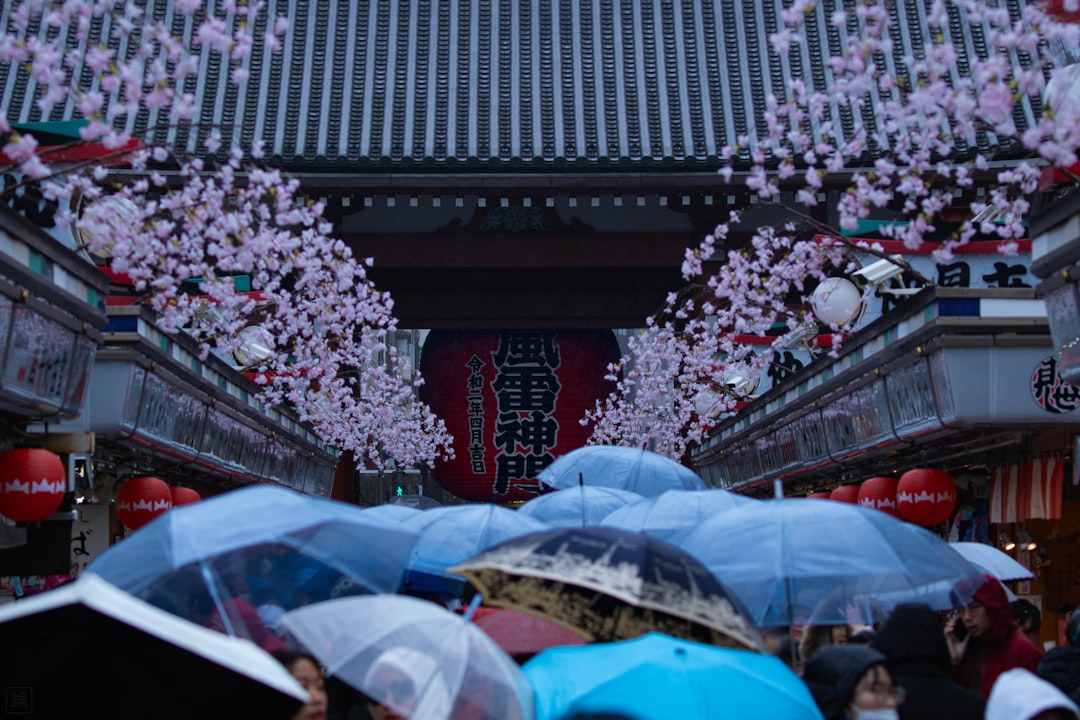
The 250-meter Nakamise shopping street leading to the temple is one of Tokyo’s great sensory experiences — tiny stalls selling crackers, fans, hair ornaments, tenugui (hand towels), and traditional crafts. For a more comprehensive look at the shopping opportunities in this area, check out our guide to Senso-ji and Nakamise souvenirs. For senior travelers, I recommend treating it as two separate experiences: browse on your way in before the crowds build, then stop to actually purchase and chat with vendors on your way back out after 9:00 a.m., when you have more context for what you have seen.
Look specifically for the ningyo-yaki stalls — small cake molds filled with sweet red bean paste, cooked fresh in iron presses right in front of you. They cost around 200 yen each, they are served warm, and the smell alone is worth the detour. I once bought six of them and sat on the stone bench near the Hozo-mon gate eating them slowly while pigeons eyed me with magnificent audacity.
Where to Rest, Eat, and Recharge Near Sensoji
Asakusa Coffee and Calm: Pelican Cafe
A five-minute walk from Kaminarimon, Pelican Cafe serves thick-cut toast from the famous Pelican bakery alongside simple egg dishes and drip coffee. The wooden interior is hushed, the pace is unhurried, and the staff are gentle and patient. It opens at 8:00 a.m. and is an ideal place to sit after your early temple visit before the rest of Asakusa wakes up. The tamago sando (egg sandwich on pillowy white bread) is simple perfection.
Daikokuya Tempura
For lunch, Daikokuya on Nishi-Sando street has been serving tempura rice bowls since 1887. Arrive at 11:00 a.m. when the doors open to avoid a queue. The tendon (tempura over rice) arrives in a lacquered box with miso soup. It is warming, deeply satisfying, and not aggressively priced. The seating is booth-style, which is comfortable for longer rests.
The Asakusa Shrine Side Garden
Just to the right of the main Sensoji hall lies the quieter Asakusa Shrine (Asakusa Jinja), with stone pathways, ancient trees, and almost no international tourists even on busy days. There are benches here in real shade. This is where I go when I need five minutes of genuine quiet — and I have sent every person I care about there without exception.
Practical Accessibility and Comfort Tips
- Footwear: Wear flat, comfortable shoes with easy on-and-off capability. The stone paths are smooth but can be slightly uneven near the older areas.
- Restrooms: Western-style toilets are available at the Asakusa Culture Tourist Information Center across from Kaminarimon and inside the temple grounds. Both are clean and fully accessible.
- Transportation: The Asakusa subway station (both Ginza and Asakusa lines) has elevator access. From the station, the walk to Kaminarimon is under four minutes on flat ground.
- Weather: Spring (late March to April) and autumn (October to November) offer the gentlest temperatures and the most beautiful light. Summer mornings can be humid but manageable before 9:00 a.m. Avoid the heat of midday from June through August entirely.
- Crowds to avoid: Skip weekends and Japanese national holidays. Tuesday through Thursday mornings in October are close to ideal.
A Moment I Keep Coming Back To
On my most recent visit, it was a Thursday in early November, just past 7:00 a.m., and the maple tree near the five-story pagoda had turned a color I can only describe as burning tangerine. I bought a paper cup of hot amazake — sweet fermented rice wine, non-alcoholic and thick as porridge — from a small stall run by a woman who must have been in her eighties. It tasted like warm rice and gentle sweetness and something faintly floral I still cannot name. I stood there in my coat with both hands wrapped around the cup, watching the smoke rise from the jokoro against that orange tree, and I thought: this is what travel is supposed to feel like.
The Unhurried Gift of Sensoji
Sensoji is not a temple to rush through. It is a temple to inhabit for a morning — slowly, quietly, with enough presence to notice the worn smoothness of the stone steps, the particular weight of the fortune paper in your hand after drawing an o-mikuji, the way the great lantern sways almost imperceptibly in a cool breeze. For senior travelers, this kind of travel — intentional, sensory, deeply human — is not a compromise. It is the whole point. Tokyo can be a city of relentless stimulation, but Asakusa, approached gently and at the right hour, offers something rarer: stillness inside history, and the quiet pleasure of simply being somewhere extraordinary.