There’s a particular kind of magic that happens when molten batter hits a scorching iron griddle and starts to bubble at the edges — a sound somewhere between a whisper and a hiss, rising steam catching the afternoon light, the smell of dashi broth and soy sauce folding into the warm autumn air. Tsukishima Monja Street is one of those rare places in Tokyo where the food is so viscerally alive, so tactile and dramatic in its preparation, that you’ll instinctively reach for your camera before you even pick up a spatula. For food photographers — whether you’re shooting with a mirrorless system or just your smartphone — this narrow, lantern-lit alley in the Chuo district is genuinely one of the most underrated visual feasts in all of Japan.
The first time I turned off the main road onto Nishi-Nakadori — the pedestrian lane that locals simply call Monja Street — it was around 11:30 in the morning on a weekday in late October. The restaurants were just cranking open their iron shutters, wiping down the teppan griddles with oil-soaked cloths, and the smell hit me before anything else: a rich, savory warmth like someone had distilled a bowl of ramen into the very air. A server at the corner shop saw my camera bag and smiled, calling out “Irasshaimase!” with the kind of easy confidence that told me this place had been doing this for decades and wasn’t about to be self-conscious about it.
Why Tsukishima Monja Street is a Photographer’s Dream
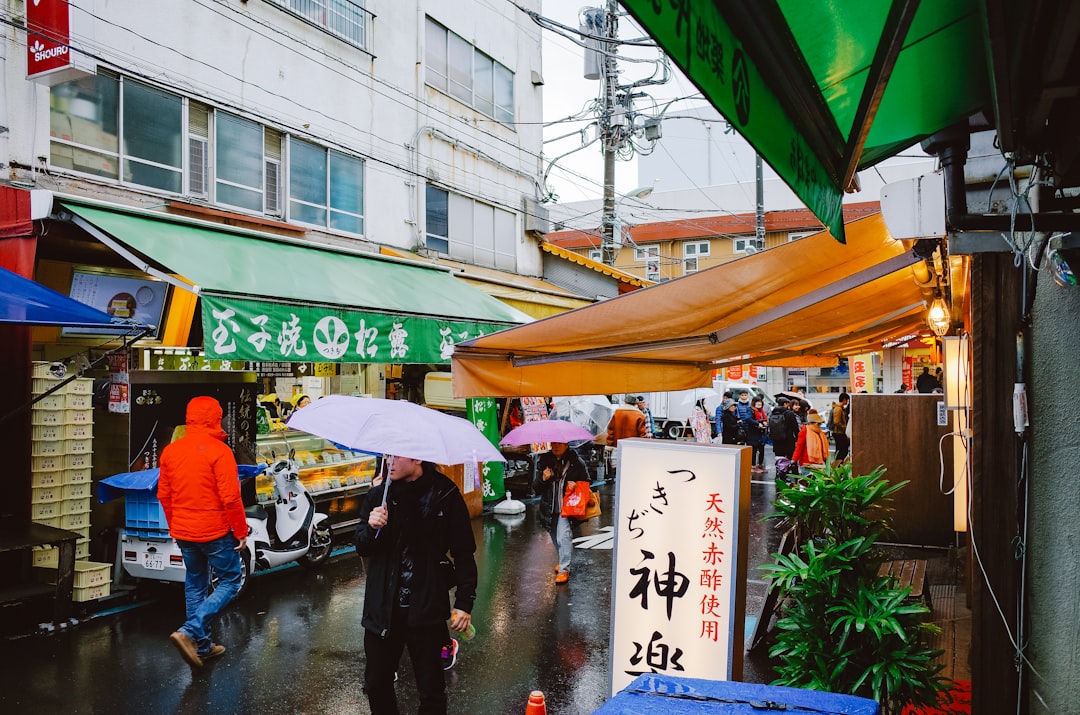
Monja Street stretches for about 200 meters and packs in over 70 restaurants — most of them family-run, multi-generational, with hand-painted menus and walls covered in decades of photographs and celebrity signatures. For photographers, that density is everything. You’re not burning shoe leather walking between shots. Every five steps is a new scene: the neon kanji glowing in a dark entryway, an elderly woman flipping monjayaki with the flick of a wrist she’s perfected over 40 years, a group of salarymen hunched over a shared griddle at lunchtime.
The visual texture here is extraordinary. Weathered wood, steam, fire, golden batter — monjayaki is dramatic food. Unlike its more famous cousin okonomiyaki, monjayaki starts as a thin, almost watery batter that looks like it could never become anything edible. You ladle it into a ring of cooked toppings on the griddle, then break the wall and let it spread and bubble and caramelize into a lacey, slightly crispy, deeply umami pancake. The process — not just the finished product — is the photograph.
Best Times to Shoot on Monja Street
Lighting is everything, and Monja Street rewards photographers who plan around the clock:
- 11:00 AM – 12:30 PM: The soft morning-to-midday light filters down the pedestrian lane without harsh shadows. Restaurants are quieter, chefs are happy to let you photograph the prep work, and the griddles are just heating up — perfect for wide shots of the street and intimate detail shots of the teppan surface.
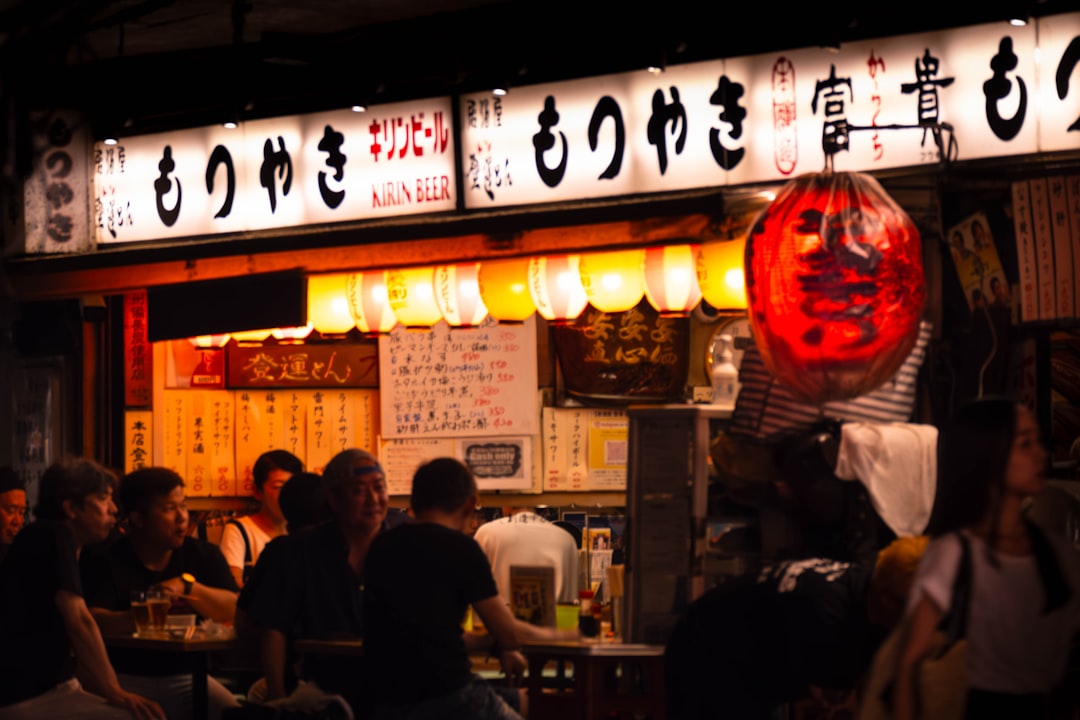
- 5:30 PM – 7:00 PM: This is the golden hour equivalent for Monja Street. The lanterns flicker on, the street fills with the after-work crowd, and the contrast between warm restaurant light and the cool evening sky creates that moody, cinematic atmosphere that makes Tokyo photos look like film stills.
- Weekdays over weekends: Crowds on weekends can make composition difficult and restaurant staff too rushed for good interaction shots. On a Tuesday or Wednesday, you’ll actually get a seat at the griddle counter — the best position for close-up food photography.
The Monjayaki Experience: What to Order and How to Capture It
🗾 Book: Tsukiji Street Food & Culture Walking →
🎫 Book: Monjayaki food tour Tokyo →
🎫 Book: Japanese cooking class Tokyo →
Classic Tokyo Monjayaki
Every photographer needs to shoot the original: basic Tokyo-style monjayaki with mochi (rice cake) and mentaiko (spicy pollock roe). Order it at a counter seat so you’re positioned directly above the griddle for a top-down flat lay as the batter spreads. The moment the batter hits the ring of cooked cabbage and seafood and starts to bubble and hiss — that’s your hero shot. Use burst mode. It moves fast.
At Tsukishima Monja Daruma, one of the street’s oldest and most beloved spots, I overheard the chef quietly coaching a first-timer on technique: “Small spatula, press down gently, wait for the edges to go crispy — that’s when it’s ready.” I asked if he minded if I photographed the process, and he not only said yes, he slowed down his movements slightly so I could capture each stage. That kind of generosity is genuinely common here — bring a few Japanese phrases and a respectful attitude, and people will open doors for you.
Seafood and Specialty Variations
Beyond the classic, look for:
- Sakura ebi monja (cherry shrimp): tiny pink shrimp scattered across the griddle look like confetti before they curl and caramelize — visually stunning
- Cheese and corn monja: the melted cheese pull shot practically photographs itself
- Yakisoba on teppan: the stir-fried noodles are a great secondary subject, all gloss and caramel char, and they pair perfectly with monjayaki for a full meal spread shot
Shooting the Griddle Up Close
Bring a 50mm or a macro lens if you’re shooting mirrorless. The detail on a monjayaki surface — the lacy, caramelized edges, the way steam rises in spirals, the spatula scraping up a crispy corner — is extraordinary at close range. For smartphone shooters, portrait mode at about 15–20cm distance picks up the texture beautifully. Avoid flash entirely. The natural griddle glow is warm and flattering and absolutely irreplaceable.
Beyond the Griddle: The Full Visual World of Tsukishima
🗾 Book: Tsukiji Fish Market Food Walking Tour →
Tsukishima Station and the Surrounding Neighborhood
Tsukishima sits on the Yurakucho and Oedo subway lines, about 10 minutes from Ginza. The neighborhood itself is a fascinating contrast: gleaming high-rise apartments tower over a shitamachi (old downtown) streetscape that hasn’t changed much since the 1970s. The approach to Monja Street from Exit 7 takes you past old shotengai shopping arcades and vintage candy shops — all worth photographing before you even reach the main strip.
The Tsukishima Riverwalk
About a five-minute walk from Monja Street, the Sumida River waterfront offers beautiful wide shots of the Tokyo skyline with the Rainbow Bridge visible on clear days. Come here after dinner for long-exposure night photography — the reflections on the river are spectacular. This is your palette cleanser between the intimate griddle shots and the big-city Tokyo epic. If you’re interested in other Tokyo food market experiences, the Tsukiji Tuna Auction offers similarly dramatic food photography opportunities.
Practical Tips for Photography Enthusiasts on Monja Street
🗾 Book: Asakusa Street Food Crawl Tour →
Ask before you shoot people: Most chefs and staff are happy to be photographed, but a quick “Shashin wo totte mo ii desu ka?” (May I take a photo?) goes an enormous way. In my experience, it’s almost always a yes — and sometimes it gets you an invitation behind the counter.
Budget realistically: A full monjayaki meal with drinks runs ¥1,500–¥2,500 per person (roughly $10–$17 USD). Restaurants don’t charge for time at the griddle, so order a couple of dishes and take your time — nobody rushes you here.
What to carry: A lightweight tripod or gorilla pod for counter shots, a lens cloth (the steam will fog your glass), and a portable charger. Shooting in a restaurant means you can’t charge between sessions.
Navigating the menus: Most restaurants on Monja Street have picture menus or English menus available — ask when you sit down. Allergy information can be harder to parse, so if you have dietary restrictions, the word “ebi” (shrimp) and “ika” (squid) appear in almost every dish.
One Moment I Can’t Stop Thinking About
🎫 Book: Tokyo street food experience →
It was a Friday evening, just after six, and the lanterns on Monja Street were glowing amber against a navy-blue sky. I was on my third restaurant of the night, wedged into a four-seat counter with a grandmother and her teenage granddaughter who were sharing a seafood monja. The grandmother was coaching the girl through flipping the crispy bits — the same patient, practiced hand movement the chef had shown me earlier. The granddaughter laughed, scraped too hard, and the older woman clicked her tongue softly and took the spatula back. Steam rose between them. I raised my camera, hesitated, then put it down. Some moments are better held than captured — and the smell of that griddle, all soy and caramelized batter and sea salt, felt like it belonged only to that room, that evening, that pair of hands.
Final Thoughts: Is Tsukishima Monja Street Worth the Trip?
For food photographers, the answer is an unambiguous, enthusiastic yes. Tsukishima Monja Street gives you what almost no other Tokyo food destination does: a living, dynamic, participatory cooking experience that is as much about the process as the plate. You’re not behind a velvet rope watching someone else cook. You are in it — spatula in hand, steam in your face, camera ready. The light is beautiful, the people are warm, and the food is unlike anything else in Tokyo. Come hungry. Come with a full battery. And come ready to let the griddle tell its own story. For families interested in a guided monjayaki experience, a monjayaki cooking class can provide structure and fun for parents traveling with kids.