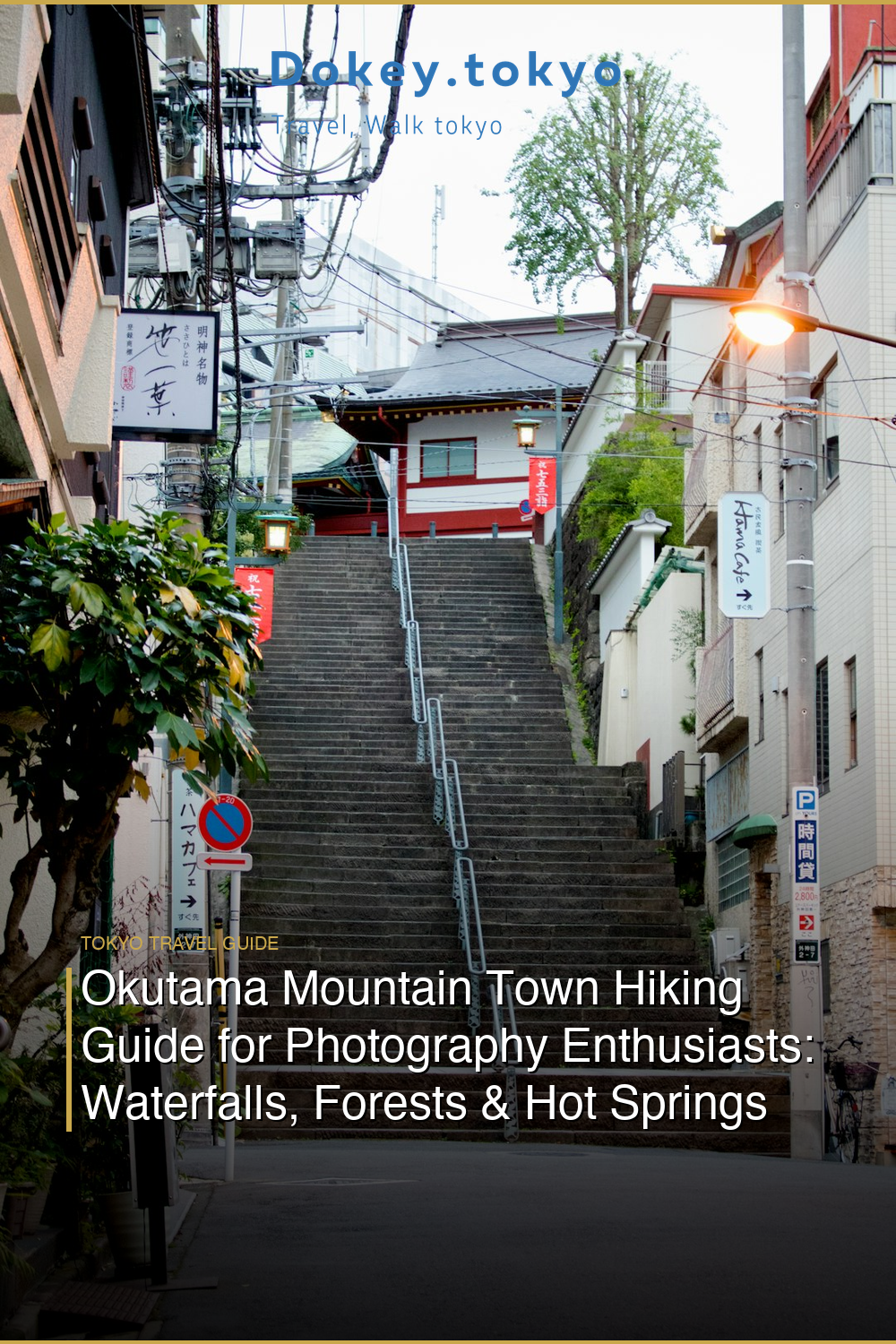
You already know that Japan’s cities are endlessly photogenic — the neon reflections in Shinjuku puddles, the perfectly framed torii gates — but nothing prepared me for what waited 90 minutes west of Tokyo on the Ome Line. Okutama is the kind of place that makes you burn through a memory card before noon. Moss-draped stone bridges, waterfalls that catch morning light like shattered glass, cedar forests so dense the sunlight turns genuinely green — this mountain town is a photographer’s secret that most Tokyo visitors completely miss, and I’m honestly conflicted about sharing it.
I remember stepping off the train at Okutama Station on an October morning, camera bag already digging into my shoulder, and being stopped cold by the smell before I’d even cleared the ticket gate — wet earth, woodsmoke, and something faintly sweet from the persimmon trees hanging heavy with orange fruit along the platform fence. The mountains crowded in on all sides, ridgelines sharp against a sky that was doing something extraordinary with the light, turning the whole valley into a slow-motion golden hour at 8 a.m. I stood there like an idiot with my lens cap still on for a full two minutes.
Why Okutama Is a Photographer’s Dream Destination
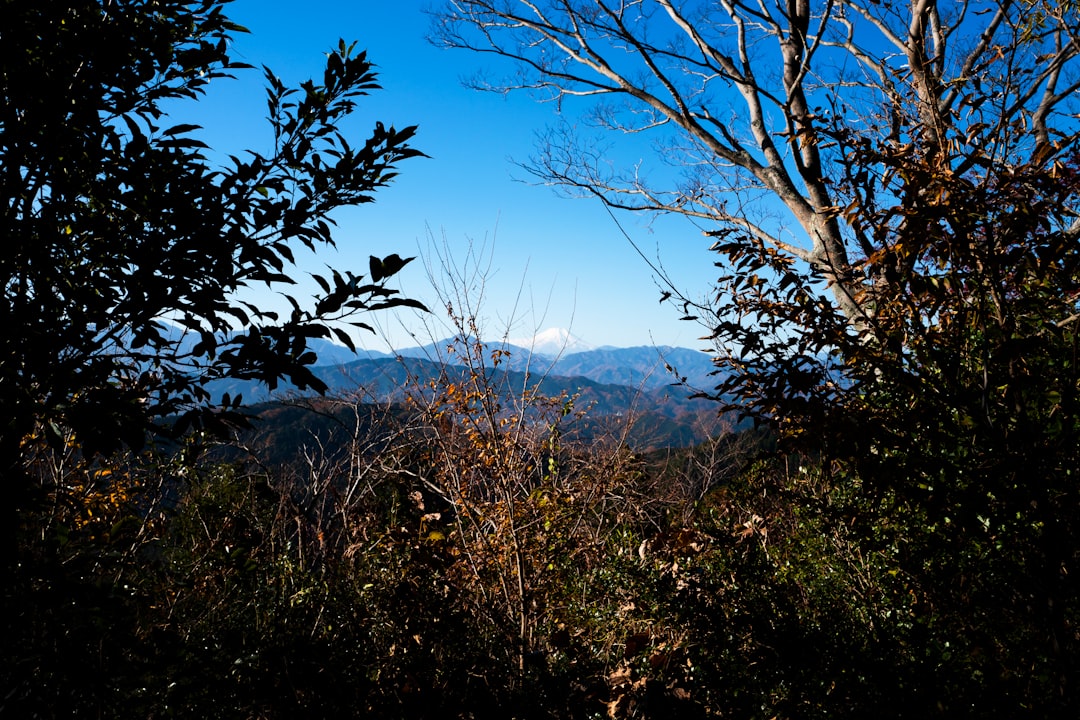
Okutama sits deep in the Tama River valley at the western edge of Tokyo Metropolis — yes, technically still Tokyo — which means it’s absurdly easy to access without the crowds of more famous destinations like Nikko or Hakone. What you get here is raw, working mountain scenery: a functioning reservoir, sake breweries operating since the Edo period, and hiking trails that shift from riverside meadows to ancient forest floors within a single morning’s walk. For comparison, Odawara Castle also offers hiking, history and onsen near Tokyo, but Okutama provides a quieter, more immersive mountain experience.
For photographers specifically, the layered depth of Okutama’s landscapes is exceptional. You have foreground interest in the river rocks and wildflowers, mid-ground texture in the cedar and zelkova trees, and dramatic mountain ridges as your background — all within a single frame. The Tama River itself runs clear and fast through town, producing that silky long-exposure water effect that looks like it took a flight to Iceland to achieve.
The Okutama Lake Loop: Best Light and Best Angles
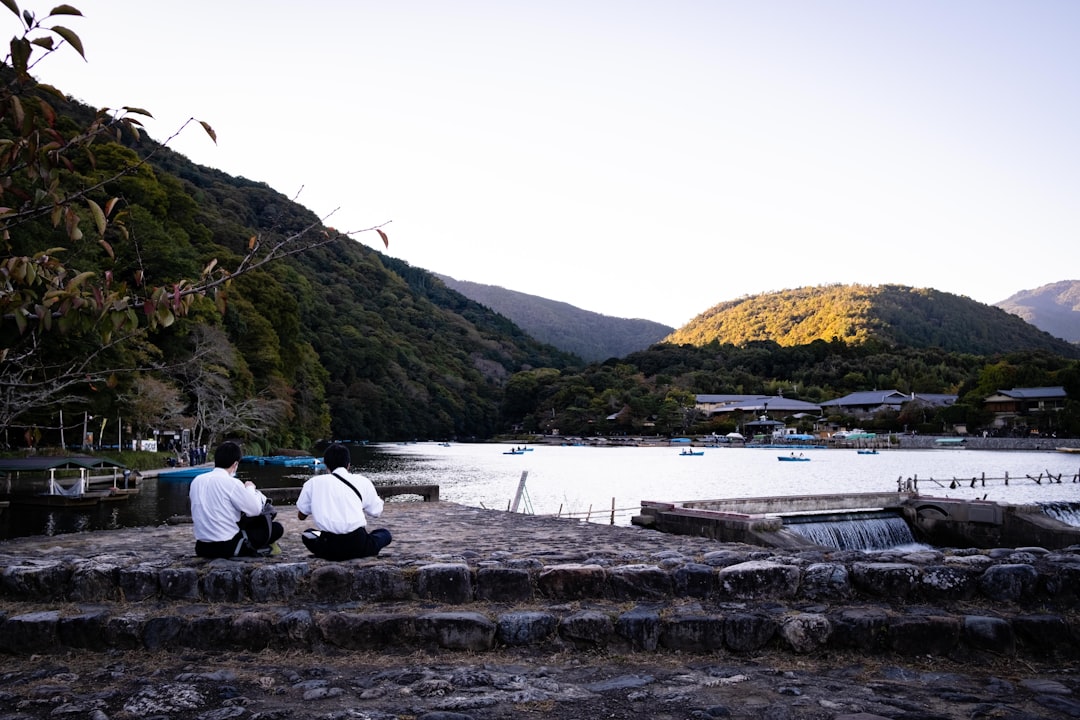
Start your day at Okutama Lake (Ogochi Reservoir), a 20-minute bus ride from the train station. Arrive by 7 a.m. if you can — the morning mist sits on the water in layers, and the Mugiyama Bridge photographs beautifully in this soft diffused light. I use a polarizing filter here without exception; it cuts the glare off the water’s surface and makes the forest reflections pop in a way that feels almost unreal.
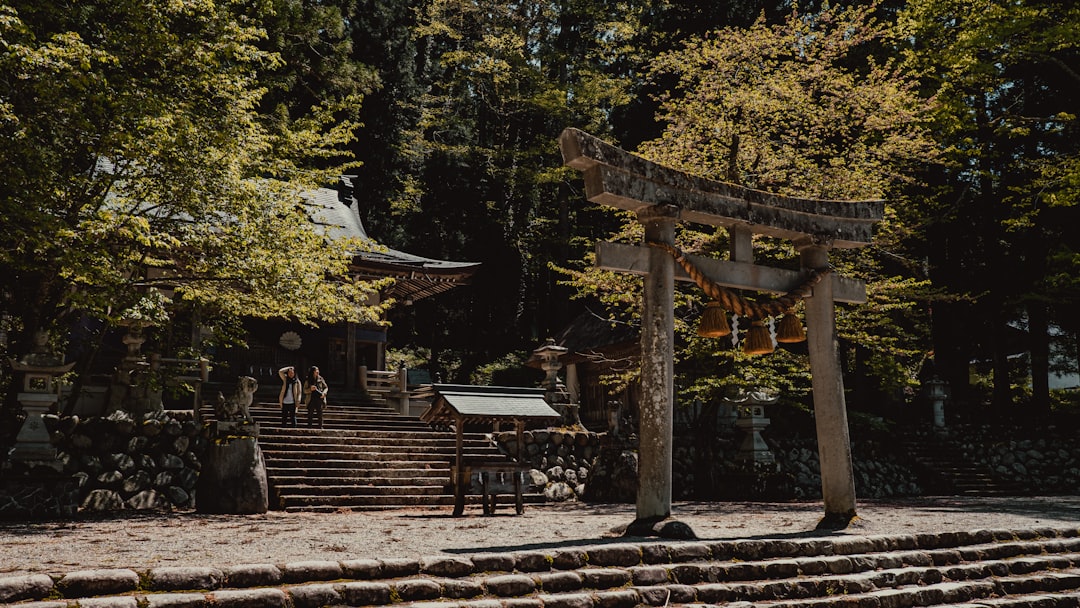
The lake loop trail is approximately 11 kilometers and takes 3–4 hours at a comfortable pace. Budget more time. There are stopping points every hundred meters that deserve your attention: a crumbling stone wall colonized entirely by ferns, a narrow wooden bridge over a side stream where the cedar roots have grown through the planks, small Shinto shrines tucked back into alcoves where the light filters through in tight cathedral beams around midday.
Shooting the Reservoir Dam
The Ogochi Dam itself is one of the less-photographed engineering achievements in Greater Tokyo, and it’s genuinely dramatic. The curved concrete face drops 149 meters into a gorge, and you can shoot it from the viewing platform for a classic architecture-meets-wilderness composition. Come back in November when the surrounding maples turn crimson and frame the grey concrete in fire — it’s a contrast that stops people mid-scroll.
Nanairo Falls and the Forest Trails: Where the Real Magic Happens
About 40 minutes on foot from Okutama Station along the riverside path, the trail branches toward the Nanairo no Taki — Seven-Color Falls. The name comes from the way the water fragments over tiered basalt rock faces and catches light differently at different times of day, throwing occasional rainbows into the spray cloud. For photography, midmorning between 9 and 11 a.m. is ideal when the sun is high enough to clear the canyon walls but not yet harsh. Use a shutter speed around 1/4 second for that classic waterfall silk without losing all detail in the white water.
I met an older gentleman named Tanaka-san here on my third visit, who had been coming to photograph these falls every autumn for 22 years. He showed me a flat boulder slightly upstream and to the left — invisible from the main viewing area — where you can get a low angle that frames the falls through a natural arch of overhanging maple branches. I’ve used that composition in three different seasons now and it never disappoints.
Forest Light on the Mitake-Okutama Ridge Trail
If you’re serious about forest photography, the trail connecting Mount Mitake to Okutama is 15 kilometers of some of the best dappled-light woodland shooting in the Kanto region. The ancient cedars along the upper ridge are enormous — some over 300 years old — and the canopy creates a filtering effect that turns sunny days into something approaching a natural soft box. Your camera’s white balance will struggle here in a good way; let it.
Hot Springs, Recovery, and the Photography of Stillness
After a full day on the trails, your legs and your creative eye both need recovery. Okutama has two options worth your time.
Moegi no Yu is the town’s most accessible hot spring, a 10-minute walk from the station. The outdoor rotenburo bath faces directly onto the forested mountain slope, and if you arrive just before closing (8 p.m.), the hillside is completely dark and quiet, lit only by the bath’s warm glow. I’m not suggesting you shoot inside the onsen — obviously don’t do that — but the walk back along the river afterward, when the mist rises off the water in the cool night air and the lights from the few ryokan reflect in broken lines on the current, is some of the most atmospheric night photography I’ve done in Japan without a tripod reservation at a famous spot.
Mitake Sanso up at Mount Mitake village has a smaller, quieter facility and the added drama of being at elevation. The steam from the bath mingles with actual cloud on cool autumn mornings.
Food, Sake, and Edible Souvenirs Worth Photographing
Okutama’s food scene is small but deeply local, and several dishes photograph beautifully alongside the mountain aesthetic.
Okutama Wasabi: The Tama River’s cold, clear water is ideal for wasabi cultivation, and you’ll find fresh wasabi rice bowls at small restaurants near the station. The color — an almost electric green against white rice — makes for a clean, graphic close-up that performs well on travel content.
Sawanoi Sake: The Ozawa Brewery has been producing sake in Okutama since 1702. Their tasting room is open to visitors, and the brewery garden with its old wooden buildings and sake barrels stacked against mossy walls is extraordinarily photogenic. Ask to see the waterwheel out back — it’s still operational and completely charming. Their Junmai Daiginjo is floral and delicate, and yes, I drank some before noon. I regret nothing.
Yamame River Fish: Several small restaurants serve yamame trout grilled on open-fire skewers outside. The combination of wood smoke, the orange char on the fish skin, and the river backdrop behind a rustic wooden counter is the kind of casual shot that captures authentic mountain Japan better than any staged composition. If you’re interested in food photography, Tokyo’s Tsukiji Inner Market tuna auction also offers compelling food and culinary subjects for photographers visiting the region.
Best Time to Visit Okutama for Photography
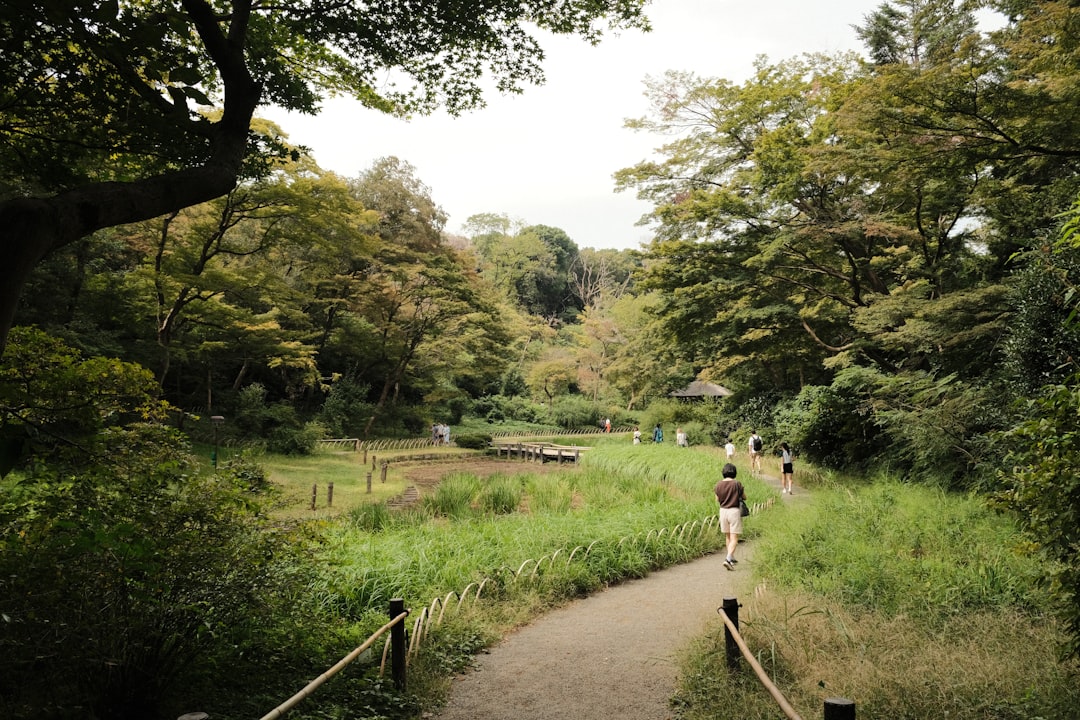
Autumn (mid-October to late November) is the undisputed peak. The maple and zelkova trees turn in waves, starting at the higher elevations and moving down, which means you can chase color across multiple visits. The Okutama Lake loop in peak autumn is genuinely one of the most beautiful hiking experiences within two hours of a major world city.
Early Spring (late March to April) brings cherry blossoms along the riverside trail in a quieter, less-crowded version of Tokyo’s hanami madness. The contrast of pale pink blossoms against the still-bare grey mountain slopes is stark and lovely.
Summer offers lush green saturation but crowds increase, particularly on weekends when Tokyo residents escape the heat. Arrive on a weekday if possible.
Winter is underrated. Snow on the cedar forests and ice formations at the waterfalls are genuinely spectacular, and the crowds essentially disappear. Bring microspikes for the trails.
Practical Guide for Photography Travelers
Getting There: Take the JR Chuo Line from Shinjuku to Tachikawa, transfer to the Ome Line to Ome, then continue to Okutama Station. Total journey: 90 minutes, covered by IC card or Tokyo-area rail pass.
What to Bring: A wide-angle lens (16–35mm equivalent) for forest canopy and waterfall landscapes, a telephoto (70–200mm) for mountain ridge compression shots, and a lightweight tripod — the falls and night river shots genuinely need it. A circular polarizer is non-negotiable near water.
Accommodation: There are several small minshuku (family-run guesthouses) in Okutama town that cost ¥7,000–10,000 per night including dinner. Staying overnight lets you shoot the magical early morning mist on the reservoir that day-trippers never see.
On my last overnight stay, I woke at 5:30 a.m. and walked to the reservoir in near-dark, arriving just as the sky shifted from black to a deep nautical blue and the first mist began lifting off the water in slow spirals. A single fishing boat was crossing the far end of the lake, its wake making a perfect V that caught the pre-dawn light, and I stood at the water’s edge in absolute silence — no traffic, no voices, just the soft sound of the current and a pair of ducks moving through the mist — and I thought: this is why I carry a camera everywhere I go.
Before You Go: A Few Final Thoughts
Okutama rewards patience and early mornings more than almost any other destination near Tokyo. It’s not a place you can rush through and tick off a list. The most extraordinary images I’ve taken here came from slowing down, following a sound (usually water), and waiting for the light to do something interesting with whatever was in front of me. That’s the real skill the mountain teaches you.
Bring snacks, charge your batteries the night before, and resist the urge to check Instagram while you’re there. The signal is patchy and that is entirely the point.