There’s a moment every first-time Tokyo visitor experiences — that split second when the city stops feeling enormous and starts feeling like yours. For me, it didn’t happen at Shibuya Crossing or on the observation deck of Tokyo Tower. It happened on a blue tarp under a zelkova tree in Yoyogi Park, eating a convenience store onigiri and watching a man in a Victorian-era suit practice swing dancing with his friends. That’s Tokyo. That’s the day I’m going to help you have.
I still remember stepping off the Harajuku station platform on a Sunday morning, the air carrying that faint mix of cedar incense and fried food from the crepe stands just outside the gates. The light was that particular soft gold you only get before 10 a.m., slanting through the camphor trees lining Omotesando. My heart was doing something ridiculous — half jet lag, half pure excitement — and I hadn’t even entered the park yet.
Why This Day Trip Works Perfectly for First-Timers
🎫 Book: Tokyo Day Trip Parks & Shrines →
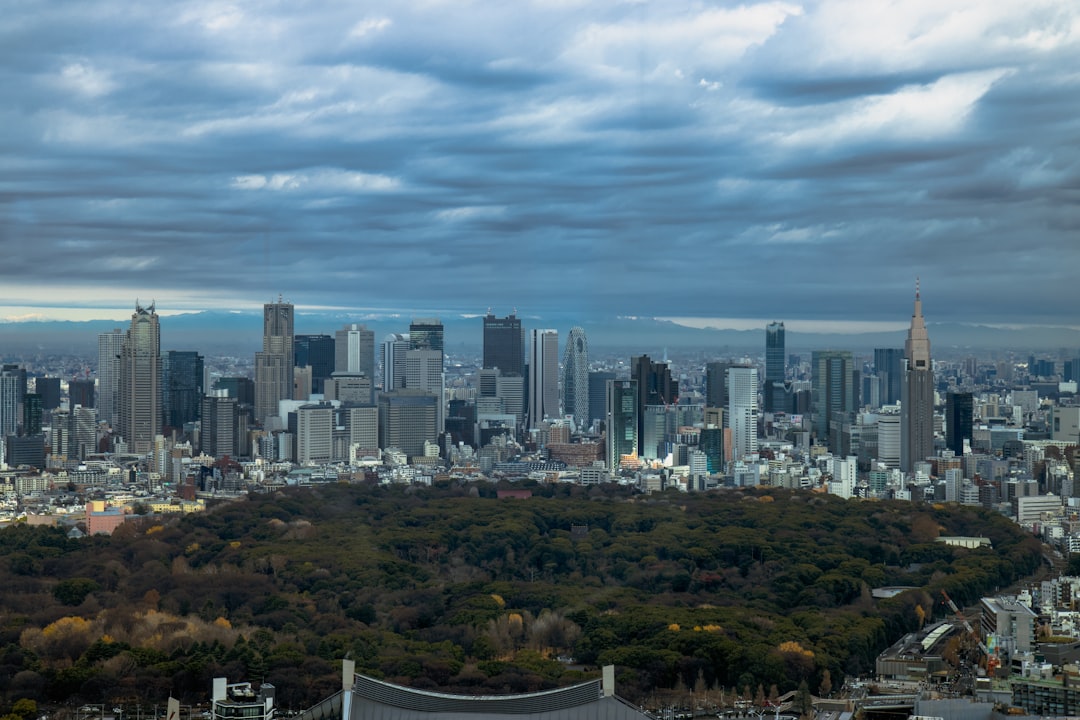
Yoyogi Park and Meiji Shrine sit side by side in the middle of Shibuya and Harajuku, which means you’re never far from a subway line, a convenience store, or a café. For someone navigating Tokyo for the first time, this is exactly the kind of safety net you want. You can explore freely without anxiety about getting stranded, and the area rewards slow wandering — no queues, no timed tickets, no pressure.
The two sites also offer a beautiful contrast that captures something essential about Japan: the sacred silence of a Shinto forest shrine standing just a few hundred meters from an open park where rockabilly dancers, amateur photographers, and families with golden retrievers all coexist without a second thought. You’ll understand Tokyo better after this one day than you would after three days in a shopping district.
Starting the Morning: Meiji Shrine First, Always
🗾 Book: Meiji Shrine & Tokyo Cultural Highlights →
🗾 Book: Temples, Culture & Modern City Explorati →
🗾 Book: Meiji Shrine & Tokyo Cultural Highlights →
🗾 Book: Temples, Culture & Modern City Explorati →
🎫 Book: Meiji Shrine Walking Tour →
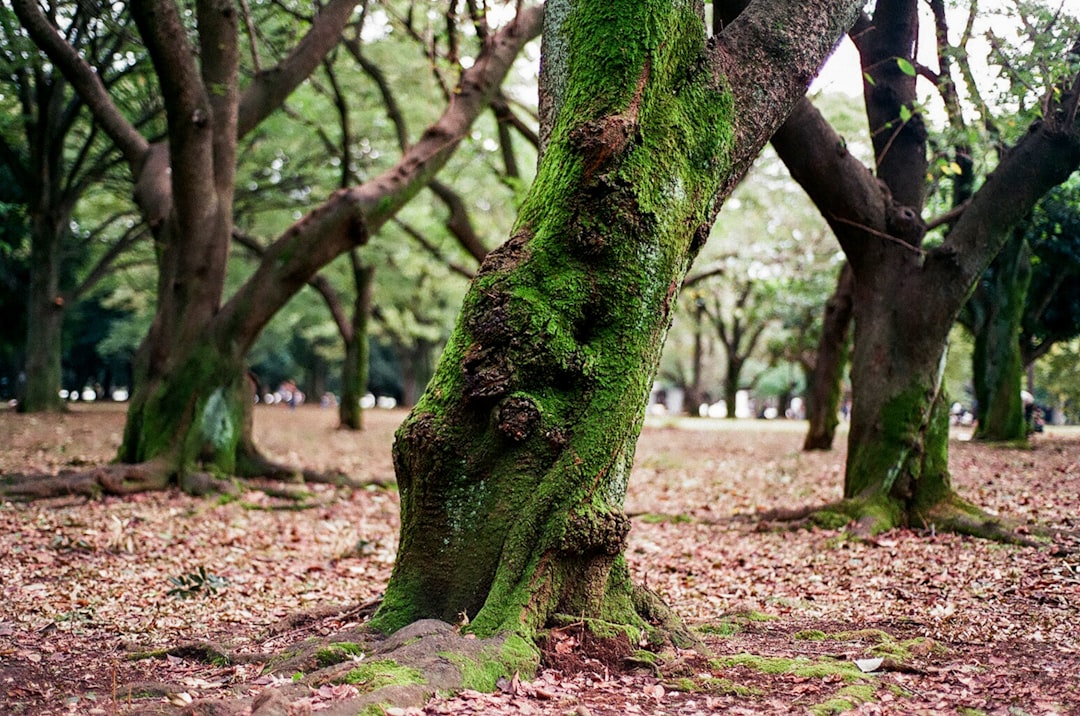
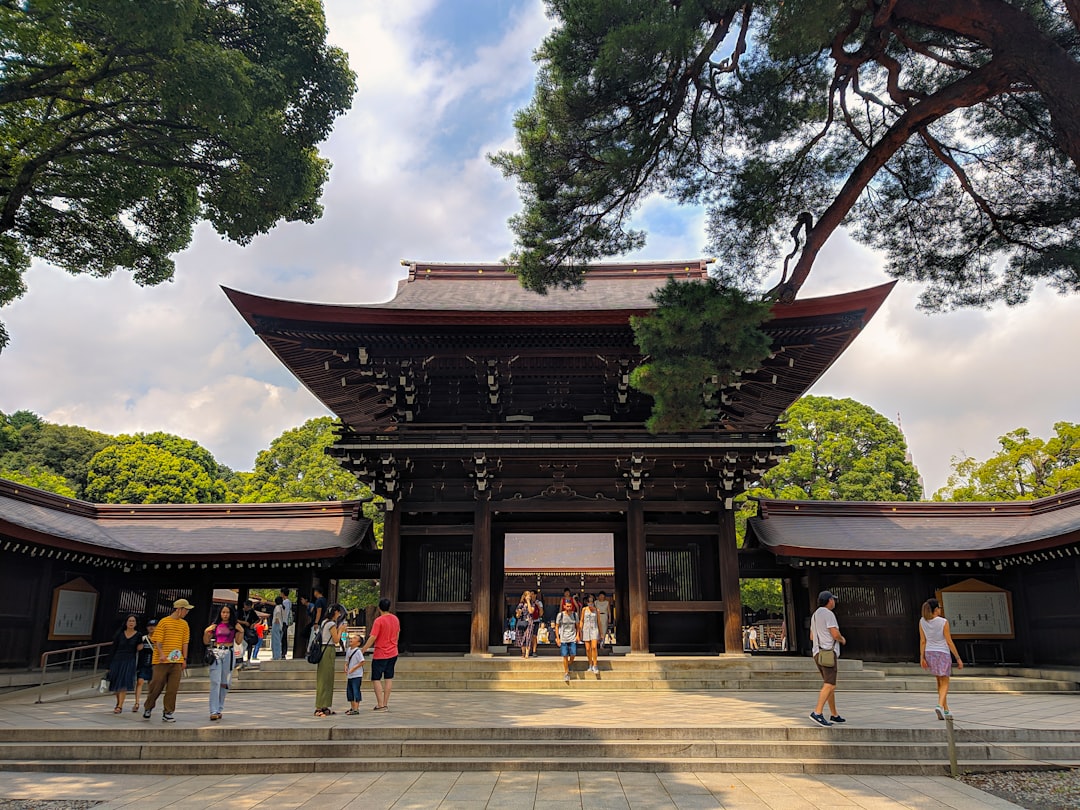
Don’t make the rookie mistake of saving the shrine for last. Go early — ideally arriving at the main Harajuku gate by 9 a.m. The forested approach path, a 700-meter walk through towering Japanese cedar and cypress trees, feels genuinely otherworldly in the morning quiet. The gravel crunches under your feet. The canopy filters out the city noise. You might hear a bush warbler.
The Torii Gate Moment
The first wooden torii gate you pass through is one of the largest in Japan — nearly 12 meters tall, made from 1,500-year-old Taiwanese cypress. Stand in front of it before you walk through. Look up. Take your time. First-timers often rush past it because they’re heading for the main hall, but this gate is the experience.
At the main courtyard (the Naien), you’ll find the haiden — the main hall of worship. Watch what the locals do: bow twice, clap twice, bow once more. It’s a simple ritual but it changes your relationship with the space. You’re not just sightseeing; you’re participating.
Don’t Skip the Iris Garden
From mid-May to late June, the inner garden (Gyoen) opens its iris garden, and it is staggeringly beautiful — 1,500 clumps of flowering iris in shades of violet, white, and indigo reflected in a still pond. There’s a small admission fee (500 yen), but for a first-timer who wants a photograph they’ll hang on their wall, this is worth every coin.
Crossing Into Yoyogi: The Picnic Setup
🎫 Book: Yoyogi Park Picnic & Guided Tour →
Exit the shrine heading south and you’ll cross directly into Yoyogi Park without missing a beat. Before you enter, stop at the 7-Eleven on Omotesando or the Lawson near Harajuku Station to build your picnic. This is not a compromise — Japanese convenience store food is legitimately excellent, and assembling a spread from a konbini is a genuine Tokyo ritual.
First-timer’s picnic grocery list:
– Onigiri (rice balls) — try the salmon mayo or the tuna kombu
– Tamagoyaki (rolled egg sandwich) from the deli case
– A small container of edamame or karaage chicken
– Melon pan from the bread section — a slightly sweet, pillowy bun with a cookie crust
– Cold matcha latte or a can of Boss coffee
Total cost: under 1,000 yen (about $7 USD). No restaurant in Tokyo will give you a more satisfying meal for that price.
Finding Your Spot in the Park
Yoyogi Park covers 54 hectares, which sounds intimidating but isn’t. Walk through the main entrance on the Harajuku side and bear left toward the open meadow area. On weekends especially, this is where the energy is — you’ll find live musicians, hula hoopers, dog walkers, cosplay photographers, and almost certainly some kind of organized group doing something you’ve never seen before.
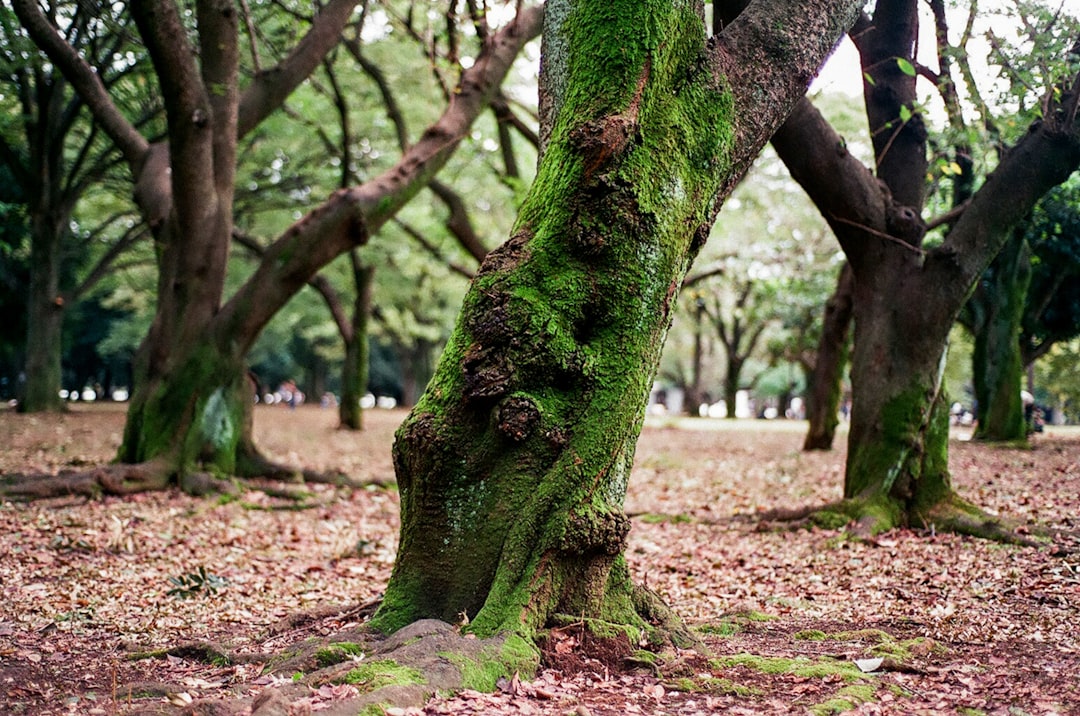
On one of my visits, I ended up sitting next to a grandmother who had been coming to Yoyogi every Sunday for thirty years to do watercolor painting. She showed me her sketchbook — forty pages of the same zelkova tree in every season — and told me, in slow careful English, that the tree looked different every single week. I thought about that comment for the rest of my trip.
For the best shade and views, find a spot near the main fountain plaza or under the large zelkova trees in the central meadow. Bring or rent a blue tarp (some vendors near the entrance sell them cheaply) — sitting directly on the grass is common and perfectly fine.
Afternoon Wandering: What to Do After Lunch
🗾 Book: Local Guide: Custom Tokyo Hidden Gems →
The Harajuku Takeshita Street Detour
If you have energy after your picnic (and you will, because good food and open air do that), Takeshita Street is a five-minute walk from the park’s Harajuku gate. For a first-time visitor, this is a sensory overload in the best way: rainbow cotton candy, kawaii fashion boutiques, crepe stands selling strawberry and Nutella wrapped in bright paper cones. Give yourself thirty minutes here — enough to absorb it without exhausting yourself.
The Omotesando Walk Back
For the late afternoon, take the tree-lined boulevard of Omotesando back toward Harajuku or Meiji-Jingumae station. This wide, ginkgo-canopied avenue is often called Tokyo’s Champs-Élysées, but it’s quieter and more elegant than that comparison suggests. The flagship stores here — Prada, Louis Vuitton, Issey Miyake — are worth walking past even if you’re not shopping, because the architecture is spectacular. The Prada building alone looks like a crystalline honeycomb.
Practical Tips for First-Time Visitors
Getting there: Take the JR Yamanote Line to Harajuku Station (the park-side exit) or the Tokyo Metro Chiyoda Line to Meiji-Jingumae Station. Both are walking distance from the shrine entrance.
Best time to visit: Sunday mornings between April and November are peak Yoyogi energy — the musicians, dancers, and performers come out in full force. For the shrine, early weekday mornings offer the most peaceful experience, but a Sunday visit is genuinely special for first-timers because the park buzzes with authentic local life. If you’re visiting in spring, cherry blossom season transforms both the shrine grounds and park into stunning displays.
What to wear: Comfortable walking shoes are non-negotiable. The shrine’s gravel paths and the park’s grass and earthen trails are uneven. You’ll walk 5-8 km without realizing it.
How long to spend: Budget 1.5 hours for the shrine (including the garden if it’s open), 2 hours for the park picnic and wandering, and 1 hour for Harajuku/Omotesando. That’s a full, satisfying day that won’t leave you destroyed by 6 p.m.
Etiquette reminder: Inside the shrine, speak softly and don’t eat or drink. Photography is welcome in the outer grounds but avoid pointing your camera at worshippers during prayer.
One Moment That Made It Real
🗾 Book: Local Guide: Custom Tokyo Hidden Gems →
It was late afternoon on my very first Tokyo trip, and I was sitting on the Omotesando steps eating the last of a melon pan I’d saved from lunch, watching the ginkgo trees turn gold in the low October light. A group of schoolchildren in matching yellow caps walked past in a neat single-file line, each one clutching a small drawing they’d made in the park. One girl broke from the line for a second to look at a pigeon, got a gentle shepherd’s tap from her teacher, and giggled. The whole city felt, in that instant, like it was showing me something honest about itself — orderly and playful and beautiful all at once.
Your First Tokyo Memory Starts Here
Yoyogi Park and Meiji Shrine won’t appear on many “must-see Tokyo” lists targeted at first-timers — those tend to default to Senso-ji and TeamLab and the Robot Restaurant. But this is the day trip I recommend to every person visiting Tokyo for the first time, because it gives you the city’s soul rather than its spectacle. You’ll leave with mud on your shoes, incense in your hair, and a konbini receipt you’ll somehow keep for years. That’s not an accident. That’s exactly what Tokyo does when you let it.