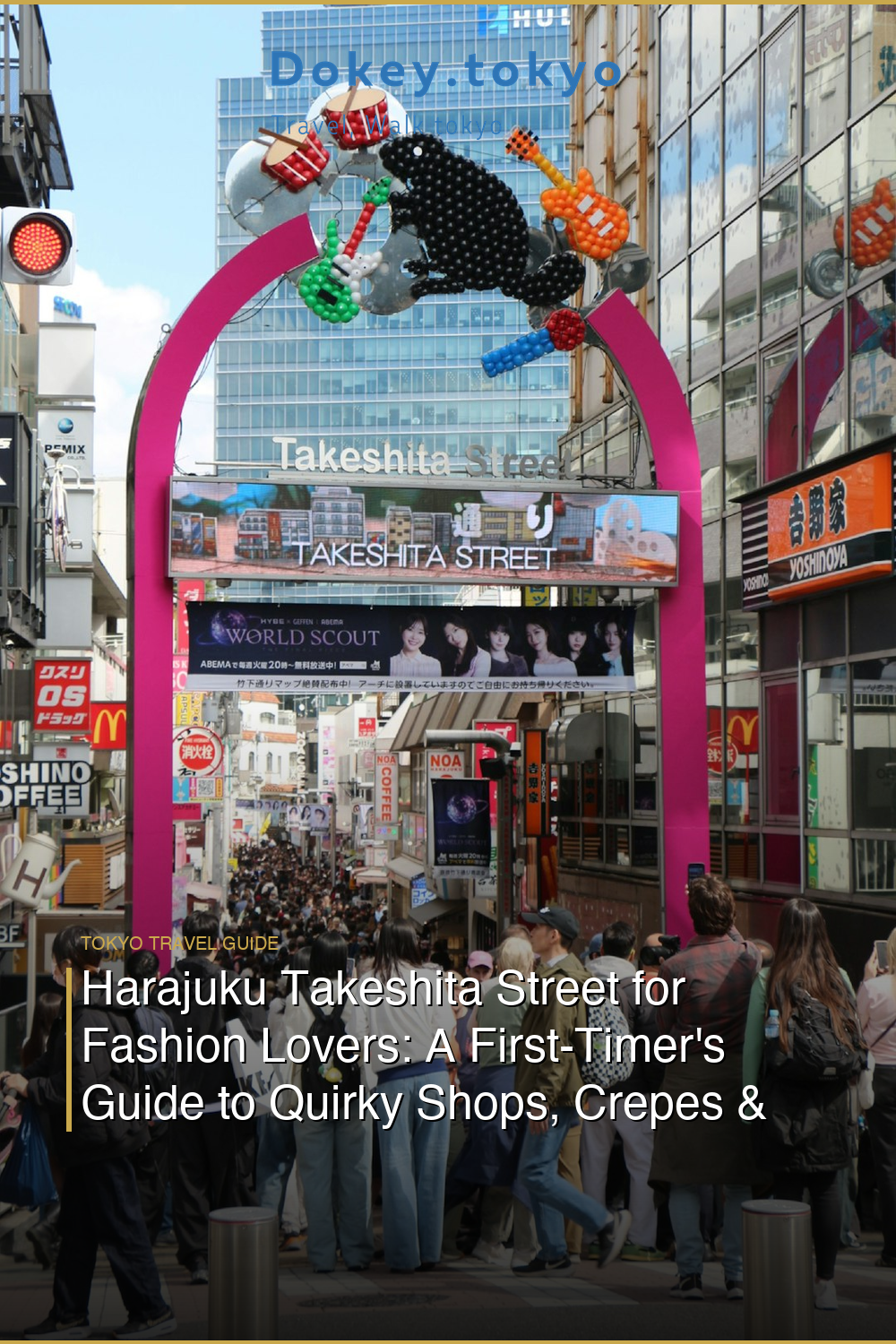
If someone told you there was a single street in the world where you could buy a pastel tulle skirt, eat a strawberry crepe taller than your face, watch teenagers in Victorian-era lolita gowns pose for selfies, and overhear the most unapologetically joyful pop music blasting from a dozen storefronts simultaneously — you’d probably think they were exaggerating. They’re not. Takeshita Street in Harajuku is exactly that street, and if this is your first time in Tokyo, it is absolutely non-negotiable.
The first time I stepped off the Harajuku JR station and walked the short path toward Takeshita Dori, I was hit by the street before I even saw it — a wall of sugary vanilla, fried dough, and something intensely strawberry that I couldn’t quite place. Then I heard it: J-pop so upbeat it almost felt aggressive, layered over the chatter of hundreds of teenage voices. The late-morning light filtered through the tangle of store signs and banners overhead, turning the whole alley into something that looked like a fever dream designed by a very talented art director.
What Is Takeshita Street, Actually?
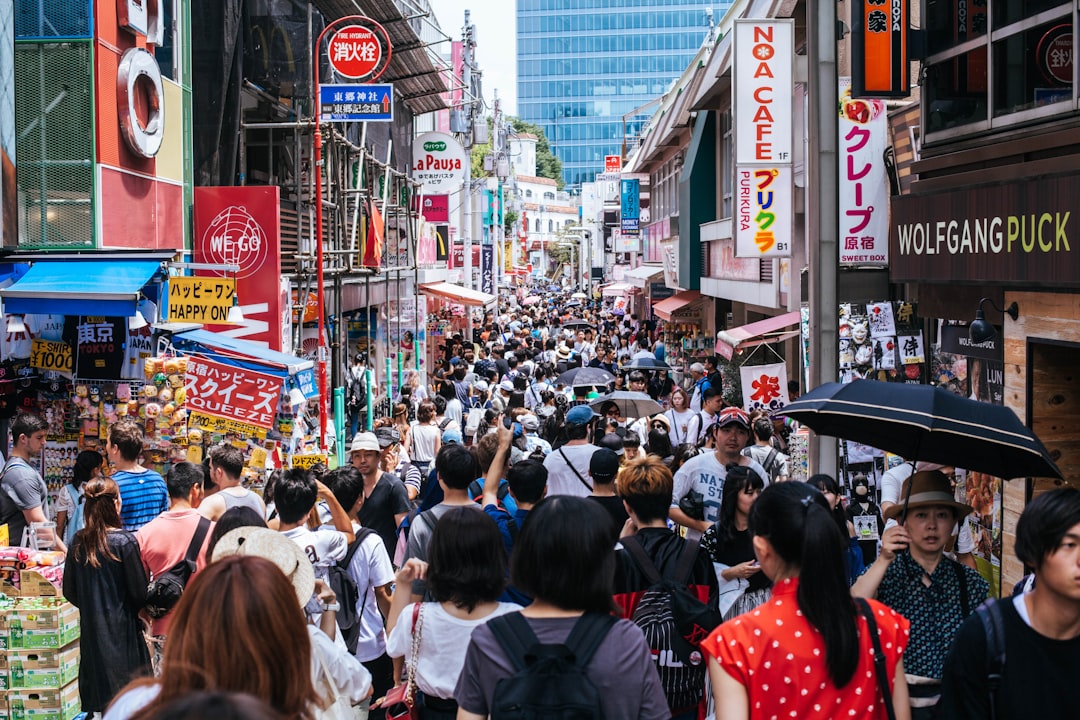
For first-timers, context matters. Takeshita Dori (竹下通り) is a roughly 350-meter pedestrian shopping street that runs from Harajuku Station toward Meiji-dori. It has been the epicenter of Japanese youth fashion culture since the 1970s and 80s, when the Harajuku Girls subculture first exploded onto the international radar. This is where trends are born before they reach the rest of the world — where kawaii (cute), decora (maximalist colorful accessories), lolita, and streetwear collide in a single, beautiful, chaotic block.
For a first-time visitor, it can feel overwhelming. Don’t panic. Read this guide first, go on a weekday if you can, and give yourself at least three to four hours. Trust me — you’ll use every minute.
The Shops You Actually Need to Walk Into
🎫 Book: Harajuku Fashion Walking Tour →
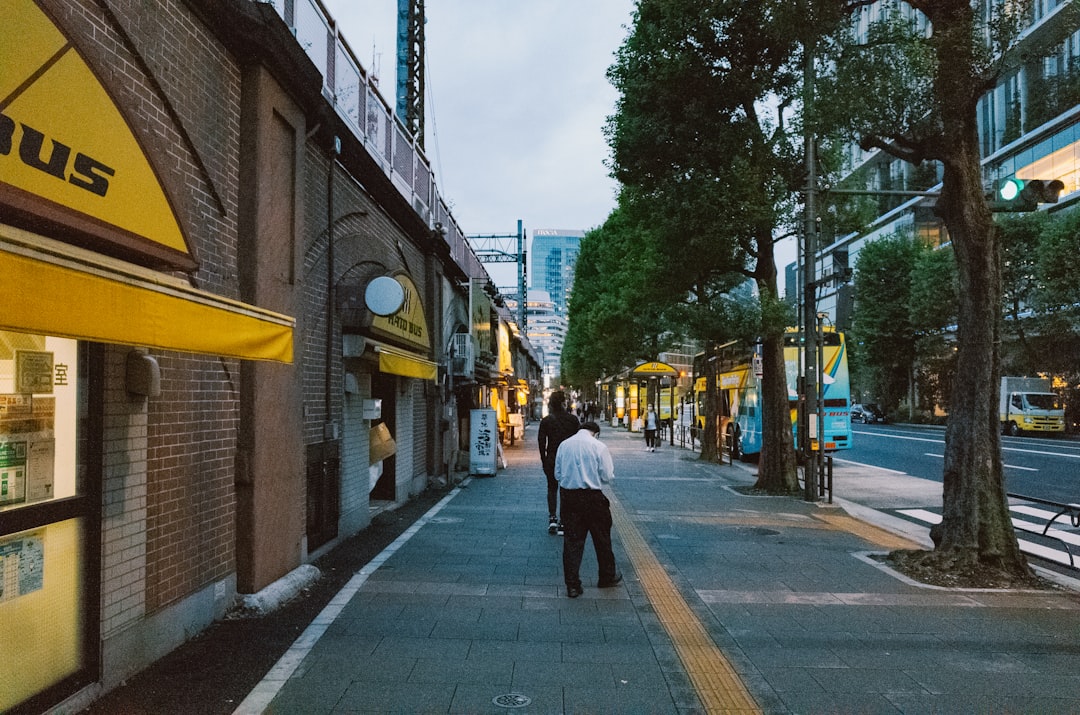
SPINNS — The Affordable Fashion Rabbit Hole
SPINNS is the store that will make first-timers feel like they’ve unlocked a secret level. It’s a multi-floor Japanese fashion chain with a heavy second-hand and vintage section on the upper floors, and it’s wildly affordable. Think oversized graphic tees, Y2K-era denim, chunky platform shoes, and racks of vintage jackets selling for ¥1,500–¥3,000 (roughly $10–$20 USD). The staff are young, cool, and genuinely unbothered — nobody will pressure you, so feel free to explore every corner. If vintage hunting is your passion, you might also enjoy exploring Koenji’s antique shops on a budget.
6%DOKIDOKI — Sensory Overload in the Best Way
This is the iconic Harajuku boutique founded by the legendary fashion designer Sebastian Masuda, the man behind Kyary Pamyu Pamyu’s visual style. Walking into 6%DOKIDOKI feels like stepping inside a kaleidoscope. The walls, the ceiling, every surface is layered with neon plastic accessories, holographic bags, and sculptural jewelry that you won’t find anywhere else on earth. Items aren’t cheap, but they are singular. If you’re going to splurge on one souvenir from Takeshita Street, make it something from here.
Bodyline and Listen Flavor — Lolita Fashion for the Curious
If you’ve ever been curious about the Japanese lolita fashion subculture — those breathtaking Victorian-inspired dresses with petticoats, lace, and parasols — Bodyline offers affordable entry-level pieces that are genuinely wearable. Listen Flavor leans more into a dark, graphic, anime-influenced aesthetic that attracts a slightly older crowd. Neither store requires you to buy anything; just walking through is a cultural education in itself.
Daiso Harajuku — Don’t Skip It
Yes, the 100-yen shop. First-timers always underestimate Daiso, and I am here to save you from that mistake. The Harajuku branch has an incredible selection of stationery, novelty items, kawaii kitchen goods, and small gifts that are genuinely excellent quality for the price. Budget travelers especially: load up here before you leave.
The Crepes: A Serious Business
🎫 Book: Tokyo Crepe & Shopping Experience →
Harajuku crepes are not an afterthought. They are a cultural institution, and if you visit Takeshita Street without eating at least one, I genuinely question your life choices.
The two most famous stands are Marion Crepes and Angel’s Heart, both located right on the main stretch. The crepes here are made fresh in front of you, folded into a cone shape (not the flat French style), and stuffed with combinations that range from classic (fresh strawberry and whipped cream) to absolutely unhinged (matcha ice cream, red bean paste, mochi, and chocolate drizzle all in one cone).
I made the mistake my first visit of ordering the most photogenic option — a tower of pink cotton candy and strawberry cream — only for a teenage girl standing next to me to kindly point at the menu and say, in careful English, “That one better,” gesturing at the custard banana caramel crepe. She was absolutely right. It was warm, deeply sweet without being cloying, and I ate it standing on the sidewalk while the entire street buzzed around me. That is the correct way to eat a Harajuku crepe.
Understanding the Youth Culture (Not Just Watching It)
🎫 Book: Tokyo Youth Culture Experience →
As a first-time visitor, it’s easy to treat Takeshita Street like a human zoo — to stand there gawking at the teenagers in extraordinary outfits and feel like you’re watching a performance. Resist that impulse. This is real life for these young people, and respecting that transforms your experience.
If you see someone in a truly spectacular outfit and want to photograph them, ask first. A simple “Shashin, ii desu ka?” (写真、いいですか? — “May I take a photo?”) is enough. In my experience, the answer is almost always yes, and often leads to a genuine moment of connection — a laugh, a shared phone screen, an explanation of what the outfit means. The fashion here isn’t costume. It’s self-expression at its most deliberate and committed.
Practical Tips for First-Time Visitors
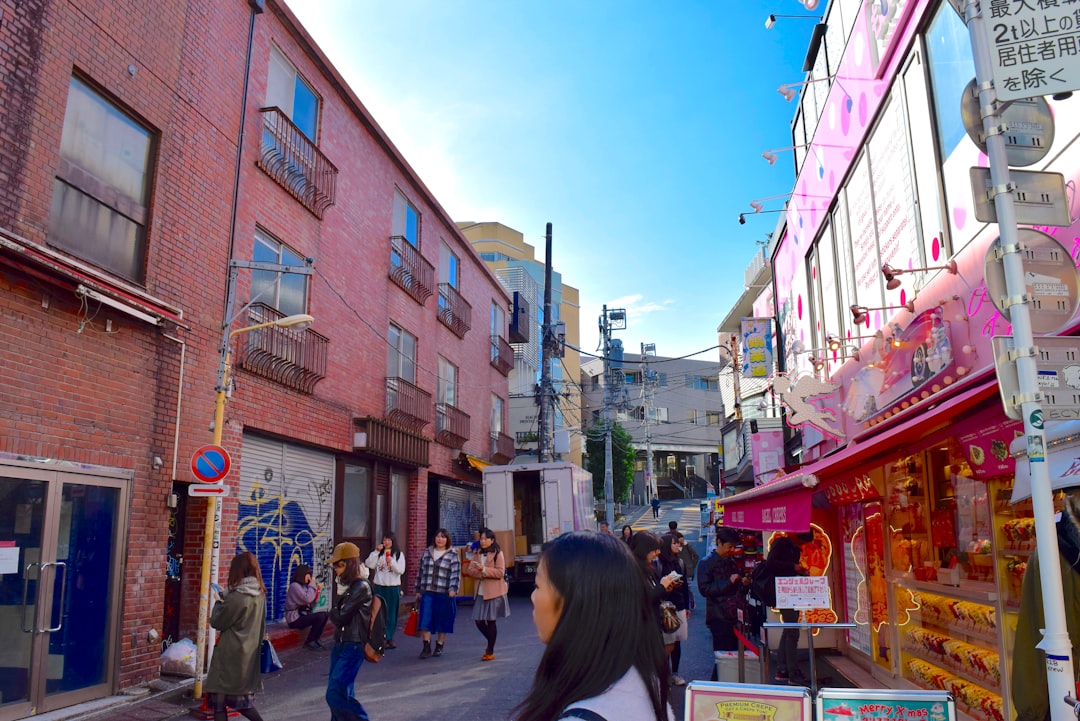
When to Go
Weekday mornings (10am–1pm) are the sweet spot. The shops have just opened, the crepe lines are manageable, and the street is busy but navigable. Weekend afternoons in summer can be shoulder-to-shoulder packed, which is an experience in itself — but not ideal if you want to actually browse shops without anxiety.
Getting There
From Harajuku Station (JR Yamanote Line), Takeshita Street entrance is literally a 60-second walk from the Takeshita Exit. You cannot miss it. Alternatively, Meiji-jingumae Station on the Tokyo Metro Chiyoda and Fukutoshin lines drops you at the Omotesando end — a slightly longer walk but a quieter approach.
Budget Planning
You can walk Takeshita Street spending almost nothing (window shopping is free and spectacular) or you can easily drop ¥20,000+ in a single afternoon. Set a budget before you go and stick to it. For first-timers, I’d suggest allocating ¥3,000–¥5,000 for one or two small fashion items, ¥800–¥1,200 for a crepe, and ¥500 for a drink from one of the smaller café windows.
What’s Nearby
Once you’ve done Takeshita Street, don’t leave Harajuku without walking five minutes south to Omotesando — the elegant, tree-lined boulevard that feels like Paris and Tokyo had a sophisticated child together. For a more curated experience, consider the Meiji Shrine and Omotesando photography walk, which captures both neighborhoods beautifully. You also have Meiji Shrine directly next door, a serene forested sanctuary that feels impossibly far from Takeshita’s chaos even though it’s a three-minute walk. For a full day in the area, the Yoyogi Park and Meiji Shrine itinerary makes a perfect complement to your Takeshita Street exploration.
One Last Moment Before You Go
On my most recent trip, I sat down on the low wall near the entrance of Takeshita Street at around 4pm, just as the light shifted to gold and the after-school crowd arrived in full force. A group of four girls, maybe fifteen years old, came around the corner wearing matching pastel-colored decora outfits — layered with clip-on stuffed animals, dozens of hair clips, mismatched stockings, platform Mary Janes. They were laughing so hard at something one of them had said that one girl had to grab another’s arm to stay upright. They weren’t performing. They were just teenagers, deeply happy, in a place that had been built to hold exactly that kind of joy.
Takeshita Street will surprise you, overwhelm you, delight you, and probably make you buy something you didn’t know you needed. That’s the whole point. First-timers, you are not prepared — and that’s exactly right. Go anyway.