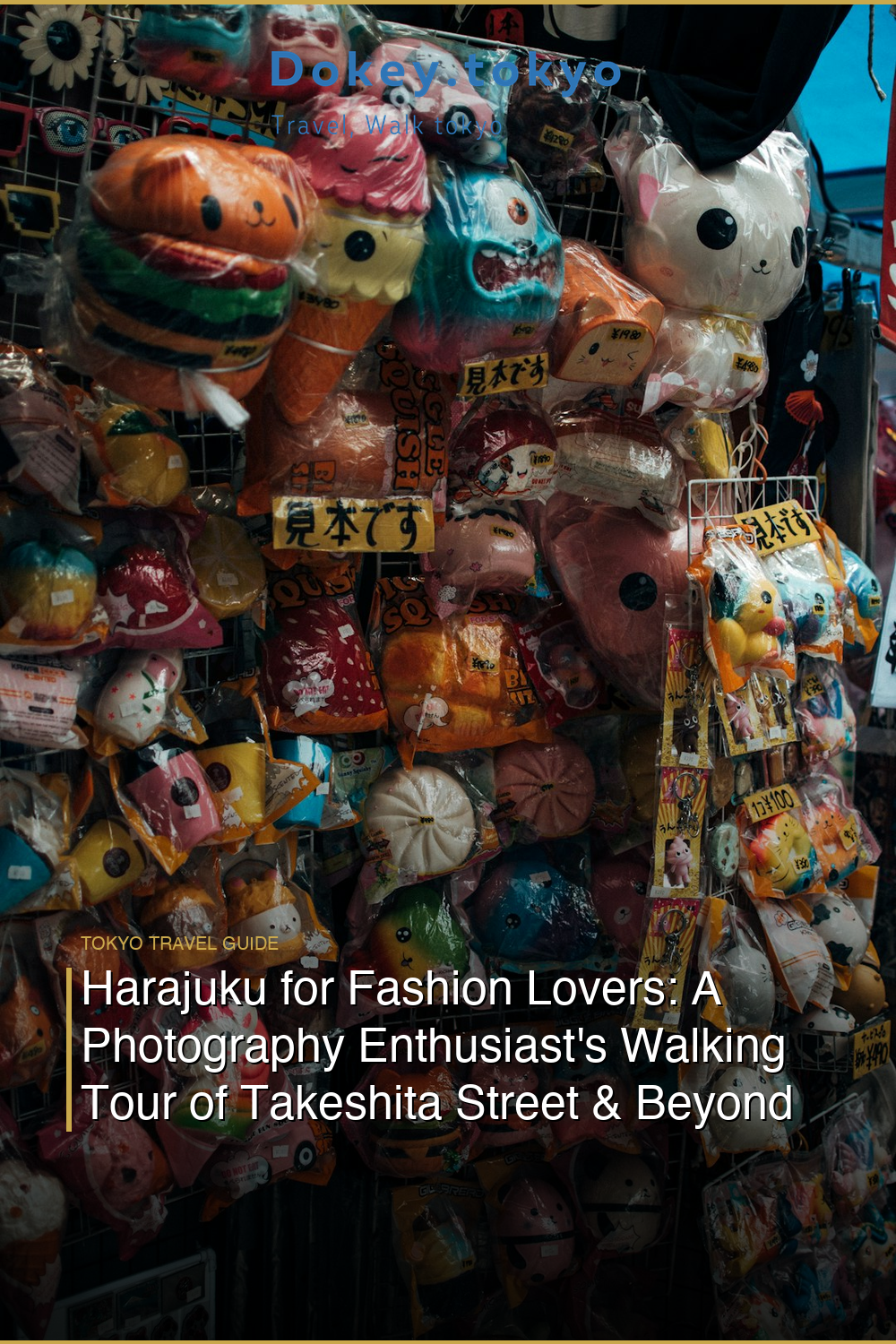
If you’ve ever scrolled through a feed of neon tutus, six-inch platform boots, and candy-coloured wigs and thought I need to be standing on that street with my camera — welcome to your people. Harajuku is the beating, glittery heart of Tokyo’s street fashion scene, and for a photography enthusiast, it’s nothing short of a living gallery that changes its exhibition every single weekend. This isn’t about snapping tourist selfies in front of a sign. This is about understanding the rhythm of the neighbourhood, earning the trust of the people who wear their identity on their sleeve — literally — and walking away with a memory card full of images that tell a real human story.
The first time I stepped out of Harajuku Station on a Sunday morning, the smell hit me before anything else — a warm cloud of crepe batter drifting from a tiny window stall mixed with something sweet and synthetic, like a candy shop opened inside a costume store. The light at 9 a.m. was still low and golden, slipping between the buildings and catching the sequins on a girl’s skirt as she adjusted her enormous pastel bow outside the station gate. I remember standing there with my camera half-raised, completely frozen — not because I didn’t know what to shoot, but because I didn’t know where to stop.
Why Harajuku Is a Photographer’s Paradise
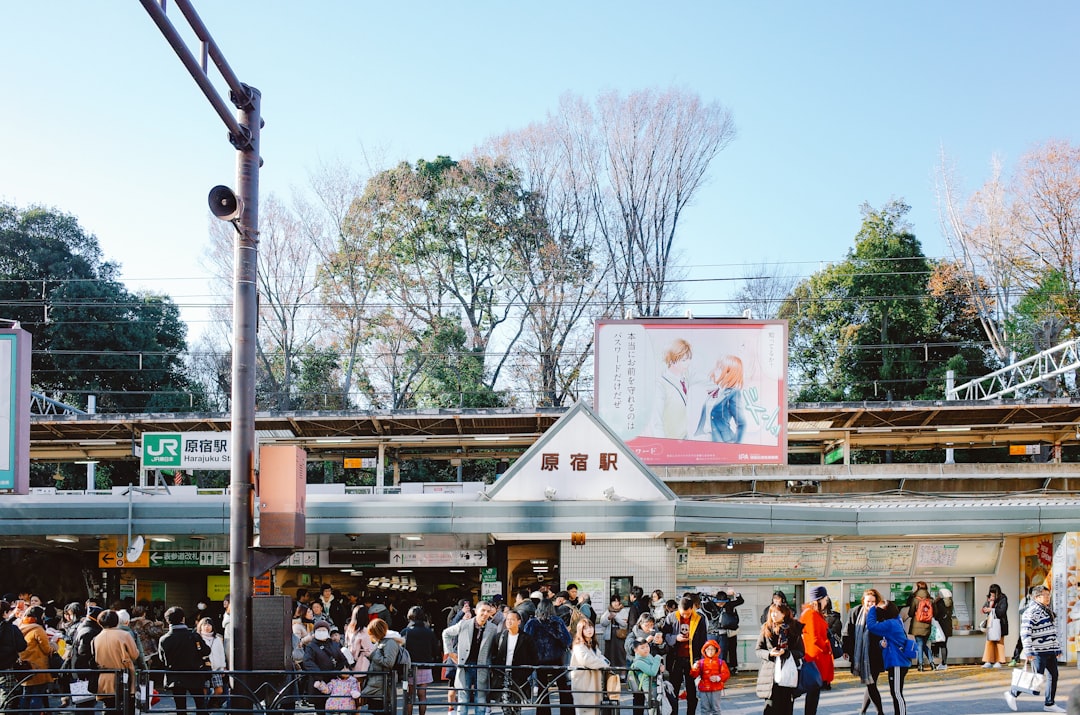
Harajuku sits in a fascinating tension. On one side of the train tracks, you have Omotesando — all sleek architecture, luxury flagships, and the kind of monochrome minimalism that belongs in an art magazine. On the other side, Takeshita Street explodes into pure visual chaos. As a photographer, you get both worlds within a ten-minute walk, which means you can capture the full spectrum of Tokyo’s style identity in a single afternoon.
The neighbourhood is also unusually welcoming to cameras. Unlike many cities where street photography feels intrusive, Harajuku’s fashion community is largely performance-oriented — many of the young people dressed in elaborate Lolita, Visual Kei, or Decora styles actively want to be seen. That said, always ask permission before shooting close portraits. A simple shashin ii desu ka? (Is it okay to take a photo?) goes a long way and almost always earns you a genuine smile — and a far better shot.
The Takeshita Street Walk: What to Shoot and When
Timing Is Everything
If you want crowds, colour, and peak fashion spectacle, arrive on Sunday between 11 a.m. and 2 p.m. That’s when the street is at full throttle — crepe queues snake out the door, groups of teens in coordinated outfits cluster near the entrance arch, and the sensory overload is completely intentional. For photographers who prefer slightly less chaos and better light, Saturday morning around 10 a.m. is a quieter window where you can actually compose a shot without someone’s takoyaki stick photo-bombing your frame.
The Entrance Arch Shot
The iconic pink Takeshita Dori arch at the Harajuku Station end is your establishing shot — it tells the whole story before you’ve walked a single metre. Shoot it from street level with a wide lens and include foot traffic in the frame. The compression of bodies, colours, and signs creates that quintessential Harajuku energy. Come back at dusk if you can; the neon signs flicker on and the arch transforms into something almost cinematic.
Mid-Street: The Shop Facades
Takeshita Street itself is only about 350 metres long, but every storefront is a set piece. SWIMMER, the pastel-kawaii accessories brand, has window displays that look like they were designed by a graphic designer who only eats cotton candy. 6%DOKIDOKI — the sensory overload accessories store founded by the legendary Sebastian Masuda — is essential. Shoot the layered window display first, then go inside where every inch of wall space is covered in clashing neon plastic jewellery. Use a 35mm prime and get close; the details are everything here.
On my third visit to Harajuku, I wandered into a tiny basement shop called Acdc Rag — a secondhand alternative fashion store tucked down a side staircase I’d walked past twice — and found an entire rack of handmade Decora accessories that a local seller had dropped off that morning. The shop girl, noticing my camera, pulled out an absolutely unhinged rhinestone-encrusted flip phone from behind the counter and held it up with zero explanation. I shot it. It’s still one of my favourite frames from all of Tokyo.
Beyond Takeshita: The Side Streets That Reward the Curious
Cat Street
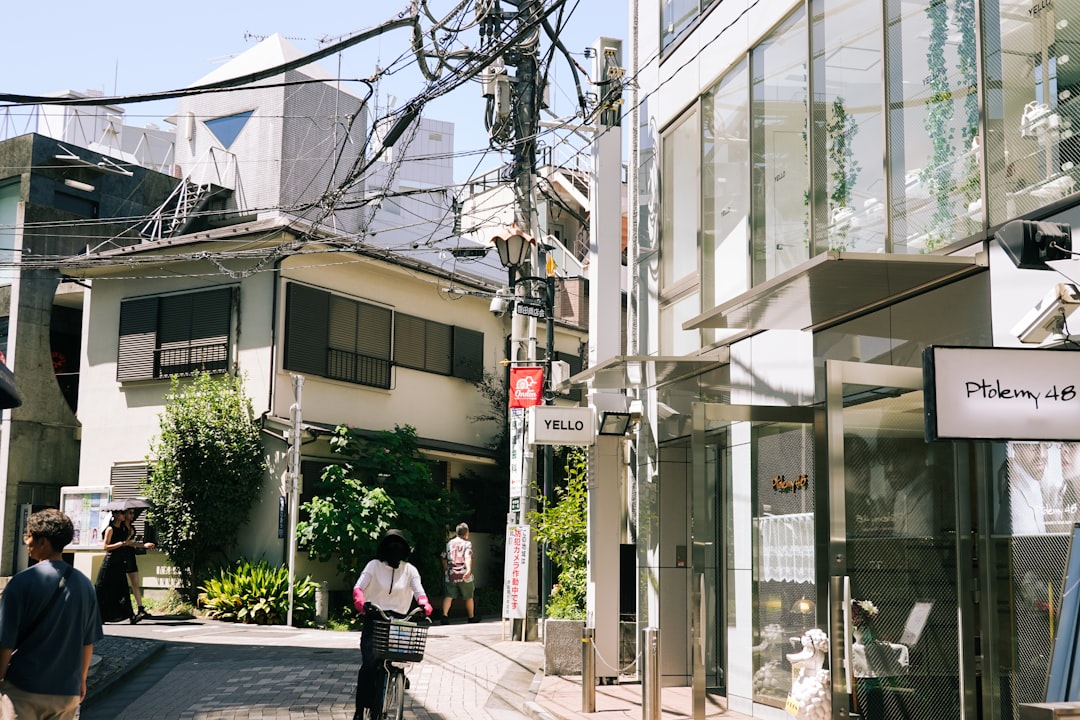
Run parallel to Omotesando, Cat Street is Harajuku’s cooler, quieter sibling. This is where Tokyo’s fashion-forward locals actually shop — think independent designers, curated vintage, and streetwear brands that haven’t made it onto Instagram’s algorithm yet. The architecture here is more photogenic for street portraiture: low buildings, exposed-brick patches, and a canopy of trees that diffuse the midday light beautifully. Look for Kinji, a two-floor used clothing shop with rotating stock that draws serious fashion hunters, and shoot the queue outside on weekend afternoons.
Ura-Harajuku (Behind Harajuku)
The backstreets between Takeshita and Meiji-dori — sometimes called Ura-Harajuku — are where the real fashion archaeology happens. Small designer studios, bespoke tailors, and popup spaces appear and disappear seasonally. Bring a wide-angle lens for the narrow alleyways and a fast 50mm for the impromptu portraits you’ll find around every corner.
Food & Drink Stops (With a Photographer’s Eye)
Harajuku feeds the eyes before it feeds the stomach, but the food is absolutely worth documenting.
Marion Crepes near the Takeshita entrance is the original crepe spot — they’ve been folding these paper-wrapped towers since 1976. Order the strawberry and custard, hold it against the street chaos behind you, and shoot it with a shallow depth of field. The crepe is crisp and just sweet enough, and watching it get constructed at the counter is a great candid sequence.
Totti Candy Factory is unashamedly designed for photography — their rainbow candy floss is served in flavours like soda and strawberry and sold specifically because it photographs well. Lean into it. Your audience back home will forgive you.
For a sit-down moment that feels genuinely local, duck into Café de l’Ambre on a side street off Omotesando. It’s Tokyo’s oldest coffee-only café, opened in 1948, and the interior — dark wood, suspended glass siphons, a single elderly barista moving with complete precision — is the visual opposite of Takeshita’s neon storm. Shooting the contrast between these two worlds tells a better story about Harajuku than any single image can.
Practical Tips for Photographers in Harajuku
What to bring: A mirrorless or DSLR with a 35mm prime for street work, a wide-angle for shop interiors, and a fast lens (f/1.8 or wider) for low-light arcade and basement stores. Bring a portable battery — you’ll be shooting constantly.
Golden hours: Sunrise on Sunday morning gives you an eerily empty Takeshita Street — strange, beautiful, completely different from the afternoon crush. Blue hour on Saturday evening turns Omotesando into a luxury fashion editorial.
Asking permission: Learn the phrase shashin o totte mo ii desu ka? — a more polite version of the photo request. Most Harajuku fashion participants are generous with their time when you show genuine admiration rather than treating them like tourist props.
Storage and editing: Several cafés in the area have fast WiFi, including % Arabica on Omotesando. After a full day of shooting, find a corner table, order the Gibraltar (their signature short latte), and start your cull while the images are still fresh.
It was late afternoon on my last visit — maybe 4:30 p.m. — when the golden light came slanting down Takeshita Street at exactly the right angle and caught a girl in a full Victorian Lolita dress, standing completely still while her friend adjusted her bonnet. The street was loud and moving around her, but she was perfectly composed, like a painting someone had carefully placed in the middle of a carnival. I asked — she nodded — and I took one frame. I didn’t need another.
Getting There and Getting Started
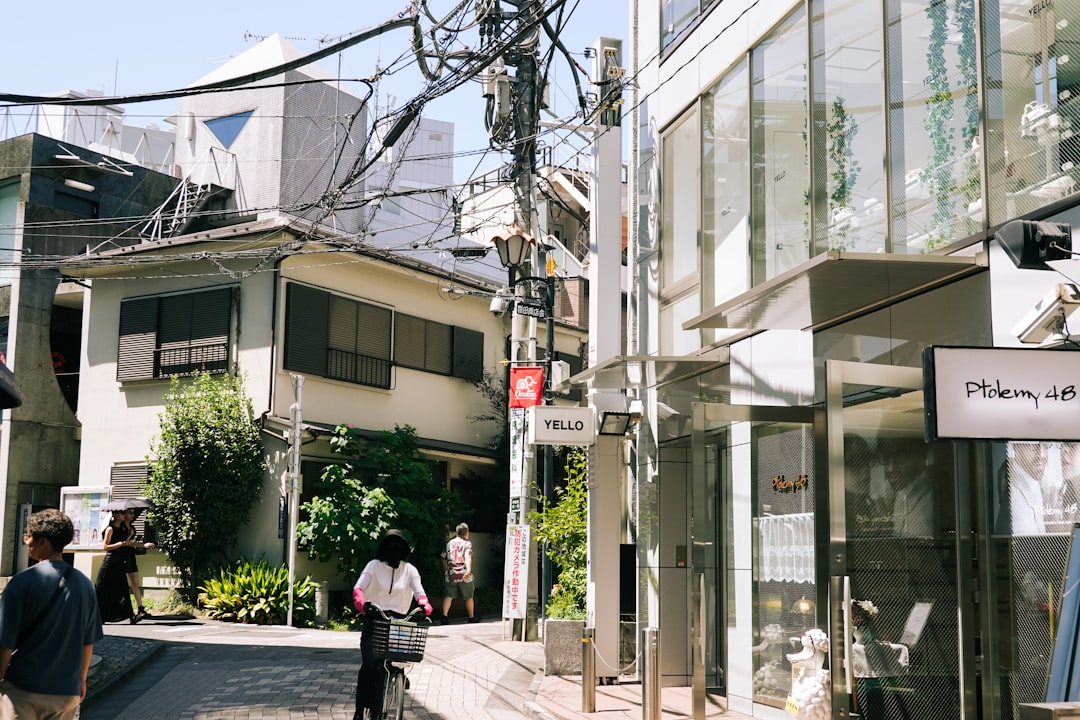
Harajuku Station is on the JR Yamanote Line, two stops from Shibuya. It’s also accessible via Tokyo Metro at Meijijingumae Station. The walk from the station gates to the Takeshita Street arch takes under two minutes. No map required — follow the sound of J-pop and the smell of crepe batter.
Plan for at least four hours if you’re serious about photography. Two hours on Takeshita and the immediate backstreets, one hour on Cat Street, and one hour floating between Omotesando and café-hopping. Come hungry, come with charged batteries, and come ready to be surprised. Harajuku doesn’t do subtle — and as a photographer, that’s exactly the gift.