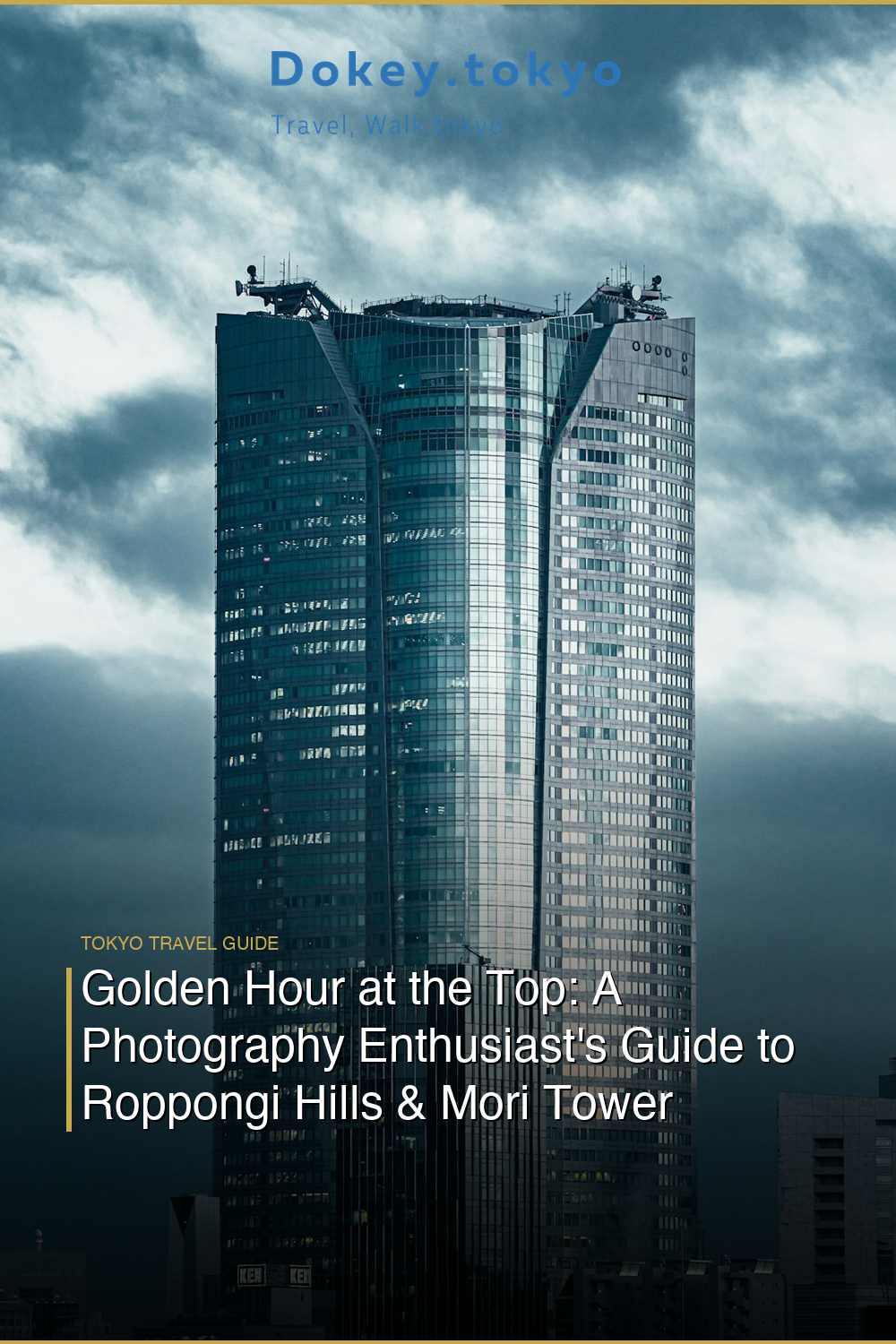
If you’ve ever scrolled through Instagram and stopped dead at a photo of Tokyo’s skyline — that electric sea of light stretching to the horizon with Mount Fuji floating ghostlike in the distance — there’s a good chance it was taken from the 52nd floor of Mori Tower in Roppongi Hills. This complex is not just a shopping mall with a view. It’s a layered, light-drenched, visually relentless destination that rewards photographers who know how to work it. And after five separate visits spread across different seasons and times of day, I can tell you: there is no single ‘right’ way to shoot this place. There are only better and worse ways to understand it.
I still remember stepping out of Roppongi Station exit 1C for the very first time, late on a humid August evening. The air smelled like warm concrete and yakitori smoke drifting from a tiny grill tucked under the elevated rail line. The moment I turned the corner and the illuminated spider sculpture — Louise Bourgeois’s Maman — rose up against the dark sky, enormous and impossibly delicate at the same time, my hands were already reaching for my camera before my brain had caught up. That’s the feeling Roppongi Hills gives you. It doesn’t ease you in.
Why Roppongi Hills Is a Photographer’s Playground
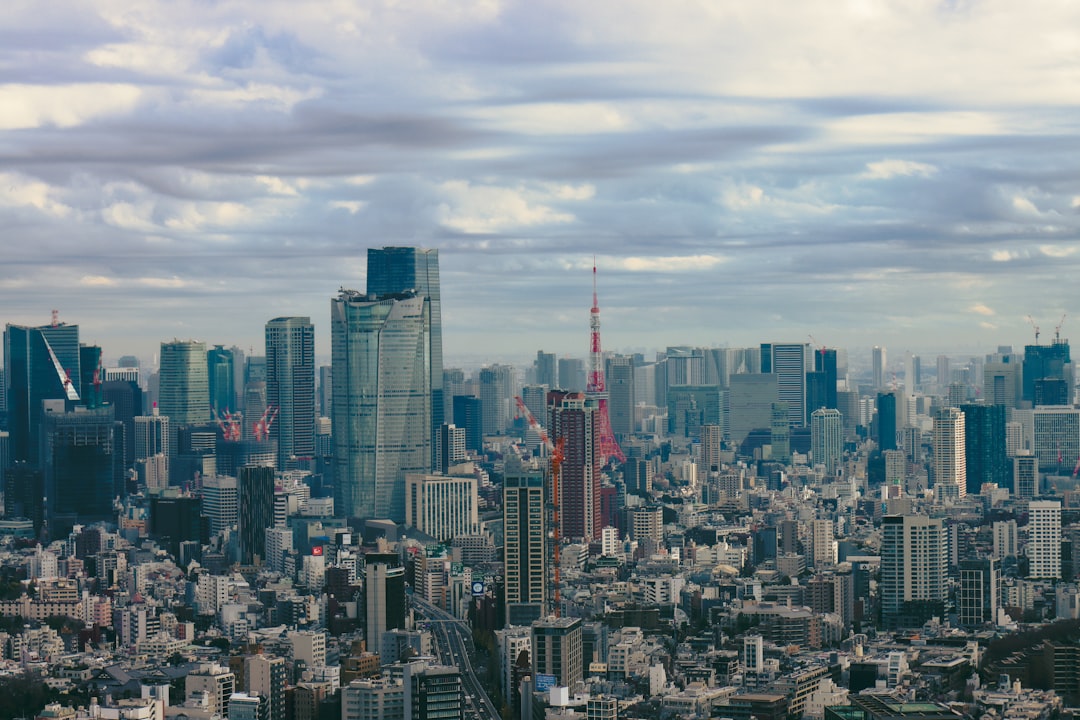
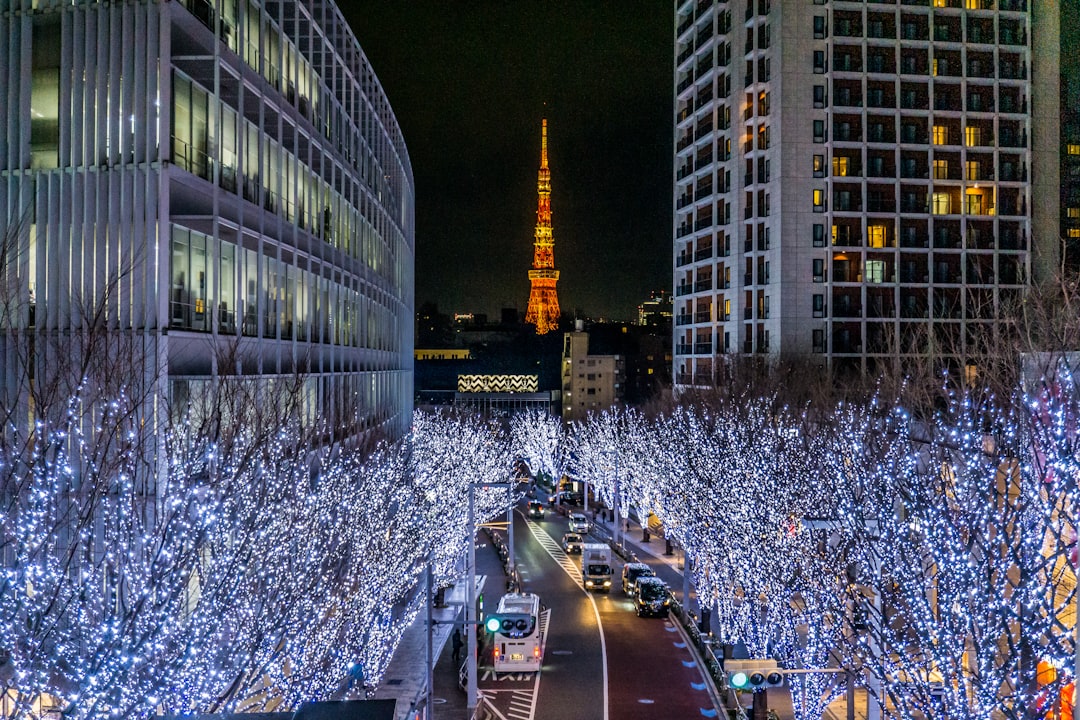
Roppongi Hills is one of those rare urban environments where architecture, public art, commercial design, and natural light all compete for your attention simultaneously. Built by developer Minoru Mori and opened in 2003, it spans 11 hectares and includes residences, offices, a hotel, a TV studio, restaurants, and the Mori Tower at its center. For photographers, every surface is a potential frame — the curved glass façades that mirror clouds and neighboring rooftops, the terraced Keyakizaka Boulevard lined with zelkova trees that glow amber in autumn, the geometric shadows cast by the tower on the plaza below at midday.
But the crown jewel is, without question, the Tokyo City View observation deck and the rooftop Sky Deck above it.
Mori Art Museum: Shoot Art Without Apology
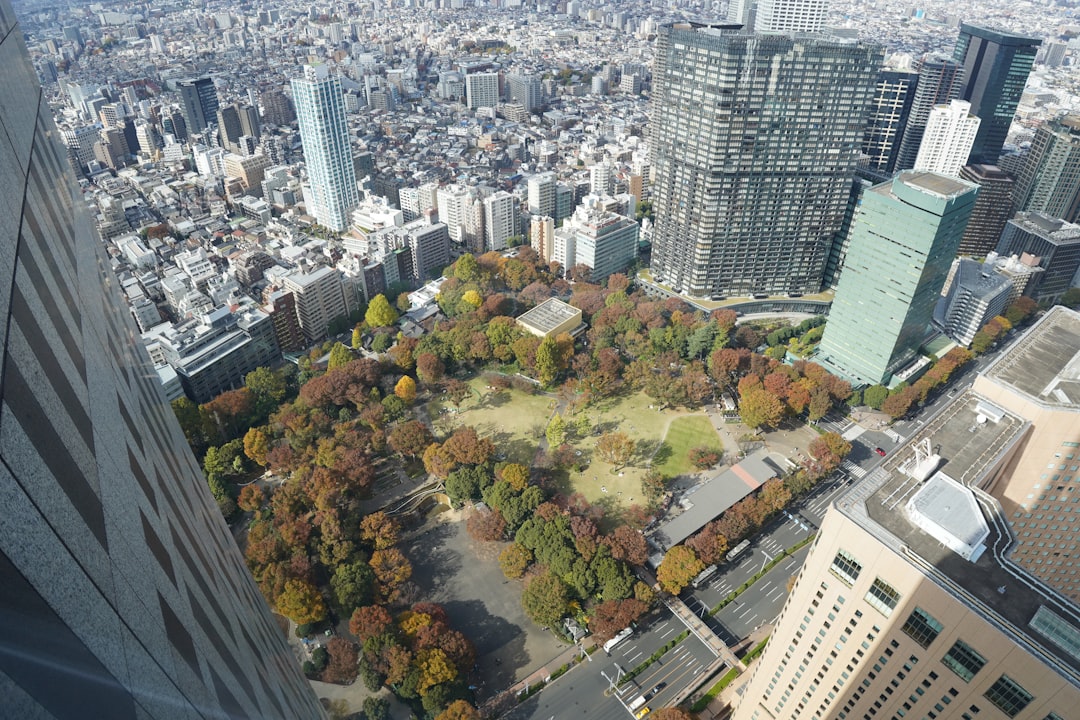
Before you ascend to the observation deck, stop at the Mori Art Museum on floors 52 and 53. What makes this museum special for photographers is its unapologetic embrace of contemporary and often visually explosive art. Unlike many traditional museums in Tokyo, Mori Art Museum frequently permits photography — though always check the current exhibition rules at the entrance, as policies shift per show.
On one visit, I walked into an Yayoi Kusama ‘Infinity Mirrored Room’ installation and spent a full 45 minutes working angles in that glittering, infinite tunnel of light. The trick — and this is something a museum staff member quietly told me when she saw me struggling with exposure — is to switch to manual mode, set your ISO low (around 400), and let the shutter drag just slightly to capture the light trails without blowing the highlights. She said it so matter-of-factly, like she’d watched a hundred photographers make the same mistake, then smiled and walked away. That single tip changed every photo I took that afternoon.
Practical Museum Tips for Photographers
- Arrive at opening (10:00 AM) to beat group tours and get clean compositions
- Combined ticket covers both the museum and Tokyo City View — worth every yen
- Mirrorless cameras are less conspicuous than DSLRs if you want to shoot candidly in gallery spaces
- Tripods are generally not permitted inside the museum, but a small GorillaPod placed on a bench or railing can work discreetly
Tokyo City View: Timing Is Everything
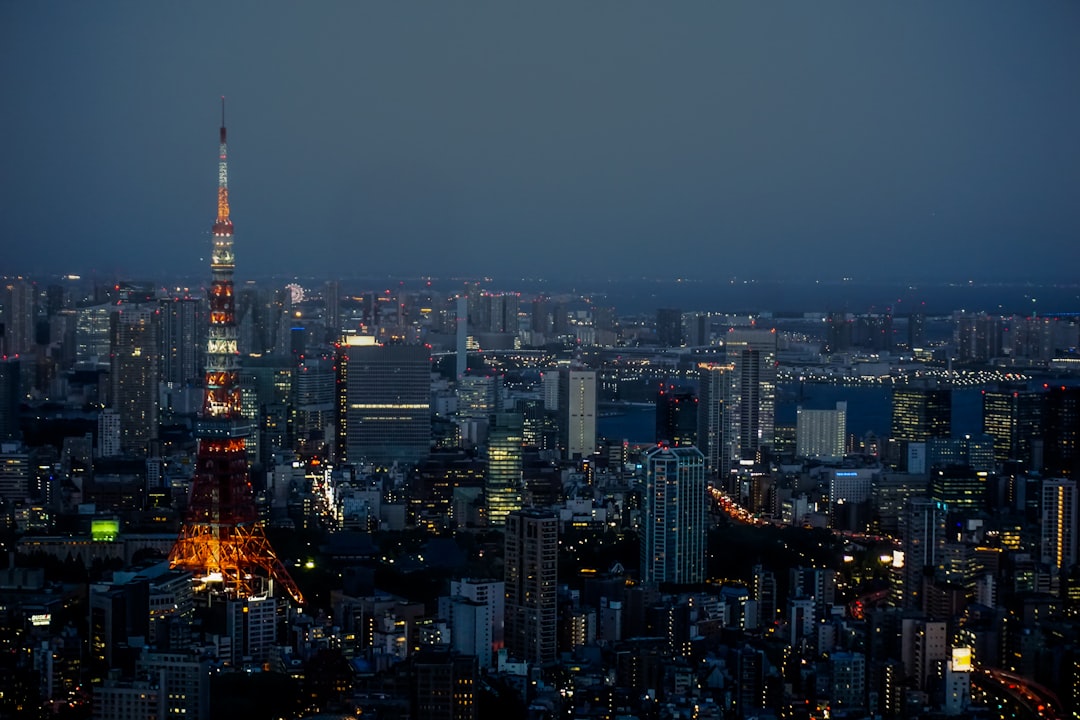
The observation deck at Tokyo City View opens at 10:00 AM and runs until 11:00 PM (last entry 10:30 PM). For photographers, there are three distinct golden windows:
Blue Hour Just Before Sunrise (Sky Deck Only, Weather Permitting)
If you can manage the early start, the Sky Deck — the open-air rooftop on the 54th floor — occasionally opens for special early-morning events. Follow Mori Art Museum’s official social media channels for announcements. The reward is a Tokyo that belongs entirely to you, washed in pre-dawn indigo.
Late Afternoon Into Golden Hour
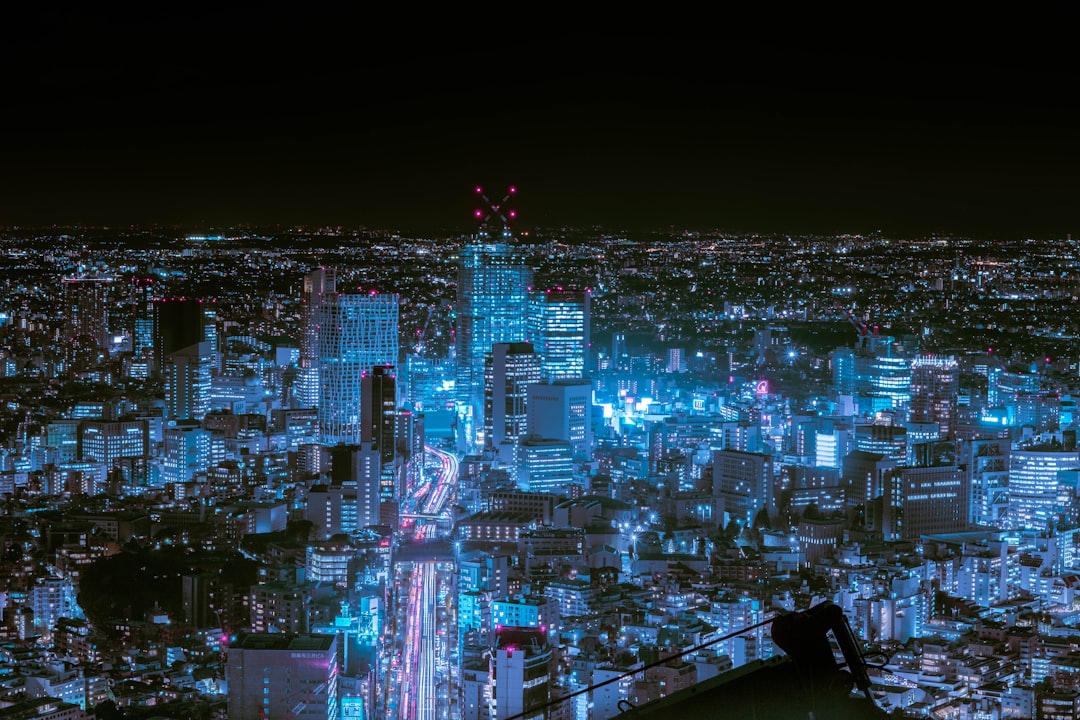
Arrive around 4:00–4:30 PM. Spend an hour shooting the city in the warm directional light, watching the shadows lengthen across the grid of streets below. Then stay through sunset. The transition from daylight to the city’s electric glow — that 20-minute window when both the sky and the city lights are balanced in exposure — is what photographers call ‘the sweet spot,’ and from this height, it is absolutely extraordinary. On clear days between November and February, Mount Fuji appears to the southwest, catching the last pink light long after the city below has gone blue.
Full Night Shoot
Come back after 9:00 PM on a weekday when the weekend crowds thin. The city at full darkness from 52 floors up is a different photographic challenge — long exposures reveal light trails from the expressways below, and the Tokyo Tower, lit in orange and white just to the south, anchors every wide composition beautifully.
Gear Recommendations for the Deck
- A compact travel tripod is permitted on the observation deck (confirm at reception)
- Bring a polarizing filter for daytime shots to cut glass reflection from the windows on lower indoor levels
- 24–70mm range covers most scenarios; a wide prime like a 16mm or 20mm works brilliantly for interior architectural shots
- Pack a lens cloth — the glass on the indoor viewing floor picks up every fingerprint from the tourists who pressed their faces against it before you
The Outdoor Sculpture Garden: Street Photography Without the Crowds
Most visitors rush past the open-air Roppongi Hills Arena plaza and Mori Garden below the tower. Don’t. The garden is a traditional Japanese landscape design wrapped around a pond, sitting incongruously between skyscrapers and a highway — and in cherry blossom season (late March to early April), it is quietly one of the most surreal floral compositions in all of Tokyo. Petals falling into the koi pond while the tower reflects in the water above them. I have a photograph from that exact spot that still stops people cold when I show it.
The public art scattered across the complex — beyond Maman — includes works by Anish Kapoor, Takashi Murakami, and Ron Mueck. Map them out in advance on the Roppongi Hills website and build a walking route that catches them in morning side-light.
Eating & Drinking With Your Camera in Hand
Roppongi Hills has restaurants across every price point, but for photographers, two spots earn special mention.
The 51st Floor Restaurants — Several dining options sit just below the observation deck and offer floor-to-ceiling window views. Sky Restaurant 634 is popular (book ahead), but even grabbing a window seat at the adjacent café bar for a late-afternoon coffee gives you a composition you can’t get from the observation deck itself — you’re shooting through the building’s structure, with diners and interior lighting in the foreground and the infinite city behind.
Keyakizaka Complex Ground Level — After a long shoot, I always end up at one of the open terrace tables along Keyakizaka Boulevard, usually with a glass of Nagano Chardonnay and a plate of ebi-ten (crispy tempura prawns) from a nearby izakaya. The zelkova trees strung with warm lights above the tables make for beautiful ambient bokeh backgrounds if you’re shooting a companion or a tablescape.
It was at one of those tables, on my third visit, just after 10:00 PM on a cold February night, that I finally lowered my camera and just looked. The tower above me was glowing, the boulevard was quiet, my fingertips were numb from the cold, and a couple nearby was sharing a single bowl of ozoni soup, steam rising between them. I don’t have a photograph of that moment. I didn’t reach for the camera. Some frames you just keep.
Best Times to Visit Roppongi Hills for Photographers
- Autumn (October–November): Foliage along Keyakizaka turns gold and red; low-angle afternoon sun creates long dramatic shadows
- Winter (December–February): Clearest air, best chance of Mount Fuji views; Christmas illuminations in December transform the boulevard
- Cherry Blossom (Late March–Early April): Mori Garden sakura is underrated and far less crowded than Ueno or Shinjuku Gyoen
- Avoid: Late July and August for outdoor shooting — haze obscures distant views and heat shimmer affects long-distance shots
Getting There & Practical Notes
Take the Tokyo Metro Hibiya Line to Roppongi Station (exit 1C) or the Toei Oedo Line (exit 3). The walk to the Mori Tower entrance is about five minutes and signed clearly. Allow a minimum of four hours if you’re combining the museum and both observation levels. The combined ticket for Tokyo City View and Mori Art Museum runs around ¥2,200–¥2,500 depending on the current exhibition — an honest bargain for what you get. The Sky Deck rooftop costs an additional ¥500 and is weather-dependent; check the official website on the morning of your visit for open/closed status.
For the serious shooter, Roppongi Hills isn’t a single afternoon’s destination. It’s a place you return to at different hours, in different weather, in different seasons — and each time it hands you something you didn’t expect and couldn’t have planned for.