If you’ve ever tried to drag a three-year-old through a hushed art gallery while they loudly demand snacks and point at everything they’re not supposed to touch, you’ll understand why Ueno Park felt like a miracle to me. This sprawling green oasis in central Tokyo somehow manages to be both a serious cultural hub and an absolute playground for tiny humans — and it’s one of the few places in Japan where I’ve genuinely watched parents exhale.
The first time I arrived at Ueno Station with my husband and our then-four-year-old, it was a crisp October morning and the park entrance smelled like roasting sweet potato from a vendor cart just outside the gate. My daughter grabbed my hand and pulled me forward before I even had my map open — there were pigeons to chase, a fountain catching the light, and somewhere in the distance, the distant bellow of what we’d later discover was a sea lion at the zoo. That morning set the tone for what became our favorite full-day family itinerary in all of Tokyo.
Why Ueno Park Is the Best Family Base in Tokyo
🗾 Book: Private Tokyo tour, customize museums an →
🗾 Book: Customized day tour seeing Tokyo’s must- →
🗾 Book: Private Tokyo tour, customize museums an →
🗾 Book: Customized day tour seeing Tokyo’s must- →
🎫 Book: Ueno Park Museums Family Tour →
Ueno Park sits in Taito City, about five minutes from Ueno Station on the JR Yamanote Line, and it punches well above its weight for families. Within a single walkable district, you get the Tokyo National Museum, the National Museum of Nature and Science, the Ueno Zoo (home to Tokyo’s famous giant pandas), a boating lake, multiple playgrounds, cherry blossom promenades, and enough street food stalls to fuel even the pickiest eater. For parents traveling with young kids, this concentration of experiences means fewer taxi rides, fewer logistical disasters, and more actual fun.
Stroller access throughout the park is generally excellent — wide paved paths connect all the major attractions, and most museum buildings have elevators and ramp access. Bring your compact stroller rather than the full travel system, because you’ll be folding it for elevators and navigating through crowds near the zoo entrance.
Start with the Tokyo National Museum: More Kid-Friendly Than You’d Think
🗾 Book: Guided tour of Tokyo’s top cultural attr →
🎫 Book: Tokyo National Museum Kids Entry →
I know what you’re thinking. A national museum with a two-year-old? Hear me out.
The Tokyo National Museum (TNM) is Japan’s oldest and largest museum, housing over 120,000 artifacts spanning Japanese art, archaeology, and history. It sounds intimidating, but the main Honkan building is designed in a wide, looping gallery layout that actually works brilliantly with restless kids. You don’t have to see everything — and you absolutely shouldn’t try.
What to Actually See with Little Ones
Head straight to the ground floor samurai armor displays. Full suits of lacquered warrior armor behind glass have a 100% success rate with kids aged two and up in my experience. My daughter stood in front of one for a full four minutes — an eternity in toddler time — whispering “knight, knight, knight” at it. The ancient pottery section also holds surprising appeal: big round clay vessels with animal shapes fascinate tiny hands even when those hands can’t touch.
The museum gardens (open seasonally, usually spring and autumn) are a hidden gem most families skip entirely. A gardener named Mr. Hashimoto — who was raking leaves when I wandered back there one afternoon — told me quietly that the teahouse in the back garden is one of the oldest structures on the grounds and almost nobody visits it. He was right. We had a mossy, lantern-lit path entirely to ourselves while the main museum buzzed with visitors.
Practical tips for TNM with kids:
– Admission: ¥1,000 for adults; children under 18 are FREE
– Coin lockers available near the entrance for bulky gear
– The museum café (Restaurant Honkan) has a children’s set meal and high chairs
– Best timing: arrive at 9:30 AM when doors open and crowds are thinnest
– Allow 60–90 minutes maximum — don’t push for more with toddlers
The National Museum of Nature and Science: This One’s for the Kids
🗾 Book: Guided tour of Tokyo’s top cultural attr →
If the National Museum is for the parents, the National Museum of Nature and Science (Kokuritsu Kagaku Hakubutsukan) is unambiguously, joyfully for the children. And honestly? As an adult, I love it too.
The blue whale skeleton suspended from the ceiling of the entrance hall is the single best “wow moment” I’ve witnessed from a child in any museum anywhere in Asia. My daughter burst into tears — not from fear, but from the sheer overwhelming scale of it. Happy tears. She still talks about “the biggest fish” three years later.
Must-See Exhibits for Young Families
The Japan Gallery on the lower floors walks through prehistoric life, early humans in Japan, and native wildlife in a way that’s visual, tactile, and engaging without being text-heavy. Look for the robotic dinosaur displays and the touchable fossil replica stations — kids can run their fingers over replicated mammoth teeth and dinosaur bone casts.
The Global Gallery upstairs covers space, deep sea creatures, and earth science. The deep sea tank displays with bioluminescent creature models are genuinely mesmerizing at any age.
Practical tips:
– Admission: ¥630 for adults; children under 18 are FREE
– Weekends get crowded by 11 AM — visit on weekdays if your schedule allows
– There’s a proper nursing room near the ground floor restrooms
– Budget 90 minutes to two hours here easily
Ueno Zoo and the Pandas: Manage Expectations Wisely
🎫 Book: Ueno Zoo Pandas Family Visit →
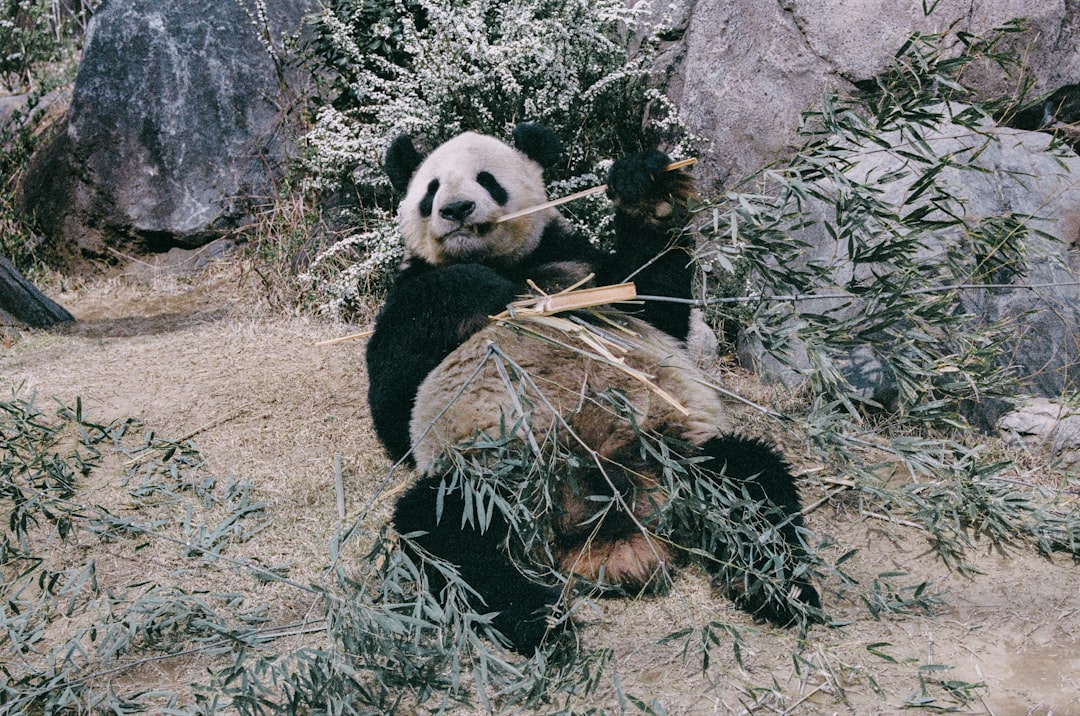
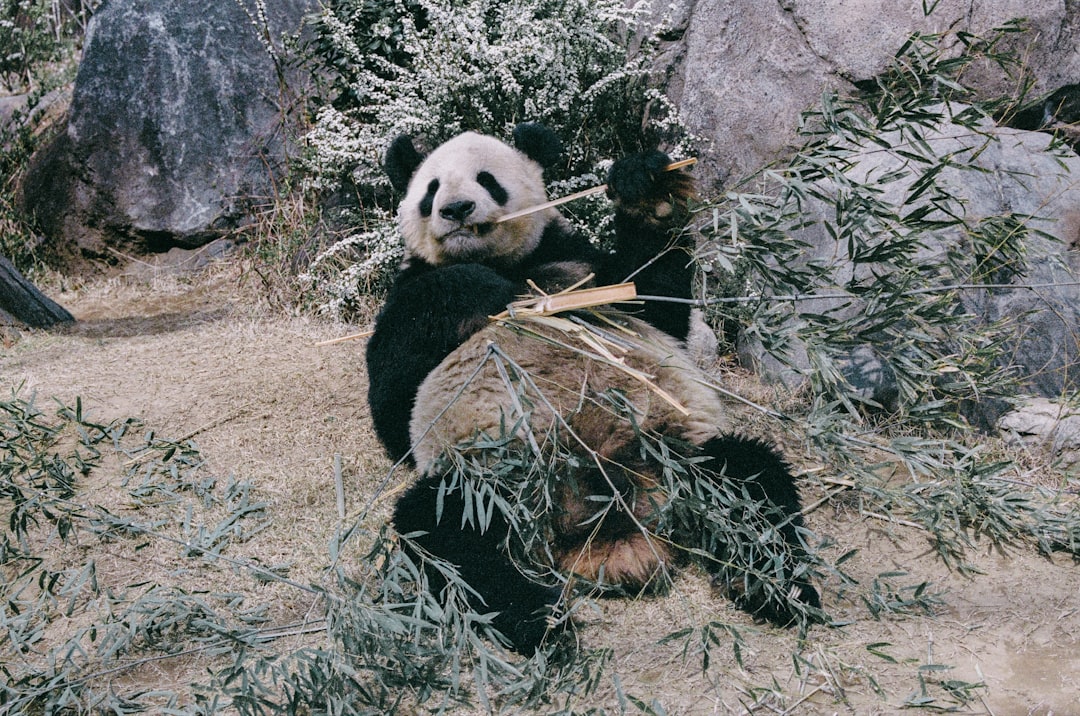
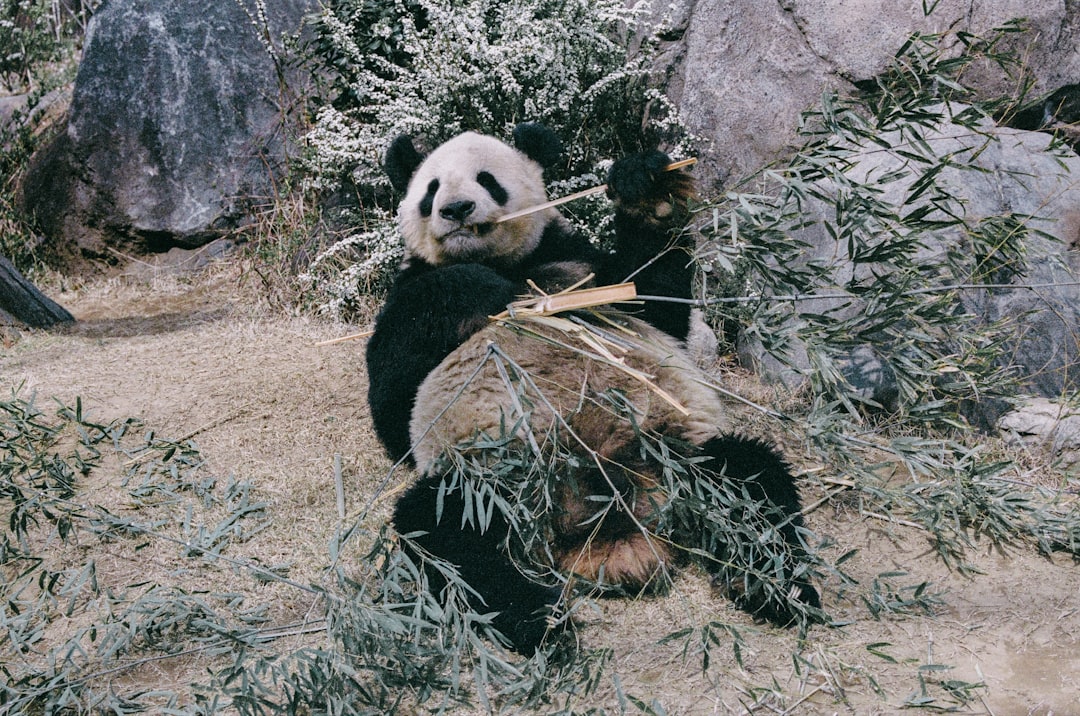
Let’s talk about the pandas. Tokyo’s Ueno Zoo is home to giant pandas Xiao Xiao and Lei Lei (born in 2021), and they are the rock stars of the entire park. Lines to see the panda enclosure on weekends can stretch 45–60 minutes — with toddlers, that is a lifetime.
My honest advice: go on a Tuesday or Wednesday morning, arrive at zoo opening (9:30 AM), and walk directly to the panda house before doing anything else. We did exactly this and walked straight up to the glass. Both pandas were awake, moving, and eating bamboo within arm’s reach. My daughter pressed her face against the glass and said “sleepy bear” so loudly that other visitors laughed.
Beyond pandas, the zoo’s west garden has a children’s area with friendly farm animals that can be observed up close — goats, sheep, and rabbits — which often delights toddlers even more than the “big” animals because they can actually see them at eye level.
Practical tips for Ueno Zoo:
– Admission: ¥600 for adults; children under middle school age are FREE
– Closed Mondays (or the following Tuesday if Monday is a holiday)
– Stroller rental available at the entrance if you need one
– The zoo café sells karaage (fried chicken) and soft serve — both crowd-pleasers
Exploring the Yanaka Cultural District: A Slow Afternoon Escape
After lunch, if your kids are still standing — and yours might not be, and that’s completely fine — the Yanaka district is a 10-minute walk northeast from the park and one of the most beautifully preserved old-Tokyo neighborhoods left in the city. Narrow lanes, wooden shopfronts, local temples, and a famous shotengai (shopping street) called Yanaka Ginza make this feel like stepping back in time.
For families, Yanaka works best as a slow meander rather than a checklist. Kids can explore the cemetery paths (genuinely lovely, not spooky — think mossy stones and cats sleeping on graves), and Yanaka Ginza has multiple shops selling cheap, charming Japanese toys and sweets. If you’re interested in exploring other historic neighborhoods with similar character, consider a walking guide from Senso-ji Temple to Tsukishima, which also captures that old-Tokyo atmosphere.
Where to Eat: Family-Friendly Food Around Ueno
Ueno’s food scene around the park entrance caters heavily to families and tourists, which is actually a blessing when you’re traveling with picky eaters.
- Izuei Ueno Main Branch — Famous for unaju (eel over rice). Sounds adventurous, but the kids’ bento sets here are gentle and beautifully presented. My daughter ate every grain of rice.
- Ueno Yamashita Square food stalls — Taiyaki (fish-shaped cakes filled with sweet red bean or custard), yakitori skewers, and soft-serve corn. Basically a toddler paradise.
- Ameya-Yokocho Market — Just outside the park, this open-air market is loud, vibrant, and sells everything from fresh fruit to Japanese street snacks. Great for letting kids point at things and try something new.
Best Time to Visit Ueno Park with Kids
Autumn (October–November) is my personal favorite for families — the crowds are lighter than cherry blossom season, the temperatures are mild (around 15–22°C), and the park’s maple trees turn a spectacular amber-red that makes every photo look like a postcard. Spring (late March–early April) is magical during sakura season but genuinely overwhelming with crowds — I’d skip it with toddlers unless you’re specifically chasing the blossoms.
Mid-week days will always serve you better than weekends. Museums are quieter, zoo lines are shorter, and you’ll find it easier to navigate with a stroller.
On our last afternoon in Ueno, we collapsed onto a park bench near the Shinobazu Pond as the sun dropped low and turned the lotus-covered water gold. My daughter had a half-eaten taiyaki in one hand and a dinosaur eraser she’d bought at the museum gift shop in the other, and she fell asleep mid-sentence while trying to tell me about the whale. The pond smelled like greenwater and earth, a canal-city smell that’s entirely Tokyo, and the temple bell at Benten-do rang once across the water. It was the kind of tired that only comes from a day genuinely well spent.
Final Tips for a Smooth Ueno Museum Hop with Kids
- Arrive early, leave by 3 PM — Toddler energy follows a cliff-edge schedule. Morning is gold.
- Build in park time — Unstructured grass-running time between museums prevents meltdowns
- Pack your own snacks — Japanese convenience stores (7-Eleven, Lawson) near the park sell onigiri, fruit pouches, and yogurt drinks that work brilliantly as toddler fuel
- The IC card (Suica or Pasmo) is the easiest way to manage transit in and out
- Museums are free for kids — Your biggest costs are adult entry fees and food, keeping a family day in Ueno very manageable even on a moderate budget
Ueno Park isn’t just a place to take kids. It’s a place where kids actually make the experience better — their unfiltered wonder at samurai armor, blue whale skeletons, and sleepy giant pandas reminds you why these places exist in the first place.