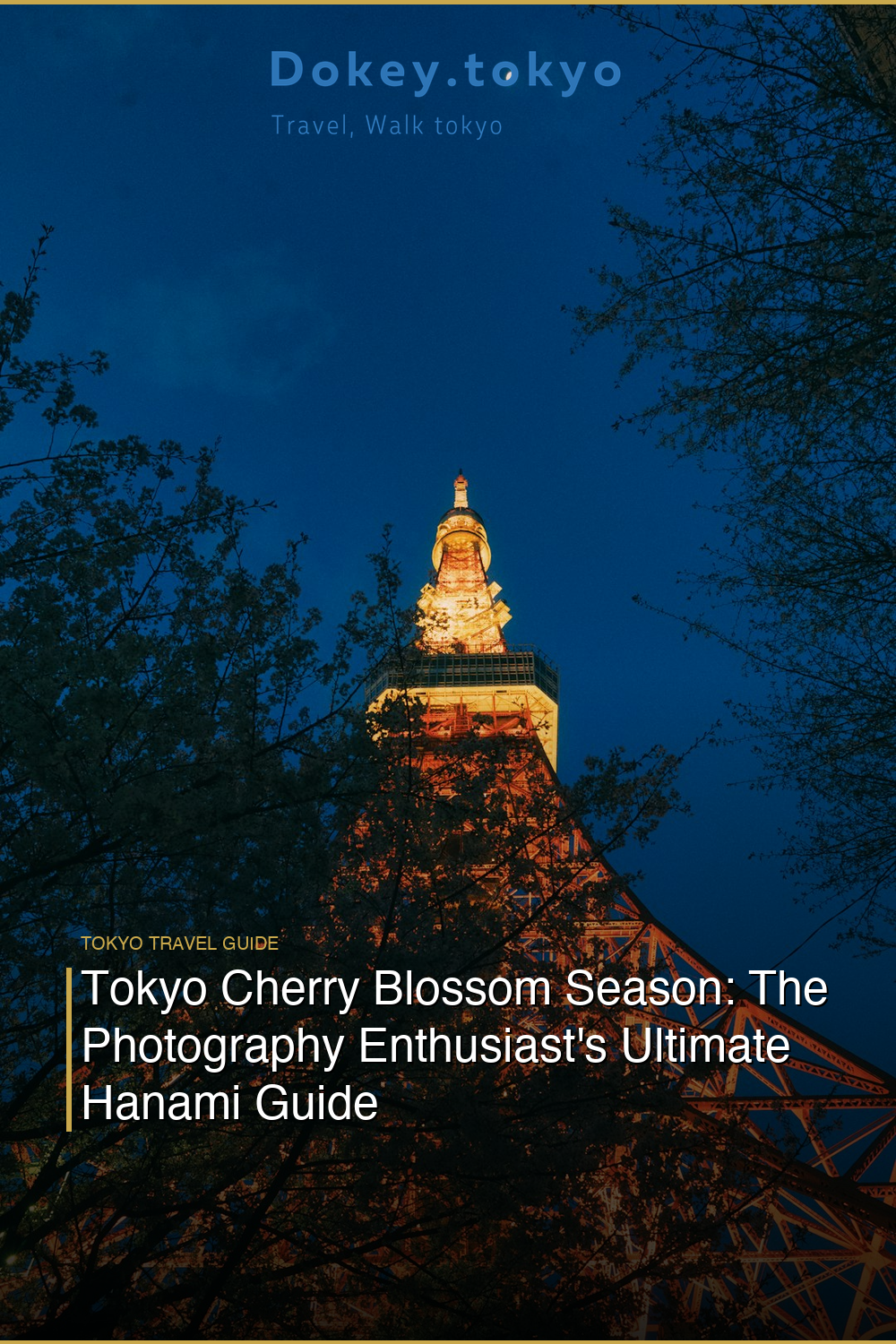
There is a specific kind of madness that overtakes you when you first see Tokyo draped in cherry blossoms. Every street corner becomes a composition. Every canal reflection holds a universe. Every gust of wind sends pink petals spiraling through the air like the city itself is exhaling after a long winter — and your finger never leaves the shutter button. If you’ve ever stayed up past midnight researching lens filters and blue-hour locations the week before a flight, you already know exactly the kind of obsession I’m talking about. Tokyo during hanami season isn’t just a travel destination for people like us. It’s a pilgrimage.
I still remember the morning I stepped out of Shinjuku station on my third sakura trip, camera bag already digging into my shoulder at 5:30 AM. The air smelled like cold concrete and something sweetly floral I couldn’t quite place — it turns out a street vendor two blocks away was already grilling mitarashi dango over charcoal, the caramelized soy sauce hitting the warm air before the sun had even crested the buildings. I stood there, steam rising from a paper cup of canned Boss coffee I’d grabbed from the konbini, and felt the city hum quietly before the crowds arrived. That hour — before the tourists, before the Instagram influencers with their ring lights, before the salary workers rushing to the office — is the single greatest gift Tokyo can give a photographer.
Understanding the Timing: When to Book Your Flight
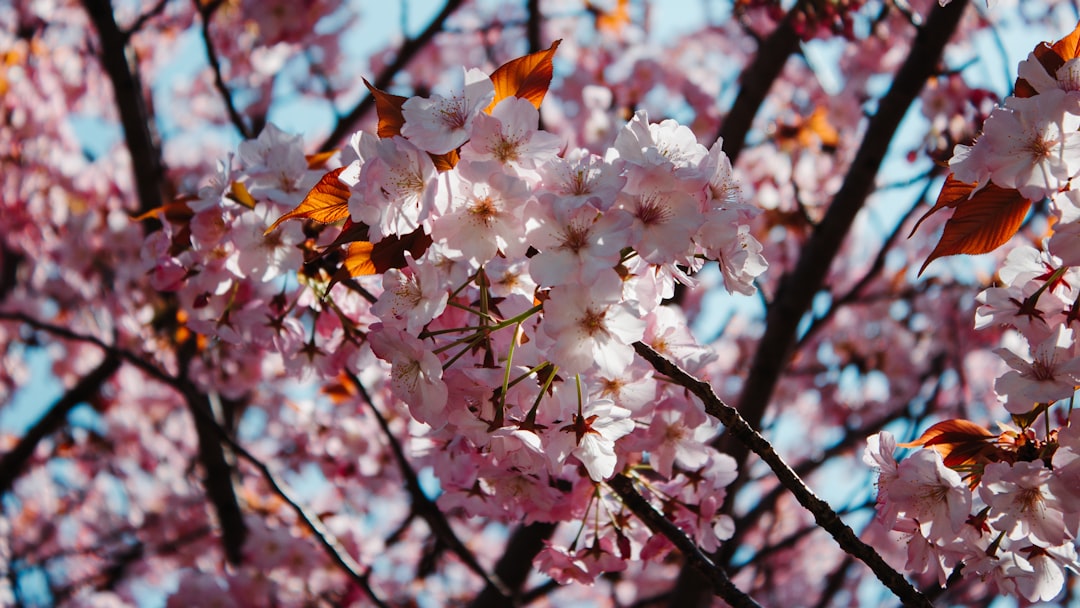
For photographers, the cherry blossom window isn’t just about being in Tokyo during late March to mid-April — it’s about being there for the right five days. Tokyo’s sakura season is notoriously short and genuinely unpredictable. The Japan Meteorological Corporation releases official bloom forecasts each year, and I check them obsessively starting in February.
The Three Stages You Need to Shoot
Kaika (開花) — First bloom: Roughly 5–10% of flowers open. The trees look delicate and sparse, almost shy. This stage is criminally underrated for photography because you can isolate single blossoms against bare branches with a telephoto lens and create images that feel like Japanese ink paintings.
Mankai (満開) — Full bloom: The peak. Every branch is heavy with clusters of pale pink flowers. Crowds are at maximum density, especially on weekends. Plan your shots at dawn (arrive by 5:30–6 AM) or on weekday mornings. Golden hour here is extraordinary — the warm light turns white petals a luminous apricot.
Hanafubuki (花吹雪) — Petal snowstorm: When petals begin falling. Shoot near water for petal reflections, or use a fast shutter speed to freeze individual petals mid-air against dark backgrounds like a dark jacket or shadow. This is my personal favorite stage and the one most photographers miss because they’ve already flown home.
In an average year, expect full bloom between March 25 and April 5 in Tokyo. Book flights for late March arrival, plan to stay at least 10 days, and keep your itinerary flexible.
The Best Cherry Blossom Spots for Photographers in Tokyo
🗾 Book on Viator: Cherry Blossom Walking Tour Tokyo →
🗾 Book on Viator: Visit 5 Iconic Cherry Blossom Spots in T →
Shinjuku Gyoen — The Compositional Playground
This is the spot I recommend first to every photographer visiting Tokyo. The garden charges a small entry fee (¥500), which naturally filters out some of the crowds, and it contains multiple sakura varieties that bloom at slightly different times — extending your shooting window by several days. The Greenhouse area provides incredible foreground interest with tropical plants framing blossom-covered trees in the background.
Arrive at opening time (9 AM) on a weekday. Head immediately to the French Formal Garden section where rows of blossoming trees create natural leading lines toward a traditional Japanese pavilion. In late afternoon, backlit petals glow like translucent paper lanterns.
Chidorigafuchi — The Water Reflection Shot Everyone Wants (And How to Actually Get It)
The iconic moat-side avenue where rowboats drift beneath overhanging cherry trees is real and genuinely spectacular — but it requires strategy. The rowing boats open at 9 AM and the queue forms by 7:30 AM on peak weekends. Get there at 7 AM, grab your spot in line, then walk the canal path shooting the early light while you wait. The angle from the Chidorigafuchi Walkway looking south toward the boats is your money shot: water reflections below, blossom canopy above, soft morning light cutting sideways through the branches.
On one of my visits, a local photographer named Kenji — who had clearly been coming to this exact spot for decades — tapped me on the shoulder and pointed to a small gap in the fence along the northern path that most people walk past. From that angle, you get an almost tunnel-like composition with the blossoms arching completely overhead and the moat disappearing into soft bokeh below. I would never have found it on my own.
Meguro River — Nighttime Sakura and Lantern Light
The Meguro River during hanami season transforms into one of Tokyo’s most surreal scenes after dark. Paper lanterns string the entire length of the canal, casting warm amber light across the water while cherry blossoms hang overhead in darkness. For photographers, this is your long-exposure laboratory. Bring a small travel tripod (Joby GorillaPod works perfectly here for gripping railings), set your aperture to f/8, ISO 800–1600, and experiment with 2–4 second exposures to capture both the lantern reflections in the water and the soft texture of the blossoms above. For more specialized night photography techniques, the Sumida River sakura evening cruise offers similar opportunities and is worth considering as an alternative nighttime location.
The crowds thin noticeably after 9 PM on weeknights. That’s when you set up and shoot without someone walking into your frame every thirty seconds.
Yanaka Cemetery — The Undiscovered Masterpiece
Most photographers skip Yanaka entirely. Don’t. This old cemetery in the Yanaka district has enormous, ancient cherry trees lining its main avenue that are so large their canopies completely close overhead. The atmosphere is quiet, contemplative, and utterly different from the festival energy elsewhere in the city. Local elderly residents come here to sit on folding chairs beneath the trees and share thermoses of green tea. It photographs like a Miyazaki film frame.
Komazawa Olympic Park — For Environmental Portraits
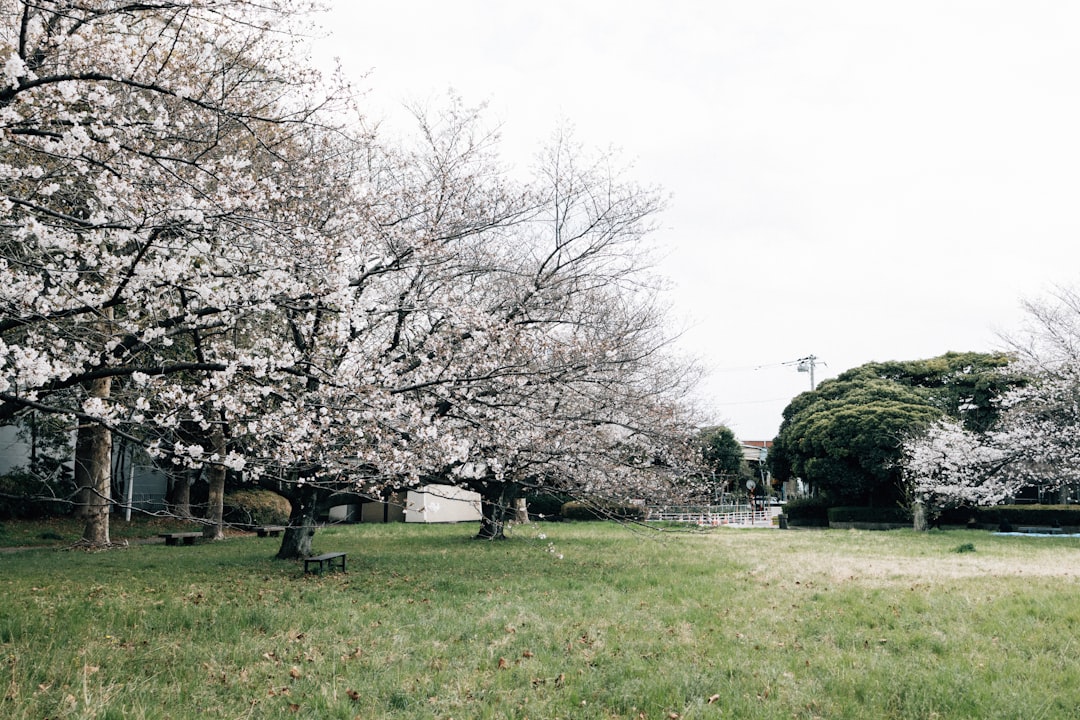
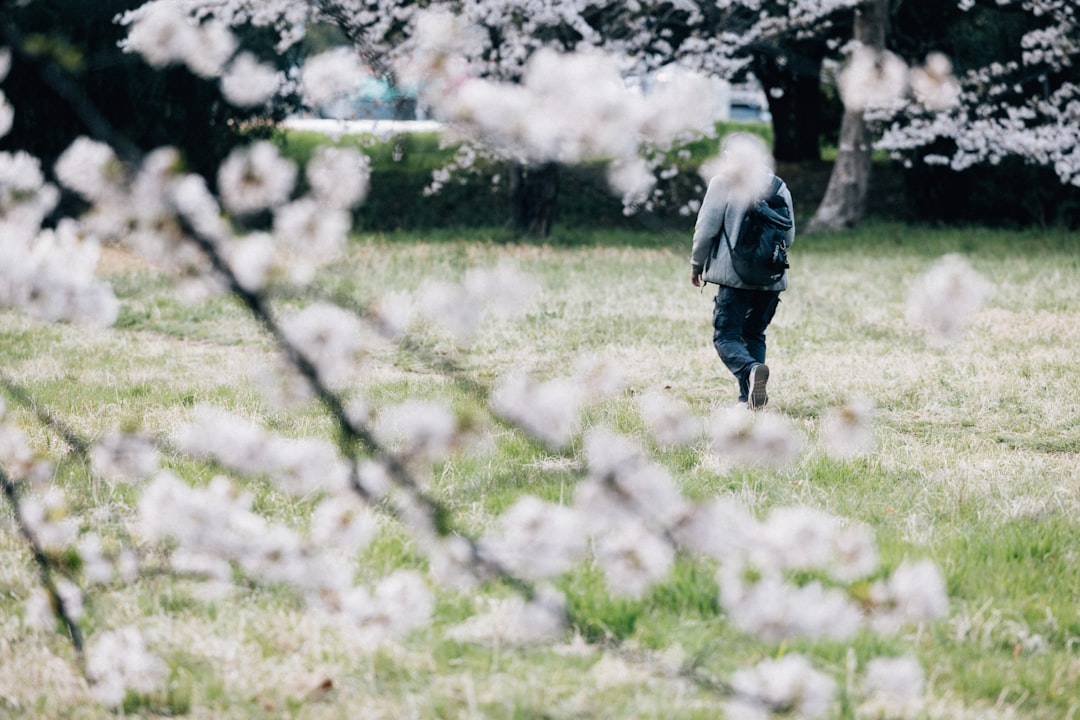
If you shoot people as well as landscapes, this park gives you space to work. Wide open meadows with cherry trees mean you can position a subject in natural light with blossoms as background without fighting crowds for your angle. The park is popular with Tokyo families during picnic season, and if you approach people respectfully and ask permission (a bowing gesture and pointing to your camera works universally), many are happy to be photographed in their hanami settings.
Hanami Festival Culture: What to Photograph Beyond the Flowers
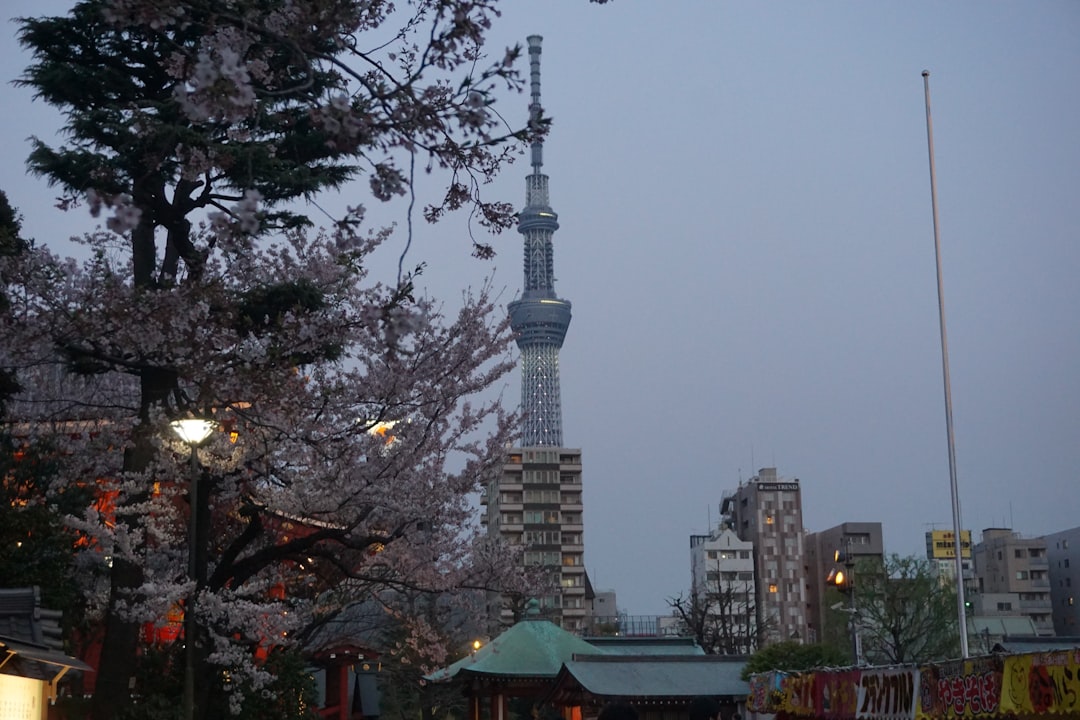
Hanami isn’t just about trees. The cultural layer underneath the blossoms is as photogenic as anything else. Look for:
- Blue tarps and obento boxes: Salarypeople reserving prime picnic spots from early morning is a genuine Tokyo tradition. The contrast between pristine cherry blossoms and bright blue plastic tarps is quintessentially Tokyo.
- Yatai (street food stalls): Vendors selling sakura mochi (pink rice cakes filled with sweet bean paste wrapped in a pickled cherry leaf), hanami dango on skewers, and taiyaki in the shape of cherry blossoms set up throughout major parks. Macro shots of food against bokeh backgrounds of blossoms are consistently some of my most-liked images. If you’re interested in deeper food-focused Tokyo photography, the Tsukiji Inner Market offers year-round food photography opportunities.
- Traditional dress: You will absolutely encounter people in kimono, especially near Meiji Shrine and Omotesando and on weekends in Hamarikyu Gardens. Ask politely — many visitors wearing rental kimono are genuinely delighted to be photographed.
Practical Gear and Settings Notes for Tokyo Sakura Season
🗾 Book on Viator: 5 Iconic Cherry Blossom Spots Tour →
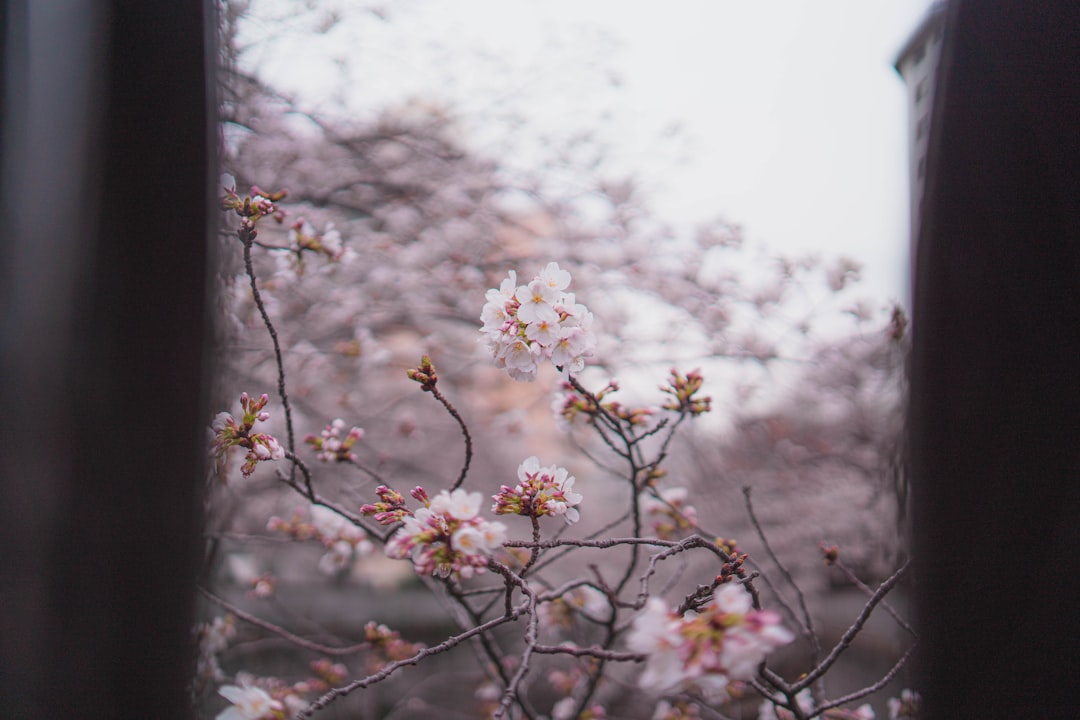
Tokyo in late March runs cool — typically 10–18°C — with occasional rain showers that create incredible moody atmosphere for photography but require weather-sealed bodies or a rain sleeve for your camera. Pack both. A variable ND filter is useful for managing the bright midday light if you want wide apertures on faster lenses.
For lenses: a 35mm or 50mm prime for street-level hanami scenes, a 70–200mm telephoto for compressing blossom layers and isolating single flowers, and a wide angle (16–35mm) for canopy shots looking upward. That combination covers every scenario I’ve encountered across multiple trips.
The Moment I Carry With Me
Sitting beside the Meguro River at 10:30 PM on a Tuesday during my fourth visit, I had finally gotten the shots I came for — long exposures with lantern light bleeding across still water, petals catching the warm glow. I ordered a cup of amazake (warm, sweet fermented rice drink) from a vendor who was packing up his cart, and he handed it to me with two hands and a small bow. I sat on the riverbank holding that cup — earthy, slightly tangy, genuinely warming from the inside out — watching a single petal land on the water’s surface and drift slowly downstream into the darkness. In that moment, I understood completely why Japanese people treat this season with such reverence. The blossoms are beautiful not despite how briefly they last, but entirely because of it.
Planning Your Photography Trip: Final Tips
Book accommodation in Shinjuku, Shibuya, or along the Meguro line for easiest access to the top spots. Purchase a 14-day Suica card the moment you land and load ¥10,000 — you’ll be taking the train constantly. Follow the Twitter account @sakura_forecast (run by Japanese meteorologists) for near-daily bloom updates once March arrives.
Most importantly: give yourself permission to put the camera down sometimes. Sit under a tree with a cold Sapporo and a konbini onigiri. Let the petals fall on you. Tokyo during cherry blossom season is the rare place that genuinely exceeds every expectation — even when you’ve seen it four times before.